
Reviewed · SPLIT TOURS
Split: Olive museum Klis with Olive Oil Tasting
The best part of this Stella Croatica tour is the olive oil lesson. You do not simply sip oil and nod politely. You learn to smell and taste it like a professional taster, then compare two oils labeled extra virgin. I like the practical format, and I like that the visit also brings in figs, almonds, oranges, lavender, herbs, and traditional sweets.
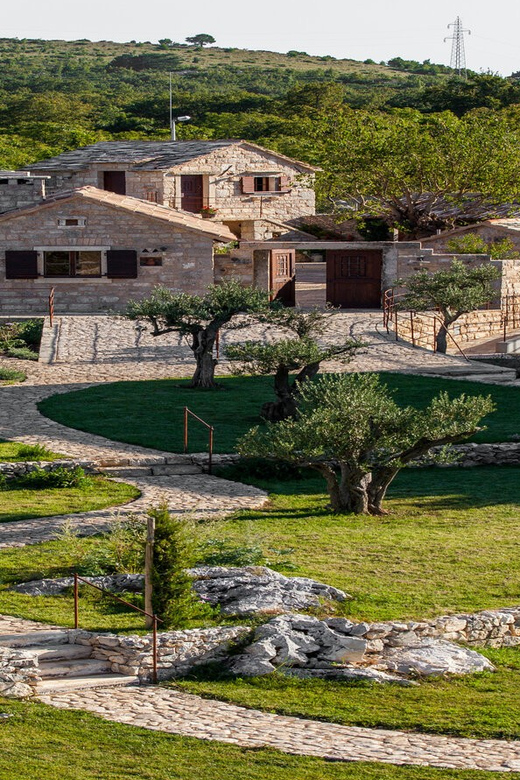
The setting adds appeal, with a small botanical collection, old buildings, a concept shop, and a family estate near Klis. My main caution is simple: you will not see broad olive groves at the site itself, and the museum portion may feel dry if you want a farm visit rather than an indoor lesson.
Key points
- Compare two extra virgin olive oils in an interactive tasting session.
- See how Dalmatian products are made, including sweets from figs, almonds, oranges, and lavender.
- Visit a 2023 European Museum of the Year finalist, the Olive Oil Museum.
- Walk through a botanical collection with about 500 plant species.
- Taste handmade sweets and test natural cosmetics as part of the visit.
- Pay $18 per person, a fair price for a guided tour, museum entry, tastings, and free time afterward.
Why the olive oil lesson is the main event
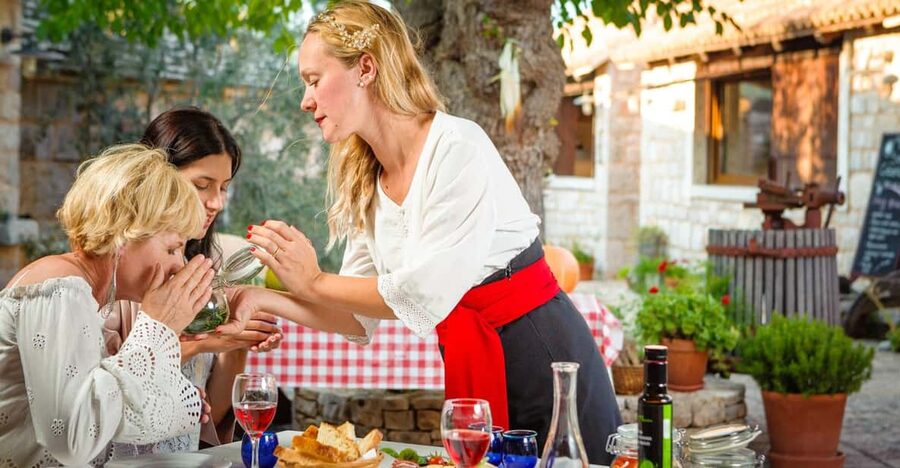
Croatia takes olive oil seriously. Along the Dalmatian coast, the oil is part of everyday cooking, local farming, and family tradition. At Stella Croatica, the tasting gives you a useful introduction to what separates good extra virgin olive oil from a bottle that only carries the label.
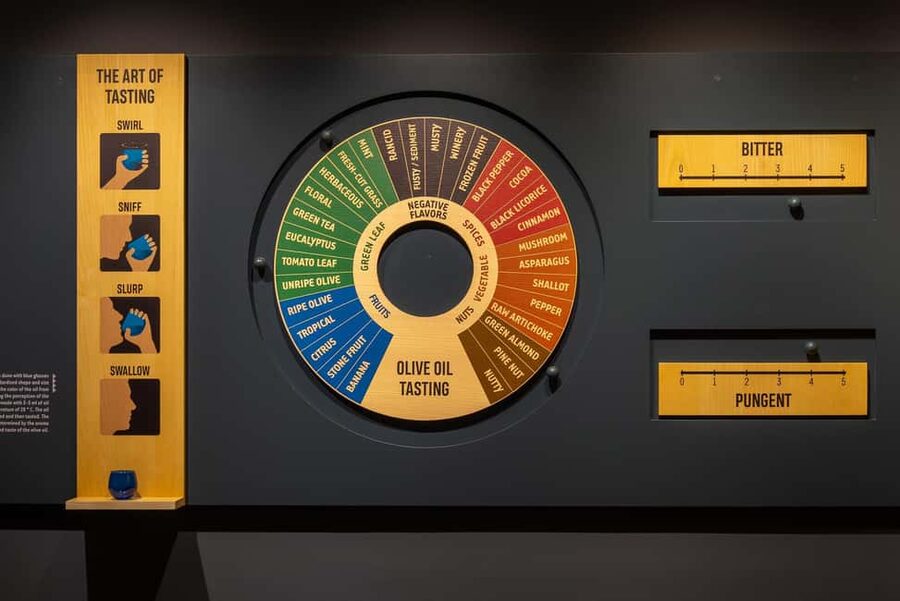
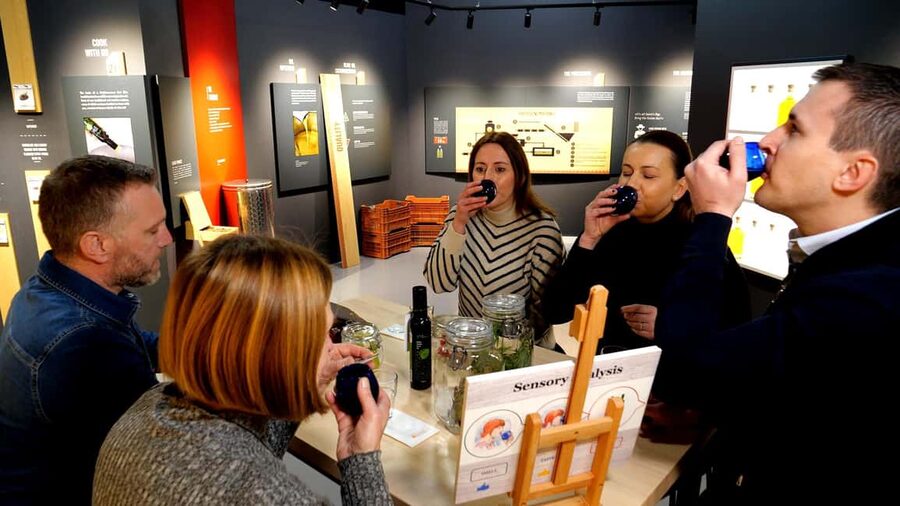
You begin with the basics. Your host explains how professional tasters use smell and taste to judge oil. You then work through the process yourself, looking for differences between the two samples. The hands-on format makes this more useful than a simple tasting where someone pours oil into a small cup and tells you what to think.
Expect to sniff first, then taste carefully. You learn that a quality oil has more going on than plain greasiness. The point is not to turn you into an olive oil judge in one sitting. It is to help you notice freshness, character, and faults, so you can make smarter choices in a shop or restaurant.
The session is also a good fit for families. A nine-year-old took part in the activity and found the comparison clear and interesting. Children may not care about every museum display, but sniffing and tasting different oils gives them something active to do.
More food tours in Split:
- From Split: Krka Waterfalls, Food & Wine Tasting Tour
★ 5.0 · 9,326 reviews - From Split: Krka Waterfalls, Food & Wine Tasting Tour
★ 4.9 · 6,598 reviews - Split: Blue Lagoon and 3 Island Cruise with Food and Drinks
★ 4.8 · 1,969 reviews
Starting inside the Stella Croatica estate
You meet your host inside the main building at Stella Croatica. From the main road, follow the signs to the estate, enter the building, and wait for the guide. The activity ends at the same meeting point, so you do not need to arrange a second pickup location.
The first stop shows how local women produce and pack traditional Dalmatian goods. The products include figs, almonds, oranges, and lavender. This section helps put the tasting into a wider context. You are not only looking at an oil museum. You are seeing how a family estate turns regional ingredients into foods and other products.
The factory area is especially useful if you enjoy seeing the work behind something you later buy. You get a look at preparation and packing rather than only finished jars on a shelf. The presentation is guided in English, so ask questions as you go if you want more detail about an ingredient or process.
The pace appears designed to cover several parts of the estate in one visit. That is useful for a short stop near Klis, though it also means no single section receives the depth of a full specialist tour. If olive oil is your main interest, keep your attention for the museum and tasting later.
From Dalmatian herbs to natural cosmetics
The next part explains how essential oils are extracted from typical Dalmatian herbs. These oils then go into natural cosmetics made at the estate.
This is a nice bridge between the plants in the garden and the products in the shop. You see how local herbs can serve more than one purpose, from culinary use to fragrance and skin care. The experience includes testing natural cosmetics, so you have a chance to examine and try some of these products rather than simply hearing about them.
Do not expect a long laboratory demonstration. The supplied details describe an educational stop about extraction and use, not a full production workshop in which you make your own cosmetics. Still, it adds variety to the visit and gives non-olive-oil enthusiasts another reason to come.
I would pay attention to the product names and ingredients here. The concept store later gives you a chance to buy items at factory prices, and you will have a better sense of what you are looking at after this explanation.
A 500-species botanical collection
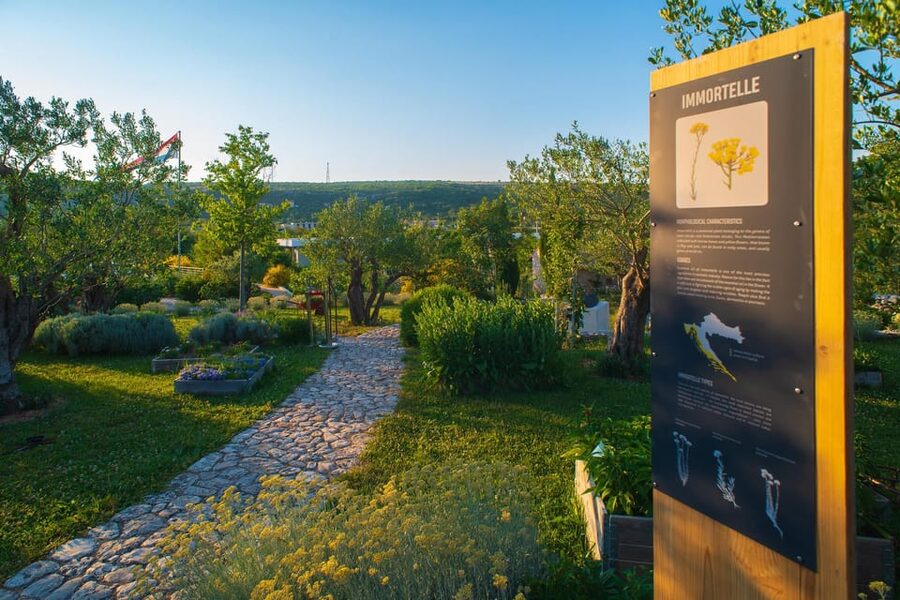
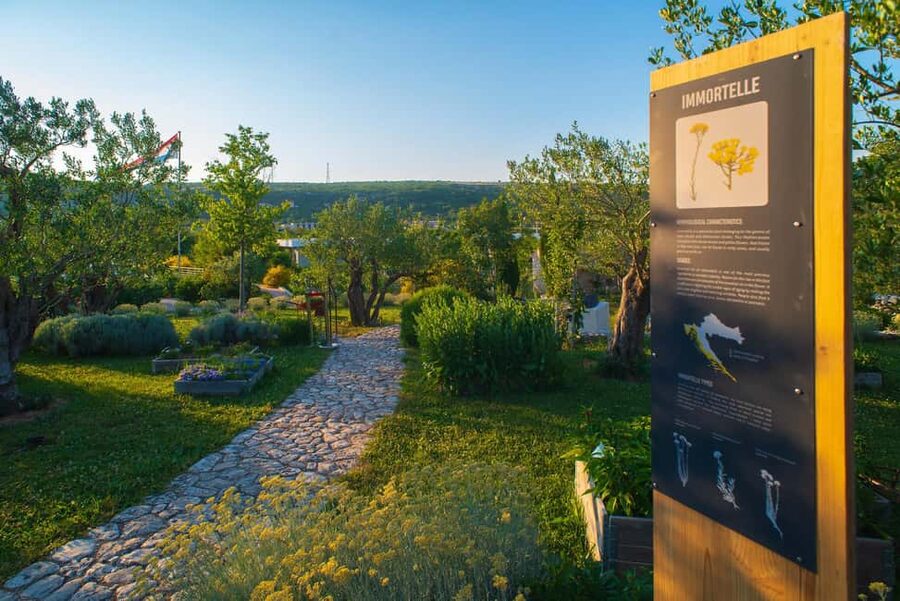
Outside, you walk through the botanical collection, which contains about 500 species. Your host explains what some of the plants can be used for, linking the garden to Dalmatian food, herbs, oils, and cosmetics.
The garden is not presented as a huge agricultural site. It is a compact collection, and one rating described it as small but pleasant. That is worth knowing before you arrive. You get a tidy botanical stop and a change of pace, not miles of olive trees or a working olive plantation.
This section works best when you take your time. Look for the plants connected to the products you have just seen inside. The visit becomes more meaningful when you recognize that lavender, herbs, and other local species are not just decorative plants. They can become food ingredients, scents, essential oils, and cosmetic components.
The garden and old buildings also give you some breathing room between indoor stops. If you finish the guided sections quickly, you can return to the park during your free time.
More museums and galleries in Split:
- Blue Lagoon & Underwater Museum from Split with Lunch & Drinks
★ 4.5 · 1,122 reviews - Split: Game of Thrones Museum Entrance Ticket
★ 3.8 · 385 reviews - SPLIT-PREMIUM Emperor’s Walking Tour for History Lovers + Museum
★ 5.0 · 333 reviews - Split: Klis Fortress GOT and Olive Museum Entry Tickets
★ 4.6 · 283 reviews
Inside the Olive Oil Museum
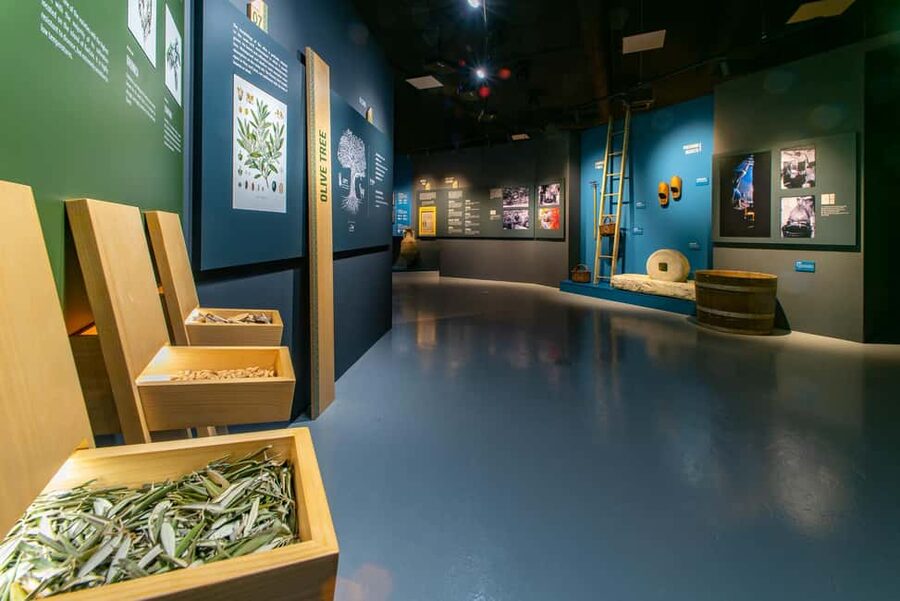
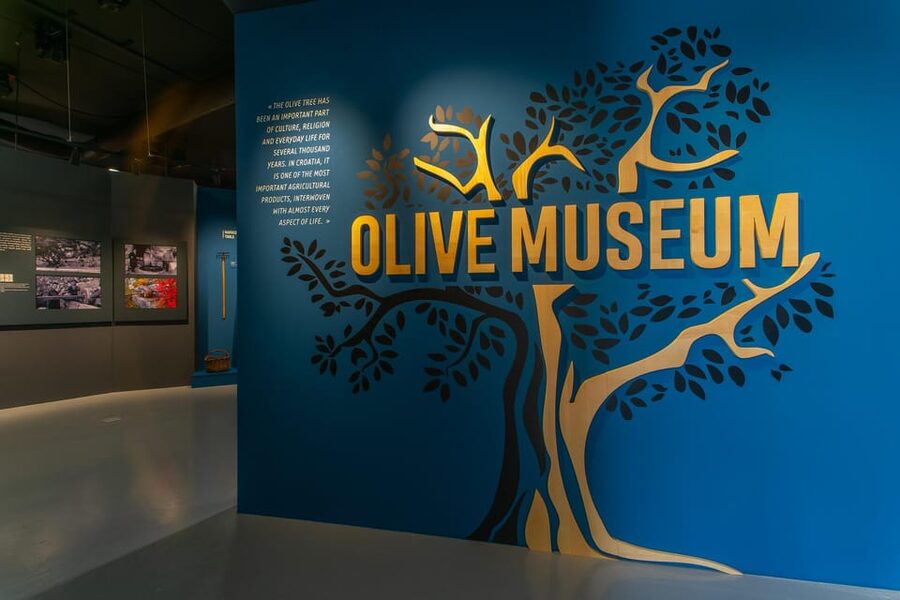
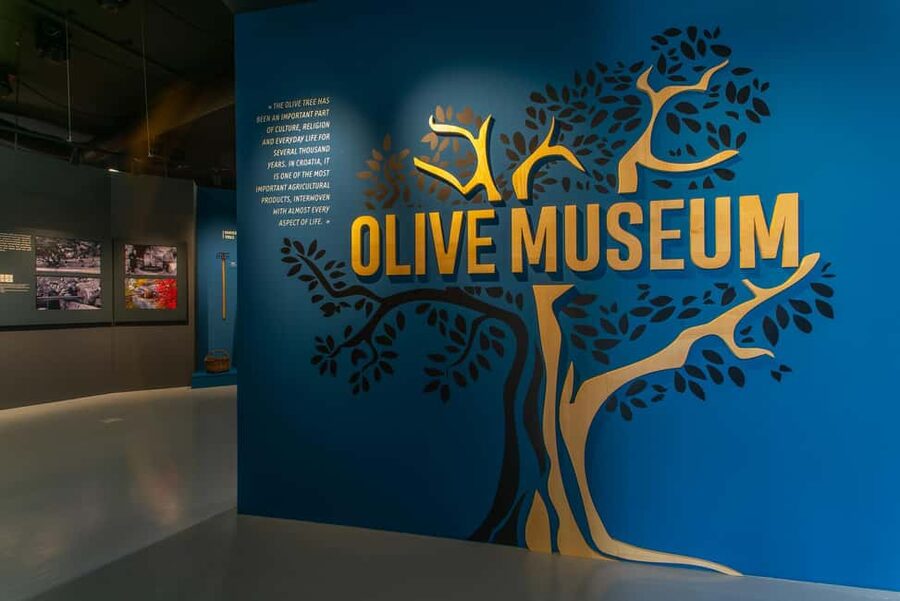
The Olive Oil Museum is the centerpiece of Stella Croatica. It explains the role of olive oil in Croatia and presents the product often called liquid gold.
The museum was a finalist for the European Museum of the Year Award in 2023. That distinction makes it more than a shop display, but it does not guarantee that every part will hold your attention. The quality of the guiding matters here. One guide was described as dull and unenthusiastic, while other visitors found the explanations clear and informative.
That mixed impression gives you a useful expectation. The content can teach you about the history and types of olive oil, but the delivery may vary. If your guide presents the material in a flat way, the tasting that follows is likely to be the stronger part of the experience.
I like that the museum provides context before you taste. Without that background, the workshop could feel like a quick product demonstration. With it, you have a better understanding of why production methods, storage, and quality labels matter.
Still, do not come expecting rows of olive trees outside the museum. The estate does not offer the classic view of groves stretching across a hillside. If you want to walk through working olive fields, this is not that kind of stop.
Traditional sweets and the concept store
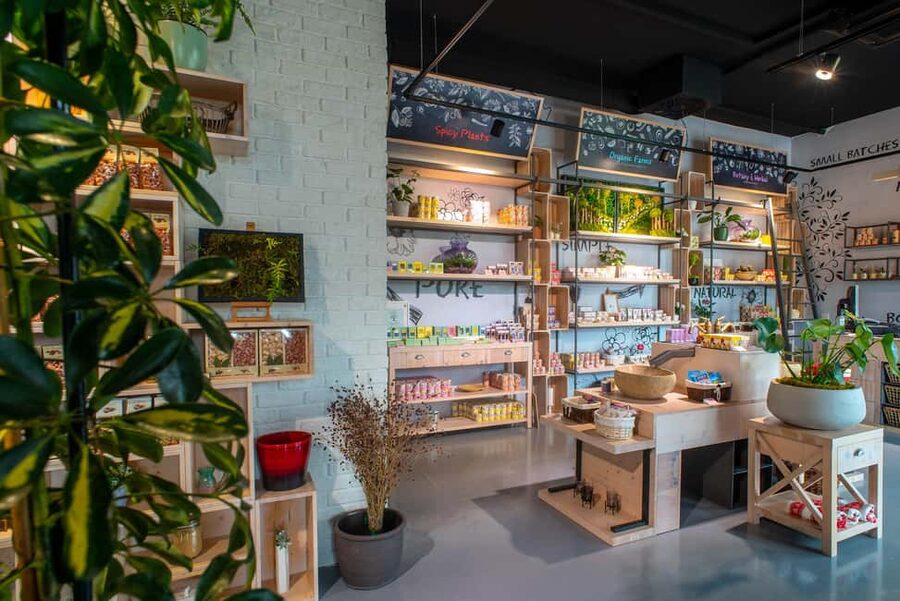
After the museum, you can taste handmade products in the concept store. The included food tasting focuses on traditional sweets, and the products reflect the ingredients introduced earlier, including figs, almonds, oranges, and lavender.
This is a pleasant part of the experience because you can connect the explanation with actual flavors. You also have the chance to try products without feeling that you must buy them. The store allows sampling, and purchases are available at factory prices.
That pricing can improve the value of the $18 admission, especially if you already planned to buy Croatian food gifts. You might find olive oils, sweets, cosmetics, and other estate products in one place. The key is to treat shopping as an option, not the reason for booking.
The shop is described as nice and well stocked, though the overall site is not enormous. You can browse at your own pace after the guided portion. If you are traveling with someone who is less interested in museums, this free time gives them a reason to enjoy the stop.
What $18 gets you
At $18 per person, the price is reasonable for the amount packed into the visit. Admission includes entry to Stella Croatica and the Olive Oil Museum, a guided tour, two olive oil tastings, traditional sweets, and natural cosmetic testing.
The value comes from variety. You get a factory introduction, a botanical walk, a museum, a food tasting, a cosmetics stop, and an educational oil workshop. None of these sections alone would justify a high admission price, but together they create a well-rounded short outing.
The biggest value is the tasting lesson. Once you understand how to compare oils, you can use that knowledge long after you leave Croatia. The traditional sweets and cosmetics also make the price easier to accept, particularly if you enjoy local food and small-scale products.
The experience is less compelling if you want a major historic attraction or a full farm tour. The museum can feel modest, and the lack of olive fields limits the sense of place. At $18, however, the risk is small. You are paying for a guided cultural stop with several included samples, not a full-day excursion.
Time for lunch and a second look
When the formal activity ends, you can spend free time exploring the park or having a traditional lunch. The information provided does not give a set meal, menu, or lunch price, so plan to pay separately for anything beyond the included sweets and oil samples.
This flexible ending is useful. You do not have to rush away after the final tasting. You can browse the shop, revisit the garden, look at the old buildings, or settle in for food.
It also makes the visit easier to pair with a day around Klis. The estate itself is the full meeting and ending point, so you can build your own plan around it rather than depend on a fixed onward schedule. Just allow enough time for the guided stops before deciding how long to stay afterward.
Who will enjoy Stella Croatica most
I would recommend this activity to anyone curious about Croatian food traditions, especially if you want more than a standard museum visit. It suits couples, families, and travelers who like to take home edible souvenirs with a better understanding of what they are buying.
It is also a smart choice for people who do not know much about olive oil. The tasting gives you a clear starting point without requiring specialist knowledge. You do not need to arrive with a trained palate. The host explains what to do, and the comparison makes the lesson easy to follow.
Families can make good use of the variety. Children can see food production, taste sweets, sniff oils, and walk through the plant collection. The visit is not built around a long lecture, though the museum guide’s energy may affect how much young visitors enjoy that section.
I would be more cautious if your main goal is a large open-air agricultural experience. There are no olive groves or fields at the site itself, and the botanical garden is small. For that, you would need a different kind of outing.
Practical details before you go
The tour is offered in English. Food and drinks from outside are not allowed, and video recording is not permitted. You can still take in the buildings, garden, museum, products, and tasting at a comfortable pace within the visit.
The meeting point is straightforward. Follow the signs from the main road to Stella Croatica, enter the main building, and wait for your host. Since the tour returns to that location, you finish where you started.
You can reserve now and pay later, which helps if your plans around Klis are still shifting. Cancellation is allowed up to 24 hours before the activity for a full refund. These terms are useful, but the real planning question is your interest: book it when you want a compact food and culture stop, not when you are seeking sweeping olive-grove scenery.
Should you book this olive oil tour?
Book Stella Croatica if you want a reasonably priced introduction to Croatian olive oil, local sweets, herbs, and natural cosmetics. The interactive tasting is the strongest reason to go, and the included museum entry and samples make $18 good value.
Skip it if you expect a working olive farm, a large botanical park, or a major must-see attraction. The museum experience may depend on the guide’s energy, and the site has no olive fields to explore.
For most food-minded visitors near Klis, I would book it as a short, useful stop. You will leave with a better sense of how to judge extra virgin olive oil, and you may find a few good edible souvenirs for the road.
FAQ
Where does the Stella Croatica tour start?
Follow the signs from the main road to Stella Croatica. Enter the main building and wait for your host.
Where does the activity end?
The activity ends back at the same meeting point at Stella Croatica.
How much does the experience cost?
The listed price is $18 per person.
What does the admission include?
It includes entry to Stella Croatica and the Olive Oil Museum, a guided tour, tasting of two different olive oils, traditional sweets, and natural cosmetics testing.
How many olive oils will I taste?
You will taste two different olive oils, both labeled as extra virgin.
Is the olive oil tasting suitable for beginners?
Yes. The host explains how to recognize quality extra virgin olive oil and guides you through an interactive tasting process.
Is the tour offered in English?
Yes. English is the listed tour language.
Can I buy products at Stella Croatica?
Yes. The concept store sells handmade foods, olive oils, cosmetics, and other products. Items may be purchased at factory prices.
Can I cancel for a full refund?
Yes. You can cancel up to 24 hours in advance for a full refund.
Just added around Split
- From Trogir, Seget, Okrug: Krka Waterfalls & Šibenik Culture Tour★ 5.0 · 10 reviews
- Island Hopping Boat Excursion with Lunch (Trogir,Blue Lagoon, Šolta)★ 3.5 · 6 reviews
- Krka Waterfalls & Primošten from Trogir, Seget, Čiovo & Kaštela★ 5.0 · 18 reviews
- From Split & Trogir: ATV Quad Tour on Island Čiovo★ 5.0 · 21 reviews
- Slatine – Island Hopping Excursion (Trogir/Blue Lagoon/Shipwreck)★ 4.0 · 24 reviews
- Split: Blue Lagoon Boat Trip with Lunch, Wine and Snorkeling★ 5.0 · 3 reviews
- Split Sunset Stand Up Paddle Tour★ 5.0 · 16 reviews
- Split: Sunset Guided Kayaking Tour★ 4.8 · 71 reviews
Split Tours, compared.

Krka Waterfalls Trip with Boat Cruise and Swimming
Read our review →
Blue cave, Mamma Mia and Hvar, 5 islands speedboat tour
Read our review →
Blue Cave, Mamma Mia, Hvar and 5 Island Tour
Read our review →
Blue Lagoon & 3 Islands Cruise with Lunch from Split
Read our review →

Blue Lagoon Boat Party with DJs, Shots & After Party
Read our review →Browse the lists this tour appears in