Reviewed · DUBROVNIK TOURS
Pearls of the Balkans from / to Dubrovnik; Semi – Private Tour
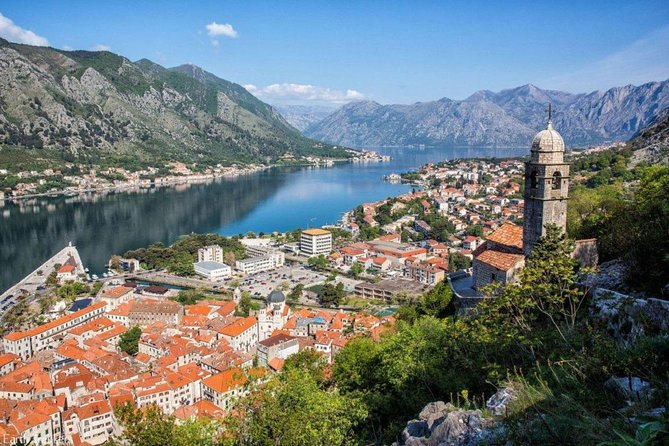
The best thing about this eight-day trip is its reach. Starting in Dubrovnik, you cross six Balkan countries, from Montenegro’s Bay of Kotor to Albania, North Macedonia, Kosovo, Bosnia and Herzegovina, and back to Croatia. Kotor, Ohrid, Prizren, and Mostar give you very different views of the region in one carefully packed journey.
I like the small maximum group of 10 and the private transportation, which make border crossings and long drives easier to manage. I also like the local touches: a farm lunch stop at Mrizi i Zanave, Ohrid’s handmade paper workshop, and a Venetian mask studio in Shkoder. The main drawback is the pace. You cover a lot of ground, and the three-star hotels may feel basic, with occasional small rooms and uneven breakfasts.
Key points to know before booking
- Six countries in eight days: You visit Montenegro, Albania, North Macedonia, Kosovo, Bosnia and Herzegovina, and Croatia.
- Small-group road trip: The tour has a maximum of 10 participants, with private transport and a professional tour leader.
- Strong UNESCO coverage: Kotor, Berat, Ohrid, and Mostar all bring major historic and cultural stops.
- Food and craft experiences: Mrizi i Zanave, an agricultural food project, and workshops in Ohrid and Shkoder add more than standard sightseeing.
- Breakfast is included: Six breakfasts and all listed hotel accommodation are covered, but lunches, dinners, drinks, and snacks are extra.
- Expect basic hotels: Rooms are based on double, twin, triple, or quadruple occupancy in three-star hotels. A single room costs an additional 50 euros per night.
What this Balkan road trip really offers
This is not a slow holiday built around long stays in one town. It is a high-mileage introduction to the Balkans, designed for you if you want to see several countries without planning every border crossing, hotel, and transfer yourself.
The route mixes famous old towns with less expected stops. You walk through fortified centers in Kotor and Berat, see Ottoman architecture in Prizren and Mostar, learn about Albania’s communist past in Tirana, and spend time around Lake Skadar. The result is broad rather than deep. You get a useful first look at the region, then a clear sense of where you may want to return.
The group size matters. With no more than 10 people, the tour should feel more personal than a large coach trip. Your tour leader can also adjust the timing within reason, something that proved useful for previous departures led by Migen A. and Gesi. Gesi is especially associated with food recommendations and flexible local planning.
The starting price is $3,434.13 per person. That is a serious sum, but it includes seven nights of accommodation, six breakfasts, private transport, petrol, road taxes, international car insurance, tourist taxes, entry tickets for listed paid sights, hotel pickup and drop-off, and a professional tour leader. You still pay for most lunches and dinners, so budget for those separately.
A few more Dubrovnik half-days to weigh up
- Blue Cave Small-Group Boat Tour from Dubrovnik
★ 5.0 · 9,360 reviews - Full-Day Dubrovnik Elaphite Islands Cruise with Lunch and Drinks
★ 5.0 · 8,823 reviews - Dubrovnik: Epic Game of Thrones Tour + Lokrum & Saver Option
★ 4.9 · 5,995 reviews
Day 1: Kotor’s maze and Budva’s old stones
Pickup begins early, with the standard departure listed at 7:30 a.m. from Dubrovnik. A local driver takes you to the border, where you meet the tour leader. Border formalities can affect the day’s rhythm, so an early start is sensible.
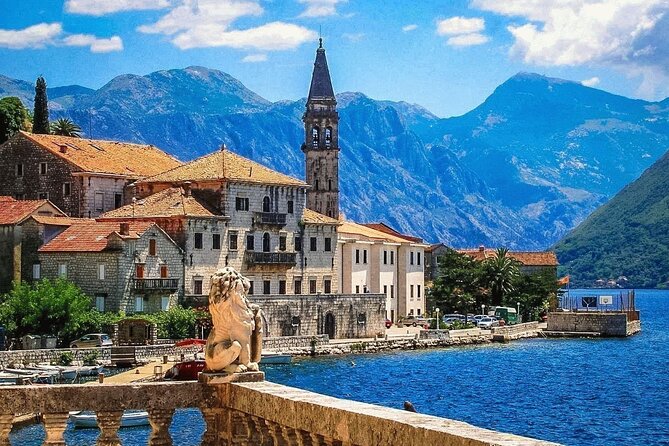
Kotor is the first major stop. Its old town is compact but full of bends, alleys, and small squares. The confusing street plan was meant to slow would-be attackers. Today, it makes wandering fun, though you should keep track of your group because it is easy to lose sight of people around a corner.
You spend about two hours here, including a visit to St. Luke’s Church. The church matters locally because it represents unity, and it gives the walk a little more meaning than a quick photo stop. Kotor is a UNESCO site, and the stone buildings, churches, and mountain setting make it one of the strongest early stops on the trip.
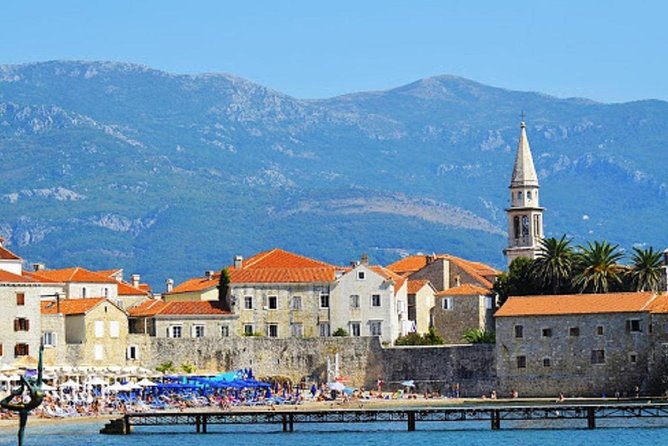
Later, Budva brings a different mood. It has a modern resort side filled with shops, restaurants, bars, and newer buildings, but the tour focuses on the old town. You have about two hours to see St. Ivan Church, St. Mary’s Church, and the medieval streets.
The contrast between Kotor and Budva is useful. Kotor feels more enclosed and defensive. Budva feels more like a coastal holiday town, with history folded into a modern resort setting. Since both stops are walking tours, comfortable shoes will help.
Day 2: Tirana beyond the postcards
After breakfast, you drive to Tirana and check into your accommodation before exploring the capital. The day gives you a mix of food, politics, religion, and city life.
Postblloku, also called Checkpoint, is an important first stop. This memorial recalls political prisoners and Albania’s years of communist isolation. It sits on the main boulevard opposite the government building, so the setting connects the monument to the power structure it commemorates.
You then enter Blloku, once reserved for members of the communist leadership and now filled with cafes, boutiques, and street art. The former residence of Enver Hoxha is also part of the walk. This is one of the more useful parts of the tour because it shows how Tirana has changed, rather than presenting Albania as only an old-world destination.
Skanderbeg Square anchors the next walk. You pass the National Museum, the Bank of Albania, the Opera Theatre, Skanderbeg’s statue, and Ethem Beu Mosque. Tirana Castle is now a pedestrian area where older traditions and newer businesses share the same space.
The religious walk gives you another view of the country. Under the communist regime, Albania was declared the world’s first atheist state in 1967, and religious practice was banned. You pass Namazgah Mosque, the largest mosque in the Balkans, along with the Orthodox Cathedral and Catholic St. Paul’s Cathedral.
You have roughly five hours of listed city activities, though the exact flow depends on the drive and check-in. Plan to pay for your own lunch and dinner, and ask your guide for food suggestions. This is where a guide such as Gesi can add real value, particularly if you want more than a quick meal near the main square.
Day 3: Berat’s windows and Ohrid’s lake views
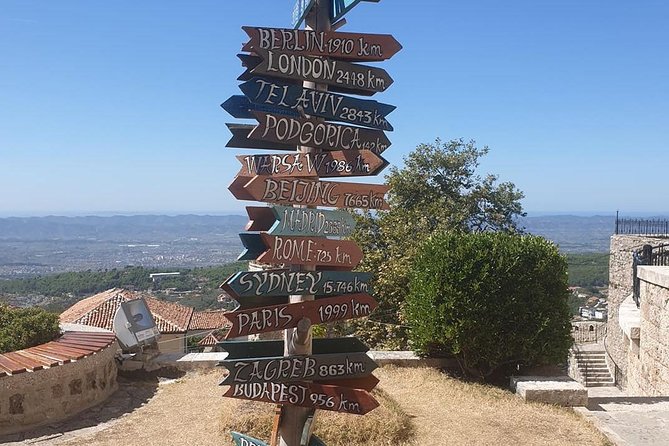
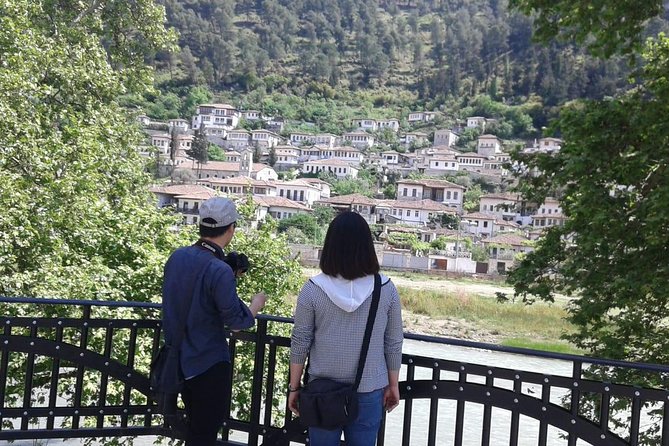
Berat is known as the town of 1,001 windows, a name that makes sense when you see the old houses climbing the hillsides. Their windows appear stacked above one another, creating a distinctive view from the lower town.
The old town began as an Illyrian settlement and later became the castle city of Antipatrea. The unusual part is that people still live within the castle walls. You receive a short introduction to Berat, followed by a visit to Berat Castle, where admission is included.
The time listed for the town and castle is brief, only about 30 minutes at each stop. That is enough to see the main setting and get a feel for the hilltop community, but not enough for a slow museum visit or a long wander. If Berat interests you most, make a note to return for a longer stay.
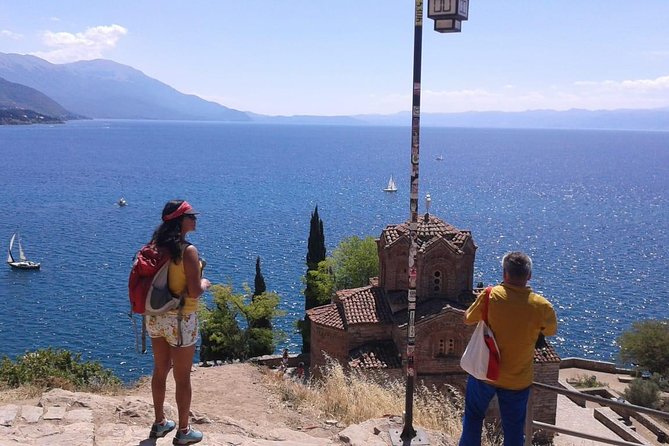
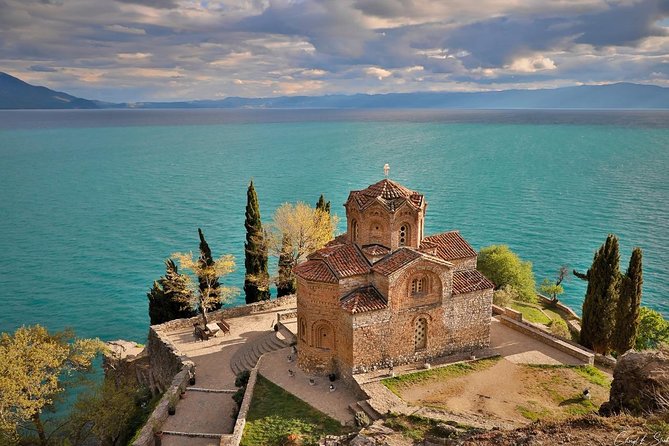
The drive continues to Ohrid, one of Europe’s oldest settlements. Ohrid and its lake have UNESCO status, and the town is strongly linked to Orthodox Christianity. The tour stops at the viewpoint near St. John at Kaneo, one of the most memorable views on the route.
Ohrid’s old houses were built on steep ground, with narrow streets, tunnels, and small yards. Their placement helped homes keep a view toward the lake. The town is also associated with 365 Orthodox churches, one for each day of the year, though your visit does not attempt to see them all.
The National Workshop for Handmade Paper adds a small but worthwhile detail. You learn how paper is made by hand using methods linked to the time of Gutenberg, and you can buy a handmade sheet as a souvenir. It is a better kind of shopping stop because you see the work before deciding to purchase anything.
Same stretch of coast, a completely different day out:
- Dubrovnik: Elaphiti Islands Full-Day Cruise with Lunch
★ 5.0 · 5,938 reviews - Dubrovnik: Old Town Walking Tour
★ 4.8 · 5,174 reviews - Dubrovnik: The Original Game of Thrones Tour & Lokrum Option
★ 4.8 · 5,064 reviews - Dubrovnik Game of Thrones Tour & Optional Lokrum Island Visit
★ 5.0 · 4,702 reviews
Day 4: Skopje and Prizren, two crossroads
Skopje is a city of mixed influences, with European, Ottoman, and Asian elements. The Stone Bridge links the newer part of the city with the old section, and the Alexander the Great statue is difficult to miss.
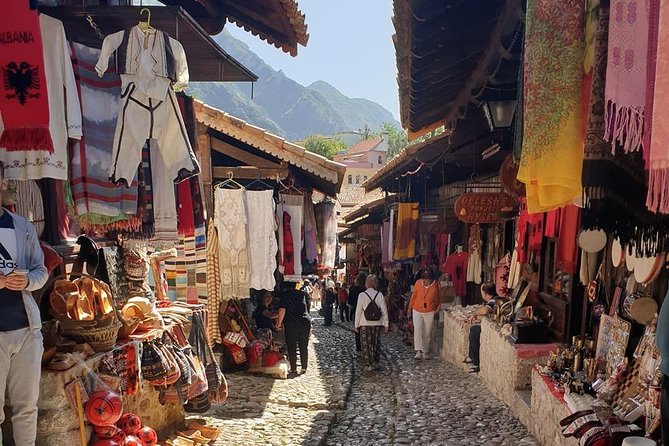
The Art Bridge, lined with lanterns and statues of Macedonian artists and musicians, leads toward the Archaeological Museum. The Old Bazaar is the more compelling stop for many people. It is described as the largest bazaar in the Balkans, and its combination of shops, streets, and old buildings gives you a direct sense of Skopje’s Ottoman past.
The city’s hilltop cross is visible from far away and has become one of its symbols. The listed city time is limited, so do not expect a full museum day. Think of Skopje as a guided orientation with time to see the main public spaces.
Prizren is more intimate. The river runs through the old town, passing under several bridges, while Ottoman and Byzantine influences show up in the buildings and religious sites. The city is often called Kosovo’s cultural capital, and the food is part of the appeal.
The Sinan Pasha Mosque is the main included religious visit. Its interior is noted for arabesque color and pattern. Dress respectfully, and follow your guide’s instructions about entry.
You also climb to Kalaja Fortress for a broad view over Prizren. The uphill walk is worthwhile, but it adds physical effort after a full driving day. The two hours in Prizren should give you time for the mosque, fortress, riverfront, and a little food or coffee.
Day 5: Farm food, Shkoder, and handmade masks
Mrizi i Zanave is one of the trip’s most unusual stops. This slow-food agricultural project collects, prepares, and preserves local organic products. You tour the farm, hear how the family business created jobs for more than 400 people nearby, and see how old communist buildings were adapted for storage.
You have free time for a traditional lunch or to buy farm products. Lunch is not included, but this is one of the places where spending extra money fits the experience. It also breaks up the historical sightseeing with a look at present-day rural enterprise.
In Shkoder, you learn about one of Albania’s oldest cities and the area around Lake Shkodra. The city has a long settlement history, and the oldest wall at its castle dates to the first millennium BCE. The stop is short, about an hour, so the focus is on orientation rather than a complete exploration.
The Venetian Art Mask Factory provides another hands-on cultural angle. Papier-mache masks are made and painted by hand, from traditional Venetian carnival forms to newer designs. Admission is included, and you can purchase a mask if you want a practical reminder of the trip.
Day 6: Lake Skadar and a quiet hour in Virpazar
The route turns north toward Montenegro and Lake Skadar, also called Shkodra Lake. The lake sits between Albania and Montenegro and is the largest lake in the Balkans.
The area is protected as a national park and supports more than 260 bird species, including pelicans and herons, along with fish and distinctive plant life. The listed stop lasts about an hour. It is not presented as a long boat excursion, so set your expectations around views, a short nature stop, and time to take photographs.
Virpazar is a small lakeside village known as a gateway to the national park. Stone bridges and traditional houses give it a slower feel than the capitals and resort towns earlier in the week. You can walk through the local market or sit with coffee or local wine near the lake.
Podgorica follows, with only about 30 minutes listed for the stop. You may have time to see the Millennium Bridge, the Old Ribnica River, or Independence Square, with more free time in the evening depending on the day’s drive and border crossing.
This is a lighter sightseeing day, but the driving remains part of the experience. Lake Skadar and Virpazar provide a useful pause before the final push into Bosnia and Herzegovina.
Day 7: Blagaj and Mostar’s Ottoman center
After crossing into Bosnia and Herzegovina, you stop at Blagaj, just outside Mostar. The town sits at the foot of a cliff beside the blue waters of the Buna River spring. Its Ottoman-era setting and natural surroundings make it a calm counterpoint to the larger cities.
Mostar is the final major sightseeing day. Stari Most, the famous Old Bridge, was built in the 16th century in an Islamic architectural style and is part of the UNESCO World Heritage list. The Old Bazaar around it has stone lanes, shops, and bridges over the river.
You will also see reminders of Mostar’s wartime past, including stones marked Don’t Forget. The city’s old and newer sections sit close together, so the walk shows both its beauty and its difficult recent past.
Bišćevića Kuća adds detail to the visit. This 17th-century riverside house is a well-preserved example of Ottoman domestic architecture, offering a look at how a wealthy family once lived. The total time in Mostar is about two hours, enough for the bridge, bazaar, house, and some free walking, but not a full day.
Day 8: Returning to Dubrovnik
The final day is mainly a transfer. Your tour leader takes you toward the Croatian border, where a local driver brings you to your Dubrovnik hotel.
This arrangement is practical, but allow patience for the border. The tour can also end in Kotor, and pickup or drop-off in Dubrovnik or Kotor is offered. The information gives different optional pickup times, with Dubrovnik pickup at 9:00 a.m. or Kotor pickup at 11:00 a.m. available on request at least 12 hours before departure, so confirm the exact plan before setting your morning schedule.
Hotels, transport, and the cost of comfort
Accommodation is in three-star hotels, with pricing based on double, twin, triple, or quadruple occupancy. Single occupancy adds 50 euros per night. The package includes breakfast, but quality can vary, and some rooms may be small.
Private transport is a major benefit on a route with several borders. You are not trying to connect Kotor, Tirana, Berat, Ohrid, Skopje, Prizren, Shkoder, Podgorica, Blagaj, and Mostar by public transport in one week. The tradeoff is long time in the vehicle.
One previous departure had trouble with an electric car because charging stations were not always easy to find. This caused detours and long walks for the guide. Another vehicle problem was handled by arranging a replacement car and guide so the group would not miss Mostar. These incidents do not make breakdowns acceptable, but they show why it is worth confirming the vehicle and asking how charging or replacement transport will be handled.
The tour has a 4.3 rating from 10 reviews, which suggests a generally strong but not flawless experience. The guide care and problem-solving receive the strongest praise. Hotel standards and transport complications are the clearest concerns.
Who should book this tour?
You should consider it if you want a broad first trip through the Balkans, prefer a planned route, and value a small group over independent transport. It suits people who enjoy old towns, religious architecture, food stops, political history, and changing scenery more than beach time or long hotel stays.
It is less suitable if you want unhurried mornings, upscale accommodation, or several free days in each country. The schedule moves quickly, and you will need to handle your own lunches, dinners, drinks, snacks, and personal spending.
The experience is also a good fit for solo participants who want structured company, and for two-person groups who appreciate help with borders and local restaurants. All participants need their own health and travel insurance. The booking is non-refundable and cannot be changed, so make sure your dates and border-crossing plans are firm before paying.
Should you book the Pearls of the Balkans tour?
Book it if the appeal is seeing the region’s highlights in one efficient loop, with a small group and a guide handling the road work. The farm stop, paper workshop, mask factory, and communist-era sites keep the trip from becoming a simple parade of old towns.
Skip it if your priority is hotel comfort or slow travel. At $3,434.13 per person, the value depends on how much you would otherwise spend arranging private transport, accommodation, entry fees, and cross-border logistics. For a first look at six Balkan countries, the package is substantial. Just budget for meals, accept the fast pace, and treat the three-star hotels as functional bases rather than part of the luxury.
FAQ
How long is the Pearls of the Balkans tour?
The tour lasts approximately eight days, beginning in Dubrovnik and ending with a transfer back to Dubrovnik. It can also include pickup or drop-off in Kotor.
What countries does the tour visit?
The route includes Croatia, Montenegro, Albania, North Macedonia, Kosovo, and Bosnia and Herzegovina.
What is included in the price?
The price includes three-star hotel accommodation, six breakfasts, private transportation, a professional tour leader, listed entry tickets, tourist taxes, international car insurance, road taxes, petrol, and hotel pickup and drop-off in Dubrovnik or Kotor.
Are meals included?
Breakfast is included for six mornings. Lunches, dinners, drinks, and snacks are not included.
What type of accommodation is provided?
Accommodation is in three-star hotels, with rates based on double, twin, triple, or quadruple room occupancy. Single room occupancy is available for an extra 50 euros per night per person.
How many people can join the tour?
The tour has a maximum of 10 participants.
What time does the tour begin?
The standard start time is 7:30 a.m. in Dubrovnik. On request, pickup can be arranged in Dubrovnik at 9:00 a.m. or in Kotor at 11:00 a.m., provided the request is made at least 12 hours before departure.
Are the listed attractions included?
Entry tickets are included for the sites listed as included visits, such as Berat Castle, the Ohrid handmade paper workshop, the Stone Bridge area in Skopje, and Sinan Pasha Mosque. Personal purchases and souvenirs are extra.
Just added around Dubrovnik
- Full- Day Private Speedboat Tour in Dubrovnik on Elaphiti Islands★ 5.0 · 21 reviews
- Wine Lover’s Tour of Peljesac Peninsula★ 5.0 · 150 reviews
- Wine tour peninsula Pelješac★ 5.0 · 3 reviews
- Elaphiti Islands Private Dubrovnik Boat Unique Experience★ 5.0 · 10 reviews
- Dubrovnik at War 1991-1992 Private Walking Tour★ 5.0 · 4 reviews
- PRIVATE Wine Tour to Konavle country side★ 5.0 · 11 reviews
- Walls of Liberty: A Self-Guided Audio Tour of Dubrovnik★ 3.5 · 3 reviews
- Parasailing in Cavtat★ 5.0 · 62 reviews
Dubrovnik Tours, compared.
Blue Cave Small-Group Boat Tour from Dubrovnik
Read our review →
Full-Day Dubrovnik Elaphite Islands Cruise with Lunch and Drinks
Read our review →
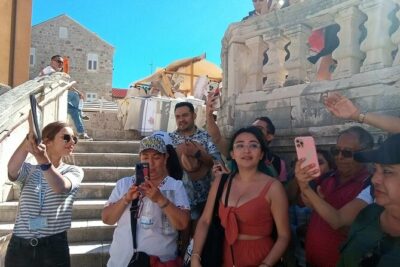
Epic Game of Thrones Tour + Lokrum & Saver Option
Read our review →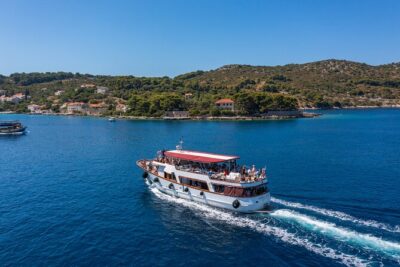
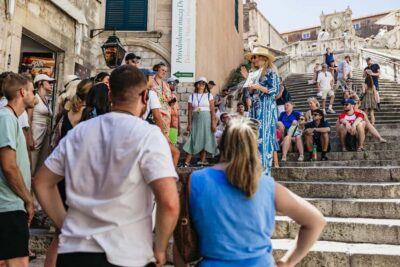
The Original Game of Thrones Tour & Lokrum Option
Read our review →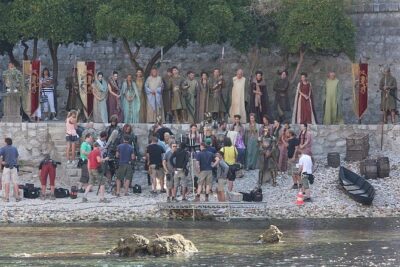
Dubrovnik Game of Thrones Tour & Optional Lokrum Island Visit
Read our review →