Reviewed · DUBROVNIK TOURS
Dubrovnik to Athens; Semi – Private tour with Tour Leader & Car
This is a big, ambitious Balkan crossing that takes you from Dubrovnik to Athens by road through seven countries. In two weeks, you’ll see Mostar’s famous bridge, Sarajevo’s layered past, the Montenegrin coast, Kosovo’s old towns, Lake Ohrid, Albania’s castles and food culture, Meteora, and much more.
I like the mix of major UNESCO sights and smaller local stops, from Bišćevića House in Mostar to a handmade paper workshop in Ohrid. I also like the small group size, with a maximum of 10 people, and the use of private transport instead of public buses. The main drawback is the pace: several days involve long drives, and some famous places, especially Meteora, may receive less time than you’d want.
Key points to know before booking
- Seven-country route: Croatia, Bosnia and Herzegovina, Montenegro, Albania, Kosovo, North Macedonia, and Greece all fit into 14 days.
- Maximum group size of 10: You get a more personal trip than on a large coach tour, with a tour leader and private vehicle.
- Excellent UNESCO coverage: Mostar, Kotor, Ohrid, Berat, Gjirokaster, Meteora, and the Decani Monastery are among the major cultural stops.
- Food is part of the experience: The Tirana food tour includes byrek, market visits, a traditional meal, and Albanian grape raki.
- Expect long road days: The route covers a lot of ground, including Kosovo to Ohrid and Meteora to Athens.
- Shared-room pricing: The $6,020.56 price is based on double, twin, triple, or quadruple occupancy in three-star hotels.
What the 14-day route really offers
The appeal here is variety. You are not spending two weeks looking at similar old towns. The route moves through Catholic, Orthodox, Muslim, Ottoman, Austro-Hungarian, Venetian, and communist-era settings.
You’ll cross several international borders, so this is not a relaxed base-and-day-trip holiday. It is a road journey with frequent changes of scenery and overnight stops. Your tour leader helps manage the practical side, while the private car or vehicle lets the group reach places that are awkward by public transport.
The route is sold with a maximum of 10 people. That matters in narrow old towns such as Kotor, Prizren, and Gjirokaster, where a large group can become cumbersome. Past groups have had guides named Sokol, Neli, Gerion, and Eri, though the assigned leader can vary. Eri was especially praised for handling narrow roads, steep routes, traffic, internet questions, and restaurant suggestions.
A few more Dubrovnik half-days to weigh up
- Blue Cave Small-Group Boat Tour from Dubrovnik
★ 5.0 · 9,360 reviews - Full-Day Dubrovnik Elaphite Islands Cruise with Lunch and Drinks
★ 5.0 · 8,823 reviews - Dubrovnik: Epic Game of Thrones Tour + Lokrum & Saver Option
★ 4.9 · 5,995 reviews
Day 1: Mostar’s bridge and an Ottoman riverside home
Your Dubrovnik pickup begins at 7:30 a.m. The local driver collects you at the nearest accessible point to your hotel, since cars cannot reach every part of Dubrovnik’s old town. You then transfer toward the border, where you meet the tour leader.
That changeover is worth understanding before you leave Dubrovnik. It is not a single hotel-to-hotel vehicle from the first minute, but a planned transfer to meet the main tour team.
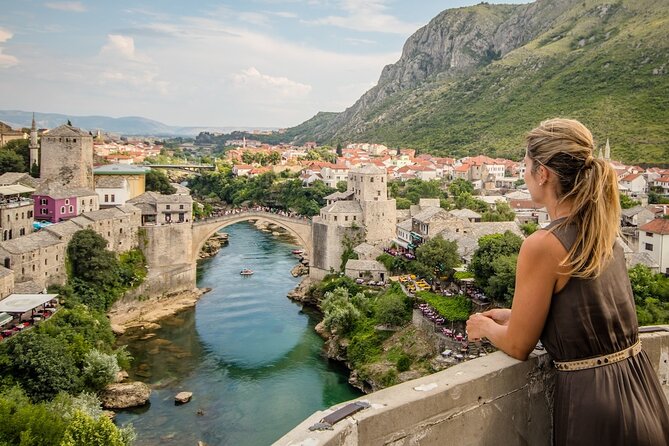
Mostar is the first major stop. Stari Most, the arched stone bridge over the Neretva River, is the visual star, but the surrounding bazaar gives the visit its character. You’ll walk cobbled lanes lined with shops, old mosques, and stone buildings. The phrase Don’t Forget appears around town, a reminder of Mostar’s wartime destruction and rebuilding.
The visit to Bišćevića Kuća adds something more intimate. This 17th-century Ottoman house shows how a wealthy family lived, with a setting beside the river and preserved residential details. Together, the bridge and house give you both the public face and the domestic side of old Mostar.
Day 2: Sarajevo from Ottoman markets to the Latin Bridge
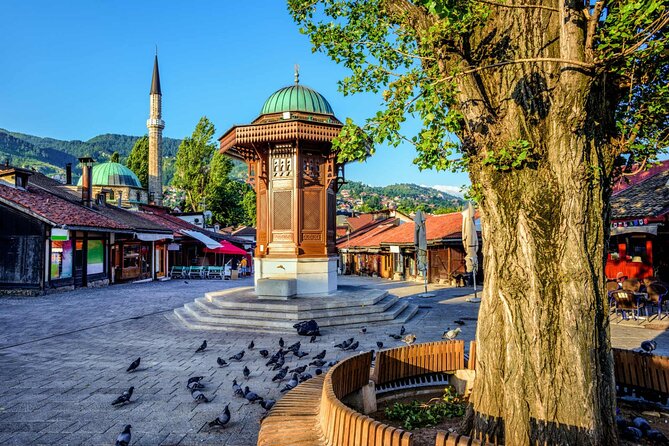
Sarajevo is one of the most rewarding stops because its past is visible in the street plan. You’ll walk through Ottoman sections with mosques and bazaars, then see Austro-Hungarian buildings, churches, and synagogues. The city has earned the nickname European Jerusalem because several faiths have long shared its urban core.
The walking is not effortless. Uneven ground and wartime ruins are part of the route, so comfortable shoes matter. Bullet holes and cannon marks remain visible in parts of the city, giving the history a direct, physical presence.
At the Latin Bridge, your guide explains the 1914 assassination that helped trigger the First World War. The bridge itself is modest, but its place in world history makes the stop memorable.
You’ll also receive Ottoman-style Turkish coffee or tea at Caffe Divan. It is a small inclusion, but a useful one. Sarajevo is best understood at street level, with time to sit, watch daily life, and let the old quarters unfold at a human pace.
Day 3: Blagaj and the maze of Kotor
Blagaj is a short but striking stop outside Mostar. The Buna River rises from a spring below a cliff, beside a small Ottoman-era town and the famous riverside tekke. The setting is peaceful, and the blue-green water gives you a welcome change from city streets.
Later, the route reaches Kotor in Montenegro. The old town is enclosed by stone walls and filled with narrow lanes that twist in seemingly random directions. The layout was designed to confuse attackers, but today it makes wandering fun.
You’ll visit St. Luke’s Church, an important symbol of unity for local people, then have free time. This is a good place to slow down, find a café, or explore beyond the guided route. The planned visit is only about two hours, so you will not have time for every lane, museum, or uphill walk.
Same stretch of coast, a completely different day out:
- Dubrovnik: Elaphiti Islands Full-Day Cruise with Lunch
★ 5.0 · 5,938 reviews - Dubrovnik: Old Town Walking Tour
★ 4.8 · 5,174 reviews - Dubrovnik: The Original Game of Thrones Tour & Lokrum Option
★ 4.8 · 5,064 reviews - Dubrovnik Game of Thrones Tour & Optional Lokrum Island Visit
★ 5.0 · 4,702 reviews
Day 4: The Montenegrin coast, Shkoder, and handmade masks
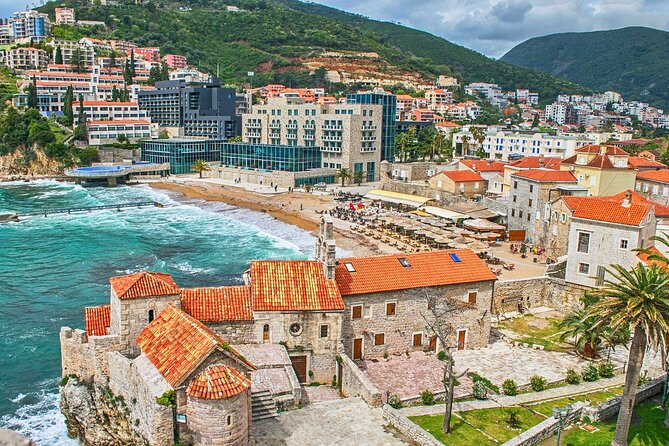
Budva offers a contrast to Kotor. It has a modern resort side with shops, bars, and newer buildings, along with a compact old town containing churches and medieval stone streets. The stop is brief, so treat it as an introduction rather than a full coastal stay.
Near Sveti Stefan, you’ll pause for photographs. The former fishing village now operates as an exclusive residential resort, and the island cannot be visited. It is still an attractive coastal view, but do not expect an island tour.
Crossing into Albania, Shkoder brings Venetian influences, old streets, and Rozafa Castle. From the hilltop, you can see the lake and the rivers flowing toward the Adriatic. The castle is more than a viewpoint. It helps explain why this city has mattered for so long.
The Venetian Mask Factory is a distinctive stop. Masks are made from papier-mâché, then painted and decorated by hand. It is a short visit, but it gives you a look at a working artistic tradition rather than another monument.
Day 5: Farm food and Prizren’s old town
Mrizi i Zanave is one of the most unusual food-related stops on the route. This slow-food farm collects and preserves regional organic produce, and old communist buildings have been adapted for storage. The farm’s growth has created jobs for more than 400 people in the surrounding area.
You have time to walk around, eat a traditional lunch at your own cost, or buy local products. I like this stop because it connects food with rural employment and practical local business, rather than treating cuisine as a staged performance.
Prizren is Kosovo’s cultural center, with a river running through the old town and bridges linking its neighborhoods. Ottoman buildings, medieval houses, and religious sites crowd the streets. The Sinan Pasha Mosque is the key interior visit, with colorful arabesque patterns.
Walk up to Kalaja Fortress for a broad view over the town. The climb is worth it, but the combination of walking, cobbles, and a hill may feel tiring after the drive. Free time in Prizren gives you a chance to look for filigree metalwork, a craft the city is known for.
Day 6: Gjakova, Decani, and Kosovo wine country
Gjakova’s old bazaar has survived repeated destruction and rebuilding. Its shops and artisan workshops offer a more everyday look at Kosovo than a formal museum does. You can watch local crafts being made and stop for a meal.
The Decani Monastery is a major cultural visit. Orthodox monks still live there and produce food such as cheese. The monastery’s 14th-century frescoes are the main reason for its UNESCO status, and they show both religious scenes and details of medieval life.
The day ends in the Rahovec Valley, Kosovo’s main wine area. Grapes have been grown here since Illyrian times, and the vineyards sit on gentle hills between 350 and 520 meters above sea level. If your timing matches the September wine festival, the valley will be especially lively, but the tour does not promise festival dates.
Day 7: Kruja and the story of Albanian resistance
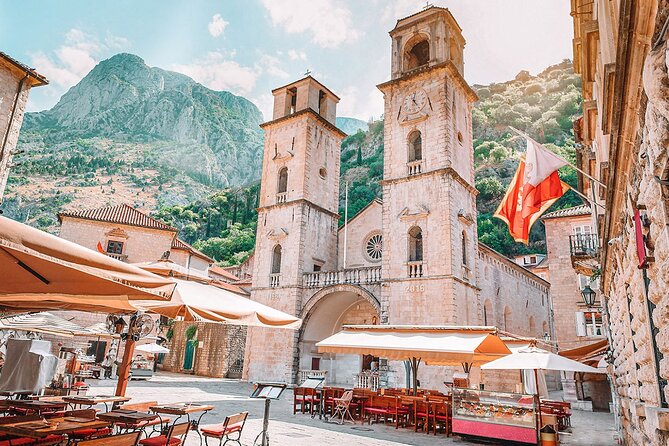
Kruja sits on rocky ground above central Albania. Its medieval bazaar is one of the oldest and largest in the Balkans, with narrow lanes and wooden-fronted shops. It is a strong place for handmade souvenirs, including carpets and jewelry.
Kruja Castle tells the story of Albanian resistance to Ottoman expansion in the 15th century. Your tour leader takes you along lesser-used paths connected with the castle’s defenses. The castle visit includes admission, while lunch and shopping are on your own.
This is a compact day, but the old bazaar and hilltop setting make Kruja feel distinct from Tirana. Allow room in your budget for purchases if you enjoy local crafts.
Day 8: Tirana through food and markets
Tirana is explored through a food-focused walk with a local companion. Come hungry. You’ll try byrek, a flaky pastry filled with choices such as cheese, meat, or spinach, then visit Çam Bazaar for produce, household goods, and everyday shopping.
At Pazari i Ri, the experience shifts toward food and neighborhood life. You’ll see colorful buildings, a market selling second-hand goods, and stalls with local ingredients. The tour includes a traditional Albanian meal and a taste of grape raki.
I consider this one of the strongest days for direct contact with daily life. It is less about checking off monuments and more about learning how people shop, eat, and spend time in the capital. Drinks, snacks, lunches, and dinners are generally not included, except for the specified Tirana food experience.
Days 9 and 10: Struga, Ohrid, and the springs of Drilon
Struga provides a short stop beside the source of the Drini River before you continue to Ohrid. Lake Ohrid and the city have UNESCO status, and the view from St. John at Kaneo is one of the trip’s classic scenes.
Ohrid’s Orthodox churches, hillside lanes, and lake views deserve more than a rushed visit. The two-night break here is welcome after the steady movement through Albania and Kosovo. Traditional houses were built on the slopes with narrow streets, tunnels, and small yards, allowing many homes a lake view.
The handmade paper workshop is a pleasant small-scale stop. You’ll see paper made with methods dating to the time of Gutenberg and can buy a sheet as a practical souvenir.
The next day begins at St. Naum Monastery, beside the springs of the Crni Drim in Galicica National Park. The water, greenery, and mountain setting make this a quieter morning than the city visits.
After crossing into Albania, Tushemisht offers contact with local sellers offering preserves, honey, herbs, and handmade goods. Drilon National Park follows, with springs feeding a small lake under willow trees. These stops are simple, scenic pauses rather than major attractions, which helps break up the driving.
Days 11 and 12: Berat, Gjirokaster, and Albanian wine
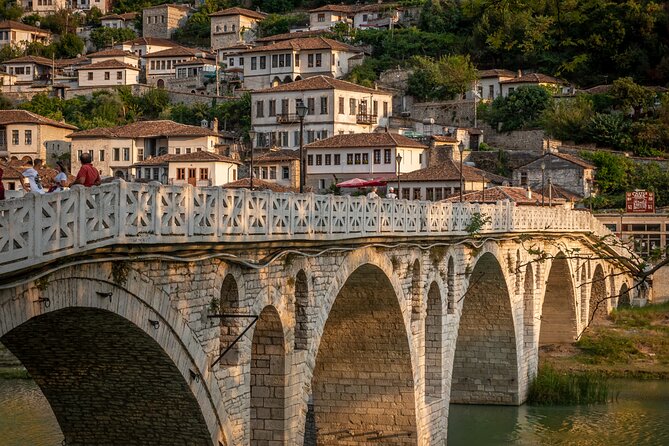
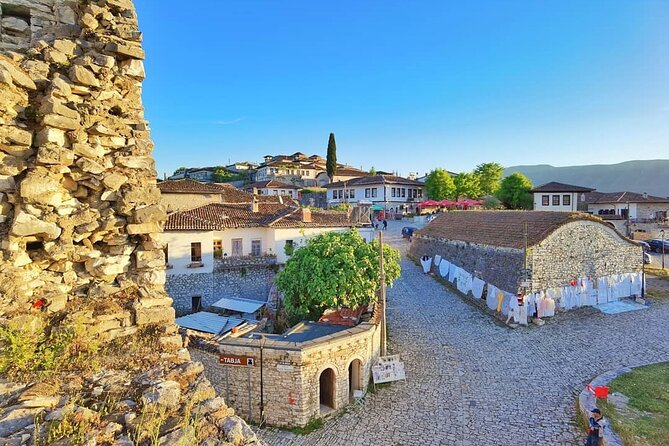
Berat is known as the town of 1,001 windows. Its white houses climb the hills in layers, while residents still live inside the castle area. The castle includes churches, mosques, and old streets, so it feels like a living neighborhood rather than a cleared monument.
The Onufri Iconographic Museum explains the work of the famous church painter and the distinctive red color associated with his paintings. Then you’ll cross the Gorica Bridge and see the neighborhood on the opposite side of the river.
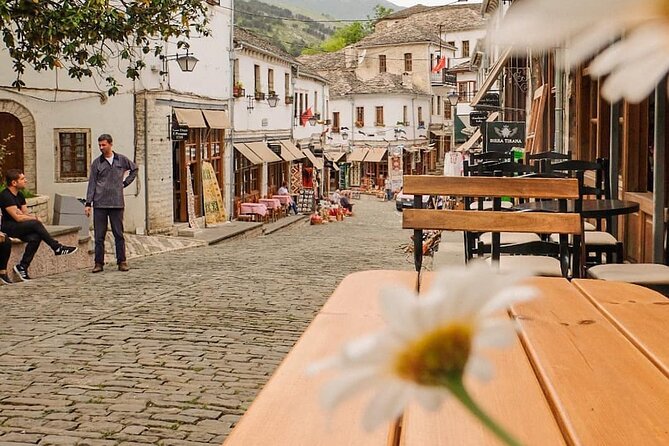
Gjirokaster is another UNESCO-listed Albanian town, but its stone architecture gives it a different mood. Houses resemble small fortresses, and the castle began in the 4th century. The bazaar below the castle is filled with narrow stone lanes and handmade crafts.
The preserved traditional house is particularly useful for understanding how people lived in this mountain town. You’ll also stop at The Barrels Winery, a family-run vineyard where lunch can be enjoyed in a rural setting. Food and drinks are not generally included, so plan for these separately.
Days 13 and 14: Ioannina, Meteora, and Athens
Ioannina introduces Greece through its Byzantine and Ottoman remains. The old town and castle contain narrow streets, historic buildings, cafés, and local food. It is a good transition from the western Balkans into northern Greece.
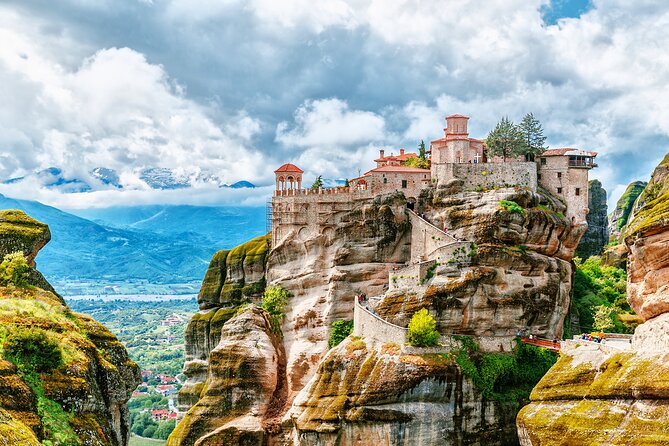
Meteora is the visual climax. Monasteries perch on towering rock formations, and the sunset visit is designed for the changing colors over the cliffs. Admission is included, but time is limited. One past group found there was not enough time to visit the mountaintop monasteries properly, so you should see this as a scenic and cultural introduction, not a full Meteora exploration.
The final day takes you to Athens by road, with hotel drop-off included. This is another long drive, and the route offers less sightseeing than earlier days. There is also an alternative ending at Igoumenitsa Port, where you take an included ferry to Corfu.
Price, hotels, and what is included
At $6,020.56 per person, this is a high-cost trip. The value depends on how much you would otherwise spend arranging border crossings, private transfers, accommodation, admissions, and local guiding across seven countries.
The price includes private transport, a professional tour leader, fuel, road taxes, international car insurance, tourist taxes, hotel pickup in Dubrovnik, hotel drop-off in Athens, entrance tickets for listed sites, and 13 breakfasts. Accommodation is described as three-star and priced around shared double, twin, triple, or quadruple rooms.
Small, family-run hotels are part of the experience. Some past stays were described as modernized historic buildings, and one group found the accommodation closer to four-star quality. Still, you should book on the understanding that this is not a luxury hotel tour.
Lunches, dinners, drinks, snacks, souvenirs, and personal spending are extra. I would budget carefully for meals, especially on days with limited free time.
Who should book this Balkan road journey?
Book it if you want a broad first look at the region and value having someone handle the driving, border crossings, parking, and local arrangements. It suits curious, active people who enjoy old towns, religious buildings, food, scenery, and history more than long stays at one resort.
Think twice if you need a slow pace, daily lie-ins, or several hours at every major monument. The Prizren to Ohrid section and the drive from Meteora to Athens are particularly demanding. Uneven streets, hills, castle paths, and long vehicle days are part of the deal.
The non-refundable booking rule also matters. You need your dates, insurance, and room arrangement settled before paying.
Final verdict
I would choose this tour for its rare geographic reach and strong local focus. The best moments are not limited to famous sights. They include coffee in Sarajevo, farm produce near Lezhe, market food in Tirana, handmade paper in Ohrid, and family wine in southern Albania.
The route is ambitious rather than leisurely. If you accept the long drives and limited time at some stops, it offers an efficient way to see a part of Europe that is still new to many visitors. If Meteora, Sarajevo, or Lake Ohrid is your main goal, book extra nights separately. If your goal is to understand how the Balkans fit together, this is a practical and memorable way to do it.
FAQ
How long is the Dubrovnik to Athens tour?
The tour lasts approximately 14 days, beginning in Dubrovnik and ending with hotel drop-off in Athens. An alternative ending is available at Igoumenitsa Port, followed by an included ferry to Corfu.
How many people can join the tour?
The maximum group size is 10 people.
What countries does the tour visit?
The route covers Croatia, Bosnia and Herzegovina, Montenegro, Albania, Kosovo, North Macedonia, and Greece.
Is accommodation included?
Yes. The package includes bed and breakfast accommodation in three-star hotels. The price is calculated on double, twin, triple, or quadruple room occupancy.
Are meals included?
Thirteen breakfasts are included. The Tirana food tour is also included, including its planned food experiences. Lunches, dinners, drinks, snacks, and personal purchases are not generally included.
Where does the tour start?
The listed meeting point is Platska ul. 7 in Dubrovnik, with pickup arranged from the nearest accessible point to your hotel within Dubrovnik Town. The start time is 7:30 a.m.
Just added around Dubrovnik
- Full- Day Private Speedboat Tour in Dubrovnik on Elaphiti Islands★ 5.0 · 21 reviews
- Wine Lover’s Tour of Peljesac Peninsula★ 5.0 · 150 reviews
- Wine tour peninsula Pelješac★ 5.0 · 3 reviews
- Elaphiti Islands Private Dubrovnik Boat Unique Experience★ 5.0 · 10 reviews
- Dubrovnik at War 1991-1992 Private Walking Tour★ 5.0 · 4 reviews
- PRIVATE Wine Tour to Konavle country side★ 5.0 · 11 reviews
- Walls of Liberty: A Self-Guided Audio Tour of Dubrovnik★ 3.5 · 3 reviews
- Parasailing in Cavtat★ 5.0 · 62 reviews
Dubrovnik Tours, compared.
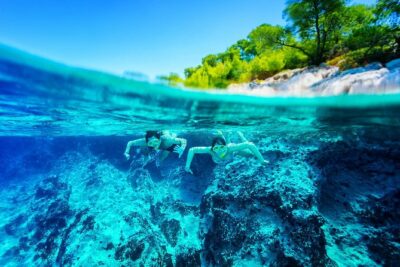
Blue Cave Small-Group Boat Tour from Dubrovnik
Read our review →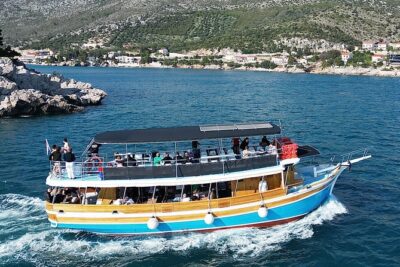
Full-Day Dubrovnik Elaphite Islands Cruise with Lunch and Drinks
Read our review →
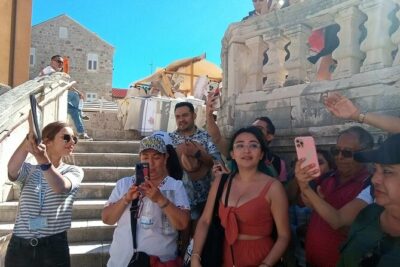
Epic Game of Thrones Tour + Lokrum & Saver Option
Read our review →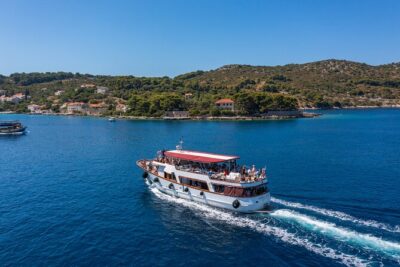
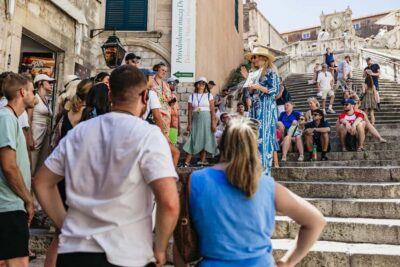
The Original Game of Thrones Tour & Lokrum Option
Read our review →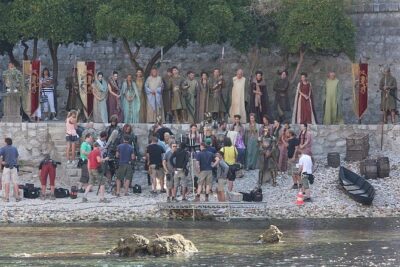
Dubrovnik Game of Thrones Tour & Optional Lokrum Island Visit
Read our review →