Reviewed · DUBROVNIK TOURS
2 hrs Guided Tour to CAVTAT a Small Place for Great Art
Cavtat’s best stories unfold away from the main Dubrovnik crowds. This two-hour walk takes you from the high ground of St. Roch Cemetery to the Račić family mausoleum, then through the old town and along the Rat Peninsula. I like the strong mix of art and local history, and I like that the route includes sea views rather than keeping you on city streets. The main thing to consider is the walking: the tour reaches a high point and includes a climb to the mausoleum, so comfortable shoes matter.
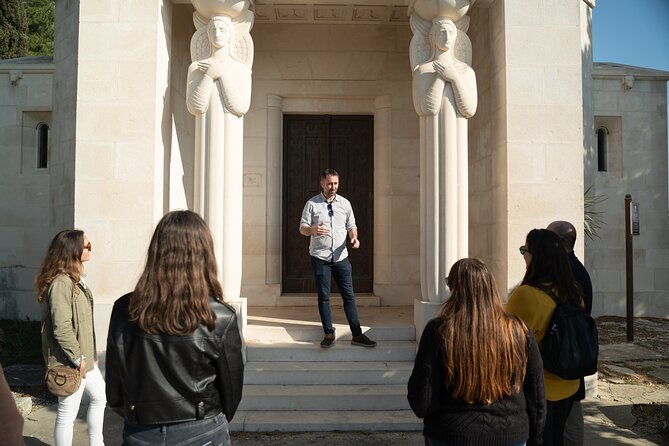
Guide Vedran Mezei brings a personal connection to the area, along with stories about Cavtat’s artists, Roman past, shipwrecks, and long ties with Dubrovnik. I also like the small-town scale: you get a focused introduction to Cavtat without giving up half a day. A maximum of 30 people is allowed, so the group may not feel intimate at the busiest size.
Key points worth knowing
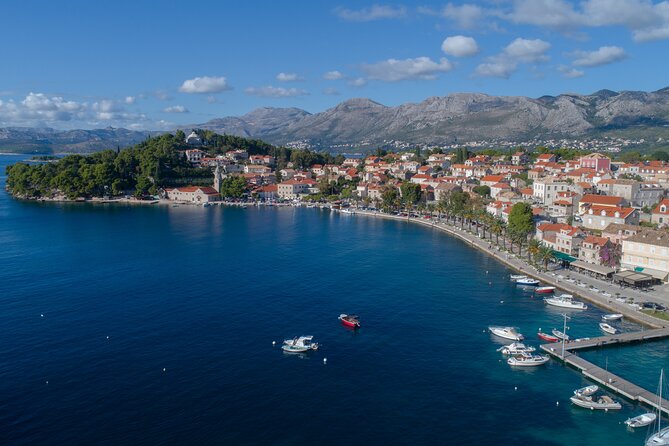
- St. Roch Cemetery sits at the top of the Rat Peninsula, offering a broad view over Cavtat and the sea.
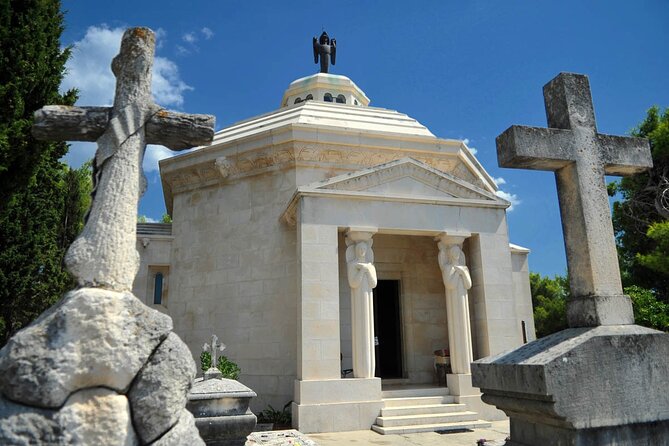
- The Račić family mausoleum was created by Croatian sculptor Ivan Meštrović, making it the tour’s strongest art stop.
- Cavtat’s story reaches back about 2,000 years, to the Roman colony of Epidaurum.
- The old town connects art, seafaring, shipwrecks, and Dubrovnik’s influence in one compact walk.
- Kari’s Walking Path is mostly shaded, a useful feature during warm Croatian weather.
- The tour costs $60.21 per person and lasts about two hours, making it a short, focused choice rather than a full-day outing.
Why Cavtat deserves time beyond Dubrovnik
Cavtat is often treated as a pleasant stop near Dubrovnik, but this tour gives you a reason to stay longer than a quick waterfront stroll. Its setting is easy to enjoy on your own, yet the details are easy to miss without someone to connect them.
The town carries several identities at once. It was once the Roman colony of Epidaurum. It later developed through seafaring and its close relationship with Dubrovnik. It also became an important setting for Croatian art, thanks to two major local figures, a painter with more than 1,000 works and a sculptor whose work shapes the visit.
That mix gives the walk useful variety. You are not simply moving from one old building to another. You are hearing why the town grew, why parts of its ancient past disappeared, and how art and the sea shaped local life.
I find the two-hour length sensible. It is long enough to give Cavtat a real identity, but short enough to fit around other plans in Dubrovnik. You can treat it as a morning outing rather than a major commitment.
A few more Dubrovnik half-days to weigh up
- Blue Cave Small-Group Boat Tour from Dubrovnik
★ 5.0 · 9,360 reviews - Full-Day Dubrovnik Elaphite Islands Cruise with Lunch and Drinks
★ 5.0 · 8,823 reviews - Dubrovnik: Epic Game of Thrones Tour + Lokrum & Saver Option
★ 4.9 · 5,995 reviews
Starting at the remains of ancient Epidaurum
The meeting point is at Šetalište Rat 2 in Cavtat, in the garden on the north side of Hotel Croatia. The area sits on the remains of ancient Epidaurus, so the tour begins with a useful sense of place rather than at a random street corner.
The start time is 10:00 a.m. That timing gives you a cooler beginning than a midday walk, though summer temperatures can still rise quickly. Bring water, wear shoes with a firm sole, and keep your hands free for photos and the occasional incline.
The tour uses a mobile ticket and is offered in English. You do not need to deal with a separate admission charge for the old town or the walking path. Admission to St. Roch Cemetery is included, while the other sections have no listed admission fee.
From the beginning, listen for the connection between Cavtat and Dubrovnik. That relationship is not just a modern transport link. The tour presents it through centuries of seafaring, trade, and shared regional history.
St. Roch Cemetery and the Račić family mausoleum
The first 30 minutes are spent at St. Roch Cemetery, the highest point on the Rat Peninsula. The immediate reward is the view. From here, Cavtat’s position becomes clear, with the town wrapped around the coast and the sea shaping nearly every direction you look.
The cemetery also gives the guide a quiet setting for stories about prominent Cavtat citizens. It is not only a scenic overlook. It is a place tied to local families, memory, and the people who helped shape the town.
The main artistic feature is the Račić family mausoleum, designed by Ivan Meštrović, one of Croatia’s best-known sculptors. The building is described as an architectural work about love and death, which gives the stop more weight than a standard cemetery visit.
I like this part because it joins several subjects at once. You get a view, local genealogy, Croatian sculpture, and a place that asks you to slow down. Meštrović’s name also gives you a helpful thread for understanding how Cavtat became important in the country’s art story.
The practical drawback is the height. The cemetery is reached as part of a walking route, and the mausoleum is approached by an easy but uphill walk. If you have limited mobility, ask about the walking pace before setting out. The available information says most people can participate, but it does not promise a step-free route.
Cavtat Old Town and its two major artists
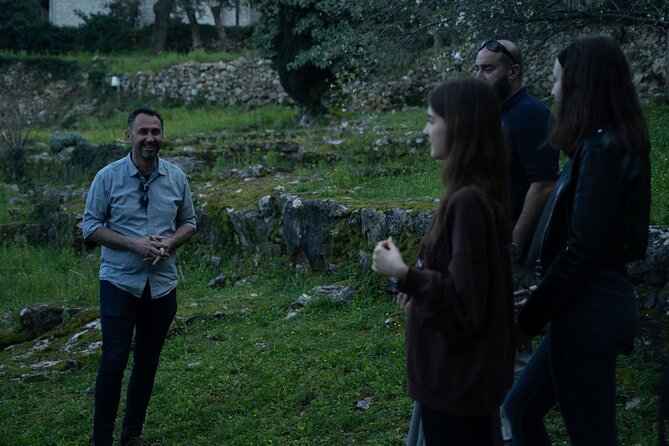
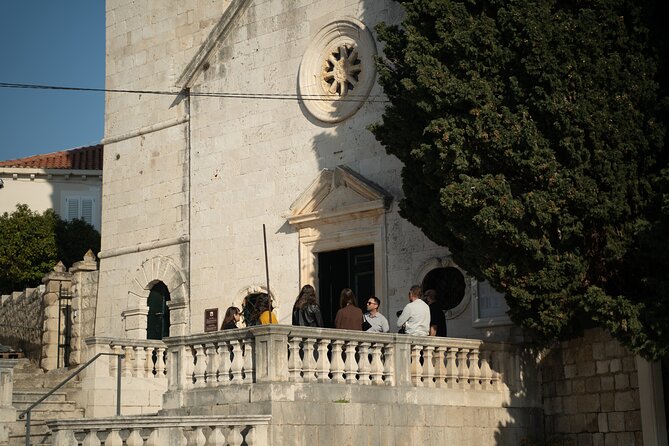
The old town section lasts about an hour, making it the core of the experience. Here, the focus shifts from the cemetery and mausoleum to the people and events that gave Cavtat its cultural importance.
Two Croatian artists are central to the story. One was a distinctive painter who produced more than 1,000 works. The other was a sculptor whose architectural work is represented by the Račić mausoleum. Together, they helped turn a small coastal town into an important creative center in Croatia.
This is where a guided walk earns its price. You can see streets, stone buildings, and the waterfront without help, but you are less likely to understand why the town mattered to Croatian culture. A good explanation turns familiar scenery into a series of connections.
The tour also reaches back roughly 2,000 years to Roman Epidaurum. You learn about the colony’s demise and why so few visible traces remain. That is an important point for setting expectations. Cavtat has an ancient past, but it is not presented as a large open-air Roman site filled with standing ruins.
Instead, the Roman story is part of the town’s deeper foundation. The lack of obvious remains becomes part of the mystery: a major settlement existed here, then later changes and destruction left only limited physical evidence.
The old town talk also includes stories of shipwrecks in front of Cavtat Port. These tales add a practical side to the town’s maritime past. The port was not only a pretty place for boats and waterfront meals. It was part of a working seafaring world where journeys could end badly.
You may find this section especially useful if you like history presented through human events rather than dates alone. The combination of Roman beginnings, local artists, wrecks, and Dubrovnik ties keeps the hour from becoming a dry lecture.
Same stretch of coast, a completely different day out:
- Dubrovnik: Elaphiti Islands Full-Day Cruise with Lunch
★ 5.0 · 5,938 reviews - Dubrovnik: Old Town Walking Tour
★ 4.8 · 5,174 reviews - Dubrovnik: The Original Game of Thrones Tour & Lokrum Option
★ 4.8 · 5,064 reviews - Dubrovnik Game of Thrones Tour & Optional Lokrum Island Visit
★ 5.0 · 4,702 reviews
Kari’s Walking Path around the Rat Peninsula
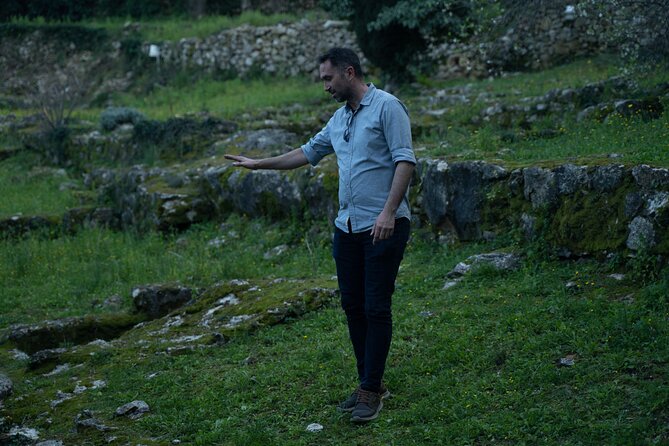
The final 30 minutes follow Kari’s Walking Path around the Rat Peninsula. This is the tour’s most relaxed section, with a promenade beside the sea that is mostly shaded.
The path shows why the peninsula matters to Cavtat. On one side, you get the water and the practical importance of the port. On the other, the route leads toward the mausoleum and offers an easier approach than a direct, hurried climb.
The shade is a real advantage in Croatia’s warmer months. It does not remove the need for water or sun protection, but it makes the walk more comfortable than a fully exposed route. The sea views also give the tour a welcome change of pace after the cemetery and old town explanations.
This path helps explain Cavtat’s long connection with Dubrovnik. From the water, the town’s relationship with ships and coastal movement is easier to picture. You are not just hearing about seafaring in a room or on a narrow lane. You are walking beside the setting that made it possible.
The route ends at Spinaker Restaurant & Lounge Bar, at Frankopanska ul. 10. The listed end point is in Cavtat, so you finish in the same general town area rather than being taken back to Dubrovnik.
What the guide adds to the experience
Vedran Mezei is the named guide associated with this Cavtat experience. His approach, based on the available descriptions, centers on local pride, historical detail, humor, and careful attention to walking pace.
That last point matters. A walking tour is much better when the guide allows time for questions and photos instead of racing from one stop to the next. The tour is scheduled for two hours, with 30 minutes at the cemetery, one hour in the old town, and 30 minutes around the peninsula. Those time blocks suggest a steady walk with room for explanation.
Vedran is also linked with tours in nearby Mlini, so he brings a wider view of the Dubrovnik region. That can help when the conversation turns to the relationship between Cavtat and Dubrovnik. You are not getting only an isolated town story. You are hearing how Cavtat fits into the surrounding coast.
The group limit is 30 people. That is small enough to keep the route manageable, but it is not a private tour. If the group reaches its maximum, you may need to stay close to hear every detail, especially on the waterfront.
Is $60.21 a fair price?
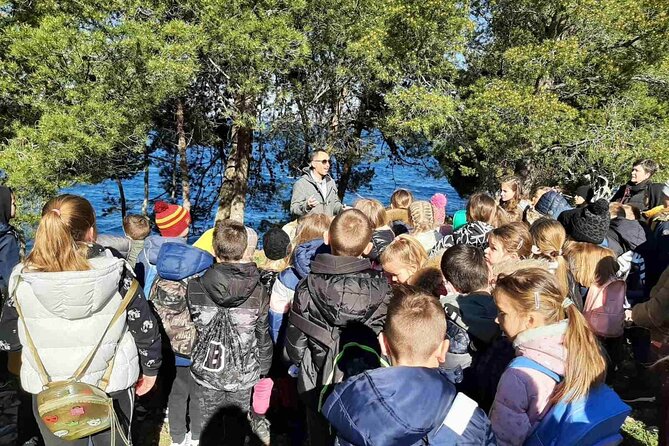
At $60.21 per person, this is not the cheapest way to walk around Cavtat. You can stroll the waterfront and old town without paying an admission fee. The value comes from the interpretation, the planned route, and the links between places that might otherwise seem separate.
You are paying for more than a short history talk. The price includes entry to St. Roch Cemetery, access to a guide who explains the Račić mausoleum, and a structured route through the old town and around the peninsula. You also avoid spending your limited time working out what to see first.
I think the price makes the most sense for three types of visitor:
- You are staying in or near Cavtat and want a clear introduction on your first morning.
- You are based in Dubrovnik and want a compact cultural outing without committing to a full-day tour.
- You care about art, local history, and seafaring stories, not just coastal views.
It makes less sense if you only want a casual walk or if you already have a strong understanding of Cavtat’s artists and Roman past. In that case, you may prefer to explore independently and spend the money on a meal or museum visit.
The strongest value is the way the guide combines subjects. The cemetery is not treated as a separate attraction, and the sea walk is not filler. Each section supports the next.
Who should book this two-hour walk?

I would choose this tour for an adult visitor who wants context without a long, demanding excursion. It also suits families with older children who can manage a moderate walk and appreciate stories about artists, ancient settlements, and shipwrecks.
The route is useful for first-time visitors because it gives you an outline of Cavtat quickly. Afterward, you can return to the waterfront, spend more time at the places that caught your interest, or simply enjoy the town with a better sense of what you are seeing.
It is also a good choice for anyone who finds large city tours tiring. Cavtat’s scale keeps the experience focused, and the shaded peninsula path adds a calm outdoor stretch. Still, do not mistake two hours for a completely flat, effortless walk. The cemetery is at the peninsula’s high point, and the mausoleum involves a climb.
The available information says service animals are allowed, the meeting area is near public transportation, and most people can participate. No specific details are provided about wheelchairs, strollers, toilets, or hotel pickup, so ask before booking if any of those points affect your plans.
Booking details and cancellation
You receive confirmation at the time of booking. The tour starts at 10:00 a.m., uses a mobile ticket, and is conducted in English.
You can cancel for a full refund if you do so at least 24 hours before the local start time. Cancellations or changes made within 24 hours are not accepted for a refund. That policy is fairly standard, but keep it in mind if your Dubrovnik plans depend on weather or changing ferry and bus times.
Should you book the Cavtat art and history tour?
Book it if you want Cavtat to become more than a pretty seaside stop. The combination of the Meštrović mausoleum, the Roman Epidaurum story, local painters, shipwrecks, and the shaded Rat Peninsula walk gives you a well-shaped introduction in only two hours.
I would be more cautious if steep sections are difficult for you, if you prefer a fully private experience, or if you mainly want free time by the water. The group can reach 30 people, and the route includes an uphill section.
For most visitors who want a short, thoughtful look at Cavtat, the tour offers solid value. You leave with a clearer idea of how art, the sea, ancient settlement, and Dubrovnik all meet in this small town.
FAQ
Where does the Cavtat tour begin?
It begins at Šetalište Rat 2, 20210 Cavtat, Croatia, in the garden on the north side of Hotel Croatia, on the remains of ancient Epidaurus.
What time does the tour start?
The tour starts at 10:00 a.m.
Where does the tour end?
It ends at Spinaker Restaurant & Lounge Bar, Frankopanska ul. 10, 20210 Cavtat.
How long does the experience last?
The guided tour lasts approximately two hours.
What language is the tour offered in?
The tour is offered in English.
How much does the tour cost?
The listed price is $60.21 per person.
What will I see at St. Roch Cemetery?
You will visit the cemetery at the highest point of the Rat Peninsula, see views of Cavtat, hear stories about prominent local citizens, and visit the Račić family mausoleum by Ivan Meštrović.
Does the tour include Cavtat’s Roman past?
Yes. The old town section covers Cavtat’s origins as the Roman colony of Epidaurum, its decline, and why few traces remain.
Is the tour suitable for most people?
The activity information says most people can participate. It includes walking to a high point and a leisurely climb to the mausoleum, so you should consider your comfort with those sections.
How large can the group be?
The tour can have a maximum of 30 participants.
Are service animals allowed?
Yes, service animals are allowed.
Can I cancel for a full refund?
Yes, if you cancel at least 24 hours before the experience starts. Cancellations and changes made less than 24 hours before the start time are not accepted for a refund.
Just added around Dubrovnik
- Full- Day Private Speedboat Tour in Dubrovnik on Elaphiti Islands★ 5.0 · 21 reviews
- Wine Lover’s Tour of Peljesac Peninsula★ 5.0 · 150 reviews
- Wine tour peninsula Pelješac★ 5.0 · 3 reviews
- Elaphiti Islands Private Dubrovnik Boat Unique Experience★ 5.0 · 10 reviews
- Dubrovnik at War 1991-1992 Private Walking Tour★ 5.0 · 4 reviews
- PRIVATE Wine Tour to Konavle country side★ 5.0 · 11 reviews
- Walls of Liberty: A Self-Guided Audio Tour of Dubrovnik★ 3.5 · 3 reviews
- Parasailing in Cavtat★ 5.0 · 62 reviews
Dubrovnik Tours, compared.

Blue Cave Small-Group Boat Tour from Dubrovnik
Read our review →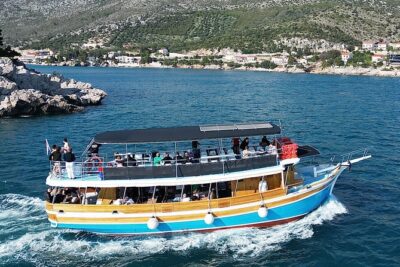
Full-Day Dubrovnik Elaphite Islands Cruise with Lunch and Drinks
Read our review →
Epic Game of Thrones Tour + Lokrum & Saver Option
Read our review →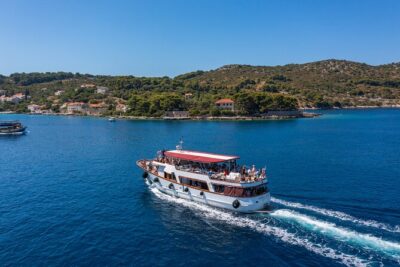
The Original Game of Thrones Tour & Lokrum Option
Read our review →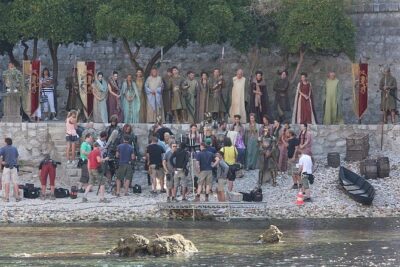
Dubrovnik Game of Thrones Tour & Optional Lokrum Island Visit
Read our review →