Reviewed · DUBROVNIK TOURS
Small Group Tour; Balkans & Central Europe – Dubrovnik to Vienna
This is a cross-border history and city tour that links the Adriatic with Central Europe in 10 busy days. You begin in Dubrovnik and move through Bosnia and Herzegovina, Serbia, Hungary, Slovakia, and Austria, with major stops at Mostar’s Old Bridge, Sarajevo, Belgrade Fortress, Buda Castle, and Bratislava Castle. I like the small maximum of 10 people and the hotel-to-hotel convenience. I also like the mix of major cities and less-visited stops such as Zvornik, Sremski Karlovci, and Győr.
There is one serious point to settle before you pay: the tour summary promises a two-day Komani Lake and Valbona Valley hiking adventure in Albania, but the supplied 10-day schedule never visits Albania. The included costs also say breakfast only, while the overview says meals are included. Ask the operator to confirm the exact route and inclusions in writing.
Key points to know before booking
- Dubrovnik to Vienna in 10 days: You cross several borders while seeing Bosnia and Herzegovina, Serbia, Hungary, Slovakia, and Austria.
- A maximum of 10 people: This is small enough for a more personal tour than a large coach trip.
- Strong city-and-history mix: Mostar, Sarajevo, Belgrade, Budapest, and Bratislava receive guided visits, with time left for your own exploring.
- 3-star hotels and breakfast: Accommodation, tourist taxes, road costs, petrol, and international car insurance are listed as included.
- A major Albania discrepancy: Komani Lake and Valbona Valley appear in the headline material but nowhere in the day-by-day route.
- Long touring days: Some stops are short, and several days involve substantial road travel and border crossings.
What this 10-day route is really offering
I would think of this as a private-style regional road trip, not a slow holiday in one country. You spend enough time in each city to get an introduction, but not enough to explore every museum, neighborhood, or meal at leisure.
The route has a clear theme. It moves from Ottoman and Austro-Hungarian influences in the western Balkans toward the grand boulevards and castles of Central Europe. Along the way, you see places shaped by empire, religion, war, trade, and the Danube.
The small group matters. With no more than 10 people, getting in and out of the vehicle should be easier than on a full-size coach. The tour leader can also suggest ways to use your free time. Published comments specifically praise guides named Bilbil, Mira, Sokol, Armando, and Ani for being friendly, helpful, and flexible, but you should not assume any one of them will lead your departure.
The price is listed as $3,773.83 per person. That is a substantial amount, but it covers nine nights or close to that number of overnight stays, a professional tour leader, transport costs, breakfast, selected entrance tickets, road charges, petrol, and hotel pickup and drop-off. The value depends heavily on the final room arrangement and on whether the advertised Albania section is part of your booking.
The price is calculated for double, twin, triple, or quadruple occupancy in 3-star hotels. A solo traveler should confirm if a single-room supplement applies, since no single-occupancy price is provided.
A few more Dubrovnik half-days to weigh up
- Blue Cave Small-Group Boat Tour from Dubrovnik
★ 5.0 · 9,360 reviews - Full-Day Dubrovnik Elaphite Islands Cruise with Lunch and Drinks
★ 5.0 · 8,823 reviews - Dubrovnik: Epic Game of Thrones Tour + Lokrum & Saver Option
★ 4.9 · 5,995 reviews
Day 1: Dubrovnik to Mostar and the blue spring at Blagaj
Your morning begins early, with pickup at your Dubrovnik hotel at 7:00. A local driver takes you to the border, where you meet the tour leader. This handoff is worth understanding in advance because the first part of the morning is transport rather than sightseeing.
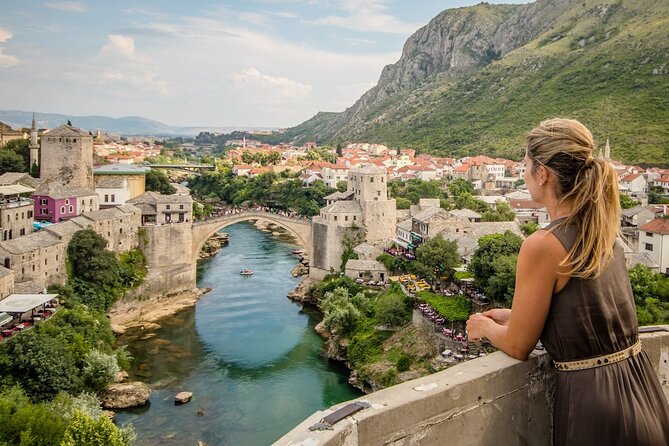
The first major stop is Mostar, one of the trip’s strongest opening scenes. The famous Old Bridge, Stari Most, crosses the Neretva River and is recognized as a UNESCO World Heritage site. You have about an hour at the bridge, followed by another hour walking through the Old Bazaar.
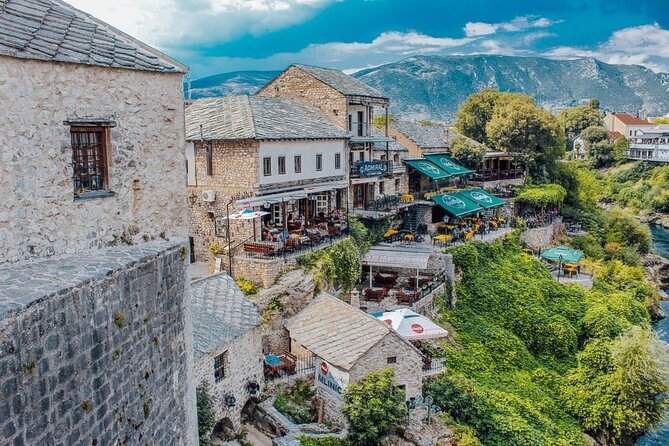
The old quarter is built for wandering. Cobblestone lanes, old mosques, Turkish-style market streets, and newer buildings sit close together. Markers around town carrying the words Don’t Forget recall the city’s painful recent past. Your guide can add context, but you also get time to look closely at the stones, shopfronts, and river views.
Blagaj adds a quieter change of pace. The Blagaj tekija, or monastery, sits below a cliff beside the spring of the Buna River. The water and setting make this a different sort of stop from Mostar’s busy bridge area. Admission is included.
You then return to Mostar for about an hour of free time. That is not long for such an interesting city, so I would use it for one clear purpose: a short meal, a closer look at the bazaar, or photos from the bridge area. Do not expect a full Mostar visit on this schedule.
Day 2: Sarajevo, Ottoman streets and the Latin Bridge
After breakfast, you drive from Mostar to Sarajevo. The day includes walking on uneven ground and visits to wartime ruins, so comfortable shoes are important. The schedule gives about an hour for the main Sarajevo visit, another hour at the Latin Bridge, and another hour of free time.
Sarajevo is particularly rewarding because several layers of the city sit side by side. You see Ottoman markets and mosques, Austro-Hungarian architecture, churches, and synagogues. The tour presents Sarajevo as a meeting point of different faiths and traditions, a theme you can spot in the streets rather than only hear about from the guide.
Bullet holes and cannon marks remain visible in parts of town. The route also covers the medieval Bosnian Kingdom and Sarajevo’s origins, so the stop is not limited to twentieth-century conflict.
The Latin Bridge is the key historical point. It connects the right bank of the Miljacka River with the former Catholic quarter known in Ottoman times as Latinluk. The bridge is linked to the assassination that helped trigger the First World War.
You have free time to try local food and desserts. The schedule does not include lunch or dinner, so budget separately for meals. Sarajevo is one of the places where I would protect that free hour for eating instead of treating it as spare sightseeing time.
Day 3: Zvornik and Belgrade Fortress
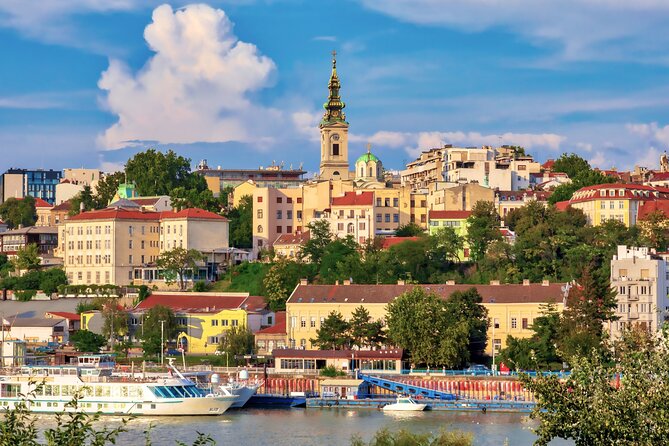
The route continues toward Serbia, with a stop in Zvornik along the Drina River. You get about an hour to eat lunch, walk through the town, or simply stretch your legs. This is a useful break between larger city visits, though the short timing means it functions more as a pause than a full tour.
Later, Belgrade provides a larger dose of Serbian capital-city life. The main visit focuses on Belgrade Fortress and Kalemegdan Park, located where the Sava and Danube meet. The high position gives you broad views over the rivers and the city.
The Pobednik monument in the Upper Town dates to 1913. After the fortress, you walk through Knez Mihailova, a central pedestrian street, toward Republic Square. The two-hour visit gives you a good first orientation, but it leaves little room for museums or detailed indoor visits.
Belgrade works well in this kind of trip because the fortress supplies history and views, while Knez Mihailova shows the city’s everyday social side. I would note down places you want to revisit during the free evening, if the hotel location and timing allow it.
Same stretch of coast, a completely different day out:
- Dubrovnik: Elaphiti Islands Full-Day Cruise with Lunch
★ 5.0 · 5,938 reviews - Dubrovnik: Old Town Walking Tour
★ 4.8 · 5,174 reviews - Dubrovnik: The Original Game of Thrones Tour & Lokrum Option
★ 4.8 · 5,064 reviews - Dubrovnik Game of Thrones Tour & Optional Lokrum Island Visit
★ 5.0 · 4,702 reviews
Day 4: Sremski Karlovci and Serbia’s wine country
Sremski Karlovci is a fine choice for a slower day. The small town is known for its Baroque center, Serbian cultural importance, spiritual institutions, and wine cellars. The three-hour stop is longer than many earlier visits, giving you time to look at the buildings rather than simply check off a viewpoint.
The Four Lions fountain carries a local legend: anyone who drinks from it will return to Karlovci and marry there. You can decide how seriously to take the promise, but it adds a touch of local character to the town square.
You have free time to taste regional wine specialties and enjoy views toward the vineyards. Since wine tasting is not clearly listed as included, ask whether tastings are extra. The same applies to any food served with them.
This stop is valuable because it breaks up the sequence of capitals and large urban centers. It also gives you a closer look at Serbia’s cultural life outside Belgrade. If you prefer major landmarks and museums, though, the day may feel quiet.
Day 5: Novi Sad and Petrovaradin Fortress
After breakfast, you tour Novi Sad, described as the cultural capital of northern Serbia. The city reflects its position near the former border of the Ottoman and Austro-Hungarian worlds. You can see those influences in the architecture, religious buildings, and street plan.
The main walk includes the pedestrian streets Zmaj Jovina and Dunavska, with free time to explore independently. The standout sight is Petrovaradin Fortress, sometimes called the Gibraltar on the Danube. Its position gives the tour another strong viewpoint and a chance to understand Novi Sad’s strategic past.
The schedule allows about three hours here and lists an overnight in Novi Sad. That overnight is useful. It means you are not forced to see the city only as a quick roadside stop, and you may have a little breathing room after several driving days.
Still, the tour remains tightly planned. If you want to visit specific galleries, churches, or fortress interiors, check what is actually covered by the guide. The listed entry tickets apply to sites that will be visited, but not every attraction in each city.
Day 6: Subotica, then across to Budapest
Subotica is known for its Austro-Hungarian architecture, colored façades, multicultural character, food, and wine. The center is organized around City Hall, the park, fountains, and a large square rather than a single dominant cathedral.
The tour also visits the Cathedral of St. Teresa of Avila and the Synagogue. You then get time for coffee and independent exploring. The three-hour stop is enough for a pleasant introduction, especially if you enjoy architecture and café breaks, but it is not a full cultural visit.
Later, you cross into Hungary and continue to Budapest. The stated transfer time is only 30 minutes, but border and traffic conditions can affect the day. As with every international road tour, keep important medication and documents with you rather than packed away.
Day 7: Budapest from Buda Castle to the Danube
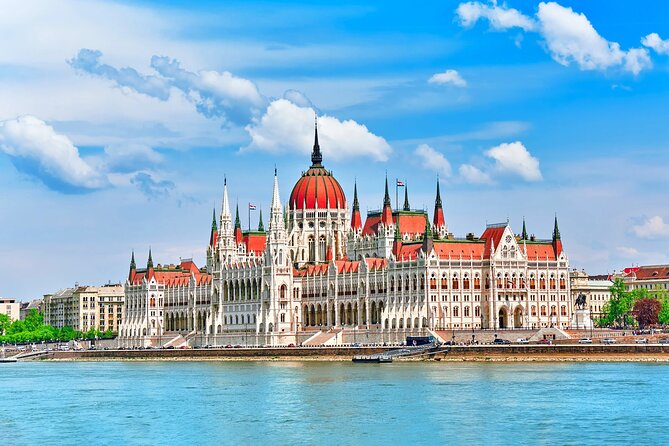
Budapest receives one of the fuller sightseeing days. The guided route includes St. Stephen’s Basilica, the Opera, Parliament, Heroes’ Square, and Fisherman’s Bastion. These sights cover several architectural periods, from Neoclassical and Baroque work to Art Nouveau details.
The city is divided by the Danube into Buda and Pest. The tour helps you see both sides, then focuses on Buda Castle, a UNESCO World Heritage site and one of Budapest’s defining landmarks. The castle entry is included.
Fisherman’s Bastion is especially useful for views across the river toward Parliament. You also cross bridges and walk through Baroque-style streets before getting a free evening.
Budapest is too large for a complete visit in one day, but the schedule gives you a sensible first look. Use the free evening for the part of the city that interests you most. The tour does not include dinner, drinks, or snacks, so you can choose your own meal and pay directly.
Day 8: Győr’s churches, town hall, and pedestrian streets
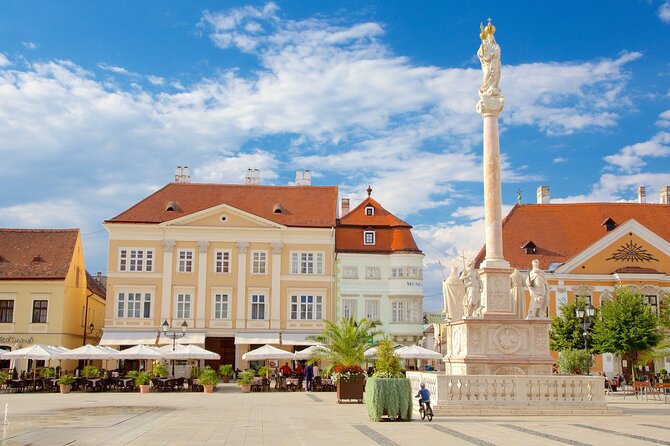
Győr, known as the City of Rivers, is a pleasant contrast to Budapest. The center has Baroque buildings, churches, and multicolored homes. The visit begins with a short orientation, followed by a longer walk through the historic center.
The 59-meter Town Hall tower, with its green top, is an easy landmark to spot. The tour also points out the Cathedral of the Virgin Mary, said in the schedule to have Roman-style origins in the eleventh century, and the Győr Synagogue with its large gray dome.
Baross Gábor Way is the practical part of the stop. It is pedestrian-only and lined with cafés, shops, bars, and restaurants. You get an hour for food or a drink, including the chance to try Hungarian dishes and the locally noted blueberry beer. The food and drink are not included.
Later, you drive to Bratislava. Again, the stated transfer is short, but the day includes several stops, so you should be ready for a full schedule.
Day 9: Bratislava Old Town and the castle hill
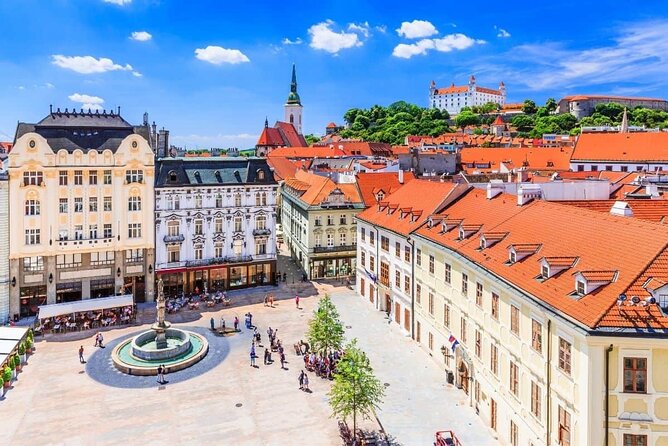
Bratislava is compact enough to work well as the final major sightseeing day. The Old Town Hall introduces the city’s older center, while the churches, cultural institutions, embassies, and Slovak government buildings show how much of the capital’s public life is concentrated in this area.
Michael’s Gate is the only surviving gate from the medieval fortifications. The half-hour stop is brief, but it gives you a clear landmark and a natural route through the old town.
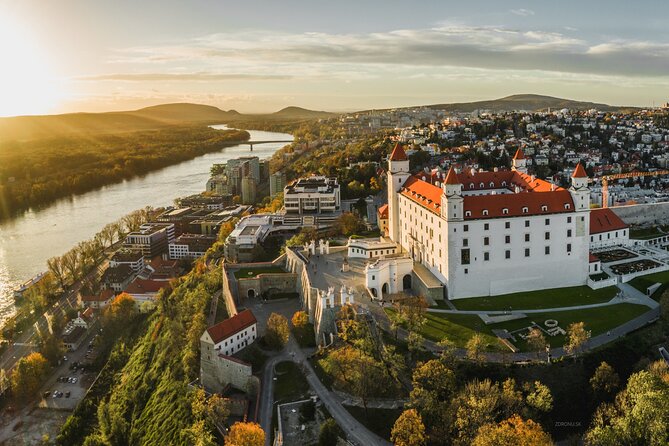
You then walk uphill to Bratislava Castle, which overlooks the Danube. The castle entry is included, and the hilltop view is one of the day’s best photo opportunities. Allow for the uphill walk when judging your energy, particularly after more than a week of touring.
The afternoon returns you to the center for free time. The tour highlights Bratislava’s traditional café culture, so this is a good place to slow down with coffee rather than add another rushed sight.
Day 10: Drop-off in Vienna
The final day is mainly a transfer. Your tour leader drops you at your Vienna hotel, marking the end of the route. The information provided does not give a sightseeing program in Vienna, so plan your Vienna visits separately.
Hotel drop-off is a real convenience if you are continuing on your own. Confirm the expected arrival time, since no precise transfer duration is supplied and the route may be affected by weather, strikes, holidays, closures, or other outside events.
What is included, and where the value gets less clear
The package includes 3-star accommodation with breakfast, a professional tour leader, Dubrovnik hotel pickup, Vienna hotel drop-off, listed entrance tickets, international car insurance, tourist taxes, road taxes, and petrol.
Lunch, dinner, drinks, snacks, souvenirs, and personal spending are excluded. That matters because this is a road trip with several full days. You will need a separate food budget and may also pay extra for wine tasting or other activities not named in the inclusions.
The strongest value comes from having the driving, border routes, hotels, and major transfers organized across several countries. The weakest point is the unclear food promise. The overview refers to meals, while the detailed inclusions specify breakfast and the exclusions remove lunch and dinner.
The non-refundable policy is strict. You cannot change or cancel for a refund, so I would not book until the Albania question, hotel occupancy, meal plan, and exact departure date are clear.
Fitness, group size, and the pace of the trip
The tour requires moderate physical fitness. Most city walks are manageable, but Sarajevo includes uneven terrain, and Bratislava Castle involves an uphill walk. You should also be comfortable spending many hours in a vehicle and moving hotels often.
A maximum of 10 people is one of the tour’s better features. It should make communication easier and may allow the guide to respond to individual interests. Tips are not required, but the operator recommends tipping the tour leader or driver for good service.
I would recommend this for someone who wants a guided introduction to several countries and prefers not to handle border crossings, road planning, and hotel changes alone. I would not choose it if you want long stays, extensive museum time, or a relaxed daily rhythm.
Should you book this Dubrovnik to Vienna tour?
Book it if the confirmed route matches the 10-day schedule, you enjoy fast-moving road trips, and you value having transport and accommodation arranged across the Balkans and Central Europe.
Hold off if the Albanian Alps hike is the main reason you are interested. The supplied schedule goes from Dubrovnik through Bosnia and Herzegovina, Serbia, Hungary, and Slovakia, with final drop-off in Vienna. It does not show Komani Lake or Valbona Valley.
Before committing $3,773.83, ask for a written day-by-day confirmation, the hotel list, the exact meal plan, and the room supplement for solo occupancy. Once those points are settled, this can be a practical way to cover a wide stretch of southeastern Europe with a small group and a helpful local escort.
FAQ
Where does the tour begin?
The tour begins in Dubrovnik, Croatia, with hotel pickup at 7:00 am.
Where does the tour end?
The tour ends with hotel drop-off in Vienna, Austria.
How long is the experience?
The tour lasts approximately 10 days.
What countries are included in the day-by-day route?
The listed route includes Croatia, Bosnia and Herzegovina, Serbia, Hungary, Slovakia, and Austria.
Is hotel pickup included?
Yes. Hotel pickup in Dubrovnik is included.
Is hotel drop-off included?
Yes. The tour leader drops you at your hotel in Vienna.
What type of accommodation is provided?
The package includes 3-star hotel accommodation, with prices based on double, twin, triple, or quadruple room occupancy.
Is breakfast included?
Yes. Breakfast is included for the overnight stays.
Are lunch and dinner included?
No. Lunch, dinner, drinks, and snacks are listed as excluded.
How many people can join the group?
The group has a maximum of 10 participants.
Does the tour include Albania?
The tour summary mentions a two-day Komani Lake and Valbona Valley hiking adventure, but the supplied 10-day schedule does not include Albania. Confirm this directly with Choose Balkans before booking.
Just added around Dubrovnik
- Full- Day Private Speedboat Tour in Dubrovnik on Elaphiti Islands★ 5.0 · 21 reviews
- Wine Lover’s Tour of Peljesac Peninsula★ 5.0 · 150 reviews
- Wine tour peninsula Pelješac★ 5.0 · 3 reviews
- Elaphiti Islands Private Dubrovnik Boat Unique Experience★ 5.0 · 10 reviews
- Dubrovnik at War 1991-1992 Private Walking Tour★ 5.0 · 4 reviews
- PRIVATE Wine Tour to Konavle country side★ 5.0 · 11 reviews
- Walls of Liberty: A Self-Guided Audio Tour of Dubrovnik★ 3.5 · 3 reviews
- Parasailing in Cavtat★ 5.0 · 62 reviews
Dubrovnik Tours, compared.
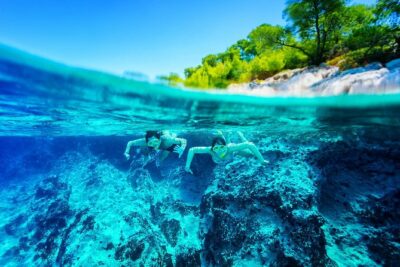
Blue Cave Small-Group Boat Tour from Dubrovnik
Read our review →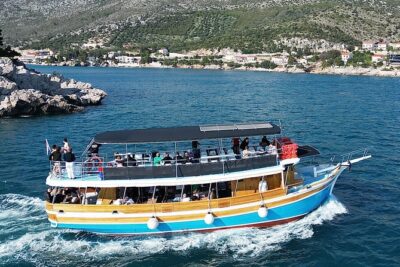
Full-Day Dubrovnik Elaphite Islands Cruise with Lunch and Drinks
Read our review →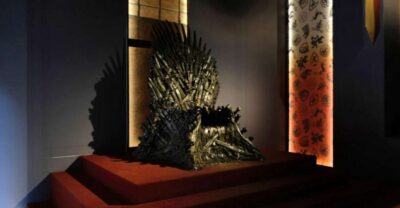
Epic Game of Thrones Tour + Lokrum & Saver Option
Read our review →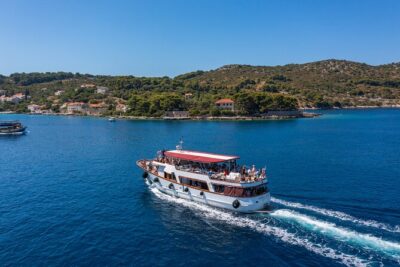
The Original Game of Thrones Tour & Lokrum Option
Read our review →
Dubrovnik Game of Thrones Tour & Optional Lokrum Island Visit
Read our review →