
Reviewed · HVAR TOURS
Back to the Roots – Ancient Island Interactive Experience
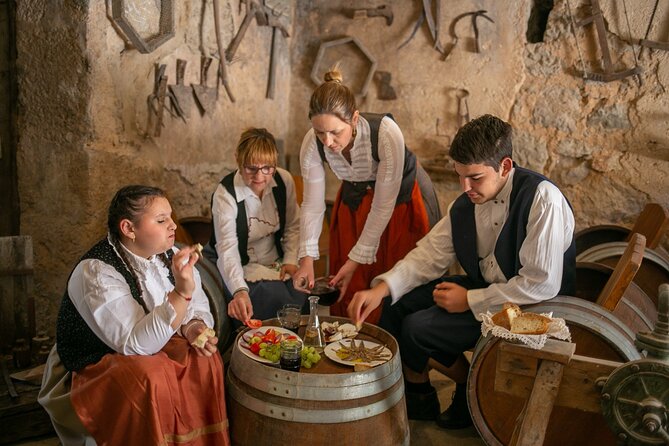
At Terra Arhaica in Vrisnik, you do not simply look at old tools behind glass. You grind wheat, press grapes, handle a fishing net, salt fish, and learn how a 150-year-old family home worked from morning to night. The past becomes something you can touch, smell, and eat.
I like the warm family welcome from Lana, Magdalena, and Jaksa, and I like the way the food connects every activity to real island life. Fresh bread with olive oil, garden vegetables, salted sardines, traditional cookies, and a farmer’s and fisherman’s lunch make the history easier to understand. The main consideration is the price: at $155.33 per person for about 75 minutes, this is not a quick museum stop. You are paying for a private, hands-on cultural visit and a substantial tasting experience.
Key points to know before booking
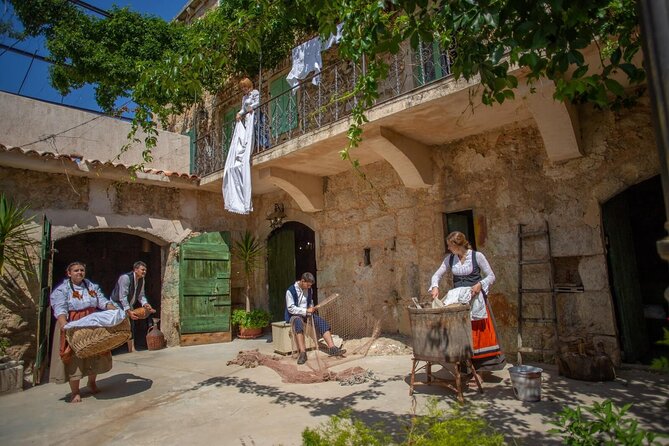
- A working historic home: You visit a family property in Vrisnik that preserves the look and tools of rural Hvar life from roughly 150 years ago.
- Hands-on tasks: Grind wheat, press grapes, mend a fisherman’s net, salt fish, weave a small item, and try traditional household tools.
- Food is part of the lesson: Warm bread, olive oil, sardines, garden vegetables, cookies, and a farmer’s and fisherman’s lunch connect the demonstrations to daily life.
- A small-scale private format: Only your group takes part, so the experience feels more personal than a standard sightseeing stop.
- English-language visit: The activity is offered in English and uses a mobile ticket.
- Plan ahead: It is commonly booked well in advance, with confirmation sent within 48 hours if space is available.
Entering a 150-year-old home in Vrisnik
The experience begins at 5M32+9F Vrisnik, in the inland Hvar village of Vrisnik. It ends at the same meeting point, so you do not need to arrange a second pickup location.
The setting matters. Hvar is often sold through beaches, boat trips, and handsome stone lanes, but inland villages show another side of the island. Here, the focus is not on grand monuments. It is on the rooms, tools, food, and work that held a family together before modern appliances and shops changed daily routines.
Lana, Magdalena, and Jaksa welcome you in traditional clothing and introduce you to the family home. The costume is not the whole point, but it helps frame the visit. You are being asked to picture people living with the same fireplace, mill, storage vessels, and work tools across several generations.
I especially like the storytelling approach. This is not a silent collection of objects with labels that you scan and forget. An old tool becomes useful when someone explains what it did, who used it, and how much effort it saved, or failed to save. You see why even making a cup of coffee once required time, fuel, and manual work.
The home is also the tour’s main limitation. If you want a broad survey of Hvar’s architecture or a long walk through the village, this is not that experience. It is a concentrated visit built around one family’s rural heritage.
A few more Hvar half-days to weigh up
- Blue Cave & Vis Island speedboat tour from Hvar
★ 5.0 · 890 reviews - From Hvar: Vis Island and Blue Cave Speedboat Tour
★ 4.8 · 773 reviews - Blue Cave and Pakleni Islands group Tour from Hvar
★ 5.0 · 490 reviews
Grinding wheat and cooking beneath the peka
One of the clearest lessons comes from bread. You grind your own wheat and learn how ancestors made bread beneath the peka, a traditional cooking lid used with hot embers. The activity gives you a practical sense of the chain behind one simple loaf: grain, flour, dough, heat, and patience.
The fire and fireplace receive special attention. In an old island home, the fireplace was not just a cooking spot. It was the center of household work, warmth, and food preparation. The visit helps you see how much daily life depended on controlling fire without modern stoves, timers, or temperature controls.
You may also see woodfire cooking techniques and learn how ingredients were turned into meals with basic equipment. The value here is not that you will leave ready to run a nineteenth-century kitchen. You will leave with a better feel for the labor hidden inside ordinary food.
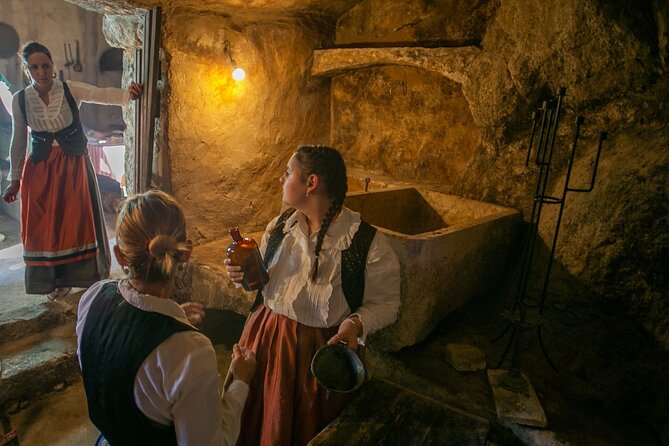
The tasting makes this section memorable. You scoop olive oil from a stone vessel and drizzle it over fresh warm bread. That combination is simple, but it shows why local ingredients matter when they are handled close to the source.
A useful tip: if you have a light lunch planned afterward, reconsider it. The food portion is not just a token sample. The program includes several tastes and a traditional meal, so arrive ready to eat.
Pressing grapes and understanding island food
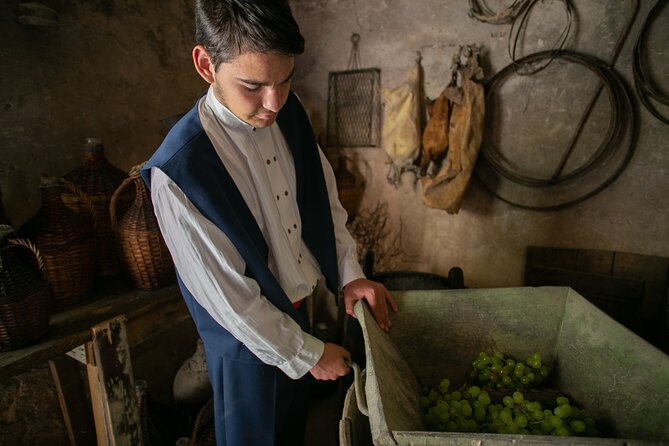
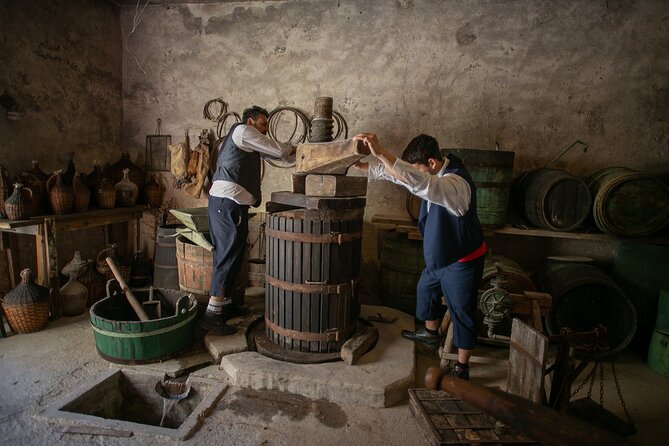
The grape activity takes another everyday product and puts the work back into it. You press grapes and learn how juice becomes wine. The process is straightforward, but the hands-on element gives it weight. Wine is no longer just a bottle on a restaurant table. It is a crop, a harvest, a tool, and a task.
This approach also works well for anyone who is not deeply interested in wine. You do not need specialist knowledge. The point is to understand how families used what the island produced and how food and drink were tied to seasonal work.
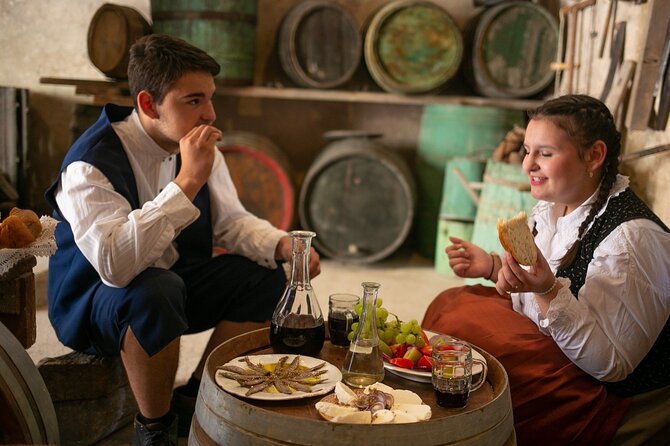
The meal brings together two sides of Hvar’s traditional economy. You mix salted sardines with fresh tomatoes and zucchini picked from the garden, then try a combination of a farmer’s and fisherman’s lunch. The pairing explains the menu better than a long lecture could. One plate reflects the land, another reflects the sea, and both depend on preservation and timing.
The garden element is small but useful. Picking vegetables yourself makes the meal feel connected to the property rather than assembled from anonymous ingredients. The salted sardines also show how preservation helped families keep fish available beyond the day it was caught.
Do not expect a modern cooking class with printed recipes, workstations, and a dish you prepare from start to finish. This is a cultural demonstration with participation and tasting. If you want a formal lesson, the format may feel brief. If you want to understand how people once fed themselves, it is a better fit.
Learning the fisherman’s work
Hvar’s island setting makes fishing a natural part of the story. You learn how to mend a fisherman’s net and become familiar with the tools used for the job. The task may look modest, but it highlights a useful truth: traditional life depended on repair.
A broken net could mean lost time and lost food. Mending it was not a decorative craft. It was practical work that kept the fishing routine going. Even a short attempt helps you appreciate the hand skills behind an object most people now see only as equipment.
Salting your own fish adds another layer. You are not just tasting salted sardines later. You take part in the preservation method. That helps explain how island households dealt with food before refrigeration and easy transport.
This section should suit families especially well. Children can handle a task and see an immediate connection between the activity and the meal. The experience has attracted families with children around 10 and 12, and the mix of tools, food, costumes, and stories gives younger participants several ways to stay engaged.
Still, the visit is not designed as a children’s attraction. Its pace and subject matter depend on listening. Families should be comfortable with a cultural activity that includes history, cooking, and conversation rather than constant entertainment.
Same stretch of coast, a completely different day out:
- From Hvar: Blue and Green Cave Day Tour
★ 4.3 · 479 reviews - Boat Tour at Delfina Hvar
★ 5.0 · 243 reviews - Blue cave group tour with swimming and snorkelling from Hvar
★ 5.0 · 227 reviews - BLUE CAVE & 5 islands tour from Hvar
★ 4.5 · 224 reviews
Figs, weaving, cooperage, and old household skills
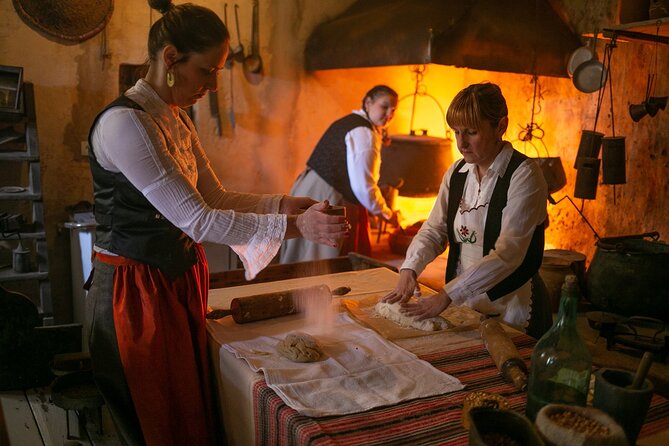
The program covers a surprising range of small skills. You learn how figs were dried, try weaving a scarf or bracelet, and get a short look at the cooper’s craft. You may also see how clothes were ironed with embers.
These details are valuable because they show the work that usually disappears from broad history lessons. A rural household needed methods for preserving fruit, making or repairing clothing, storing liquids, and caring for textiles. Each task used local materials and hand tools.
The cooper’s craft is a good example. Barrels and wooden containers were part of the world of wine and food storage, so the skill connects neatly with grape pressing. The tour moves between household work, farming, fishing, and food rather than treating them as separate topics.
The ember iron is another memorable detail. It gives you a quick picture of how even pressing clothes required preparation and fuel. Today, an iron is a simple appliance. In the older home, it belonged to a chain of chores involving fire and careful handling.
You should not expect to master every skill in 75 minutes. The schedule is broad, so some activities will be demonstrations or brief attempts rather than full workshops. That is the tradeoff for seeing so many parts of rural life in one visit.
Bread, olive oil, sardines, and paprenjok cookies
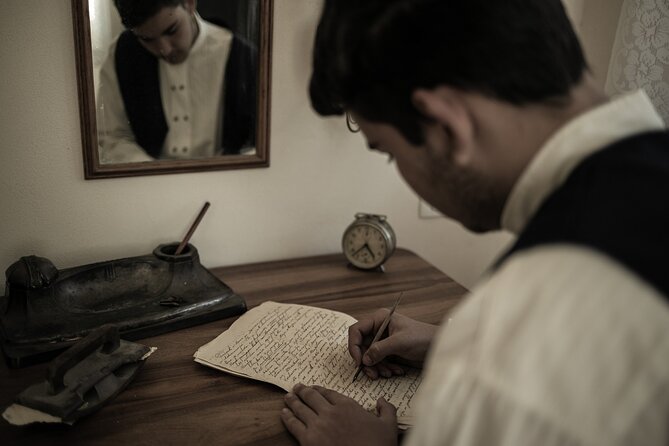
Food is the emotional center of the experience. Warm bread and olive oil provide the first clear reward, but the meal continues with garden produce, salted sardines, and traditional dishes.
The traditional paprenjok cookie gives the visit a sweet finish. You learn its secret recipe and may make your own cookie designs using traditional decorating methods. Other tastings can include several types of Croatian cookies, and the wider food program has also included local wine, honey, grappa, gnocchi, starters, a main course, and after-dinner drinks.
Because the information describes a farmer’s and fisherman’s lunch rather than a fixed full menu, you should treat the exact dishes as subject to change. The core idea is clear: food made with local ingredients and older preparation methods.
The hosts’ pride is part of the meal’s appeal. They are not presenting traditional food as a museum relic. They are sharing dishes connected to family practice, land, and island life. That personal link is why the meal can feel more meaningful than a standard restaurant lunch.
There is also a practical point about expectations. This is a food-and-culture experience, not a restaurant reservation with a choice of dishes. If you have allergies, strong dietary restrictions, or need a specific menu, confirm details before paying. The provided information does not list substitutions or dietary arrangements.
What makes the private format worth $155.33
At $155.33 per person, the cost is high for a 75-minute activity. A basic museum visit or ordinary meal in Croatia will cost less. The value depends on how much you want personal contact, participation, and context.
You are paying for several elements at once: access to a private family property, an English-language host-led presentation, hands-on work, food tastings, and a meal built around local tradition. The private format also means only your group participates, which can make it easier to ask questions and move at a comfortable pace.
The price makes more sense for someone who sees this as a central Hvar experience rather than a filler activity. It is especially suited to couples, families, and small groups who want a direct connection with local life. It also works for a day trip from Split, since the property is described as about 30 minutes by car from the port, though the experience itself does not include transport in the information provided.
For a solo visitor, the price may feel harder to justify. For a private group splitting the cost of a meaningful cultural visit, it can be more reasonable. I would compare it with the price of other food tours and private activities in Hvar, then ask yourself whether handling the tools and meeting the family matters more to you than seeing several sights quickly.
The short duration cuts both ways. You can fit it into a busy island day, but you should not expect a long, slow farm visit or an entire afternoon of instruction. The program packs in many subjects, so the pace may be brisk.
Who should book this Hvar experience?
I would point this experience toward you if you:
- Want local history told through a family home, not only through formal museums.
- Enjoy tasting food as part of a cultural lesson.
- Like hands-on activities such as grinding, pressing, weaving, net mending, and decorating cookies.
- Are traveling with children who enjoy practical tasks.
- Have already seen Hvar’s coast and want an inland view of the island.
- Prefer a private activity in English.
- Care about meeting local hosts and hearing how a home was used across generations.
I would be more cautious if you want a long cooking course, a broad village walking tour, or a low-cost activity. The experience is focused, food-centered, and rooted in one family’s property.
The activity allows service animals, but no wider accessibility details are provided. If you need specific access arrangements, ask before booking rather than assuming the historic home will meet your needs.
Booking ahead is sensible. It is commonly reserved around 54 days in advance, which suggests limited availability. Confirmation arrives within 48 hours, subject to availability. You receive a mobile ticket, and the activity is offered in English.
Free cancellation is available if you cancel at least 24 hours before the local start time. Cancellations or changes made inside that window are not accepted for a refund.
Should you book Terra Arhaica?
Book it if you want Hvar to be more than beaches, wine bars, and pretty stone streets. The strongest part is the link between action and explanation: you grind grain, then taste bread; you handle fishing tools, then eat salted sardines; you learn about grapes, then connect them to wine.
The price is the main hurdle, and the 75-minute length means you should not confuse this with a full-day rural excursion. But for a private group seeking a personal, food-based look at island life, Terra Arhaica offers something difficult to find elsewhere. I would make room for it if authentic household skills and family storytelling matter more to you than ticking off another attraction.
FAQ
Where does the experience take place?
The experience takes place in Vrisnik, Hvar, Croatia. The stated meeting point is 5M32+9F Vrisnik, and the activity ends back at the meeting point.
How long does the activity last?
It lasts approximately 1 hour and 15 minutes.
How much does it cost?
The listed price is $155.33 per person.
Is the experience offered in English?
Yes. The activity is offered in English.
Is this a private tour?
Yes. Only your group participates in the private activity.
What food will be included?
The experience includes warm bread with olive oil, salted sardines with fresh tomatoes and zucchini, a farmer’s and fisherman’s lunch, and traditional paprenjok cookies. Other traditional food and drink may also be part of the wider tasting experience.
What hands-on activities are included?
You can grind wheat, press grapes, mend a fisherman’s net, salt fish, work with traditional tools, weave a scarf or bracelet, and try making cookie designs.
Are service animals allowed?
Yes. Service animals are allowed.
When will booking confirmation arrive?
Confirmation is sent within 48 hours of booking, subject to availability.
Can I cancel for a full refund?
Yes, if you cancel at least 24 hours before the experience’s local start time. Cancellations or changes made less than 24 hours before the start time are not accepted for a refund.
Just added around Hvar
- Private Hvar Wine Tasting Tour★ 5.0 · 35 reviews
- Cycle Hvar Tour★ 5.0 · 131 reviews
- Wine Lovers tour from Hvar★ 5.0 · 5 reviews
- Tuk Tuk Sightseeing Tour of Hvar★ 5.0 · 68 reviews
- Water Taxi Ride from Hvar to Split Airport★ 5.0 · 5 reviews
- Sunset Kayak Tour in Hvar Town, Croatia★ 5.0 · 4 reviews
- Jewels of Hvar – Private Walking Tour★ 4.5 · 6 reviews
- Sunset Sailing Tour on the Pakleni Islands★ 5.0 · 10 reviews
Hvar Tours, compared.
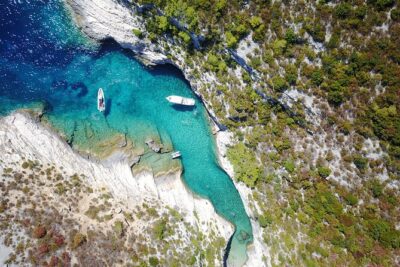
Blue Cave & Vis Island speedboat tour from Hvar
Read our review →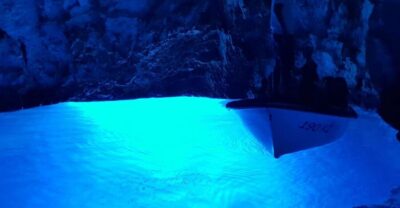
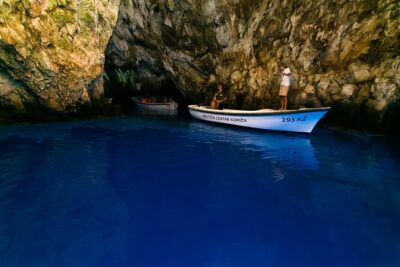
Blue Cave and Pakleni Islands group Tour from Hvar
Read our review →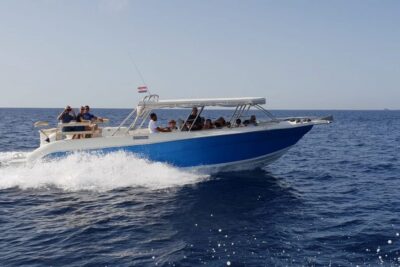
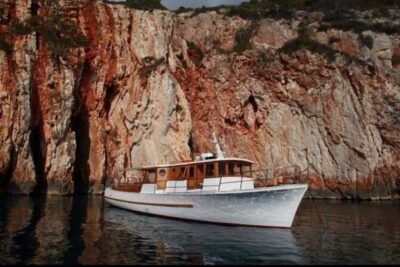

Blue cave group tour with swimming and snorkelling from Hvar
Read our review →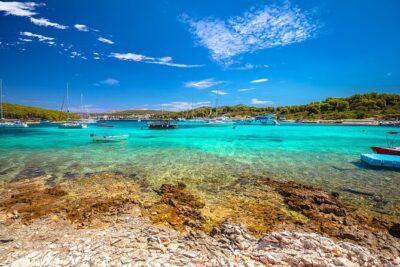
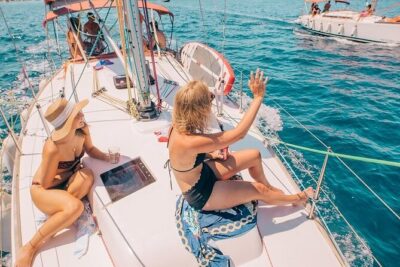
Half Day Sailing on a comfort yacht around Hvar and Pakleni islands- small group
Read our review →Browse the lists this tour appears in