
Reviewed · MAKARSKA TOURS
Red (Wine Tasting) Tour
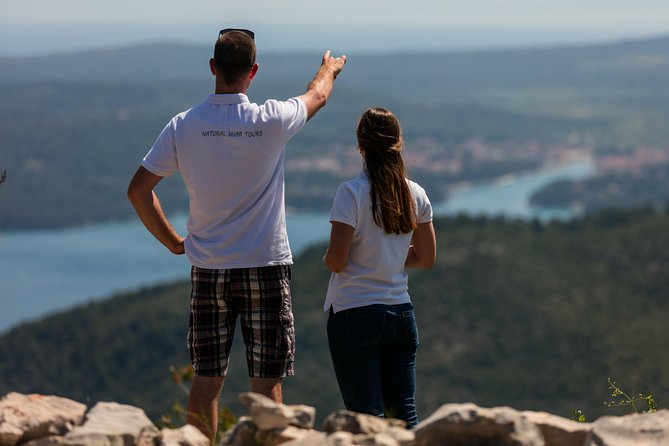
Hvar’s best wine experience is not confined to a tasting room. This afternoon outing carries you into the island’s vineyard hills, old villages, family farms, and small cellars, with local guide Grgo Matkovic explaining how people still work this demanding ground. Two wineries and a family konoba give the tour a personal, homegrown feel.
I like the mix of wine and island life. You get views and stories on the drive, a proper tasting at a winery, and a more intimate stop at Grgo’s family cellar. I also like the small group limit of eight, which suits the conversational style. The main consideration is that the tour is listed at $186.24 per person, so you should want more than a quick flight of wine. Also, the details name Makarska as the location while the full program centers on Hvar, so confirm the meeting place before booking.
Key points to know before booking
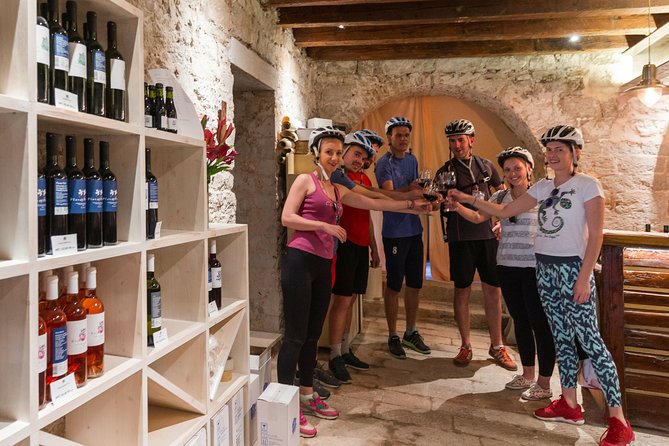
- Two very different wine stops: Expect a professional winery visit followed by a family cellar with local food and family-made bottles.
- Grgo is the main attraction: His guiding focuses on Hvar’s villages, farming traditions, changing way of life, and island challenges.
- A half-day away from the port: The route can include Stari Grad and quieter parts of northern Hvar.
- Small groups matter: The maximum is eight people, making it easier to ask questions and talk during the drive.
- Adults only: Every participant must be at least 18 years old.
- Plan for an afternoon: The stated start time is 3:30 pm, with a total duration of about 4 to 6 hours.
Why this wine tour is different from a standard tasting
Many island wine tours take you directly to a winery, pour several glasses, and send you back to the beach. This one uses wine as a doorway into Hvar’s rural life.
Grgo’s family has a long connection with vineyards and farming. He presents the island’s original grape varieties, explains traditional production, and shows how small producers make wine with limited soil and modest facilities. That gives the tasting a useful sense of place. You are not simply sampling a red or white. You are learning why these wines exist here and how families keep the work going.
The tone is informal. The day may include a drive along older, narrow roads, a stop in Stari Grad, views across less visited parts of the island, and conversation about tourism, farming, fires, climate pressures, and the effort needed to live on Hvar year-round.
That local point of view is the strongest reason to choose this tour. If you want a polished estate with formal presentations, this may feel loose. If you want to see how wine fits into an island community, it offers much more than a tasting menu.
More Makarska wineries worth an afternoon:
- Wine Tasting Grabovac Tour From Makarska
★ 5.0 · 63 reviews - From Split: Krka Waterfalls, Food & Wine Tasting Tour
★ 5.0 · 9,326 reviews - From Split: Krka Waterfalls, Food & Wine Tasting Tour
★ 4.9 · 6,598 reviews
The afternoon pickup and drive into Hvar’s wine country
Pickup is available in front of your accommodation, and the stated start time is 3:30 pm. Some arrangements have also included pickup at a bus station or marina, but you should confirm your exact point when booking.
The first part of the outing is usually the drive away from the crowded port area. This matters because Hvar Town can give you only one narrow view of the island: stone lanes, boats, restaurants, and nightlife. The interior is quieter and more agricultural.
As Grgo drives, he explains local life and points out places that are easy to miss from a ferry or beach hotel. The route can include northern parts of the island and Stari Grad, one of Hvar’s historic towns. You may also see old roads, stone buildings, cultivated plots, and homes being brought back into use.
The drive is not just transport between tastings. It is part of the program. You might stop to look at old farming methods, local plants, water systems, or village architecture. One especially useful theme is the contrast between Hvar’s tourist image and the work required to maintain its farms and communities.
Keep in mind that the road experience is part of the trade-off. Some routes are narrow and older, and the timing can shift if the group spends longer talking or exploring. This is a relaxed half-day tour, not a tightly timed sightseeing circuit.
Stari Grad and the old farming traditions of Hvar
Stari Grad gives the afternoon historical depth without turning the outing into a formal history lesson. The town and surrounding countryside connect the wine industry to the island’s long pattern of cultivation.
The vineyards grow in meager soil, and farming here has never been effortless. That fact helps explain the value of the family approach. Small producers rely on inherited methods, shared work, and close knowledge of the ground. Grgo’s stories also address how tourism and changing weather have affected lavender fields, vineyards, villages, and other agricultural areas.
You may hear about ancient water systems and ingenious ways communities directed water toward productive land. You might also see families restoring old homes or reviving small farms. These details help you understand why a bottle of local wine can represent much more than a commercial product.
I especially like this part for people who have already spent time around Hvar Town. It gives you a second picture of the island. The drawback is that the exact stops can depend on the day, season, and local conditions, so do not expect a fixed list of photo stops.
The first winery: several wines and local food
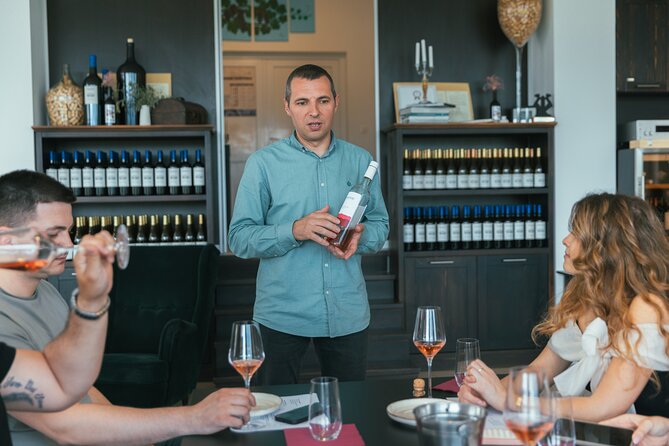
The first winery is the more traditional tasting stop. Here you learn about production and sample several local wines in a setting connected to a working producer.
The exact lineup can vary, but the experience has included sparkling wine, white wine, rosé, red blends, and an aged single-variety wine. The program focuses on indigenous Hvar grapes, meaning varieties that have grown in the area for a very long time.
The tasting may also include olive oil and local food. Pairings described during the tour have included cheese, bread, fig cake, and local prosciutto. This is important because food changes how you judge wine. A young island wine that seems sharp by itself can make more sense beside salty meat, cheese, or sweet fig cake.
You should not approach this as a lesson in rare, heavily aged bottles. Much of the local wine is young and intended to be enjoyed that way. The appeal is freshness, local character, and a direct connection with the people who make it.
Some visitors have sampled as many as eight wines at this stop. That is generous for an afternoon, so pace yourself, especially if you are also tasting spirits or wine later. The tour is for adults only, with a minimum age of 18.
More food tours in Makarska:
- Split: Blue Lagoon and 3 Island Cruise with Food and Drinks
★ 4.8 · 1,969 reviews - Krka National Park Tour with tour Guide & Wine tasting from Split & Trogir
★ 5.0 · 1,625 reviews - Split/Trogir: Krka National Park Day Trip with Wine Tasting
★ 4.7 · 925 reviews - Full-Day Catamaran Cruise to Hvar & Pakleni Islands with Food and free Drinks
★ 5.0 · 670 reviews
The family konoba and Grgo’s own cellar
The most distinctive stop comes at the old family konoba. A konoba is a traditional Croatian farm cellar or simple food and wine space. Here, the atmosphere is less formal than at a commercial winery.
Grgo welcomes you into his family setting and explains how a smaller farm prepares and stores its wine. Depending on the day, you may meet members of his family, see the surrounding fields, and hear stories about the work behind the bottles.
The cellar has been described as lovingly restored, and the family wines may not yet have finished labels or established names. That is part of the charm, but it also tells you what kind of experience this is. You are seeing a small producer in progress, not shopping through a polished catalog of export-ready wines.
Food is an important part of the welcome. Homemade cookies, sugar almonds, bread, cheese, fig-based sweets, and other simple local foods may accompany the tasting. Homemade refreshment drinks are also included in the program, giving you a break from alcohol during the afternoon.
Family involvement can make this stop feel unusually personal. It can also make the pace unpredictable. Farming, health matters, harvest work, and other daily concerns are real parts of rural life, so the visit may feel more like being welcomed into a household than attending a timed appointment.
That is a benefit if you value warmth and conversation. It is less ideal if you want a quiet, highly structured tasting with technical notes for every bottle.
What the wines and food tell you about Hvar
This tour gives you a useful introduction to Hvar’s wine identity. The emphasis is on original grape varieties, small producers, and methods passed through families.
You can expect red, white, rosé, sparkling, and blended wines, though the precise selection is not guaranteed. Walnut brandy has also been served, and it can be a strong finish after several wines. If you prefer sweeter or lighter drinks, ask for the homemade refreshments and take the tasting at your own pace.
The food is not merely a snack. It shows how wine works at the local table. Cheese, bread, cured meat, fig cake, and sugar almonds offer salt, fat, sweetness, and texture. Those contrasts make the wine easier to understand than a row of glasses served without food.
I would not book this solely for a specific bottle or grape unless Natural Hvar confirms the lineup. The stronger reason is the chance to taste wines in two settings: one established winery and one family cellar.
The guide’s local stories are the real value
Grgo’s guiding receives unusually strong praise because he brings personal experience to the route. He speaks about his family, farming, island services, medical access, fires, tourism, and the pressure to preserve local traditions while making a living.
This can turn a wine afternoon into a conversation about present-day Hvar. You learn why some villages have fewer permanent residents, why agricultural land is difficult to maintain, and how local families try to keep old practices alive.
You may also encounter the practical side of island life. During one outing, a tire problem required help from Grgo’s father and a neighbor. That kind of event is not something you should expect or plan for, but it illustrates the close community that surrounds the tour.
The key point is that Grgo does not present Hvar as a postcard alone. He talks about its problems as well as its beauty. For me, that makes the outing more credible and more useful.
How much time and money should you allow?
The tour lasts about 4 to 6 hours and begins at 3:30 pm. That makes it a good choice for an afternoon when you want a break from swimming, sun, or Hvar Town restaurants.
At $186.24 per person, it is not a bargain tasting. The price makes more sense if you use the full package: accommodation pickup, transport around the island, a small group, local guiding, two wine stops, food, and access to a family setting that you would be unlikely to arrange on your own.
The value is weaker if you only want three or four pours close to town. You would be paying for the stories, driving, scenery, family welcome, and time spent away from the main tourist routes.
The maximum group size is eight. That is small enough for direct conversation and practical questions, though the tour may feel more private or social depending on who books that day. Pickup also removes the need to arrange transport after drinking, which is an important part of the price.
The cancellation terms are straightforward: cancel at least 24 hours before the local start time for a full refund. Changes or cancellations made inside that period are not accepted for a refund.
Who will enjoy this Hvar wine outing?
I would recommend it most strongly to:
- Couples who want a personal afternoon beyond Hvar Town
- Families with adult children
- Wine drinkers who care about growers and local food
- People interested in farming, village life, and island culture
- First-time visitors who want an overview of Hvar beyond the coast
- Small groups who prefer conversation over a formal presentation
It may not suit you if you need a strictly timed itinerary, dislike narrow rural roads, want a luxury winery setting, or are looking for a short tasting with little driving.
The program is in English. Most people can participate, and it operates near public transportation, though pickup is offered. Since the itinerary description focuses on Hvar while the location field says Makarska, I would confirm the island, pickup point, and return arrangements before payment.
Should you book the Red Wine Tasting Tour?
Book it if you want wine as a way to understand Hvar. The strongest parts are the drive into quieter island country, Grgo’s personal stories, the contrast between two producers, and the family cellar with homemade food and drinks.
Do not book it expecting a precise luxury tasting or a guaranteed bottle list. The experience is deliberately personal and flexible. At $186.24, it earns its price through transport, small-group attention, local access, and the feeling of seeing a working side of Hvar rather than simply touring a winery.
For a relaxed afternoon, especially after several days in the port area, this is one of the more worthwhile ways to meet the island on its own terms.
FAQ
Where does the Red Wine Tasting Tour take place?
The full tour description focuses on Hvar Island, including its vineyards, Stari Grad, northern areas, wineries, and a family cellar. The booking information also lists Makarska, so confirm the exact location before booking.
What time does the tour start?
The stated start time is 3:30 pm.
How long does the tour last?
The expected duration is approximately 4 to 6 hours.
Is pickup available?
Yes. Pickup can be arranged in front of your accommodation. Pickup has also been arranged from places such as a bus station or marina, but confirm your exact location in advance.
How many people can join?
The maximum group size is eight people.
Is the tour offered in English?
Yes, the tour is offered in English.
What is the minimum age?
All participants must be at least 18 years old.
What wines and drinks are included?
The tasting can include local sparkling, white, rosé, red blend, and single-variety wines. Walnut brandy and homemade refreshment drinks may also be part of the experience, and the exact selection can vary.
Can I cancel for a full refund?
Yes. You can cancel at least 24 hours before the local start time for a full refund. Cancellations or changes made less than 24 hours before the start are not accepted for a refund.
Just added around Makarska
- Wine Tasting Grabovac Tour From Makarska★ 5.0 · 63 reviews
- Makarska: Baggy Skywalk & Biokovo viewpoint Tour★ 5.0 · 50 reviews
- BRELA Bikini Dive *Try SCUBA DIVING*★ 5.0 · 100 reviews
- 3 Islands Speedboat Tour: Golden Horn, Blue Lagoon & Jelsa Town★ 5.0 · 17 reviews
- Zip line Tucepi★ 5.0 · 51 reviews
- 3 Hour Biokovo Skywalk Tour★ 4.0 · 22 reviews
- Sunset Speedboat Tour in Makarska with swim stop on island Brač★ 5.0 · 25 reviews
- Skywalk Biokovo ATV Quad Tour★ 4.5 · 8 reviews
Makarska Tours, compared.
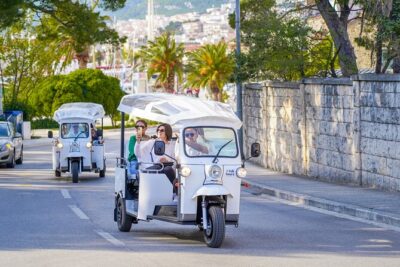
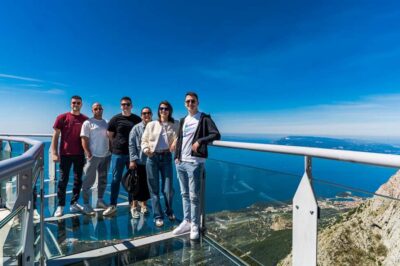
Skywalk Tour with a Tuk Tuk – Skip the line ticket
Read our review →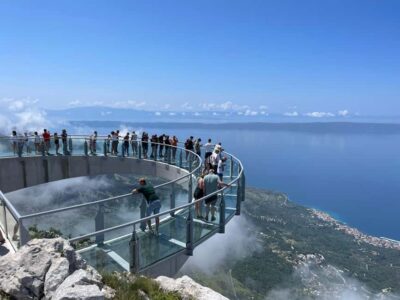
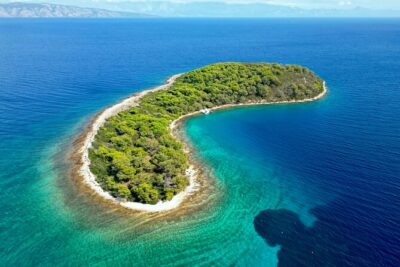
3-Island Speedboat Tour with Cave and Blue Lagoon
Read our review →

Browse the lists this tour appears in