
Reviewed · ZAGREB TOURS
Communism & Croatian Homeland War Tour
Zagreb’s recent past is easiest to grasp underground. This walking tour takes you from the Ban Josip Jelačić statue into WWII-era tunnels and a real bombing shelter, then uses maps, photos, and film to explain communism, the breakup of Yugoslavia, and Croatia’s 1990s war of independence. It connects places with events, rather than leaving you to piece the story together from scattered museum displays.
I like two things especially. First, the guides, including Ivana, Darko, Luka, and Diana, bring strong teaching skills and personal Croatian connections to a difficult subject. Second, the tour makes good use of visual material, including maps, photographs, and a final multimedia presentation. You get context as well as facts. The main drawback is that the tour is more serious and lecture-based than scenic, and it may run closer to two and a half hours than the advertised two.
Key points to know before you book
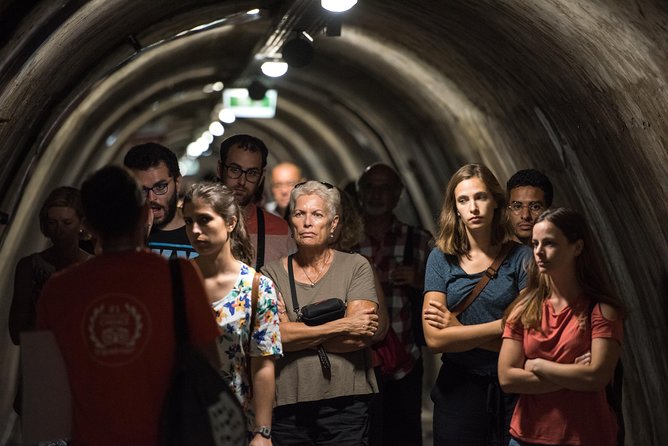
- WWII tunnels with a modern purpose: Enter Tunel Grič, including the underground shelter area used during air raids on Zagreb.
- Croatia’s 1990s war takes center stage: The title mentions communism, but much of the tour explains the fall of Yugoslavia and the Homeland War.
- Strong visual teaching: Expect maps, photographs, and a multimedia presentation in a former shelter basement.
- Guides vary by departure: Ivana, Darko, Luka, and Diana are among the guides named by name, with the company describing its local guides as certified and experienced.
- Small-group format: The group is capped at 20 people, a useful size for a history talk in city streets and underground spaces.
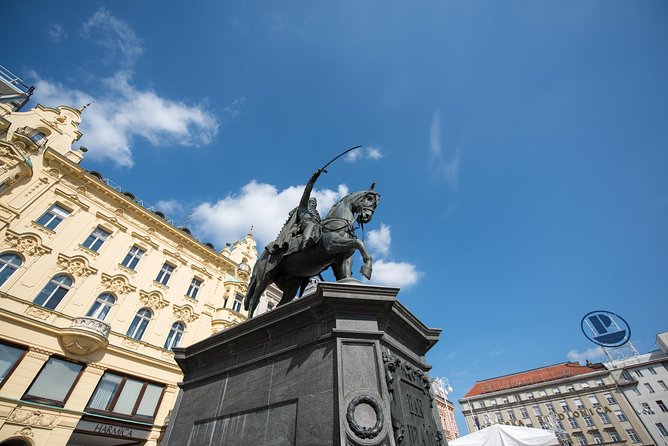
- Simple central meeting point: Begin and end at the Ban Josip Jelačić statue, in Zagreb’s main square.
Why this tour matters in Zagreb
Zagreb can look calm and Central European at first glance. Its main square, upper-town streets, cafés, and Austro-Hungarian façades do not immediately explain the political storms that shaped modern Croatia.
This tour changes that first impression. It focuses on the last century or so, moving through World War II, communist Yugoslavia, the collapse of that state, and the Croatian Homeland War from 1990 to 1995. You are not simply shown old buildings. You are given a framework for understanding why Croatia is an independent country today and why the wider Balkan region remains politically and emotionally complicated.
I find that useful early in a Croatia trip. If you later visit places connected with the war, see memorials, or hear local conversations about Yugoslavia, the names and events will have more meaning. The tour is also useful if Zagreb is your first stop in the region and you know little about the difference between Yugoslavia, communist rule, and the separate national movements that followed.
This is not a light sightseeing walk with a few historical comments added. It is a serious lesson delivered outdoors, underground, and in a former shelter. The guides bring humor and warmth, but the subject includes bombing, political repression, displacement, and war. You should come ready to listen.
A few more Zagreb half-days to weigh up
- From Zagreb: Plitvice & Rastoke Guided Day Trip with Ticket
★ 4.9 · 2,955 reviews - Zagreb: Rastoke & Plitvice Lakes Guided Tour with Ticket
★ 4.9 · 1,897 reviews - Best of Zagreb with the WW2 Tunnels
★ 5.0 · 973 reviews
Starting at Ban Josip Jelačić Square
The group meets at the Ban Josip Jelačić statue in Zagreb’s central square. Departures are at 3 p.m. from Monday through Saturday and at 11 a.m. on Sunday. The tour returns to this same meeting point, so you do not need to arrange transport back from a distant neighborhood.
The square is a practical place to begin. It is central and near public transportation, and it gives the guide room to gather a group of up to 20 people. Arrive with enough time to locate the statue and settle in, especially if you are unfamiliar with Zagreb’s street layout.
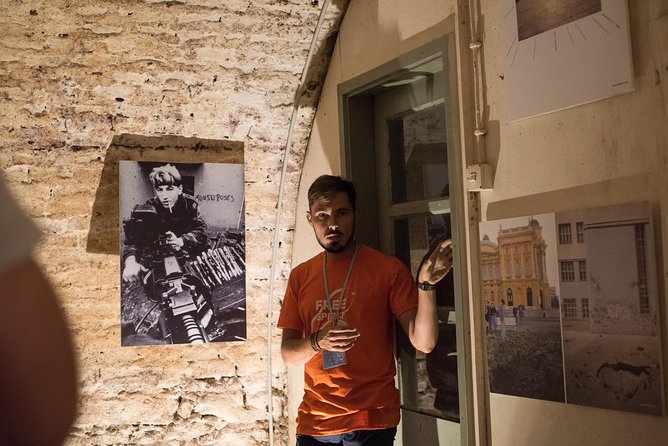
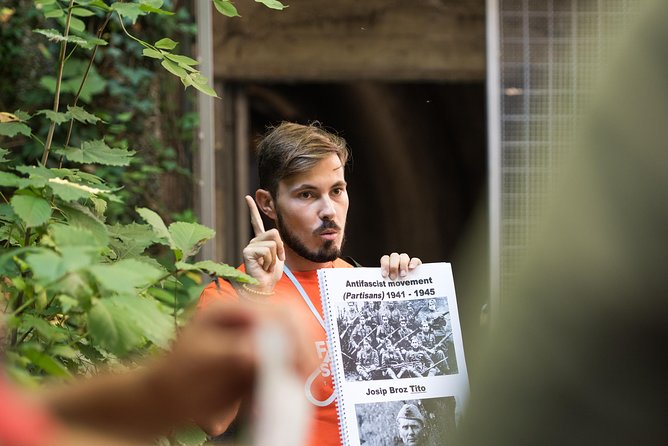
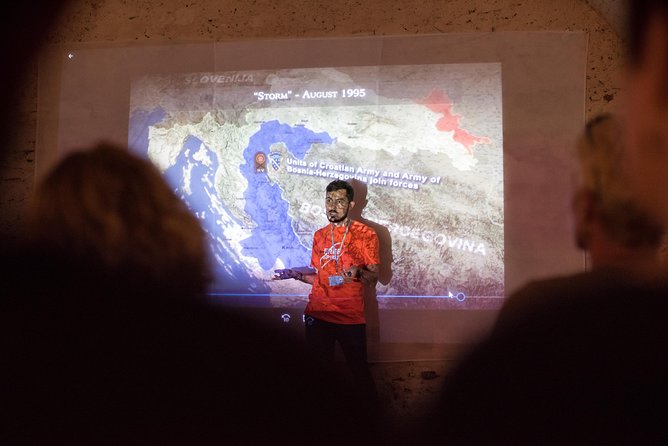
The opening section sets up the political story before you head underground. Guides use maps and photographs to make borders, political shifts, and changing alliances easier to follow. That visual help matters because Balkan history contains many place names and organizations that can blur together if you hear them only as spoken words.
The strongest guides also make clear that history is not just a list of leaders and dates. Personal and family stories help show how large political changes affected ordinary Croatian households. Ivana, for example, has been praised for explaining her own perspective while openly reminding the group that it is only one side of a regional conflict.
Entering Tunel Grič and Zagreb’s wartime shelter
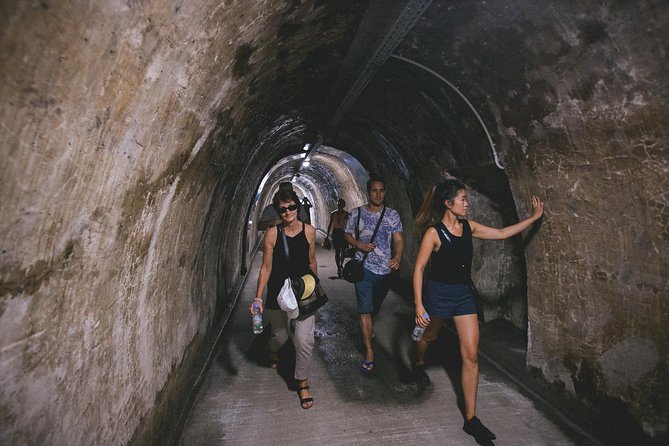
The first major stop is Tunel Grič, a WWII-era underground passage and shelter beneath Zagreb. The tunnels are a memorable setting because they turn an abstract discussion about air raids into a physical one. You can see the kind of enclosed space where people sought safety while bombs threatened the city above.
The tunnel stop also reaches beyond World War II. The guide explains life in Zagreb during the communist period, adding social and political context to the space. You may find this especially useful if your picture of communism comes mostly from general Cold War history rather than daily life in former Yugoslavia.
There is a practical catch. Tunel Grič is also used for public events and the Christmas Market. During those periods, the tunnel portion is not included, so check the operating conditions around your planned date if entering the underground passage is a priority.
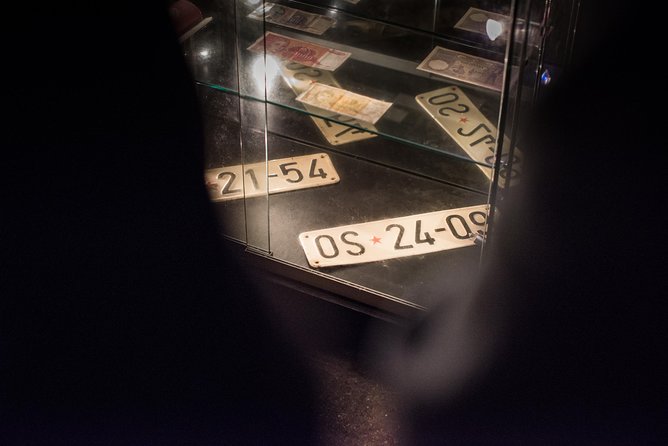
The tunnel itself is not a private museum admission included only for this group. The value comes from the guide’s explanation and from linking the place to the city’s wartime experience. If you expect a large collection of original objects or a long sequence of preserved rooms, adjust your expectations. This is a focused historical stop, not a full-scale museum visit.
Wear sensible shoes. The tour is easy walking overall, but you will be on foot for much of the experience and will enter underground spaces. On hot days, guides have moved the group into shade for portions of the talk, which is a welcome habit during Zagreb’s warmer months.
The Kaptol basement and the story of 1990 to 1995
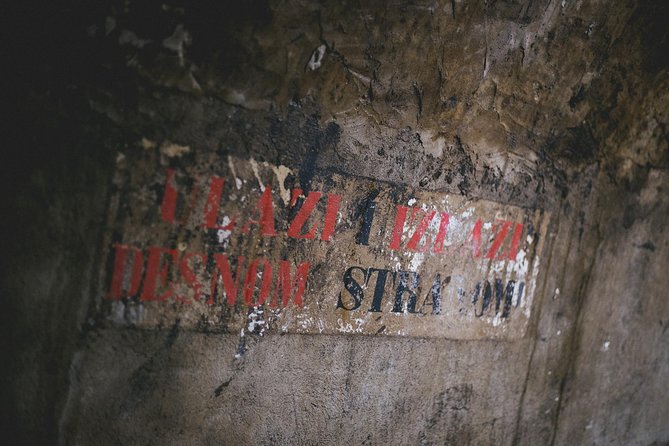
The final major location is in Kaptol, where you visit an authentic basement used as a bombing shelter. This stop brings the discussion into the period when Yugoslavia fell apart and Croatia fought for independence.
The basement is used with a multimedia exhibition. A video presentation near the end focuses on the Croatian Homeland War and gives the tour an emotional finish. Several guides use maps and photographs before the film so you can follow the geography and political sequence instead of watching disconnected images.
The final video lasts about 20 minutes according to the practical timing provided by the experience. For some people, it will be the most powerful part of the tour. For others, it may feel long after a substantial outdoor presentation, particularly if you came expecting a quick two-hour walk.
Do not book this tour expecting the war to be treated as a simple heroic story. The most useful approach is to listen for the guide’s explanation of Croatia’s position while also noting the limits of any national viewpoint. Ivana has specifically encouraged people to seek perspectives from other parts of the former Yugoslavia. That is good historical practice, and it helps you separate a local interpretation from a complete account of the conflict.
The shelter gives the film a fitting setting. You are not viewing recent history in a polished gallery alone. You are sitting in a place designed for people to hide during attacks. That physical connection gives the final section weight without requiring a long list of war sites around the city.
Same stretch of coast, a completely different day out:
- Plitvice Lakes with Ticket & Rastoke Guided Tour from Zagreb
★ 5.0 · 966 reviews - Zagreb: Small Group Walking Tour City Center and WW2 Tunnels
★ 4.9 · 895 reviews - Zagreb: Skip-the-Ticket-Line Museum of Broken Relationships
★ 4.5 · 847 reviews - Zagreb: City and WWII Tunnels Walking Tour
★ 4.9 · 845 reviews
How the guides shape the experience
The company describes its guide team as certified local guides with more than 500 tours of experience. The guide on your departure may be Ivana, Darko, Luka, Diana, or another member of the team.
Names matter here because the presentation style can shape your experience. Ivana is known for strong preparation, maps, photographs, teaching ability, and personal stories. Darko has a reputation for a clear, quick-moving presentation, a good sense of humor, and a steady approach to complex political subjects. Luka has been praised for keeping the tour organized, while Diana has been especially attentive to shade and questions on hot days.
Those details suggest a tour that depends heavily on the person leading it. That is not unusual for a history walk. A strong guide can turn a difficult subject into a clear story; a less compatible style might feel like a long lecture.
The best way to approach the tour is as an open classroom. Ask questions when invited, but listen closely because the guide covers many names, political parties, and events in a short time. You may want to take brief notes if modern Balkan history is new to you.
The tone is generally described as impartial in presentation, even though the subject is taught from a Croatian viewpoint. That distinction is important. Impartial does not mean every side receives identical treatment in every two-hour tour. It means the guide can explain Croatia’s experience while acknowledging that neighboring communities remember the same events differently.
Timing, pace, and group size
The stated duration is approximately two hours, but the actual structure can feel closer to two and a half hours. The listed stops allow about 30 minutes at the starting square, one hour around Tunel Grič, and one hour in Kaptol. The final video alone takes roughly 20 minutes.
Plan your day around the longer possibility. Do not schedule a tight restaurant booking or a train departure immediately after the tour. A little flexibility will let you stay for questions and absorb the final presentation without watching the clock.
The walking is described as easy, but this is still a walking tour with extended periods of standing. Guides have used shaded areas during hot weather, yet you should bring water and dress for the forecast. The underground sections can provide a change from the sun, but they do not remove the need for comfortable footwear.
A maximum of 20 people keeps the group small enough for the guide to answer questions and manage movement through the tunnel and basement. It is not a private tour, and the experience will still depend on how well the group listens. The capped size is a sensible compromise between price and personal attention.
Children can participate if accompanied by an adult. Still, I would judge suitability by interest and maturity rather than age alone. The themes include war and bombing, and the final film may be upsetting for some young children.
Is $47.16 a fair price?
At $47.16 per person, this is not the cheapest way to spend two hours in Zagreb. The underground tunnel and basement do not require a separate admission fee, so you are paying mainly for the guide, the preparation, the visual aids, and the multimedia presentation.
That can be good value if you want a clear introduction to Croatia’s recent past. A guide who can explain shifting borders, political parties, Yugoslav communism, and the 1990s war in a connected way saves you from trying to assemble the story from several short museum visits.
The price is less attractive if you want a scenic city walk or a long list of major monuments. Zagreb does not offer many dramatic physical sights tied to this particular topic, and one useful criticism of the experience is that the city stops themselves are not always visually remarkable. The content carries the tour more than the architecture.
I would see it as an orientation lesson, not a standard highlights tour. Pair it with a separate walk through Zagreb’s Upper Town and main square if this is your first visit. The two experiences serve different purposes: one introduces the city’s appearance, while this one explains the recent events behind its modern identity.
The tour is often booked about 11 days ahead, so advance planning makes sense if your schedule is fixed. You receive confirmation at booking, and free cancellation is available until 24 hours before the start time. Inside that final 24-hour period, the payment is not refunded, and changes are not accepted.
Who will get the most from this experience?
I would choose this tour if you want to understand Croatia beyond beaches, food, and old-town streets. It suits people who have read a little about Yugoslavia but still find the political map confusing, as well as those who want a local explanation before visiting other parts of Croatia.
It is also a good match for serious students of modern European history. The tour reaches from the early 20th century through the Croatian war of national liberation, with attention to political movements, geography, and ordinary life.
You may enjoy it less if you prefer a relaxed walk with short commentary. The subject is heavy, the presentation is packed, and the final film asks you to stay focused. The title can also create a slightly misleading expectation because communism is only part of the tour. The larger focus is Croatia’s wars and the breakup of Yugoslavia.
The experience works well for solo visitors, couples, families with older children, and small groups who want a shared starting point for discussion. Since it is offered in English, it is accessible to English-speaking participants who want more than a surface-level explanation.
Practical advice for a better afternoon
Arrive at the Ban Josip Jelačić statue before the scheduled start. The meeting point is Trg bana Josipa Jelačića 15, and the tour ends there as well.
Use the morning for a lighter sightseeing plan if you are taking the weekday or Saturday departure at 3 p.m. If you book Sunday, the 11 a.m. start leaves the afternoon free, but the earlier hour may be less convenient after a late arrival.
Bring water, especially in summer, and listen for opportunities to move into shade. Keep your schedule flexible because the experience may last longer than the approximate two-hour description.
Most important, come with patience. The guide may introduce many names and events quickly. Maps and photographs help, but you do not need to remember every political detail on the spot. The main goal is to understand the sequence of events and the human cost behind them.
Should you book the Communism and Croatian Homeland War Tour?
Book it if you want a serious, well-organized introduction to Croatia’s modern political story. The tunnels, authentic shelter, visual materials, and personal Croatian perspective make the subject tangible, while guides such as Ivana and Darko appear especially suited to explaining difficult material with clarity and humor.
Skip it if your Zagreb time is very short and you want only architecture, markets, and classic sightseeing. Also think twice if war history feels too heavy for your holiday.
For most people interested in understanding present-day Croatia, I would make room for it. Just allow up to two and a half hours, expect more teaching than sightseeing, and remember that the tour offers a Croatian viewpoint rather than every viewpoint in the former Yugoslavia. Used that way, the $47.16 price buys useful context you will carry through the rest of your trip.
FAQ
Where does the tour start?
It starts at the Ban Josip Jelačić statue at Trg bana Josipa Jelačića 15, 10000 Zagreb, Croatia.
Where does the tour finish?
The tour ends back at the Ban Josip Jelačić statue, the same place where it begins.
What time does the tour start?
It starts at 3 p.m. from Monday through Saturday and at 11 a.m. on Sundays.
How long does the tour last?
The advertised duration is approximately two hours, though the schedule and practical timing can make it feel closer to two and a half hours.
What language is the tour offered in?
The tour is offered in English.
What places are visited?
The experience includes the Ban Josip Jelačić statue and square, Tunel Grič, WWII-era underground tunnels, and a basement in Kaptol that was used as a bombing shelter.
Is entry to the tunnel included?
The WWII underground tunnels are included, except when public events or the Christmas Market prevent access.
How large is the group?
The tour has a maximum of 20 participants.
What is included in the price?
The price includes guidance by a certified local guide, the multimedia presentation about the Croatian Homeland War, access to the WWII underground tunnels when available, and the authentic basement shelter.
Can children join the tour?
Yes. Children must be accompanied by an adult.
Can I cancel for a full refund?
Yes, if you cancel at least 24 hours before the experience starts. Cancellations or changes made less than 24 hours before the start are not refunded or accepted.
Just added around Zagreb
- Toast to the Morning After: Zagreb Museum of Hangovers Visit★ 4.0 · 39 reviews
- From Split: Transfer to Zagreb with Stop at Plitvice Lakes★ 4.6 · 44 reviews
- Severin na Kupi: Canoeing and Kayaking on the Kupa River★ 4.6 · 22 reviews
- Rafting/Kayaking adventure river Kupa★ 4.4 · 21 reviews
- Private Walking Tour of Zagreb★ 4.9 · 5 reviews
- Plitvice Lakes National Park – 2hr Inspiration Buggy Tour★ 5.0 · 3 reviews
- Jump into Zagreb: Walking Tour with local guide★ 4.8 · 3 reviews
- From Zagreb: Varazdin Baroque Town & Trakoscan Castle★ 4.9 · 38 reviews
Zagreb Tours, compared.
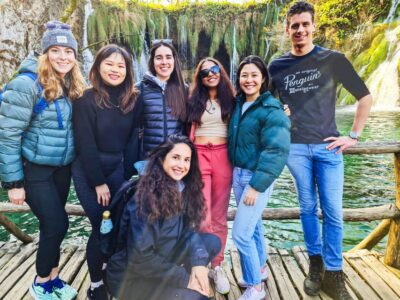
Plitvice & Rastoke Guided Day Trip with Ticket
Read our review →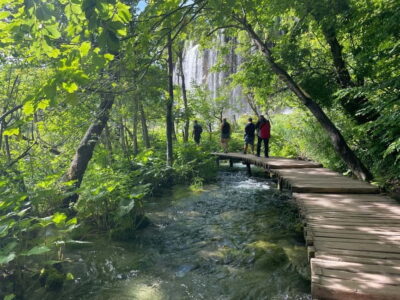
Rastoke & Plitvice Lakes Guided Tour with Ticket
Read our review →
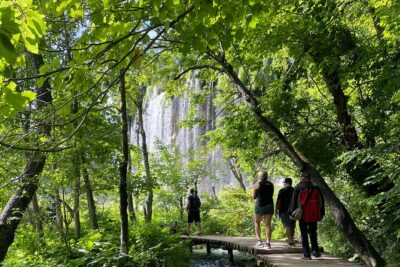
Plitvice Lakes with Ticket & Rastoke Guided Tour from Zagreb
Read our review →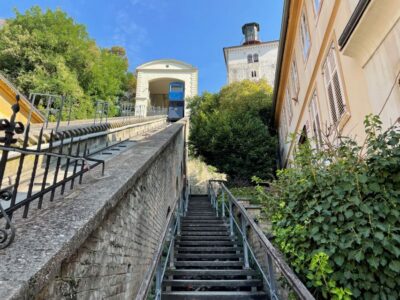
Small Group Walking Tour City Center and WW2 Tunnels
Read our review →
Skip-the-Ticket-Line Museum of Broken Relationships
Read our review →
Plitvice and Rastoke day trip from Zagreb w/ticket (guar. dep.)
Read our review →Browse the lists this tour appears in