
Reviewed · CROATIA
Give Bees a chance!
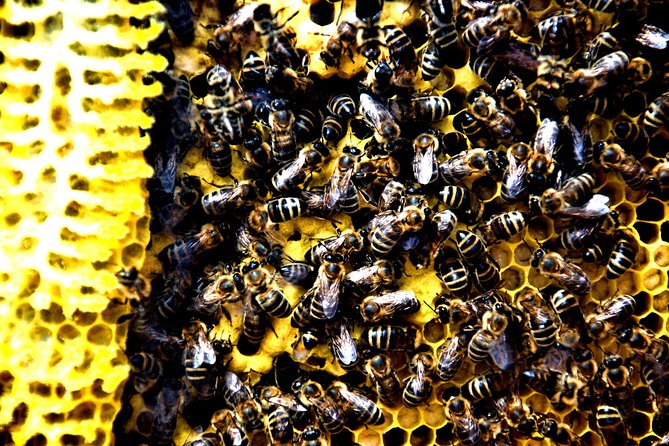
Solta’s bees take center stage here, not just the honey they produce. At Tvrdic Honey, Goran Tvrdić explains how a working hive functions, why bees matter to food and health, and what modern threats they face. You can look inside a real hive without risking a sting, then taste several kinds of Solta honey.
I like the close look at a live hive, which turns a familiar jar of honey into something much more meaningful. I also like the generous island welcome, with hotel or port pickup and a small group capped at 15 people. The main consideration is timing: the visit lasts about an hour, so it is a focused introduction rather than a full farm tour or long beekeeping workshop.
Key points to know before you book
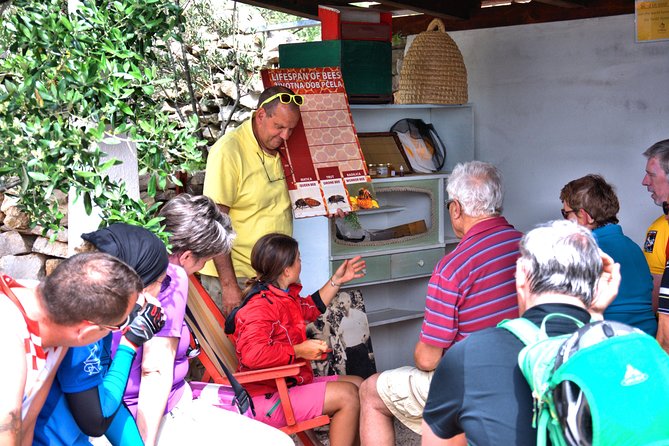
- See inside a real hive safely: Watch the internal workings of a live colony without putting your hands into the hive or wearing protective gear.
- Meet Goran Tvrdić: His family has kept bees for generations, and his presentation combines useful facts with plenty of humor.
- Taste Solta’s rosemary honey: This local variety receives special attention, along with other honeys and propolis products.
- Explore a global honey collection: Honey sent from all continents forms an unusual display tied to the family’s message of giving bees a chance.
- Keep the visit easy from the port: Pickup and return are offered from hotels or ports, with the stated meeting point at Rogač Port.
- Plan for a compact experience: The activity lasts about one hour and is offered in English, making it a simple addition to a day on Solta.
A close look at Solta’s working bees
The best part of this experience is that it connects the small act of tasting honey with the larger life of a bee colony. You do not simply sample a sweet local product and move on. Goran explains the hidden work behind each jar, from the behavior of the bees to the role of pollen, propolis, and royal jelly.
That wider view matters. Bees affect far more than breakfast toast. Their work supports the plants that feed us, while their products have long been used in food and health care. The talk also covers the problems bees face in the modern world, giving the visit a clear purpose beyond shopping.
Goran’s style is a major part of the experience. He uses humor, tells stories, and keeps the subject easy to follow. The presentation has enough substance for adults who want to learn, but the relaxed delivery should also hold the attention of children and teenagers.
You should not expect a formal lecture filled with technical terms. Instead, you get a personal explanation shaped by generations of beekeeping on Solta. That makes the session feel more like a family introduction to a way of life than a standard sales pitch.
Other Dalmatia days people book on the same trip:
- Whitewater Rafting on Cetina River from Split or Šestanovac
★ 5.0 · 560 reviews - Extreme Canyoning on Cetina River from Split or Šestanovac
★ 5.0 · 262 reviews - Montenegro: Bay of Kotor Day Trip from Dubrovnik English -Español
★ 4.5 · 188 reviews
What happens during the one-hour visit
The visit begins with an introduction to the family’s beekeeping tradition and the island setting. The Tvrdić family has kept bees for generations, and that background gives the talk a strong local connection. You learn how the bees live and work, and how the island environment influences the honey.
The live-hive display is the most unusual feature. You can see the internal workings of a real hive without the danger of being stung. This is a useful middle ground: you get a close view of the colony, but you are not signing up for a hands-on beekeeping lesson.
Goran also explains the different products made by bees. Expect discussion of honey, propolis, pollen, and royal jelly, along with the ways people use them in food and health care. The focus is on understanding what you are seeing and tasting, not simply placing products in front of you.
The tasting follows naturally from the talk. You try several honey varieties, including Solta honey, and can sample propolis products. Rosemary honey is a particular highlight. It offers a strong sense of the island’s plant life and is the variety I would make sure not to skip.
The experience also includes an unusual collection of honeys from around the world. People who visited the family sent honey from every continent, helping build what the family believes is one of the largest collections of its kind. The collection adds a global touch to a very local visit. You begin with Solta, then see how honey differs across the world.
The tour ends back at the meeting point. Since the activity is short, you can fit it into a larger Solta day without giving up hours of sightseeing. The tradeoff is that you will not get a long walk among apiaries or a full afternoon of rural activities. This is a compact talk, demonstration, and tasting.
Why Goran’s presentation matters
A bee talk can easily become dry. Goran avoids that problem with an entertaining presentation and a natural sense of humor. His approach is especially useful if you are visiting with mixed ages or with people who are not already interested in insects and agriculture.
He explains the subject clearly, but he also keeps the mood light. That balance came through in the descriptions of his presentation as funny, engaging, and easy to follow. You can expect a host who wants you to ask questions and leave with a better understanding of bees, not just a bag from the shop.
The family connection adds credibility without making the session feel formal. This is knowledge passed through a working tradition, not a scripted museum display. You hear about the practical side of caring for bees and the importance of protecting them from present-day pressures.
I also like that the message reaches beyond honey sales. The title, Give Bees a Chance, reflects the family’s wider concern for bees around the world. The international honey collection reinforces that point, linking a small island business with a broader effort to draw attention to pollinators.
Solta honey, rosemary, and the tasting
The tasting is not an afterthought. It gives you a direct way to compare the products discussed during the presentation. Different honeys have different character, and the tasting helps you understand that honey is not one uniform flavor.
Make time for the rosemary honey. It is repeatedly singled out as a favorite, and it makes sense as a local specialty to look for. Rosemary grows across the Mediterranean, so this variety gives you a distinctly Dalmatian taste to take home.
You may also try propolis products, and the talk covers pollen and royal jelly. These are useful details if you have seen such products in Croatian shops but never understood what they were for. The visit gives you context before you decide if you want to buy anything.
The shop is part of the experience, but you are not required to turn the visit into a shopping stop. You can enjoy the tasting, ask questions, and leave with a clearer idea of what makes island honey different. If you do want a souvenir, a jar of rosemary honey is more personal than a generic airport gift.
Food and drinks beyond the honey tasting are not included. Lunch is not included either, so plan this as a short stop between meals rather than a substitute for one. Drinks are also listed as not included.
Same stretch of coast, a completely different day out:
- Adrenaline Quad Safari Tour
★ 5.0 · 177 reviews - Canyoning on Cetina River from Split or Šestanovac
★ 5.0 · 173 reviews - Dubrovnik Airport Transfer (Private transfer)
★ 5.0 · 135 reviews - Islands & Caves Private Tour with pickup, drinks & fuel included
★ 5.0 · 102 reviews
The global collection and the local story
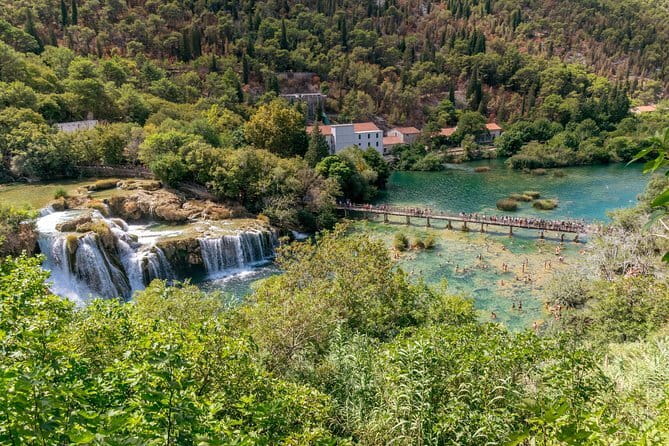
The international collection is a fun surprise because it expands the experience beyond Croatia. Honey from all continents shows how one product can reflect climate, plants, and local beekeeping customs in different parts of the world.
At the same time, the collection does not replace the Solta story. The local honey remains the reason to visit, and the island setting gives the tasting its character. You get both scales in one hour: a family tradition rooted on Solta and a look at beekeeping as a worldwide concern.
This pairing is valuable if you like small museums, family businesses, and food experiences with a real sense of place. The collection gives you something visual to explore, while the tasting gives you something sensory. Neither part needs a long explanation to be memorable.
Pickup from Rogač Port and the practical setup
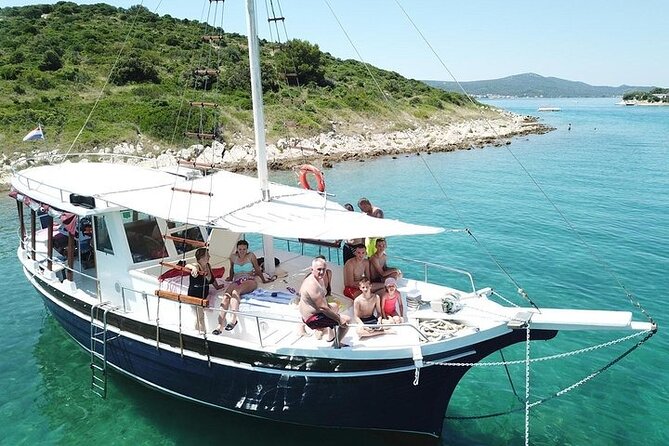
The stated meeting point is Rogač Port, at D112 32, 21430 Rogač, Croatia. Hotel and port pickup and return are included, which can simplify the visit if you arrive by ferry or are staying elsewhere on Solta.
One description of the experience includes a lift from the ferry and back again, so pickup can be particularly helpful for a port arrival. Still, confirm the exact pickup arrangement when booking, especially if you are not starting at Rogač Port.
The activity is offered in English and provides a mobile ticket. Confirmation is sent at booking. The group maximum is 15 people, which is small enough for questions and personal attention without promising a private tour.
The child rate applies only when a child shares with two paying adults. Most people can participate, and no special fitness level is stated. Since the visit is primarily a presentation, hive viewing, and tasting, it should suit families, couples, groups of friends, and anyone building a day around Solta’s villages and food traditions.
The experience is generally booked well ahead, about 36 days in advance on average. That is a useful warning if your ferry schedule or island stay is fixed. Free cancellation is available if you cancel at least 24 hours before the start time. Changes or cancellations inside that window are not accepted for a refund.
Is $30.04 good value for one hour?
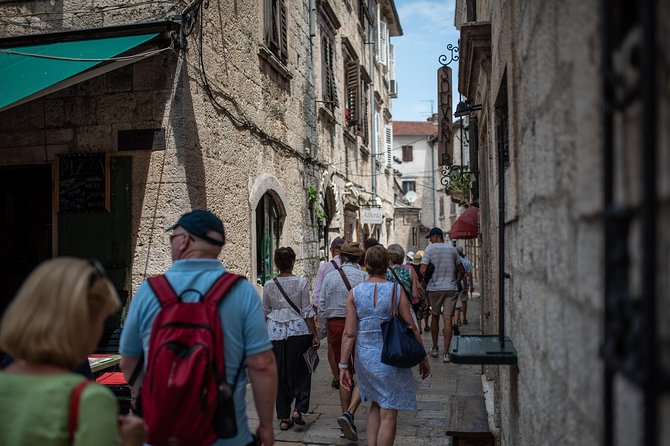
At $30.04 per person, this is not the cheapest honey tasting you could find. The price makes more sense when you count the parts included: a guided presentation, a live-hive viewing, tasting, access to the family collection, and hotel or port transport.
Pickup can save you the hassle of arranging a separate ride, especially on an island where your day may depend on ferry times. The small group also matters. You are paying for a personal explanation from a family beekeeper rather than only sampling products at a shop counter.
The short duration keeps the price from becoming a major part of your day. You can combine it with time in Rogač, Grohote, or another Solta stop. If you want a half-day farm visit, hands-on hive work, or a full meal, this will feel limited. If you want an informative local stop with a clear start and finish, the value is stronger.
I would see it as a good buy for people who care about food origins, family traditions, and nature. It is less suitable if you are looking only for a quick purchase of honey and have no interest in how it is made.
Who will enjoy this most
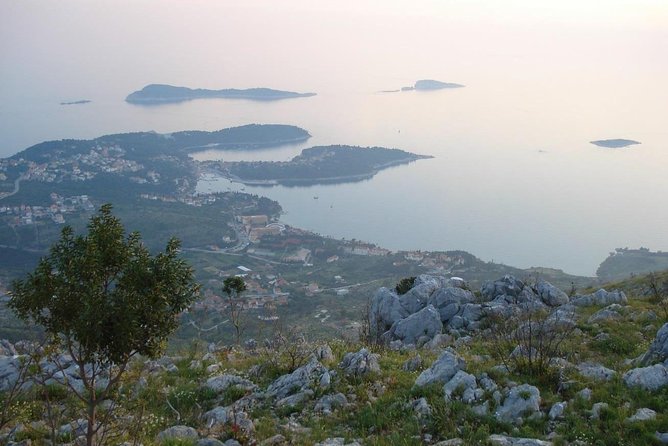
Families should find the format easy to manage. The humor and live-hive display give children something concrete to watch, while the wider discussion of food supply and bee conservation gives adults more to think about.
It also suits a mixed-age group. People from teenagers to older adults can follow the presentation, and the tasting gives everyone an active part in the visit. The group size of up to 15 helps keep the session from feeling too distant.
Cyclists and small organized groups can also fit it into a wider island outing. The activity lasts about an hour, so it works as a planned stop rather than taking over the day.
You should book it if you want a local experience with a strong host and a clear environmental message. Skip it if you are looking for a long outdoor adventure, a full meal, or hands-on work with bees. The listing does not promise those things, and the short format is best understood on its own terms.
Final booking advice
I would book Tvrdic Honey if you are spending time on Solta and want something more personal than a standard shop visit. The live-hive view, the rosemary honey tasting, and Goran’s funny, clear presentation give the hour real substance.
Book ahead if your island plans are tight, and use the pickup option if you are arriving through Rogač Port. Leave room for the tasting, ask about the different bee products, and do not miss the global honey collection.
At 4.9 out of 5, with 96 percent of customers recommending it, this experience has a strong record. More important, it offers a rare look at the work behind a familiar food. For a modest slice of your Solta day, it gives you local flavor, practical learning, and a reason to care about the next bee you see.
FAQ
Where does the bee experience begin?
The stated meeting point is Rogač Port at D112 32, 21430 Rogač, Croatia. The activity ends back at the meeting point.
Is pickup included?
Yes. Hotel and port pickup and drop-off are included.
How long does the experience last?
The activity lasts approximately one hour.
What language is the experience offered in?
The experience is offered in English.
What will I see and taste?
You can view the internal workings of a real hive safely, learn about bees and their products, and taste Solta honey. The tasting can include several honey varieties and propolis products, with rosemary honey a notable local option.
How far in advance can I cancel?
You can cancel for a full refund up to 24 hours before the experience start time. Cancellations or changes made less than 24 hours before the start time are not accepted for a refund.
Just added around Dalmatia
- Zrce Booze Cruise – Novalja Boat party★ 4.5 · 26 reviews
- Wine Tasting & Winery Tours★ 5.0 · 7 reviews
- Vis sandy beach Stand Up Paddle Tour★ 5.0 · 16 reviews
- Stiniva, Green Cave, Blue Lagoon & Secret places★ 4.5 · 23 reviews
- Half-Day River Rafting in Zrmanja★ 5.0 · 7 reviews
- Snorkeling tour Makarska Riviera, islands of Hvar or Brač★ 4.0 · 14 reviews
- Vis Military Tour★ 5.0 · 53 reviews
- Explore Dubrovnik by Sea – Rent a JET SKI Yamaha VX 1, 4 or 8 Hours★ 5.0 · 48 reviews