
Reviewed · VIS ISLAND TOURS
Hvar Wine Tour + Dalmatian Dinner
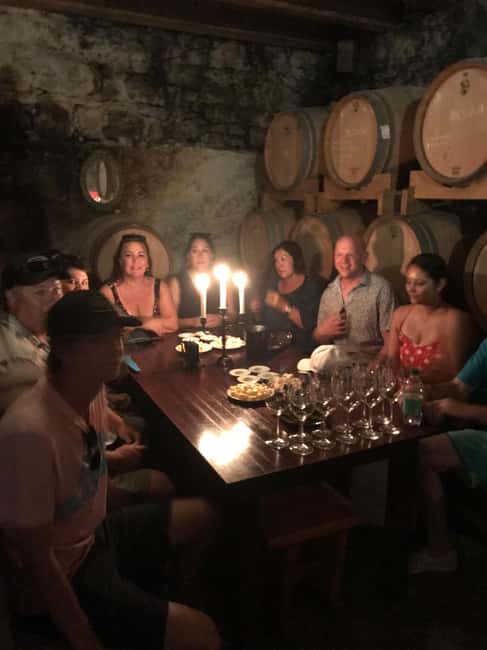
Hvar’s best wine country lies away from Hvar town, so this tour gives you more than a tasting room. You cross the island with a local driver, stop at two wineries, and finish with a traditional Dalmatian dinner in a village setting. The island’s strong wind and bright sun help shape its grapes and its wines.
I like the mix of wine and island scenery, especially the chance to see places such as Napoleon Fortress, lavender fields, and the small chapel of St. Roch when the route allows. I also like the dinner choice: Gregada, a fish and potato stew, or Pašticada, slow-cooked beef with gnocchi.
The main consideration is the price, $276 per person, which is a serious spend. You are paying for private-style transport, two tastings, dinner, and a full day beyond Hvar town, but the exact wineries and extra stops depend on availability.
Key points to know before booking
- Hvar’s wine country is across the island: The drive takes you away from the crowds of Hvar town and into the main growing areas.
- Two winery visits are included: Possible stops include Dubokovic, Carić, and Ventus, depending on availability.
- The wine styles are quite different: You may visit an established family producer, a small young label, or an ecological boutique winery.
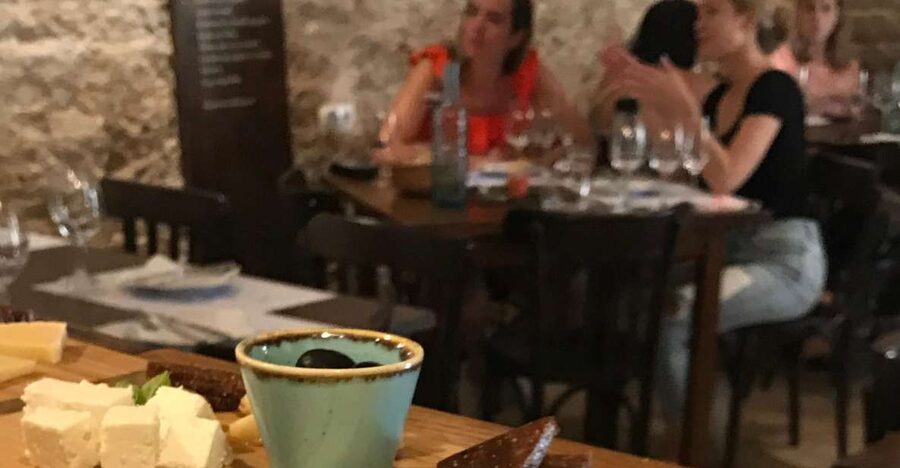
- Dinner is proper Dalmatian food: Choose between Gregada or Pašticada, with local wine and water included.
- The guide shapes the day: A driver such as Kinko may add history, photo stops, and local context along the way.
- The group must have at least two people: A confirmed booking can be cancelled if too few people sign up.
Why Hvar is such a good island for wine
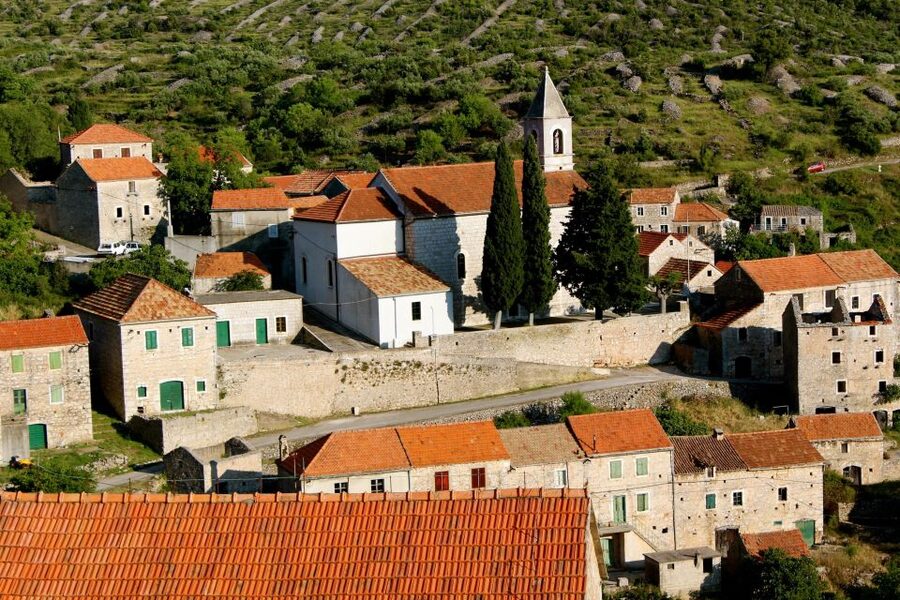
Hvar has been growing grapes and making wine since at least 300 BC, when ancient Greeks and Romans saw practical value in the crop. Wine offered food, trade, and medicinal use, while vineyards made good use of the island’s dry ground and long hours of sun.
The local wind matters, too. Hvar is exposed to strong air currents that help keep vines dry and reduce some disease pressure. Add plenty of sunlight, and you have conditions suited to concentrated grapes. That does not mean every bottle will suit your taste, but it does explain why wine is part of the island’s identity rather than a side attraction.
You begin in Hvar town, then cross to the other side of the island. The trip is useful for anyone who has spent most of a stay around the harbor and narrow lanes of Hvar town. You see a broader slice of Hvar, with farming villages and old wine areas replacing yachts and waterfront restaurants.
The drive itself is part of the value. You do not need to arrange a rental car, find the wineries, or worry about drinking before driving. Your English-speaking driver handles the transport and adds local information as you go.
More Vis Island wineries worth an afternoon:
- Hvar: Wine & Chocolate Tasting
★ 5.0 · 3 reviews - From Split: Krka Waterfalls, Food & Wine Tasting Tour
★ 5.0 · 9,326 reviews - From Split: Krka Waterfalls, Food & Wine Tasting Tour
★ 4.9 · 6,598 reviews
The drive from Hvar town to the wine villages
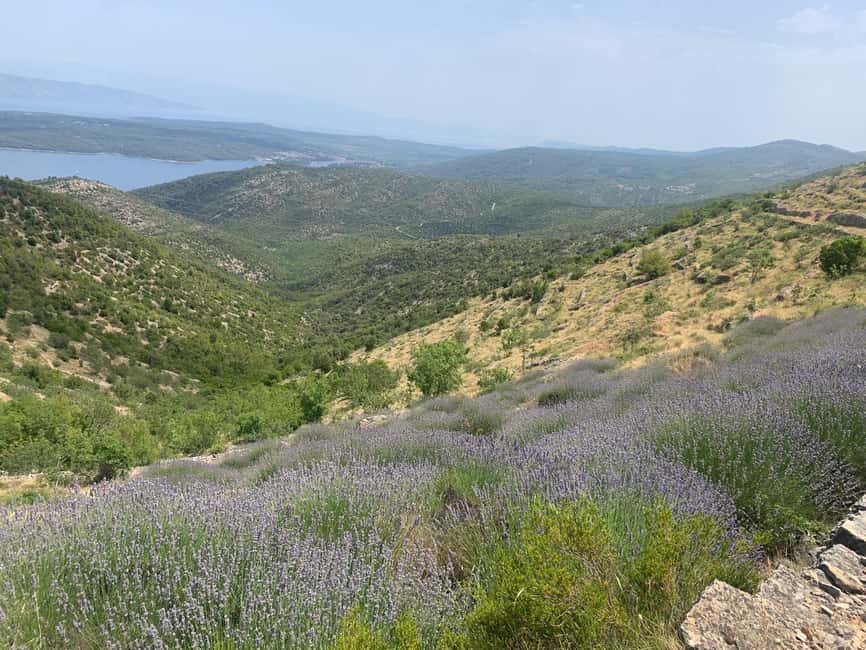
The route heads toward the island’s most important wine region, with the exact sequence shaped by the wineries available that day. One possible route includes Napoleon Fortress for wide views, a stop near lavender fields, and Kapelica sv. Rok, a small religious site with local interest.
Napoleon Fortress is especially worthwhile if the weather is clear. From above Hvar town, you can look across the island and out toward distant islands, with views reaching as far as Biševo on a particularly clear day. Bring a camera, but also wear shoes with a good grip.
The lavender stop may not look as you expect if the flowers are out of season or the fields are less dense than imagined. Still, it adds useful context because lavender is another important island product. You get a glimpse of how Hvar’s dry conditions support more than grapevines.
Kapelica sv. Rok is a smaller stop, better suited to people who like local landmarks rather than major monuments. These additions are not the central reason to book the tour, but they help break up the drive and give you more than a sequence of winery visits.
The day is not a fixed sightseeing circuit with every stop guaranteed. Your guide and the available wineries determine the final flow. That flexibility can work in your favor, but you should not book expecting a precise list of every photo stop.
Dubokovic in Jelsa, a small producer with a big reputation
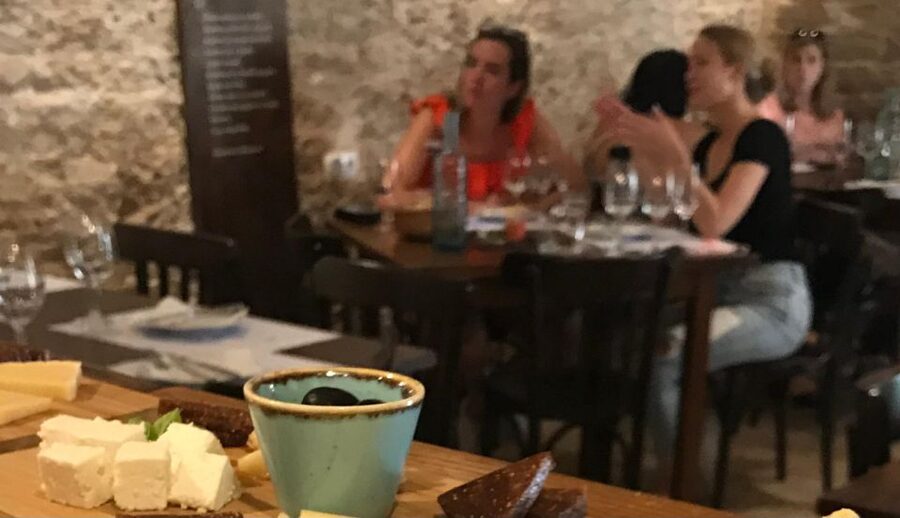
Dubokovic is based in Jelsa and represents the ambitious side of Croatian winemaking. The producer began without large vineyards, relying in part on grapes bought from other growers. That makes the story different from a traditional family estate, where the same family has owned the vines for generations.
The winery’s 2718 hours in the bottle idea gives the tasting a clear focus on time and aging. You can expect the host to explain how the wine develops and why a particular bottle is treated as something more serious than a quick island pour.
Dubokovic wines have become sought-after in top Croatian restaurants, hotels, and specialist wine shops. The regular vintage wines are also among the most expensive in Croatia. That reputation may appeal to serious wine drinkers, but it can also raise expectations. If you prefer simple, inexpensive table wine, this stop may feel more formal than necessary.
The advantage of visiting in person is the chance to connect the bottle with the island and the producer. Instead of seeing a costly Croatian label on a restaurant list, you get the story behind its production and a guided taste.
Carić in Vrboska, a family link to the vineyards
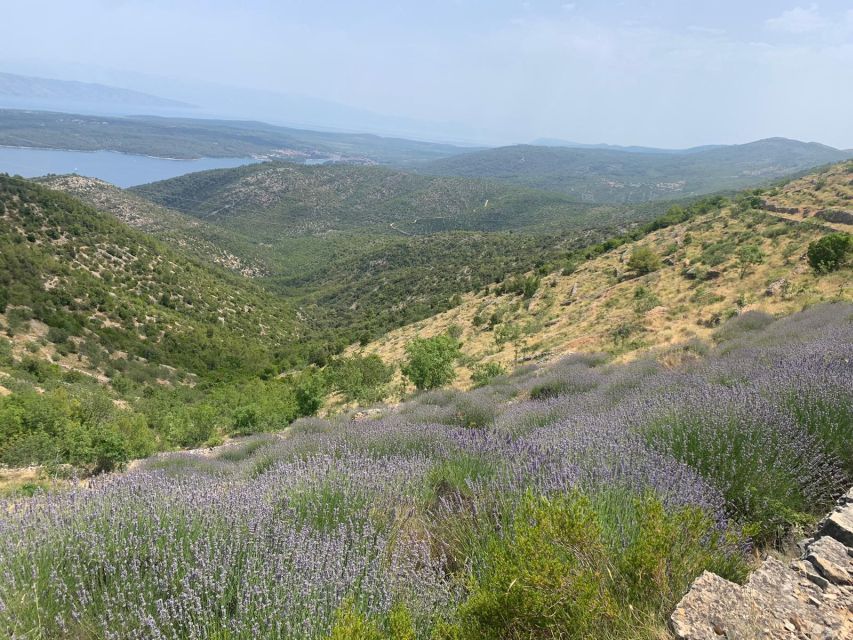
The Carić family has worked with vineyards for generations, and its wines are produced under the Vino Hvar name. The family owns five hectares in Vinogorje Hvar, a designated wine-growing area.
This stop offers a useful contrast with Dubokovic. Carić is tied more directly to family land and long-term vineyard work, while Dubokovic is associated with a newer, highly ambitious approach. You can compare not only the flavors in the glass but also the business stories behind the bottles.
The family describes each wine as having its own path from vineyard to winery. That kind of explanation is valuable because it gives you a better way to taste. You can ask about the growing area, the grapes, and how the wine reflects its site instead of treating the tasting as a simple series of samples.
Vrboska itself adds to the appeal. The village setting feels removed from Hvar town’s busy waterfront, and the stop helps show how wine fits into everyday island life. If you want a family producer with its own vineyards and a clear local connection, Carić is a strong possibility.
More dinners out in Vis Island:
- Dolphin Watching & Sunset Boat Tour With Dinner and Drinks
★ 5.0 · 1,075 reviews - Pula: Brijuni Sunset Dolphin Cruise with Dinner & Drinks
★ 4.5 · 764 reviews - Fantastic DOLPHIN & SUNSET TOUR with dinner ( Pula-NP BRIJUNI )
★ 5.0 · 618 reviews - Pula: Brijuni National Park Sunset, Dolphins & Dinner Cruise
★ 4.7 · 607 reviews
Ventus in Vrisnik, wine shaped by the wind
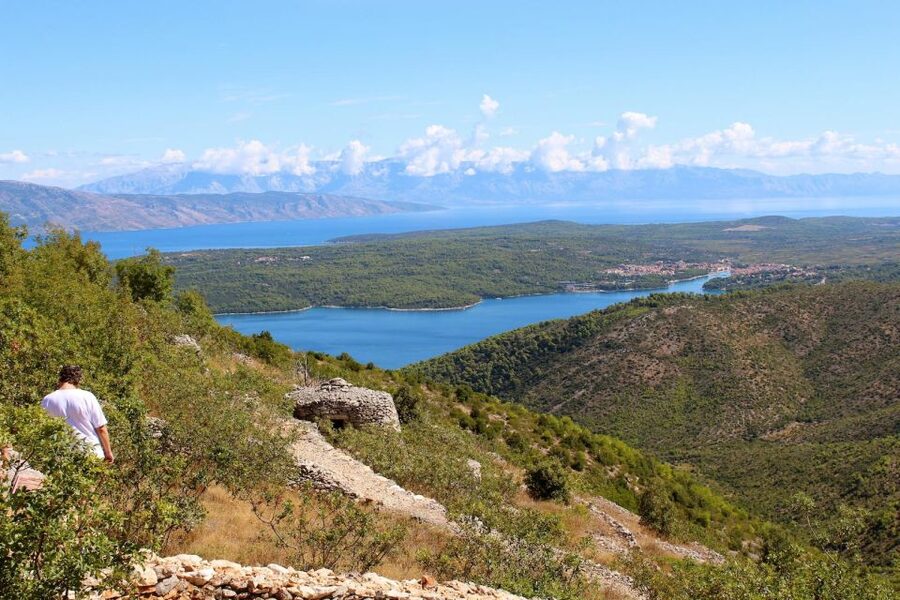
Ventus is the youngest of the named wineries, opening in Vrisnik in 2019 as the joint project of two friends. Its name comes from the Latin word for wind, and the logo is based on a wind rose.
The theme continues through the wines, which are named for winds associated with the vineyard locations. The producer also works ecologically, making this a good stop for anyone interested in newer Croatian wine projects and environmental methods.
Ventus gives the tour a different pace from the older family tradition represented by Carić. You are not only tasting a product with a long local story. You are also seeing how younger producers are building a wine identity around Hvar’s weather and geography.
The tour includes two winery tastings, not all three named producers. The wineries are selected according to availability, so you should treat Dubokovic, Carić, and Ventus as possible choices rather than a guaranteed trio. That is important if one particular producer is your main reason for booking.
What the two tastings are like
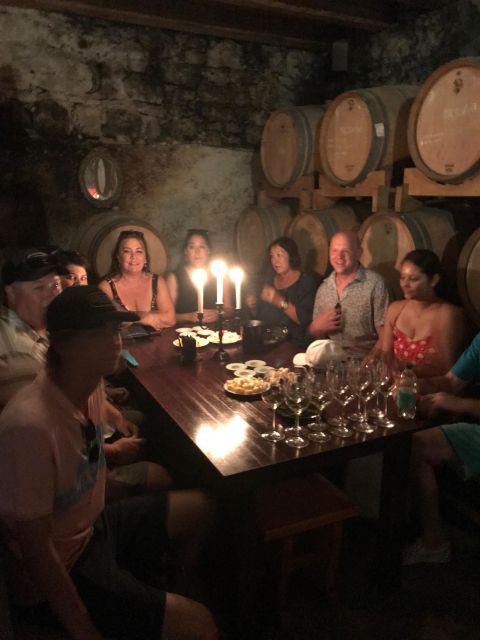
The two winery visits use different setups, which helps keep the day from feeling repetitive. One may feel more tied to a family vineyard, while another may focus on a boutique label, wine aging, or ecological production.
Hosts explain the wines and food pairings, so you do not need to arrive with specialist knowledge. I like this format because pairing information gives you something practical to take into your next meal. You learn which wines work with fish, cured meat, cheese, or heavier stews.
The tastings are also a chance to compare Hvar’s wine culture at different scales. A producer with a small plot and a strong restaurant following tells one story. A five-hectare family operation tells another. A modern winery built around the island wind gives you a third view.
You should bring cash, even though the tastings and dinner are included. The supplied details do not state which extras may require payment, but cash is recommended and is sensible in small villages and winery settings.
A traditional Dalmatian dinner in a quiet village
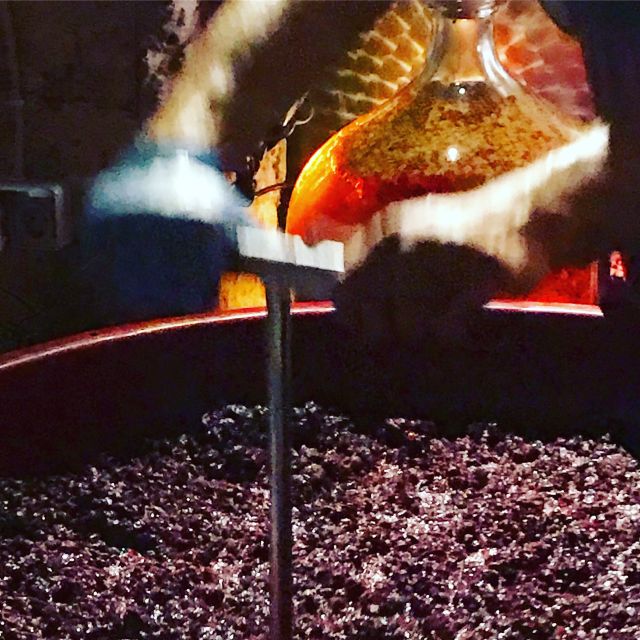
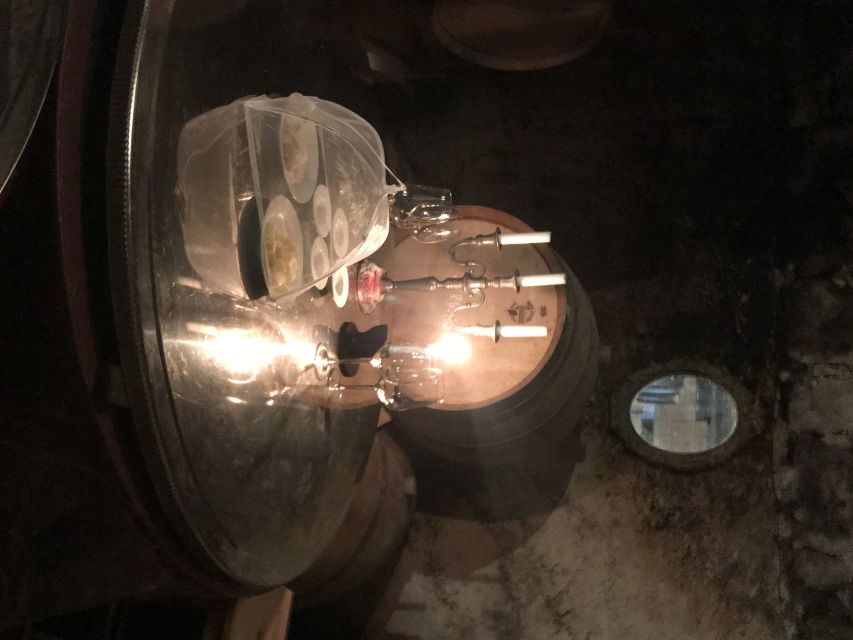
After the tastings, you sit down to a traditional Dalmatian meal in one of the island’s charming villages. The dinner is not an afterthought. It is the part of the day that turns the wine visits into a full food-and-culture experience.
The opening course includes local cheese and smoked ham, island extra virgin olive oil, and marinated fish. These are straightforward local flavors, and they give you a chance to try island products before the main dish arrives.
For the main course, you choose fish Gregada or meat Pašticada. Gregada is a stew of fish and potatoes, a practical Dalmatian dish that lets the seafood carry the meal. Pašticada is slow-stewed beef served with gnocchi, a richer choice that suits anyone who prefers a hearty plate.
The meal may not always follow the dishes you first expect. One route included Pašticada with gnocchi and lavender cheesecake rather than Peka and an almond dessert. The food was still considered delicious, but this is a useful reminder that village menus can change.
Dessert is listed as the daily dessert, so you should expect whatever the kitchen is serving that day. Local wine and water are included with the meal. If you have allergies, tell the operator before the tour, not when you sit down to eat.
What the $276 price means
At $276 per person, this is not a budget winery outing. The price makes more sense if you value a private-style vehicle, a local driver, two tastings, and dinner without having to organize the route yourself.
Transport is a major part of the calculation. Hvar’s wine villages are not simply around the corner from town, and a self-drive plan creates a problem once you begin tasting. Here, you can enjoy the wine and let the driver handle the island roads.
The price also buys access to producers that may be difficult to arrange independently. Dubokovic, Carić, and Ventus are not interchangeable stops, and the tour links wine with the island’s villages, views, and food.
Still, the value depends on your priorities. If you want only a few casual samples, the cost will feel high. If you want a full island outing with food, scenery, history, and serious Croatian wine, the package is easier to justify.
The small-group format matters as well. It gives the day a more personal feel than a large bus excursion, though the exact group size is not provided. A minimum of two people is required, and the tour can be cancelled after confirmation if that minimum is not met.
Who will enjoy this Hvar wine tour most
I would choose this tour if you want to get beyond Hvar town without renting a car. It suits couples, food lovers, wine drinkers, honeymooners, and anyone who wants one organized day that combines several parts of island culture.
It is also a good fit if you enjoy meeting producers with different backgrounds. You may compare an ambitious Jelsa label, a long-established family operation in Vrboska, and a newer ecological winery in Vrisnik.
The tour is less suitable if you want a strict schedule or one guaranteed winery. Availability controls the final selection, and the extra sightseeing stops can vary. It may also disappoint anyone looking for a very inexpensive tasting with no long drive.
Wear comfortable shoes and bring a camera. The route includes viewpoints and village stops, not just indoor tastings. You should also carry cash and notify the operator about allergies in advance.
English is the stated tour language. Payment can be made later, and cancellation is free up to 24 hours before departure. Those terms give you useful flexibility, but the minimum group requirement still applies.
Should you book the Hvar Wine Tour and Dalmatian Dinner?
Book it if you want to see Hvar’s wine country in one well-organized outing and you are comfortable paying for convenience and a substantial meal. The strongest parts are the contrast between the possible wineries, the island views, and the chance to finish with real Dalmatian cooking rather than a generic restaurant dinner.
I would be more cautious if your main aim is to visit one specific producer. The two wineries depend on availability, so ask about the planned stops before committing. Also ask about the expected route if Napoleon Fortress, lavender fields, or Kapelica sv. Rok matter to you.
For wine lovers and couples seeking a slower day outside Hvar town, this is a strong choice. For casual drinkers watching every euro, it is probably too expensive.
FAQ
Where does the Hvar Wine Tour begin?
The tour begins in Hvar town.
How many wineries are included?
Two wine tastings at two wineries are included. The wineries depend on availability.
Which wineries might be visited?
Possible wineries include Dubokovic in Jelsa, Carić in Vrboska, and Ventus in Vrisnik.
Is dinner included?
Yes. Dinner is included after the winery visits, along with local wine and water.
What food is served at dinner?
The meal includes local cheese, smoked ham, island extra virgin olive oil, and marinated fish. The main course is either Gregada with potatoes or Pašticada with gnocchi, followed by the daily dessert.
Is the tour offered in English?
Yes. English is the stated tour language.
Is a driver included?
Yes. A driver is included, and the tour begins with transport from Hvar town to the island’s main wine region.
What should I bring?
Bring comfortable shoes, a camera, and cash. You should also tell the operator about any allergies.
Can the tour be cancelled if too few people book?
Yes. At least two people are required. If that minimum is not met, the tour may be cancelled after confirmation, with best efforts made to offer an alternative. If no alternative is possible, you receive a full refund.
More Places to Eat in Vis Island
- Dolphin Watching Tour – 85% Chance – Drinks & Dinner Included
★ 4.5 · 575 reviews - Pula: Dolphin Sunset Cruise to Brijuni with Dinner & Drinks
★ 4.6 · 511 reviews - Pula: National Park Brijuni Dolphin Cruise with Dinner
★ 4.5 · 423 reviews - 3hours Dolphin Sunset watching with unlimited drinks +dinner
★ 4.4 · 401 reviews
Just added around Vis Island
- Stiniva, Green Cave, Blue Lagoon & Secret places★ 4.5 · 23 reviews
- Split: Private Boat Rental★ 4.6 · 5 reviews
- Private speedboat tours Sea Symphony★ 5.0 · 6 reviews
- Blue Cave & Island Treasures: Komiža & 5 Gems Boat Tour★ 5.0 · 3 reviews
- Hvar:Blue & Grenn Cave and Vis Island Private Speedboat Tour★ 5.0 · 3 reviews
- Hvar: Wine & Chocolate Tasting★ 5.0 · 3 reviews
- Hvar: Private Blue Cave and Vis Speedboat Tour★ 5.0 · 4 reviews
- Hvar: Blue and Green Caves Boat Tour with Stiniva Beach★ 4.5 · 50 reviews
Vis Island Tours, compared.
Blue Cave & Vis Island speedboat tour from Hvar
Read our review →
Blue & Green Cave Vis Island and Pakleni Islands Private Day Trip from Hvar
Read our review →
Speedboat tour – Vis, Biševo & Blue Cave (shared)
Read our review →
Blue Cave, Komiža, Stiniva Bay, Budikovac, Hvar Split Island Boat Tour
Read our review →
Blue and Green Caves Boat Tour with Stiniva Beach
Read our review →
Browse the lists this tour appears in