
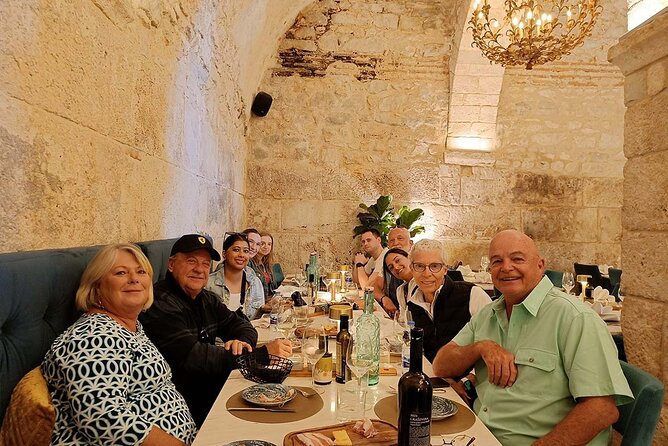
Reviewed · SPLIT TOURS
Split Food Tour: Discover Split One Bite At A Time
Split is easiest to understand with a fork in one hand and a walking map in the other. This four-hour tour leads you through the cobbled lanes around Diocletian’s Palace, stopping at five eateries for a full spread of Dalmatian food rather than a few market nibbles.
I like the generous menu, which runs from prosciutto and local cheese to black risotto, pasticada, burek, and gelato. I also like the small maximum group of 12, since guides such as Ivana, Dino, Marina, Tea, and Yvonne can give the tour a personal feel. The one caution is the price, $145.12 per person, which is fair only if you want both a substantial meal and a city walk, not just a quick tasting.
Key things to know before you book
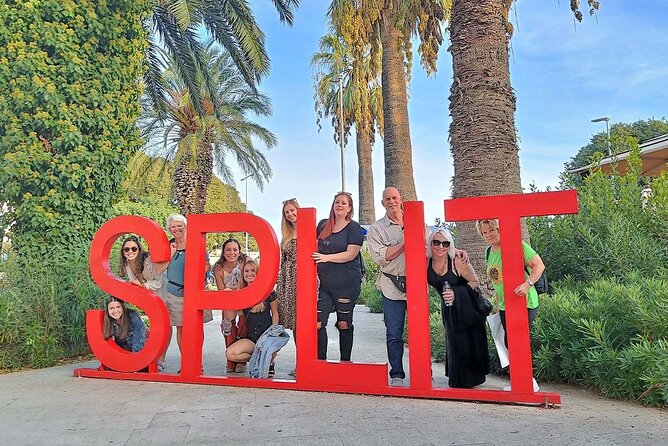
- Five proper food stops: You eat at local establishments, not just from market stalls, and the portions can add up to a very filling midday meal.
- Split history comes with lunch: The route passes major sights around the 1,700-year-old palace, with stories about Emperor Diocletian and city life.
- A small group matters: With no more than 12 people, it is easier to hear the guide and ask questions.
- The menu covers classic Dalmatian flavors: Look for cured meats, seafood, beef, handmade-style dough dishes, rakija, and gelato.
- Dietary requests need advance notice: Pescatarians, people avoiding gluten, and many people with allergies can be accommodated, but the tour is not suitable for vegetarians or vegans.
- Plan to arrive hungry: This is closer to a long lunch with sightseeing than to a light snack walk.
Why food is the right way to see Split
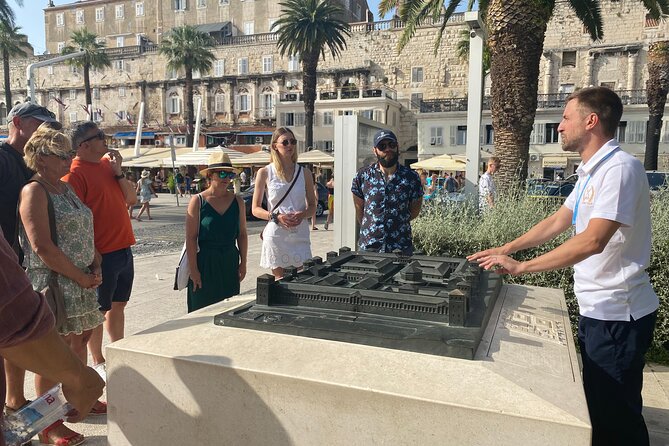
Split’s old center is not a museum district sealed off from daily life. People live, shop, eat, and meet inside and around the remains of Diocletian’s Palace. That makes a food walk a useful way to connect the stones with ordinary life.
The tour begins at the Split sign in the Grad area and returns there at the end. You walk between stops, so no private vehicle or separate sightseeing tour is needed. The route uses the old town as its setting, with history added as you go rather than delivered as a long lecture at one fixed site.
I like that balance. You see important corners of the palace, pause for food, then keep moving. Guides are reported to bring different personalities to the route. Ivana is described as warm and especially strong on local food and city history. Dino brings an energetic style and often explains how a dish fits into Split’s past. Marina is known for humor, lively delivery, and careful answers to questions. Tea and Yvonne have also led tours praised for their food explanations and local context.
Your guide will vary, so do not book around one specific person unless the operator confirms the assignment. The common thread is that the guides are licensed locals, and the tour depends heavily on how much you enjoy conversation and storytelling.
More food tours in Split:
- From Split: Krka Waterfalls, Food & Wine Tasting Tour
★ 5.0 · 9,326 reviews - From Split: Krka Waterfalls, Food & Wine Tasting Tour
★ 4.9 · 6,598 reviews - Split: Blue Lagoon and 3 Island Cruise with Food and Drinks
★ 4.8 · 1,969 reviews
Stop one: Dalmatian charcuterie and local olive oil
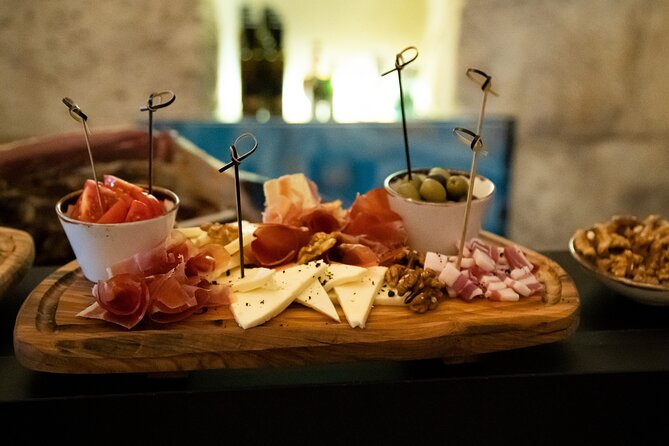
The opening course is a charcuterie board with Dalmatian prosciutto, pancetta, cheese, olives, assorted salts, homemade bread, and olive oil. This is a good introduction because it shows how much of Dalmatian cooking depends on a few strong ingredients rather than elaborate sauces.
The prosciutto is air-dried in the local style, and the board gives you a chance to compare salty, fatty, sharp, and briny flavors in one sitting. Bread and olive oil keep the course simple. You may also hear about the role of preservation in Croatian food, especially before modern refrigeration made daily storage easy.
This first stop sets the pace. You are not grabbing one bite and moving on. You sit, taste, and talk. It is also one of the safer courses for cautious eaters, though anyone with dairy or pork restrictions should contact the operator before booking.
Stop two: Black risotto with Adriatic cuttlefish
The seafood course is black risotto made with Adriatic cuttlefish and cuttlefish ink, served with local bread and olive oil. The dark color can look dramatic, but the real point is the taste and texture of the cuttlefish.
Risotto preparation can differ from what you may know at home. Croatian risotto is often served quite al dente. If you prefer soft, creamy rice, the texture may seem undercooked. That is worth knowing before you arrive, since this dish has been the least successful part of an otherwise strong experience for at least one person.
Still, black risotto is an important local dish to try. It is not a generic seafood plate, and the ink gives it a savory character that links the meal to the Adriatic. If you do not eat shellfish or seafood, ask about substitutions in advance. Pescatarians can be accommodated, but the exact replacement may depend on the day.
Stop three: Pasticada, gnocchi, and a shot of rakija
The meat course brings pasticada, a Dalmatian beef pot roast, with homemade gnocchi and peka bread. You also receive a shot of rakija, the local liquor, as part of the included menu.
Pasticada is the sort of dish that explains why regional food is about more than postcard ingredients. It is slow, hearty, and built around a traditional preparation rather than a quick restaurant plate. The gnocchi make this the most filling course, so pace yourself early.
Rakija is included, but other drinks are not. The minimum drinking age is 18. You can purchase additional beverages at your own cost, and water is provided throughout the tour.
If you do not drink alcohol, ask your guide about skipping the shot. The tour specifically includes rakija, but there is no stated promise of a nonalcoholic replacement. Also note that this course makes the experience unsuitable for people following vegetarian or vegan diets.
Same stretch of coast, a completely different day out:
- Split: Krka Waterfalls Trip with Boat Cruise and Swimming
★ 4.8 · 10,519 reviews - Blue cave, Mamma Mia and Hvar, 5 islands speedboat tour
★ 5.0 · 7,150 reviews - Split/Trogir: Blue Cave, Mamma Mia, Hvar and 5 Island Tour
★ 4.6 · 6,320 reviews - Blue Lagoon & 3 Islands Cruise with Lunch from Split
★ 4.5 · 5,756 reviews
Stop four: Burek, a Balkan comfort snack
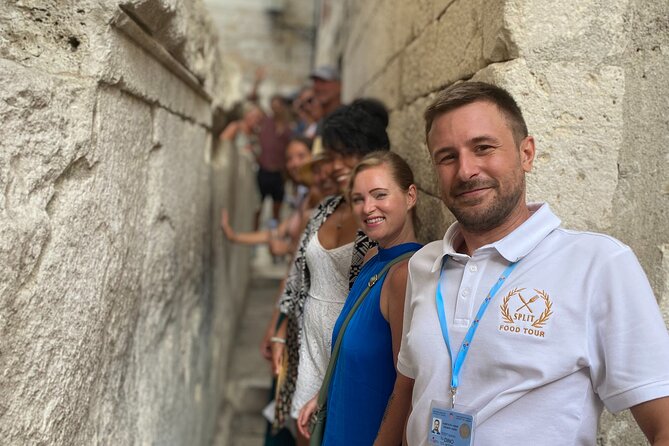
Burek is a thin, flaky pastry with a choice of fillings. It is a popular Balkan snack and gives the tour a different texture and scale from the sit-down dishes.
After charcuterie, risotto, and beef, burek may sound like a small extra. In practice, it adds another substantial layer to the meal. The pastry is useful for understanding the wider food influences found in Split, where local cooking sits at the meeting point of Mediterranean and Balkan traditions.
The filling options may vary, so this is another place where you should tell the operator about allergies or dietary needs before the tour. The company says it can handle many nut allergies, shellfish allergies, and gluten-free diets, but advance notice is essential. Vegetarian substitutions may sometimes be possible at individual stops, yet the full tour is clearly not designed for vegetarians or vegans.
Stop five: Gelato, sorbet, and a lavender finish
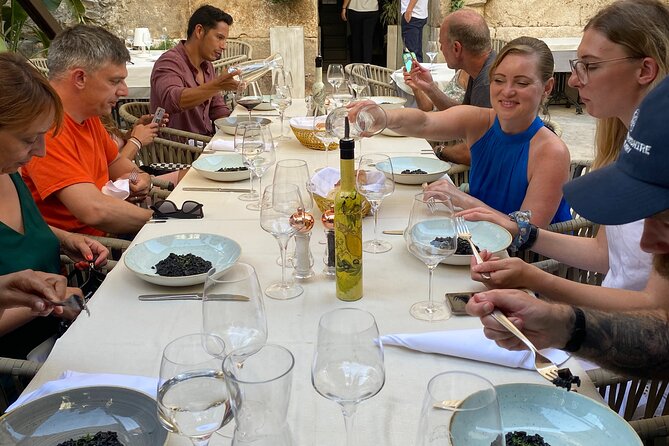
The final course is gelato or sorbet. You choose the flavor, and lavender is recommended when available.
Lavender gelato is a distinctive way to finish a meal in Split. It is not a traditional main course, of course, but it gives you a local flavor to remember and a lighter end after the heavier savory dishes. If lavender sounds too unusual, a standard gelato or sorbet flavor is also available.
This last stop helps the four-hour route end at a comfortable pace. You are not racing from restaurant to restaurant, and the dessert gives the group a natural chance to compare favorite dishes and ask for more suggestions.
The palace walk between courses
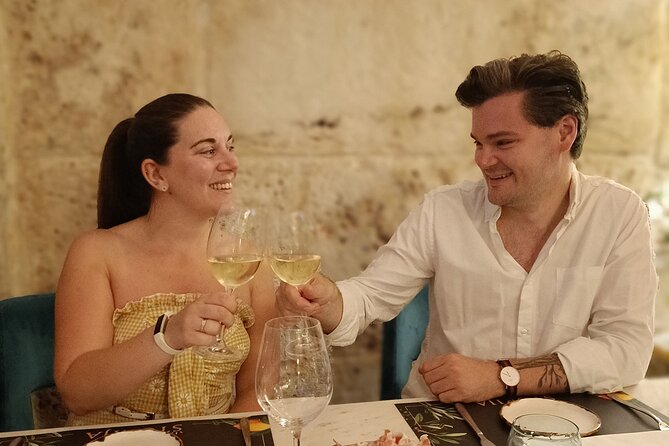
The food is only half the reason to book this experience. The walking route takes you through the area around Diocletian’s Palace, a UNESCO World Heritage Site with roughly 1,700 years of history.
You can expect to see major landmarks and hear about Emperor Diocletian, the Roman origins of the city, and how the palace area developed into the living center of Split. The food stops break up the history, which is helpful if you do not enjoy a long, formal city lecture.
The tour also gives you useful orientation early in a Split visit. Several guides provide advice on restaurants, shops, and things to do after the tour, and the included guidebook adds more ideas for the rest of your stay. I would schedule this experience near the start of a Split visit if possible. You can use the recommendations later, and you will recognize the old center more easily when exploring on your own.
One point to keep in mind: if you have already taken a full history walk through Diocletian’s Palace, some material will overlap. That does not make the tour pointless, but the history portion will be less new. In that case, book it for the food and local restaurant access rather than expecting a completely fresh palace lecture.
Is $145.12 a good price?
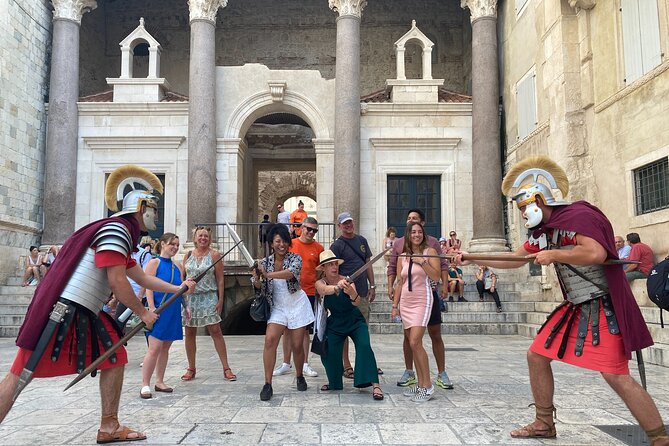
At $145.12 per person, this is not a bargain snack crawl. You are paying for about four hours, five food establishments, a licensed guide, water, the rakija shot, and a sightseeing walk through central Split.
The value improves if you count the food as a full lunch or early dinner. The menu includes several courses with enough quantity to leave many people very full. You also avoid the guesswork of choosing unfamiliar dishes and gain a guide who can explain what you are eating.
The value is weaker if you mainly want a few samples or plan to eat a large meal elsewhere immediately afterward. Five courses can be too much for light eaters, especially with pasticada, gnocchi, and burek in the same afternoon.
A group of seven can still feel manageable, and the maximum of 12 is small enough for conversation. The tour is offered in English and includes a mobile ticket. You will need to arrange your own way to Split’s old town, but the central meeting point is near public transportation, and private transportation is not part of the experience.
What the food quality is likely to be like
The overall menu is well chosen. It gives you a broad look at Croatian and Dalmatian cooking instead of repeating the same style of dish five times.
The strongest courses are likely to be the charcuterie, olive oil, pasticada, and gelato, though individual preparation can change. The seafood risotto is the most personal call. Some people will enjoy the cuttlefish and firm rice, while others may find the al dente texture too hard.
Restaurant quality can also vary slightly from stop to stop. The appeal is that you visit local places around the old town rather than eating one carefully staged meal in a single venue. That brings more variety, but it also means the experience is not as controlled as a private tasting menu.
Menu items may change with the season and availability. Think of the listed dishes as the planned food style, not an absolute guarantee that every plate will appear exactly as described.
Who will enjoy this tour most?
I would recommend it to first-time visitors who want their city orientation tied to food. It suits couples, families with older children, and small groups who enjoy sitting down to eat while learning about a place.
It is also a good fit for people who want local dishes but do not feel confident ordering them alone. Black risotto, pasticada, burek, rakija, and lavender gelato can be easier to try when someone explains what they are and how they fit into local life.
This is less suitable for:
- Vegans and vegetarians, since the tour is not designed for those diets
- Very light eaters who do not want a full meal
- People who dislike walking on cobbled old-town streets
- Anyone expecting a private or completely custom route
- Visitors who have already taken a detailed palace history tour and want no repeated information
Most people can participate, and service animals are allowed. The activity depends on good weather, though, and it can be canceled if the minimum group size is not met. In either case, you are offered another date, another experience, or a full refund.
Practical advice for a better afternoon
Arrive hungry, but do not skip breakfast if you need a steady start. Four hours and five stops is a lot of food, and the early charcuterie course can be more generous than the word tasting suggests.
Tell the operator about allergies or dietary restrictions after booking. The tour can accommodate many nut allergies, shellfish allergies, pescatarians, and gluten-free diets, but the staff needs warning before the day of the tour.
Wear comfortable shoes. This is a walking and sightseeing experience through the old center, not a vehicle-based food outing. Water is included, while extra drinks and gratuities are not.
Keep the guidebook. It is one of the more useful extras because it gives you ideas for what to do and where to eat after the four hours are over. Guides also share personal recommendations, so write down names and places as you go.
Finally, leave room in your schedule afterward. You may finish full, and the tour works best when you do not have to rush straight to another major activity.
Should you book the Split Food Tour?
Book it if you want a substantial introduction to Split, not simply a list of bites. The combination of five local eateries, Diocletian’s Palace, and guides such as Ivana, Dino, Marina, Tea, and Yvonne gives you food, context, and a useful first look at the old center.
At $145.12, the tour asks you to pay for a long meal and a guided city walk. That is reasonable for visitors who would otherwise spend the afternoon dining and sightseeing separately. It is less appealing for vegetarians, light eaters, or anyone focused only on low-cost snacks.
My practical call: schedule it near the beginning of your stay, notify the operator about food needs, and arrive ready for a large meal. If you want to understand Split through its dishes and its palace streets, this is a strong choice.
FAQ
How long does the Split Food Tour last?
The tour lasts approximately four hours.
How many food stops are included?
You visit five different food establishments. The menu includes charcuterie, seafood, meat, burek, and gelato or sorbet.
What food is served on the tour?
The planned menu includes Dalmatian prosciutto, pancetta, cheese, olives, bread, olive oil, black cuttlefish risotto, pasticada with gnocchi, peka bread, burek, and gelato or sorbet. Items can change with the season and availability.
Is a drink included?
Water is provided throughout the tour, and a shot of rakija is included. Additional food and drinks cost extra.
Can the tour accommodate food allergies?
Many dietary restrictions and allergies can be accommodated, including nut allergies, shellfish allergies, pescatarian diets, and gluten-free diets. You need to contact the operator after booking with your requirements.
Is the tour suitable for vegetarians or vegans?
No. The tour is not suitable for vegetarians or vegans.
Where does the tour start and finish?
The tour starts at the Split sign, 21000, Grad, Split, Croatia, and ends back at the same meeting point.
Just added around Split
- From Trogir, Seget, Okrug: Krka Waterfalls & Šibenik Culture Tour★ 5.0 · 10 reviews
- Krka Waterfalls & Primošten from Trogir, Seget, Čiovo & Kaštela★ 5.0 · 18 reviews
- Island Hopping Boat Excursion with Lunch (Trogir,Blue Lagoon, Šolta)★ 3.5 · 6 reviews
- From Split & Trogir: ATV Quad Tour on Island Čiovo★ 5.0 · 21 reviews
- Slatine – Island Hopping Excursion (Trogir/Blue Lagoon/Shipwreck)★ 4.0 · 24 reviews
- Split: Blue Lagoon Boat Trip with Lunch, Wine and Snorkeling★ 5.0 · 3 reviews
- Split Sunset Stand Up Paddle Tour★ 5.0 · 16 reviews
- Split: Sunset Guided Kayaking Tour★ 4.8 · 71 reviews
Split Tours, compared.
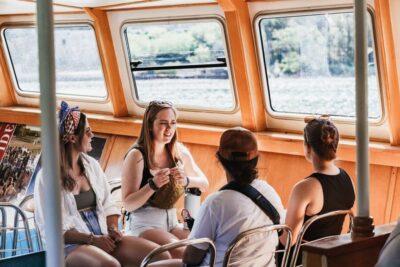
Krka Waterfalls Trip with Boat Cruise and Swimming
Read our review →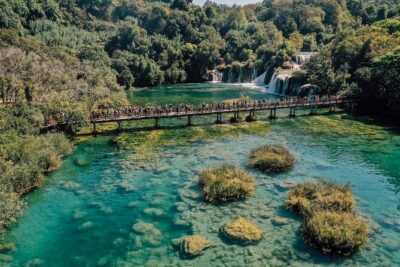
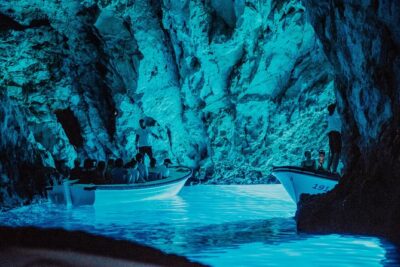
Blue cave, Mamma Mia and Hvar, 5 islands speedboat tour
Read our review →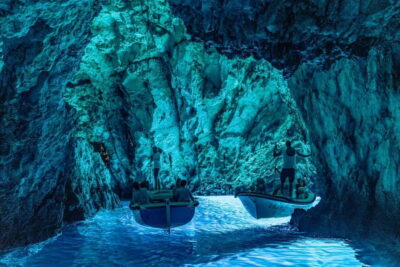
Blue Cave, Mamma Mia, Hvar and 5 Island Tour
Read our review →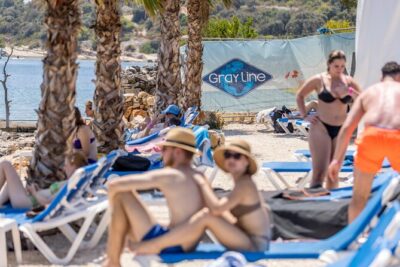
Blue Lagoon & 3 Islands Cruise with Lunch from Split
Read our review →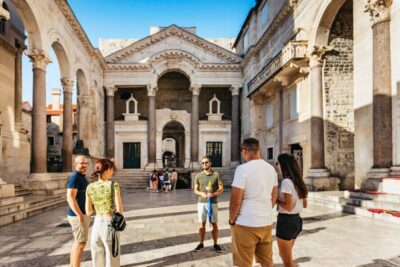
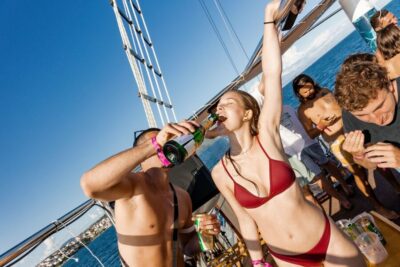
Blue Lagoon Boat Party with DJs, Shots & After Party
Read our review →Browse the lists this tour appears in