
Reviewed · DUBROVNIK TOURS
Wine tour Peljesac
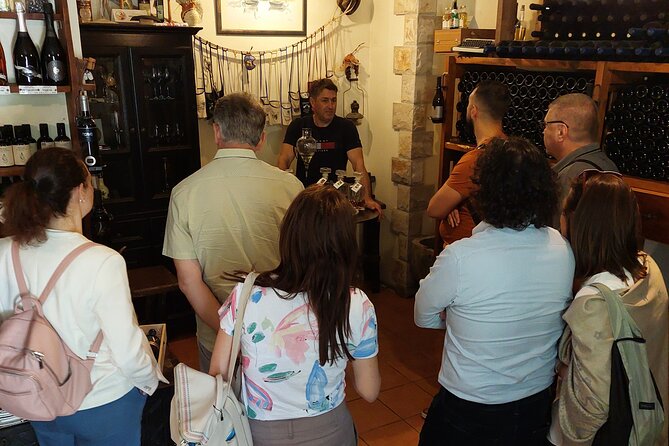
Pelješac is Croatia’s serious wine country, and this small-group day trip gives you more than a tasting-room stop on the way to somewhere else. You visit three family wineries, from a small producer near Ston to vineyards tied to the famous Postup and Dingač slopes.
I like the mix of local wine and old stone towns, and I like that the group is capped at eight people. The main catch is that lunch costs extra, and the day includes several hours on the road, so this suits you best if wine, scenery, and a relaxed pace matter more than checking off many sights.
Key points to know before booking
- Three family wineries: Taste native Plavac mali and Rukatac at producers in Broce, Potomje, and Boljenovići Ponikve.
- Postup and Dingač wines: The Potomje stop focuses on limited-production bottles made from grapes grown on the southern slopes of Pelješac.
- Ston included: You get about 30 minutes to see the medieval walls and famous working salt pans.
- Small group format: The vehicle holds no more than eight people, with pickup from Dubrovnik hotels, apartments, villas, and the port.
- Lunch is extra: Seafood, including fish, lobster, and mussels, is recommended during the day but is not part of the price.
- Strong value for wine lovers: At $270.36 per person, the cost is easier to justify if you make full use of the tastings, transport, and small-group service.
Why Pelješac makes a good wine day from Dubrovnik
Dubrovnik is famous for its walls and polished old town, but the wider county gives you a different view of southern Croatia. Pelješac is tied to maritime trade, salt production, fishing, and wine. The peninsula’s best-known red grape is Plavac mali, a native variety that produces full-bodied wines with plenty of character.
This tour lets you sample that grape in several settings instead of tasting only one producer’s style. You begin near Ston, then continue toward Potomje and Boljenovići Ponikve. The route gives you a useful comparison between small family operations, limited-production vineyards, and wines that are presented as part of a long local tradition.
I like this format because it puts the wine in its proper setting. You are not simply handed a glass in Dubrovnik and told that it comes from Pelješac. You see the towns and vineyard areas connected to the bottles.
The day begins at 10:00 a.m. with pickup from the port, a hotel, apartment, or villa. An air-conditioned vehicle is included, which matters during a full summer day. The total outing lasts about seven to eight hours, so plan on giving most of your day to the peninsula.
More Dubrovnik wineries worth an afternoon:
- Sunset Sea Kayaking and Wine Dubrovnik
★ 5.0 · 949 reviews - Dubrovnik: Sunset Zip Line Experience Followed by Wine
★ 4.9 · 921 reviews - Dubrovnik: Sunset Kayaking & Snorkeling with water &wine
★ 5.0 · 599 reviews
Broce: a small winery near Ston
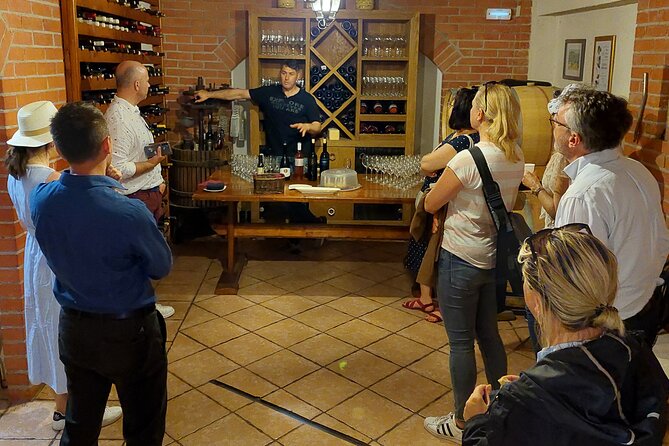
The first stop is Broce, only a few minutes from Ston. This is a small family winery, and its appeal is personal scale rather than grand architecture or a long list of commercial labels.
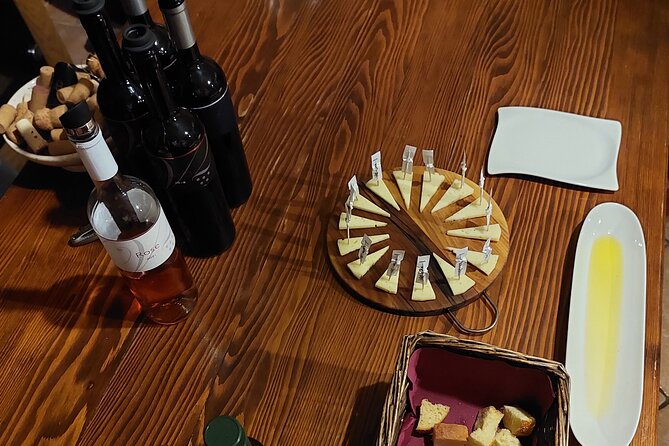
The family works with Plavac mali and Rukatac, two native grapes that help you understand the local wine tradition. The tasting includes alcoholic beverages, with up to four wines at each winery. The producer also makes liqueurs, brandy, vinegar, and olive oil, so this stop may offer a wider taste of local pantry goods than wine alone.
You have about an hour here. That is enough time for a proper introduction and tasting without turning the stop into a rushed sample at the counter. If you enjoy comparing local products, pay attention to how the tasting moves beyond wine. Olive oil and brandy can give you a better sense of the family’s broader farm production.
The limitation is simple: the supplied details do not promise a meal at this stop, and admission is listed as free because the tasting is already part of the tour. Do not expect a full winery estate visit with a long technical lecture. The value is the direct connection with a small producer and the chance to try several regional products.
Potomje and the wines of Postup and Dingač
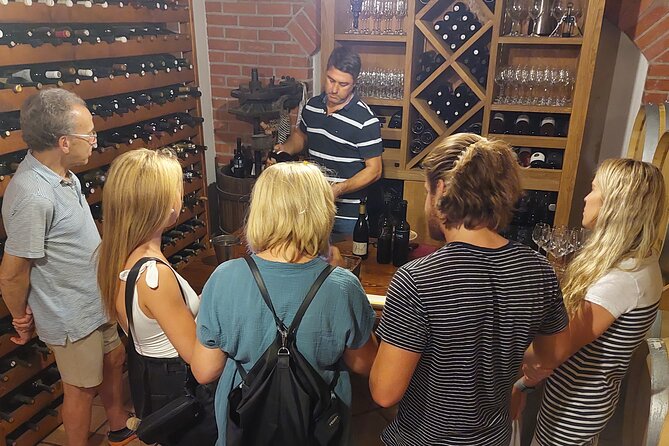
The second winery is in Potomje, close to the steep vineyard slopes on Pelješac’s southern side. This is likely the most important stop for serious wine drinkers because the producer works with Plavac mali from the Postup and Dingač areas.
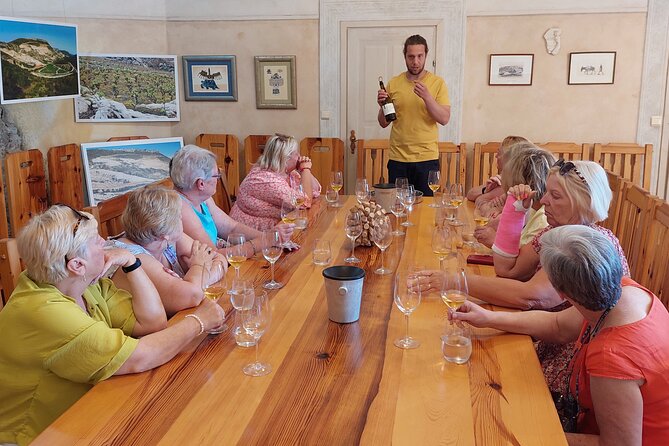
These names matter. The wines are made from grapes grown on the family’s own plantations, and production is limited. The stated approach is quality before quantity, which means the bottles can be difficult to find elsewhere. That gives this hour-long tasting a practical advantage: you may try wines that are not easy to locate in a Dubrovnik shop or restaurant.
I would treat this as the tour’s main wine-focused stop. Ask yourself how the wines from this area differ from the first winery’s bottles. You may notice changes in body, fruit, aroma, and finish, but the exact tasting lineup can vary.
The information provided does not specify the precise four wines poured, so do not book expecting a fixed menu. The tour does include up to four wines at each winery, which gives you a generous amount of comparison across the day.
Potomje also helps explain why Pelješac wine can cost more than an ordinary Croatian table wine. Small plantations, limited quantities, and difficult vineyard conditions all affect production. You are paying not just for a drink, but for access to a place and style that may not be widely available.
Boljenovići Ponikve and a third family tradition
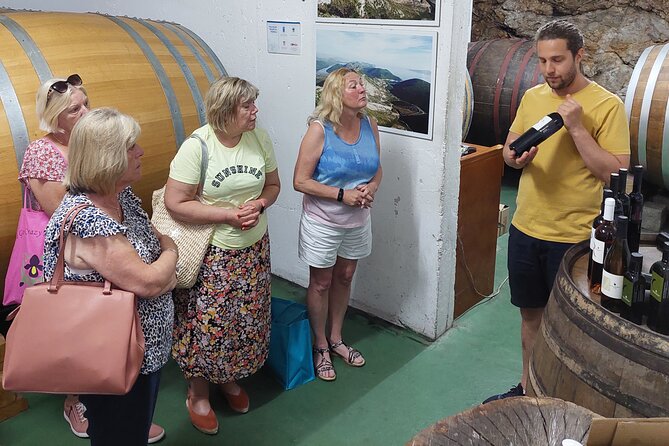
The final winery stop is in Boljenovići Ponikve, where wine has been made by the same family for three generations. The producer emphasizes identity, local character, and the connection between the grape and the soil where it grows.
The wines are described as fruit-forward and robust, with aromas typical of the variety and the area. That makes this a useful final tasting because you have already sampled producers near Ston and Potomje. By this point, you can compare how each family presents Plavac mali and other local wines.
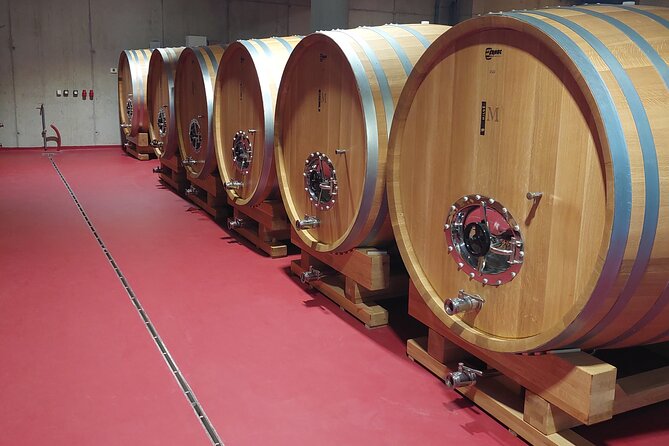
You have about 45 minutes here, shorter than at the first two wineries. That is enough for a tasting of up to four wines, but the visit may feel more focused. Besides wine, you can taste several kinds of liqueur.
This producer has received awards and recognition for its wines. I would not treat awards as a guarantee that every bottle will suit your taste, but they do add context. The family is not simply making wine for its own table. It has developed a recognizable product with a record of outside approval.
For me, the value of the three-stop plan is the range. One winery alone can make a pleasant afternoon. Three gives you a better basis for judging what you like, especially if you are new to Croatian wine.
A few more Dubrovnik half-days to weigh up
- Blue Cave Small-Group Boat Tour from Dubrovnik
★ 5.0 · 9,360 reviews - Full-Day Dubrovnik Elaphite Islands Cruise with Lunch and Drinks
★ 5.0 · 8,823 reviews - Dubrovnik: Epic Game of Thrones Tour + Lokrum & Saver Option
★ 4.9 · 5,995 reviews - Dubrovnik: Elaphiti Islands Full-Day Cruise with Lunch
★ 5.0 · 5,938 reviews
Ston’s walls and ancient salt pans
Ston receives about 30 minutes at the end of the route. That is a short visit, but it adds an important non-wine element to the day.
The town is known for its medieval walls, built in the 14th century. They are often described as the longest fortification wall in Europe, earning the nickname Great Wall of Europe. You should see the walls as a major defensive system rather than a single landmark, with stone fortifications running across the hills above the town.
Ston is also famous for its salt pans, which remain active and are described as the oldest active salt pans in the world. Salt production gives the town a working connection to its past. You are not looking at a preserved display with no modern use. The pans still form part of the local identity.
Thirty minutes will let you get your bearings, take photographs, and see the main town area. It is not enough for a serious wall walk, so keep your expectations in check. If climbing the fortifications is your main reason for visiting Ston, you may want a separate, longer visit on another day.
I like the stop because it breaks up the tastings. After three wineries, a compact walk through Ston gives you time outside the vehicle and adds historical context without turning the tour into a full sightseeing excursion.
Lunch, seafood, and the real cost of the day
Lunch is not included in the $270.36 price. During the time on Pelješac, you are encouraged to eat at a highly regarded local restaurant with fresh fish, lobster, mussels, and other seafood. One especially useful detail comes from the tour’s handling of lunch: driver Ordan arranged a table at a restaurant praised for its seafood and views.
That does not mean a specific restaurant or menu is guaranteed for every departure. It does show the practical value a local driver can add. If you want seafood, ask about lunch plans early in the day and confirm that the meal is arranged before you order.
The extra meal cost is the clearest drawback. Your final bill depends on what you choose, especially if you order lobster or other premium seafood. On the other hand, keeping lunch separate lets you choose how much you want to spend instead of forcing a fixed meal into the tour price.
At $270.36 per person, this is not a bargain-basement excursion. The price includes private transport in an air-conditioned vehicle, pickup, taxes and fees, and tastings at three wineries. With a maximum of eight people, you are also paying for a smaller group rather than a large coach.
I see the value most clearly for two kinds of people: wine drinkers who would otherwise need to organize several winery visits themselves, and food-focused visitors who want help finding a good seafood meal. If you only want a quick wine sample and a photo at Ston, the price may feel high.
How the guide affects the experience
The tour is offered in English and includes an English-speaking driver or guide. Ordan is specifically associated with one praised departure, where his local information and lunch arrangements added to the day.
That detail matters because the route covers several scattered stops. A good driver does more than follow a road. The driver helps keep the day moving, explains what you are seeing, and makes the lunch break easier to manage.
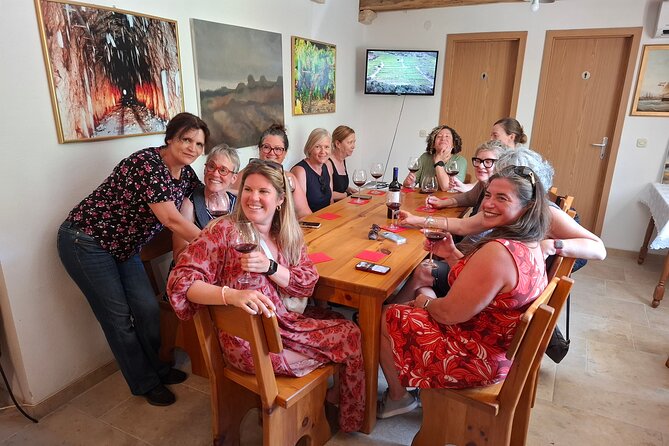
The group limit of eight is another advantage. You should have a better chance to ask questions at the wineries and avoid the impersonal feel of a large bus. Still, a small group does not mean the schedule is fully private or tailored to every interest. You visit three wineries and Ston within seven to eight hours, so the route has a set rhythm.
Pickup is available from the port, hotels, apartments, and villas in Dubrovnik. That saves you the trouble of reaching a central meeting point, especially if you are arriving by ship or staying outside the old town.
Who will enjoy this Pelješac wine tour
I would choose this outing if you want wine to be the main subject of a day outside Dubrovnik. The three wineries give you repeated tastings, and the focus on native grapes makes the experience more specific than a generic Croatian food tour.
It also fits you if you want a small group but do not need a fully private itinerary. A maximum of eight people keeps the outing manageable while still sharing the transport and guide.
Food lovers should pay attention to the lunch option. Seafood is not included, but the chance to eat fresh fish, mussels, or lobster at a well-chosen restaurant can become one of the day’s best parts.
I would think twice if you do not drink alcohol, dislike long vehicle rides, or want extensive time at Ston’s walls. The route includes wine at all three winery stops, and Ston receives only about half an hour.
The tour is also less suited to anyone looking for a strict, fixed tasting list. The number is stated as up to four wines at each winery, but the exact bottles are not specified. That flexibility is normal for small producers, yet it may frustrate collectors seeking a guaranteed lineup.
Practical details that matter
The start time is 10:00 a.m., and the tour lasts approximately seven to eight hours. Keep the rest of your day light, since traffic, tastings, and lunch can affect the exact return time.
Pickup is offered from the Dubrovnik port, hotels, apartments, and villas. Confirmation is received at booking, and the tour is described as suitable for most people. It is also near public transportation, though pickup is the more useful option for this route.
The price is $270.36 per person. Group discounts are offered, so check the final rate if you are booking for several people. All fees and taxes are included, as is the air-conditioned vehicle and the wine tasting.
Cancellation is free if you cancel at least 24 hours before the start time. Changes or cancellations made inside that window are not accepted for a refund. The cutoff follows local time.
Should you book it?
Book this tour if you want a guided introduction to Pelješac’s family wineries, especially Plavac mali and the hard-to-find wines connected with Postup and Dingač. The strongest reasons to go are the three different producers, the small group, and the chance to pair wine with Ston and a local seafood lunch.
I would book with two reminders: budget extra for lunch, and do not expect a long Ston visit. For wine and food lovers, the combination of regional bottles, family production, medieval stonework, salt pans, and an attentive driver such as Ordan makes the $270.36 price reasonable. For everyone else, a shorter Dubrovnik wine tasting may offer better value.
FAQ
How long does the Pelješac wine tour last?
The experience lasts approximately seven to eight hours.
What time does the tour start?
Pickup begins at 10:00 a.m.
Where can pickup take place?
Pickup is offered from the Dubrovnik port, hotels, apartments, and villas.
How many people can join the tour?
The maximum group size is eight people.
How many wineries are included?
The route includes three wineries, in Broce, Potomje, and Boljenovići Ponikve.
How many wines are tasted at each winery?
The guided tasting includes up to four wines at each winery.
Is lunch included in the price?
No. Lunch is not included. A seafood restaurant is recommended during the Pelješac visit, with fish, lobster, mussels, and other seafood available.
Is transportation included?
Yes. An air-conditioned vehicle, pickup, all fees, and taxes are included.
What is the cancellation policy?
You can cancel for a full refund up to 24 hours before the experience starts. Cancellations or changes made less than 24 hours before the start time are not accepted for a refund.
Just added around Dubrovnik
- Full- Day Private Speedboat Tour in Dubrovnik on Elaphiti Islands★ 5.0 · 21 reviews
- Elaphiti Islands Private Dubrovnik Boat Unique Experience★ 5.0 · 10 reviews
- Wine Lover’s Tour of Peljesac Peninsula★ 5.0 · 150 reviews
- Wine tour peninsula Pelješac★ 5.0 · 3 reviews
- Dubrovnik at War 1991-1992 Private Walking Tour★ 5.0 · 4 reviews
- PRIVATE Wine Tour to Konavle country side★ 5.0 · 11 reviews
- Walls of Liberty: A Self-Guided Audio Tour of Dubrovnik★ 3.5 · 3 reviews
- Parasailing in Cavtat★ 5.0 · 62 reviews
Dubrovnik Tours, compared.
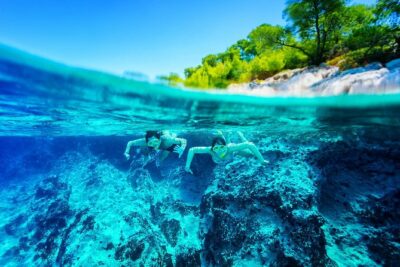
Blue Cave Small-Group Boat Tour from Dubrovnik
Read our review →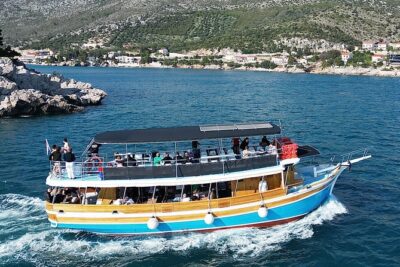
Full-Day Dubrovnik Elaphite Islands Cruise with Lunch and Drinks
Read our review →
Epic Game of Thrones Tour + Lokrum & Saver Option
Read our review →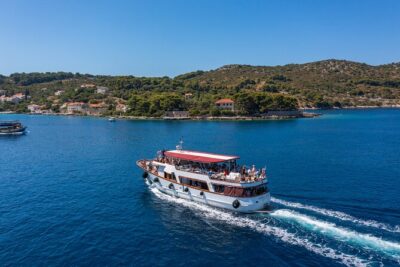
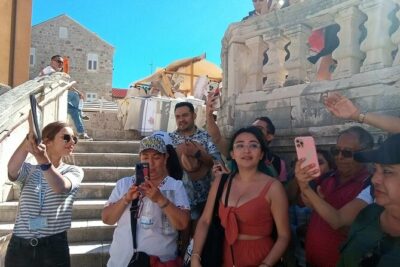
The Original Game of Thrones Tour & Lokrum Option
Read our review →
Dubrovnik Game of Thrones Tour & Optional Lokrum Island Visit
Read our review →
Elaphite Island Cruise w/ Drinks & Optional Lunch
Read our review →Browse the lists this tour appears in