
Reviewed · ZAGREB TOURS
Zagreb: Museum of Illusions Entrance Ticket
Zagreb’s Museum of Illusions turns simple rooms into small science experiments. Water appears to run uphill, a friend seems to grow or shrink, and the ceiling becomes a floor in the Rotated Room. I like the mix of playful photo moments and explanations about vision, perception, and the brain. I also like the separate playroom, where puzzles give children something to do beyond posing for pictures.
The main drawback is size. The exhibits are creative, but the museum can feel repetitive if you expect a large traditional museum, and there is no fixed route through the rooms. When children and larger groups gather around the same displays, the layout may feel messy.
Key points at a glance
- More than 70 exhibits: Explore optical, sensory, and educational displays rather than viewing a single central collection.
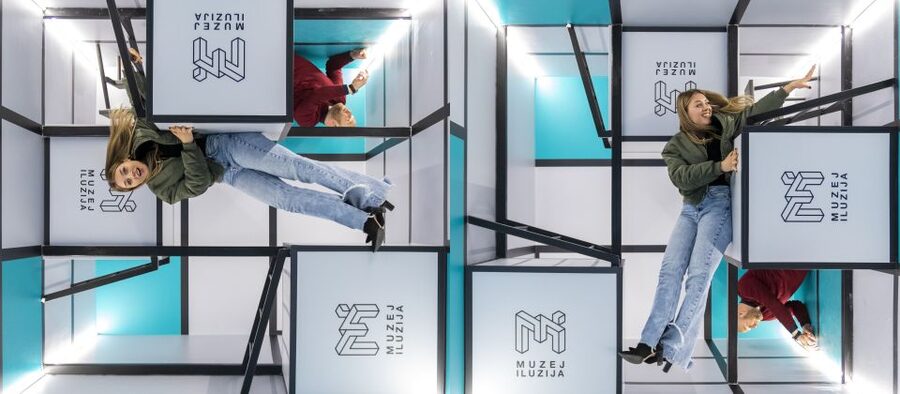
- A strong photo stop: Use the mirror maze, upside-down rooms, shrinking-room effects, and Rotated Room for unusual pictures.
- One of Europe’s largest hologram exhibitions: See images that appear to float, shift, or change as you move around them.
- Science behind the tricks: Exhibits explain how your eyes and brain can interpret the same scene in surprising ways.
- A useful family break: The playroom adds games and puzzles for children who need a change from taking photos.
- Simple booking terms: The ticket costs $14 per person, is valid for one day, and can be canceled up to 24 hours ahead for a full refund.
Entering Zagreb’s Museum of Illusions
You show your voucher at the museum’s main entrance. There is no transport or guided walking tour involved, so this works as a flexible stop during a day in Zagreb.
The ticket gives you access to more than 70 exhibits. You can move through them at your own pace, and the ticket remains valid for one day. Starting times depend on availability, so check the booking calendar before you commit to a particular visit.
The museum uses English and Croatian for hosting or greeting. Captions are also available in English, German, Italian, and Croatian. That language support matters here because the displays are not only visual tricks. The short explanations help you understand why your eyes report one thing while your brain struggles to make sense of it.
There is no stated guided sequence, and that is both useful and slightly awkward. You can spend longer at the exhibits that interest you, but you will need to make your own path through the rooms. At busy times, it may be harder to tell where to begin.
More museums and galleries in Zagreb:
- Zagreb: Skip-the-Ticket-Line Museum of Broken Relationships
★ 4.5 · 847 reviews - Zagreb: Nikola Tesla Technical Museum Ticket
★ 4.5 · 520 reviews - Museum of Illusions Zagreb
★ 4.0 · 197 reviews
The uphill water room and other gravity tricks
The gravity displays provide the clearest introduction to the museum’s idea: your senses can be convincing and still be wrong. In one room, water appears to flow uphill. The effect is simple to describe, but it works best when you slow down and inspect the room rather than treating it as a quick photo stop.
Other installations make people appear taller, shorter, larger, or smaller. These displays are especially effective with two or more people because you can compare what you see in the room with what you know about the person standing beside you.
The fun comes from testing the effect from different positions. Look carefully at the room itself, then at the person in the display. The museum encourages you to ask why the scene looks normal at first and strange a moment later.
These rooms suit children, but adults should not rush through them. I like that the exhibits make a joke out of a basic lesson in perception. You are not simply being shown a trick. You are given a chance to notice how strongly your brain relies on familiar visual clues.
Mirror mazes and the art of losing your bearings
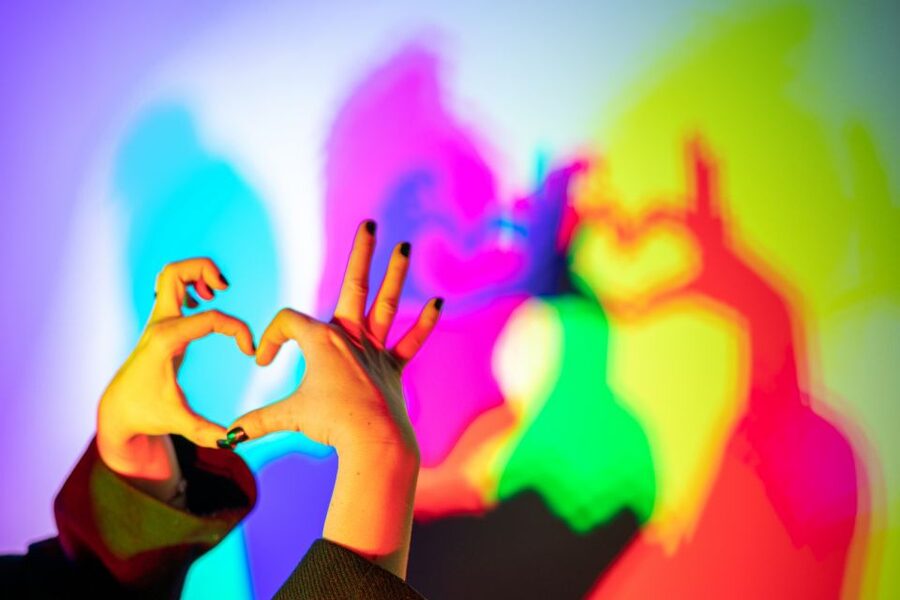
The mirror maze is one of the most physical parts of the visit. It replaces a normal corridor with repeated reflections, making it difficult to judge distance and direction.
This is a good place to take your time. A fast walk can turn the maze into a series of bumps and false turns, while a slower approach lets you study the reflections and work out what is real. Keep your camera ready, but pay attention to where you are going.
The maze can be fun for friends and families because everyone sees the same space from a different angle. It also shows why the museum works best as an active visit. You are expected to test, look again, and compare impressions rather than stand quietly in front of an object.
The possible weakness is crowd flow. Since there is no marked route through the whole museum, the mirror maze may feel crowded when several groups try to use it at once. If you find an exhibit busy, move to another room and return later.
Holograms that make flat images feel alive
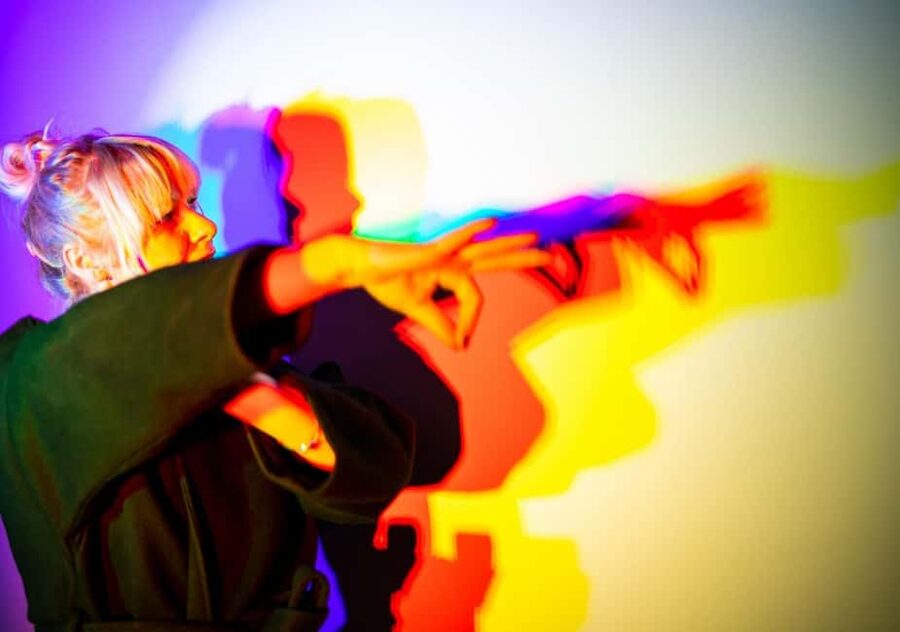
The hologram exhibition is a major reason to choose this museum over a collection of ordinary photo props. It is described as one of the largest hologram exhibitions in Europe, and it adds a more technical side to the visit.
Holograms depend on light, angle, and movement. As you change position, the image can appear to shift or reveal a different aspect. This makes the displays worth viewing from more than one spot.
I would give these exhibits a little more attention than the quick photo stations. The point is not only to capture an unusual picture. It is to see how a flat display can suggest depth and motion through visual information.
The holograms also help balance the more familiar room effects. If you have already seen an upside-down room or a forced-perspective photo online, the hologram section may feel more distinctive. It gives the museum a clearer connection to science and visual technology.
A few more Zagreb half-days to weigh up
- From Zagreb: Plitvice & Rastoke Guided Day Trip with Ticket
★ 4.9 · 2,955 reviews - Zagreb: Rastoke & Plitvice Lakes Guided Tour with Ticket
★ 4.9 · 1,897 reviews - Communism & Croatian Homeland War Tour
★ 5.0 · 1,355 reviews - Best of Zagreb with the WW2 Tunnels
★ 5.0 · 973 reviews
The Rotated Room and the best final photograph
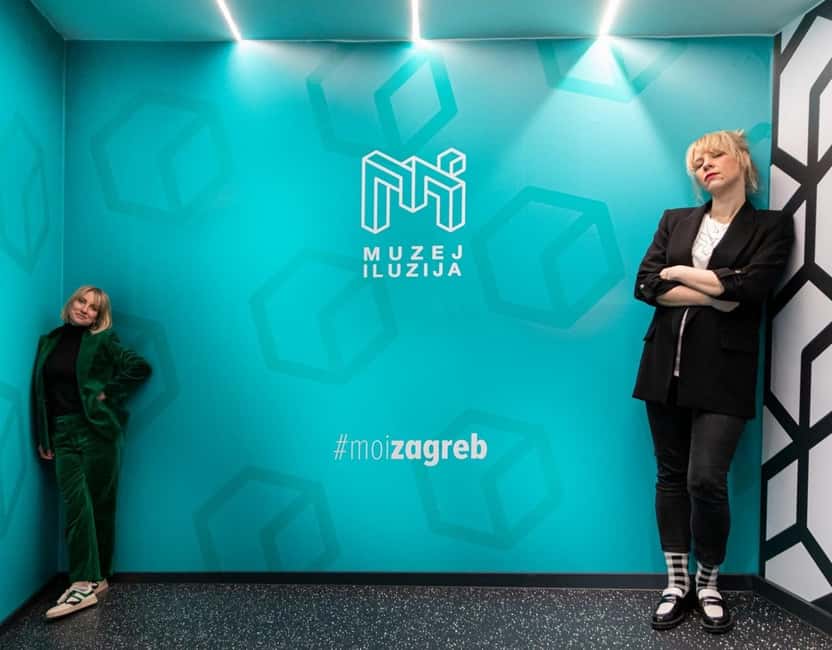
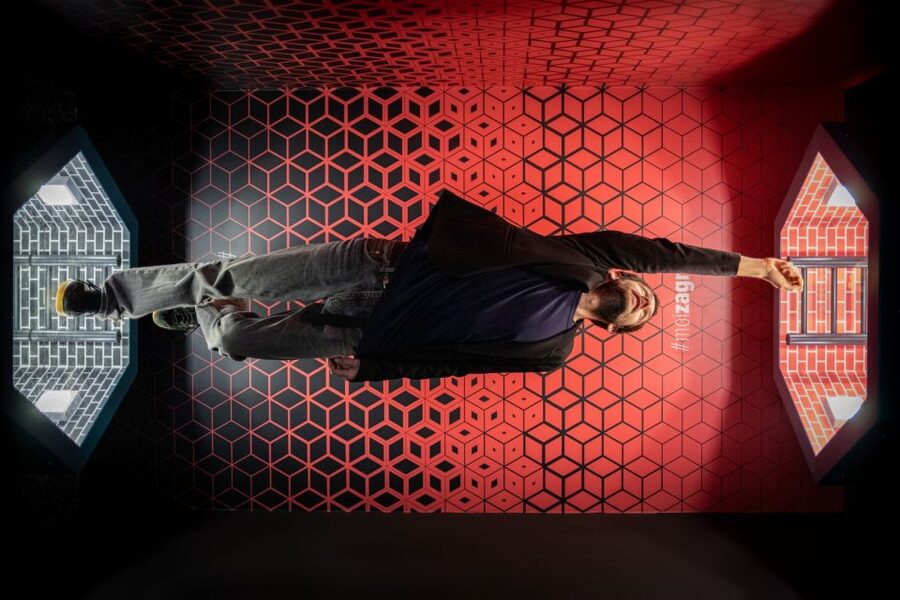
The Rotated Room is designed for a picture that makes the room appear to have turned on its side or upside down. At the end of your visit, take a photograph of your accomplishment there.
This is a useful final stop because it gathers together the museum’s main theme. Your body remains in a normal room, but the camera records a scene that suggests something impossible. The result depends on standing in the right place and framing the image carefully.
Bring a camera or a phone with enough battery. A camera is specifically recommended, and you will want one for the room effects, mirror maze, holograms, and the Rotated Room.
The photo stops are a strength, but they also explain why some people may find the museum repetitive. Many exhibits ask you to pose, look from a certain angle, or create a visual joke. If you prefer objects with detailed historical or artistic context, this may feel light. If you enjoy playful photography, the format makes sense.
The head on a tray and other visual set pieces
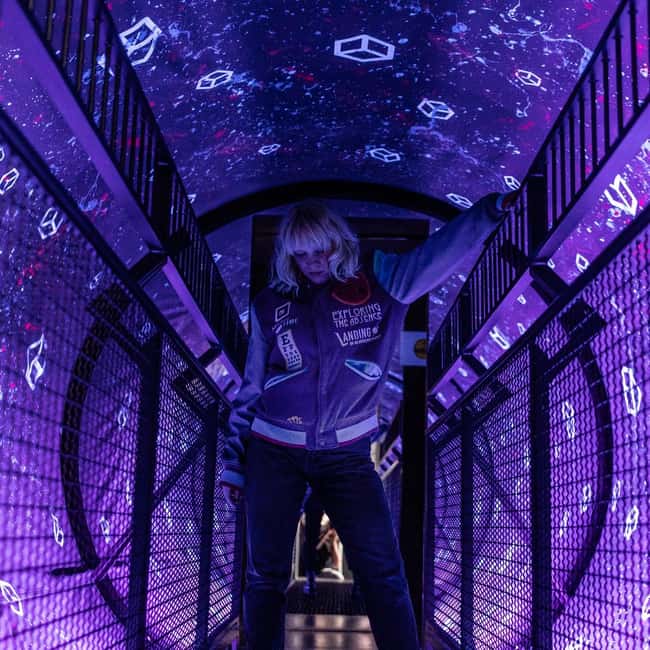
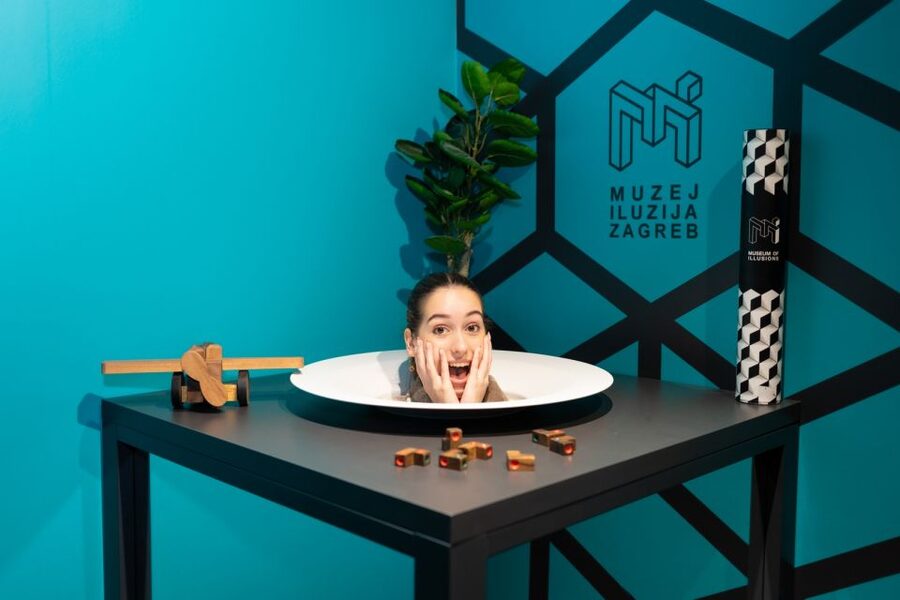
One of the museum’s more memorable setups lets you appear to serve somebody’s head on a tray. It is a theatrical visual trick, built for a photograph and a short explanation of perception.
This kind of exhibit works best when you are willing to participate. You may need to stand in a marked position or arrange yourself carefully so the illusion reads properly in the picture. The effect comes from the camera angle and the way the installation hides part of the body.
You will also find displays that make it look as if someone is climbing onto the ceiling. These rooms are not meant to be taken literally. They use tilted spaces, perspective, and familiar room shapes to make your brain accept an impossible scene for a moment.
I like these set pieces because they give the visit a social quality. You can take turns posing, photographing one another, and checking the result. The tradeoff is that a room may take longer when several people want the same picture.
The playroom adds learning beyond the photo props
The playroom contains educational games and puzzles. It is an important part of the museum because it gives you a different way to engage with the subject.
Instead of posing in a room, you solve a problem or test an idea. That can make the visit more useful for children, especially those who lose interest after several visual displays. It also gives adults a chance to think through the principles rather than simply admire the finished effect.
The puzzles support the museum’s larger lesson about the brain. Perception is not a perfect recording of the world. Your eyes collect information, but your brain has to organize it, compare it with past experience, and decide what you are seeing.
The playroom may be the best section for a child who wants to touch, test, and work something out. Food and drinks are not allowed inside, so plan any snack break outside the museum.
What the $14 ticket is really worth
At $14 per person, the ticket offers a focused indoor activity rather than a full day of traditional museum collections. The value depends on how you like to spend time.
I think the price works well if you enjoy taking photos, trying hands-on displays, and learning through short visual demonstrations. More than 70 exhibits gives you plenty of individual stops, and the hologram exhibition adds a feature that is more unusual than standard optical illusion rooms.
The value is less certain if you expect a large building with extensive collections or a long, carefully ordered tour. One assessment described the museum as too small, and another pointed to some repetition. Those are fair cautions. The museum packs many ideas into a compact format, but compact also means you may reach the end sooner than expected.
There is no fixed duration stated, so you control the pace. The one-day validity gives you flexibility, but it does not mean you need to remain there all day. You can treat it as a short Zagreb stop, spend more time on the puzzles and holograms, or return later on the same day if the ticket terms and opening schedule allow.
The booking terms add useful flexibility. You can reserve now and pay later, and cancellation is free up to 24 hours before the visit. That is helpful when your Zagreb plans are still changing.
Handling crowds and the lack of a marked route
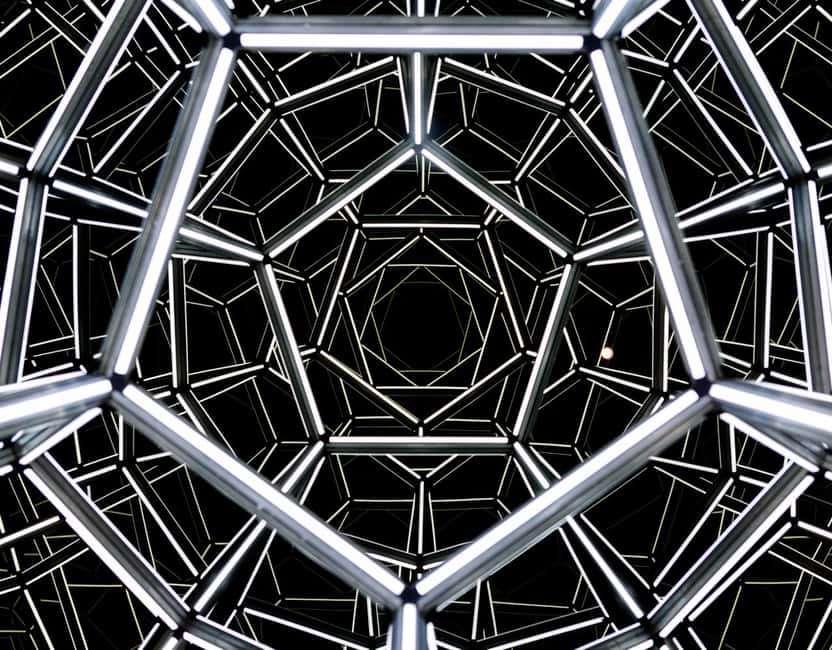
The free-flow layout is one of the museum’s practical quirks. You can choose your own order, skip a crowded exhibit, and return to a favorite display. You are not tied to a guide or a timed group route.
The downside is that the lack of a clear path can make the museum feel disorganized. When many children and groups gather in the same rooms, it may not be obvious which exhibit comes next or where a queue begins.
I suggest entering with a loose plan. First look for the exhibits that require the most space or the best photographs. Then return to the holograms and puzzles when you want something slower and less dependent on posing.
Do not assume that every display will feel new. The core ideas repeat: distorted scale, unusual angles, altered reflections, and conflicts between sight and understanding. The museum’s strength is the range of ways it presents those ideas, not a different scientific principle at every station.
Who will enjoy this Zagreb attraction most
This experience suits families, groups of friends, and anyone who likes unusual photos. It also works well when you want an indoor activity that does not require a long guided explanation.
Children can enjoy the bright visual effects, the mirror maze, and the playroom. Adults may appreciate the explanations about vision, perception, the human brain, and science, especially if they take time to read the captions.
It is also a good choice for people who prefer flexible sightseeing. You do not need to follow a guide through every room, and English and Croatian support makes the basic visit straightforward. Captions in German and Italian give additional language help.
The museum is not suitable for wheelchair users. Service animals are permitted, while ordinary pets are not. Food and drinks are also not allowed, so handle those needs before entering.
Practical tips for a better visit
Bring a camera, but do not let the camera replace the experience. First look at each installation with your own eyes, then take the photograph. That small pause helps you understand why the illusion works.
Use the captions when they are available. They explain why your eyes and brain can produce different interpretations, which gives the visit more substance than a string of funny pictures.
Give the hologram displays time. Walk around them and check how the image changes from different positions. The same advice applies to the mirror maze and perspective rooms.
If the museum feels crowded, do not force yourself through every exhibit in order. The loose layout lets you move on and come back. This is one of the few cases where the lack of a marked route can work in your favor.
Should you book the Museum of Illusions?
Book it if you want an interactive Zagreb stop with more than 70 optical and sensory exhibits, a large hologram section, photo rooms, and educational puzzles. The $14 price is easiest to justify for families and friends who will actively use the installations and take pictures.
Think twice if you want a large museum, a formal guided tour, or a long progression from one major collection to another. The compact setting and repeated visual tricks may leave you wanting more.
For most people who enjoy playful science and unusual photographs, I would book, especially with the flexible cancellation and reserve-now, pay-later terms. Go in expecting a hands-on attraction, not a conventional museum, and the experience makes much more sense.
FAQ
Where is the Museum of Illusions ticket valid?
The ticket is for Zagreb’s Museum of Illusions in Zagreb County, Croatia. Show your voucher at the museum’s main entrance.
How much does admission cost?
The entrance ticket costs $14 per person.
How long is the ticket valid?
The ticket is valid for one day. Starting times depend on availability, so check the available time options before booking.
Can I cancel the booking?
Yes. You can cancel up to 24 hours in advance for a full refund.
What languages are available?
The host or greeter languages are English and Croatian. Captions are available in English, German, Italian, and Croatian.
Is the museum wheelchair accessible?
The experience is not suitable for wheelchair users. Service animals are permitted, but other pets are not allowed. Food and drinks are also not allowed inside.
Just added around Zagreb
- Toast to the Morning After: Zagreb Museum of Hangovers Visit★ 4.0 · 39 reviews
- From Split: Transfer to Zagreb with Stop at Plitvice Lakes★ 4.6 · 44 reviews
- Severin na Kupi: Canoeing and Kayaking on the Kupa River★ 4.6 · 22 reviews
- Rafting/Kayaking adventure river Kupa★ 4.4 · 21 reviews
- Private Walking Tour of Zagreb★ 4.9 · 5 reviews
- Plitvice Lakes National Park – 2hr Inspiration Buggy Tour★ 5.0 · 3 reviews
- Jump into Zagreb: Walking Tour with local guide★ 4.8 · 3 reviews
- From Zagreb: Varazdin Baroque Town & Trakoscan Castle★ 4.9 · 38 reviews
Zagreb Tours, compared.

Plitvice & Rastoke Guided Day Trip with Ticket
Read our review →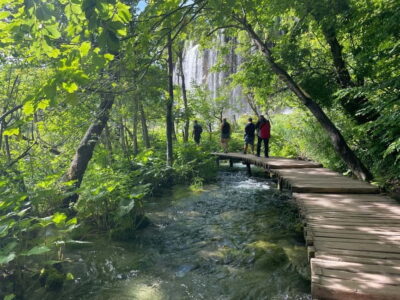
Rastoke & Plitvice Lakes Guided Tour with Ticket
Read our review →

Plitvice Lakes with Ticket & Rastoke Guided Tour from Zagreb
Read our review →
Small Group Walking Tour City Center and WW2 Tunnels
Read our review →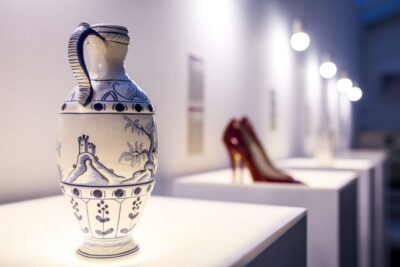
Skip-the-Ticket-Line Museum of Broken Relationships
Read our review →
Browse the lists this tour appears in