
Reviewed · ZAGREB TOURS
Discover Zagreb Tour
Zagreb reveals itself best on foot, and this tour links its essential sights with the stories that give them meaning. You move from Manduševac Fountain and the Cathedral to Dolac Market, then climb into the Upper Town for legends, cannon fire, old streets, and the Grič Tunnel. I especially like the local stories and the chance to see how Zagreb’s landmarks still fit into daily life.
I also like the practical help. Guides such as Ivana have offered restaurant, bakery, café, beer, and museum suggestions, and some have even helped arrange a restaurant reservation. The main drawback is the walking itself: steep or uneven sections and stairs make this a poor choice for wheelchair users or anyone with limited mobility. The funicular is also closed during its major renovation, and Grič Tunnel may be unavailable during special events.
Key points at a glance
- Dolac Market adds local flavor: You get an introduction to Croatian food and the market that many people in Zagreb still use.
- Upper Town supplies the legends: Stone Gate, St. Mark’s Square, and Lotrščak Tower bring old Zagreb to life through stories rather than a list of dates.
- Grič Tunnel adds an unusual stop: The route includes Zagreb’s underground passage, except when special events take over the tunnel.
- The guides make the tour personal: Ivana is praised for clear English, warm conversation, local tips, and extra help after the walk.
- Small groups work well here: Recent bookings have sometimes had only two or three people, allowing plenty of questions.
- The price is modest: At $23 per person for two hours, this is a useful first look at central Zagreb.
Why this two-hour walk works well in Zagreb
At $23, this is not a tour built around grand interiors or long museum visits. Its value is different. You get a compact orientation to central Zagreb, with a local guide explaining what you are seeing and how the city’s past connects with ordinary life today.
I like this format for a first day in town. Zagreb’s center is easy to walk past without understanding the links between Lower Town, the market, and the Upper Town. This route gives you a map in your head. Afterward, you can decide which places deserve a longer visit.
The pace also matters. Two hours is long enough to cover the major sights but short enough to fit before lunch, after arriving, or between other plans. You should not expect extended time inside each attraction. This is an outside-focused walking tour, with the guide’s explanations doing much of the work.
The strongest part is the storytelling. The guide does not simply point at a building and give you a date. You hear legends connected with Zagreb, explanations of local customs, and details about why a square, gate, or tower still matters. That approach makes the tour useful even if you know little about Croatian history before arriving.
A few more Zagreb half-days to weigh up
- From Zagreb: Plitvice & Rastoke Guided Day Trip with Ticket
★ 4.9 · 2,955 reviews - Zagreb: Rastoke & Plitvice Lakes Guided Tour with Ticket
★ 4.9 · 1,897 reviews - Communism & Croatian Homeland War Tour
★ 5.0 · 1,355 reviews
Starting at Manduševac Fountain and Ban Jelačić Square
The meeting point is beside Manduševac Fountain on Ban Josip Jelačić Square. Look for the guide holding a Discover Zagreb Tour sign. This is a sensible starting point because the square is a central reference point and one of the easiest places to reach in the city center.
The opening stop, listed as Zagreb Welcomes You, sets the tone. You begin with the city’s public face, then move toward its older core. The guide can explain the role of the square and fountain while helping you understand how Zagreb is laid out.
The tour returns to Ban Jelačić Square at the end. That makes the route practical for the rest of your day. You are not left in an unfamiliar district, and you can continue toward food, shopping, or another central sight after the walk.
Zagreb Cathedral and Dolac Market
The Cathedral of Zagreb is an early highlight. You pass this major landmark with a guide who can place it in the story of the city and explain why it remains such an important reference point. The visit is primarily a guided stop rather than a promise of a long interior tour, so keep your expectations realistic.
From the Cathedral, the route continues to Dolac Market. This is one of the most useful parts of the walk for anyone interested in Croatian food. The market is not just a photogenic stop. It is a place tied to everyday shopping, and the guide uses it to introduce local ingredients and cuisine.
I would pay close attention here and take notes if you want to eat well later. Several guides, especially Ivana, have offered specific advice about restaurants, cafés, bakeries, fast food, and local dishes. One booking even led to a restaurant reservation and repeat meals at the same place. That kind of help can save you from choosing dinner at random.
Food and drinks are not included, so bring a little extra money if you want to buy something at Dolac or stop elsewhere after the tour. The market itself is included as a guided sight, not as a tasting experience.
Tkalčića Street and Krvavi Most
The walk then reaches Ivana Street Tkalčića, usually known simply as Tkalčića Street, followed by Krvavi Most Street. These stops give you a change of mood from formal landmarks to Zagreb’s older street life.
Your guide explains why these streets matter and how they fit into the city’s development. The value here is not a long checklist of buildings. It is the sense of moving through a living part of Zagreb, where the route itself helps connect the city’s past with its present.
This is also where a small group can help. With only a few people, you can ask why a street has its name, request a food suggestion, or pause briefly when something catches your eye. The tour is advertised for English speakers, and the strongest comments about Ivana focus on her clear communication and willingness to answer questions.
Same stretch of coast, a completely different day out:
- Best of Zagreb with the WW2 Tunnels
★ 5.0 · 973 reviews - Plitvice Lakes with Ticket & Rastoke Guided Tour from Zagreb
★ 5.0 · 966 reviews - Zagreb: Small Group Walking Tour City Center and WW2 Tunnels
★ 4.9 · 895 reviews - Zagreb: Skip-the-Ticket-Line Museum of Broken Relationships
★ 4.5 · 847 reviews
Stone Gate and the Upper Town
Stone Gate is one of the most memorable stops because it combines architecture, legend, and personal belief. Your guide explains the story behind the gate and why it remains important to many people in Zagreb.
I appreciate stops like this because they show how a city remembers. A gate can be more than a remnant of old walls. Here, the guide helps you see how a place can continue to matter in daily life long after its original practical purpose has changed.
The Upper Town section is where the walk becomes more atmospheric. You move through older streets and hear stories that locals still repeat. The route is not designed as a strenuous hike, but it does include the sort of slopes and uneven surfaces you should expect in an old European hilltop district.
If your mobility is limited, take the warning seriously. The activity is not suitable for wheelchair users or people with mobility impairments. Comfortable shoes are essential, and a bottle of water is worth carrying even though the tour lasts only two hours.
St. Mark’s Square and the heart of Croatian public life
St. Mark’s Square is treated as more than a pretty square with a colorful roof. The guide explains why it can be called the main square of Croatia and places the surrounding buildings within the country’s political and cultural story.
This is one of the stops where a local guide adds real value. Without context, you may take a few photographs and continue walking. With an explanation of the square’s role, you understand why this compact space carries so much national importance.
The tour’s discussion can include history, architecture, politics, and modern Croatian life. One useful quality of the better guiding style here is balance. Instead of overwhelming you with dates, the guide connects selected facts to stories and personal observations. That keeps the information usable.
One note of caution: a single booking found political discussion about the visitor’s home country unnecessary and assumed agreement. That appears to be an isolated concern among otherwise very positive feedback, but it is fair to mention. If you prefer a strictly neutral tour, remember that a conversational guide may sometimes add personal commentary.
Lotrščak Tower and the daily cannon
At Lotrščak Tower, you learn why a cannon fires every day. It is the sort of small Zagreb tradition that makes a city feel distinctive. The story gives the tower a purpose beyond its stone walls and offers an easy detail to remember after the tour.
The guide explains the tower’s place in the city’s defenses and connects it with the wider Upper Town. You should not assume that the tour includes climbing the tower or a separate interior visit. The stated experience is a guided stop, so the main benefit is the explanation and the view of the landmark from the route.
This part also helps you understand Zagreb’s scale. The major sights are close enough to connect on foot, but the changes in elevation and street character make the route feel varied rather than repetitive.
The funicular area and Grič Tunnel
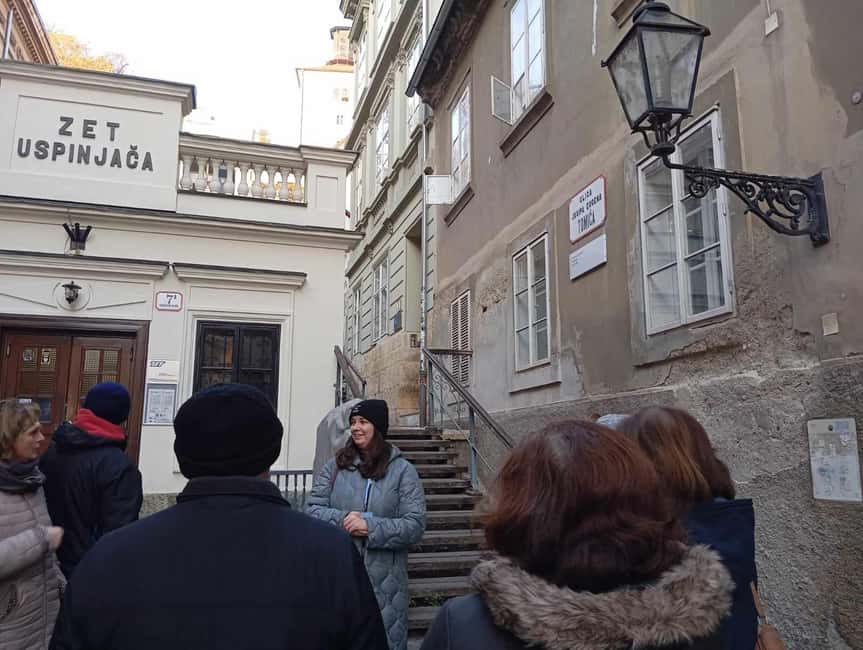
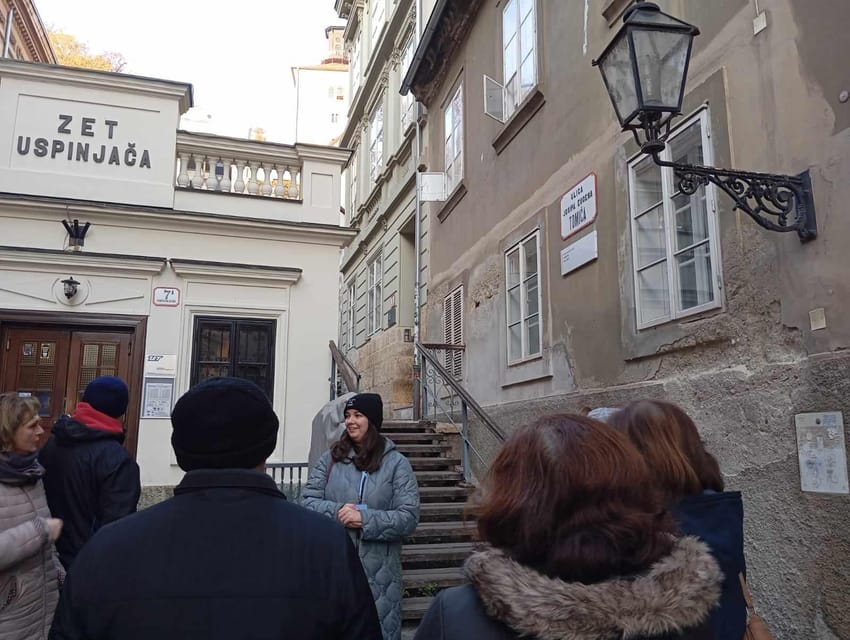
The route includes Uspinjača, Zagreb’s famously short funicular. It is an interesting stop even when the railway is operating because the guide explains the story behind it and its role in connecting the Upper and Lower Town.
At present, the funicular is not working because of extensive renovation. That means you should not expect to ride it. The tour still passes through the area and explains the landmark, but this is a point where the experience differs from what a photograph or old description might suggest.
The final major sight is Grič Tunnel. This underground passage gives the walk an unusual finish and breaks up the sequence of squares, streets, and historic buildings. The guide explains the tunnel and its place in Zagreb’s story.
The tunnel is not visited during special events held there. Check the situation when you book if this stop matters to you most. The route still includes the city’s other central sights, but the tunnel is a distinct part of the advertised experience, so it is worth confirming availability.
Guides, group size, and the personal touch
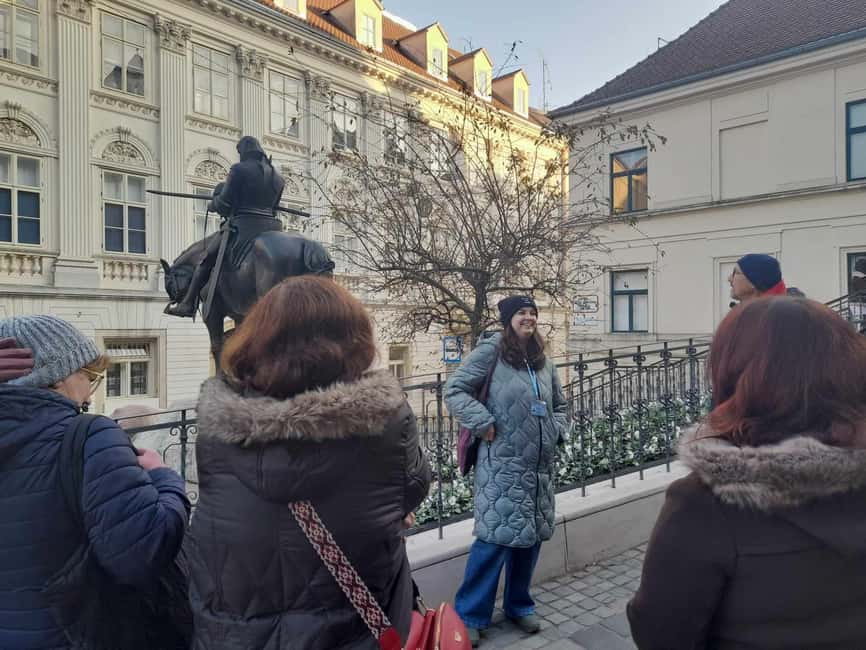
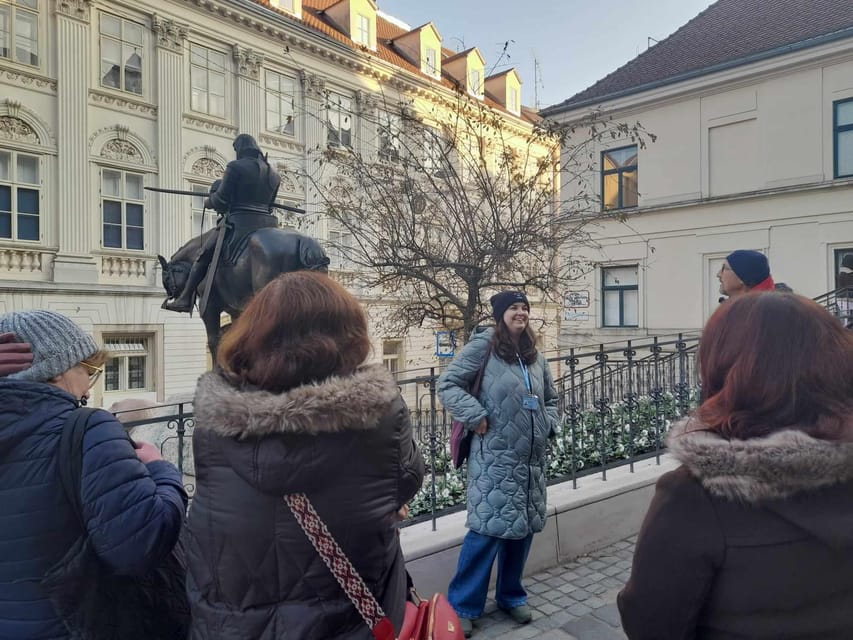
The guide is a major part of the value. Ivana receives repeated praise for her friendly manner, strong English, clear explanations, and willingness to spend extra time answering questions. She has also given Licitar hearts, the colorful Croatian heart-shaped souvenirs, to people on the walk.
Other guides, including Antonia and Ivanka as identified in individual bookings, have also been praised for keeping the group engaged and offering detailed explanations. The operator is Štiklec, and the tour uses a licensed local guide.
Group size can vary. Some recent departures have been very small, including groups of two or three, which can feel almost private. A small group makes it easier to shape the conversation around your interests. You may get more food advice, more time for questions, and a calmer pace.
You should not book on the assumption that every departure will be private. The price is per person, and the experience is a walking tour rather than a guaranteed private guide. Still, the reports of small groups suggest that this format can offer more personal contact than a large city tour.
What to bring and how to plan your day
Wear comfortable shoes. The route includes older streets, slopes, and the Upper Town, and fashion footwear will not improve your experience. Bring water, especially in warm weather.
Allow the full two hours, with a little flexibility if the conversation runs long. Some guides have stayed beyond the scheduled finish to answer questions or make sure someone did not miss an important stop. You should treat that as a welcome possibility, not a promise.
Book this near the start of your Zagreb stay if you want the food and sightseeing advice to guide the rest of your visit. The ending at Ban Jelačić Square makes it easy to continue with lunch or another central activity.
The tour is offered in English with a live guide. Food and drinks cost extra. Cancellation is free up to 24 hours before the start, and you can reserve now and pay later, which is useful if your route through Croatia is still changing.
Who will get the most from this Zagreb tour
I would choose this tour if you have only a day or two in Zagreb and want the main old-town sights explained in plain English. It also suits anyone who prefers walking through neighborhoods instead of watching the city pass from a bus.
It is a good match for curious eaters. Dolac Market gives the guide a natural opening to discuss Croatian cuisine, and the local recommendations can help you choose where to eat afterward.
First-time visitors will get the clearest benefit, but even people familiar with Zagreb may pick up a new legend or local detail. One Croatian participant found the tour useful for exactly that reason.
I would think twice if you need step-free access, dislike walking on slopes, or want lengthy interior visits. This is a compact orientation tour, not a museum program or a ride-based sightseeing trip.
Should you book Discover Zagreb Tour?
Yes, if you want an affordable and friendly introduction to Zagreb that mixes major sights with local stories. The $23 price is fair for two hours with a licensed guide, especially when the group is small and the guide offers useful food and museum advice.
Book it early in your stay, wear good shoes, and confirm the current status of Grič Tunnel and the funicular. If Ivana leads your walk, expect a particularly personal experience, but the route itself remains worthwhile with any of the named local guides.
Skip it only if mobility is a serious concern or if you want to spend most of your time inside monuments. For most visitors, this is a smart way to get oriented, learn what makes Zagreb different, and leave Ban Jelačić Square with a better plan for the rest of the city.
FAQ
Where does the Discover Zagreb Tour begin?
The tour begins next to Manduševac Fountain on Ban Josip Jelačić Square. Your guide will hold a Discover Zagreb Tour sign.
How long does the walking tour last?
The tour lasts two hours. Starting times vary, so check availability when choosing your date.
What language is the tour offered in?
The live guided tour is offered in English.
Is Grič Tunnel always included?
Grič Tunnel is part of the route, but it is not visited during special events held in the tunnel.
Can I ride the Zagreb funicular during the tour?
No. The funicular is not currently working because of extensive renovation. The tour still explains the story behind it and visits the area.
Is the tour suitable for wheelchair users?
No. The activity is not suitable for wheelchair users or people with mobility impairments. Comfortable shoes and water are recommended.
Just added around Zagreb
- Toast to the Morning After: Zagreb Museum of Hangovers Visit★ 4.0 · 39 reviews
- From Split: Transfer to Zagreb with Stop at Plitvice Lakes★ 4.6 · 44 reviews
- Severin na Kupi: Canoeing and Kayaking on the Kupa River★ 4.6 · 22 reviews
- Rafting/Kayaking adventure river Kupa★ 4.4 · 21 reviews
- Private Walking Tour of Zagreb★ 4.9 · 5 reviews
- Plitvice Lakes National Park – 2hr Inspiration Buggy Tour★ 5.0 · 3 reviews
- Jump into Zagreb: Walking Tour with local guide★ 4.8 · 3 reviews
- From Zagreb: Varazdin Baroque Town & Trakoscan Castle★ 4.9 · 38 reviews
Zagreb Tours, compared.
Plitvice & Rastoke Guided Day Trip with Ticket
Read our review →
Rastoke & Plitvice Lakes Guided Tour with Ticket
Read our review →

Plitvice Lakes with Ticket & Rastoke Guided Tour from Zagreb
Read our review →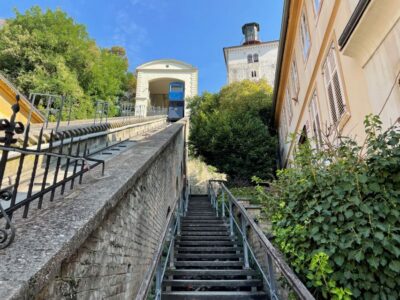
Small Group Walking Tour City Center and WW2 Tunnels
Read our review →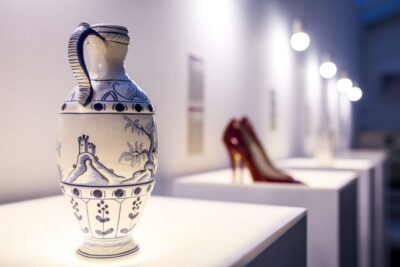
Skip-the-Ticket-Line Museum of Broken Relationships
Read our review →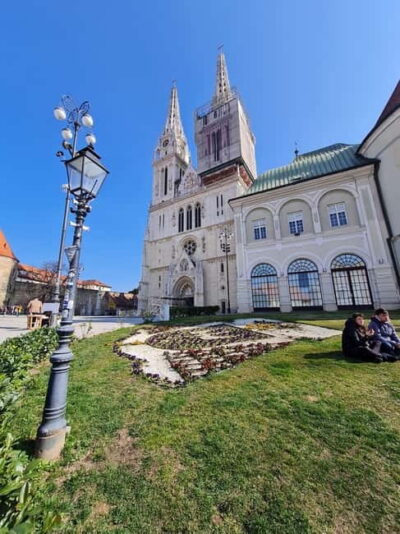
Browse the lists this tour appears in