
Reviewed · SPLIT TOURS
Split: Food Tasting Walking Tour
Split’s best food stories are tucked into its markets, bakeries, and old stone lanes. This two-hour walk brings those pieces together inside Diocletian’s Palace, with tastings of candied citrus, sugared almonds, soparnik, prosciutto, rafiol, and salted anchovies.
I like the mix of food and Roman-era sightseeing, and I like that guides such as Marta, Jakov, Slavko, and Antonia add personal stories rather than simply naming dishes. The main thing to consider is pace: you visit many stops in two hours, so this is a tasting tour, not a long sit-down meal. One guest also expected local wine but did not receive it, so treat the wine mention as part of the planned experience rather than a guarantee.
Key points to know before you book
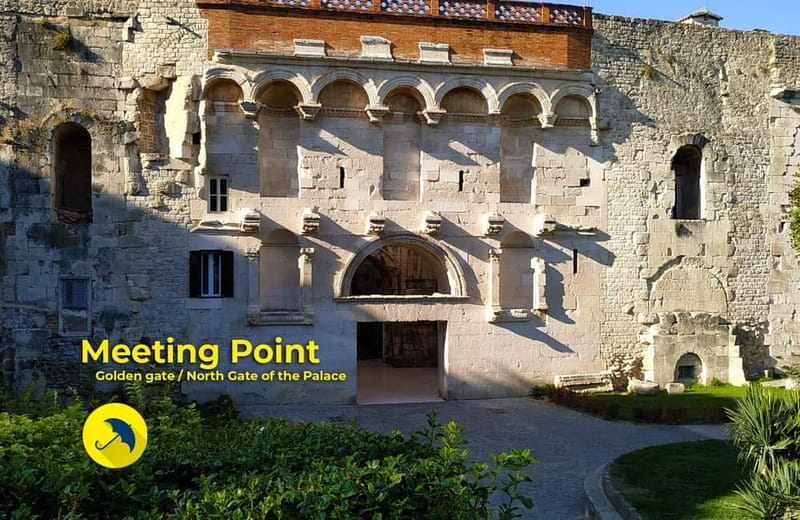
- Start at Split’s Golden Gate: Meet near the statue of Gregory of Nin, under the blue umbrella.
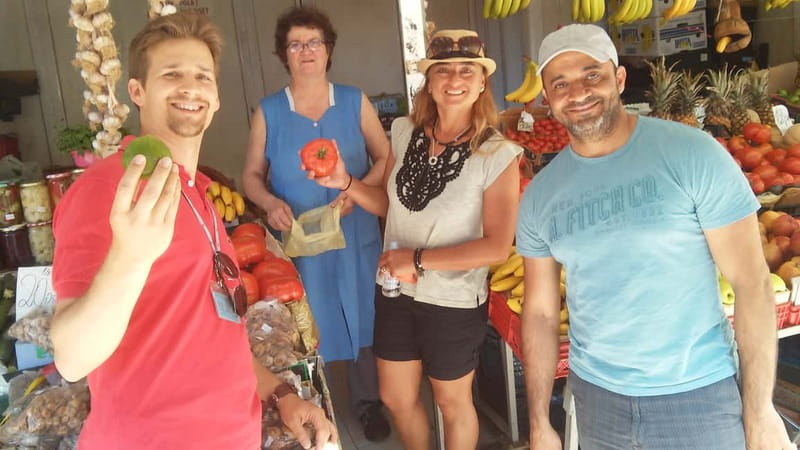
- Taste food at both major markets: The Green Market and Fish Market give you a closer look at everyday Dalmatian shopping.
- Try protected soparnik: This savory flatbread is a traditional regional specialty served with a local-food story.
- Expect several small tastings: Candied orange and lemon peel, sugared almonds, prosciutto, rafiol, anchovies, and other local bites may appear along the way.
- Guides shape the experience: Marta, Jakov, Slavko, Ina, Antonia, and others are praised for friendly storytelling and practical restaurant advice.
- Book early in your stay if possible: The market and restaurant suggestions can help you plan the rest of your time in Split.
Walking through 1,700 years of Split
The tour begins at the Golden, or North, Gate of Diocletian’s Palace. This is a useful meeting point because it places you right beside one of Split’s clearest links to Roman rule, yet you are also close to the statue of Gregory of Nin and the maze of old streets beyond it.
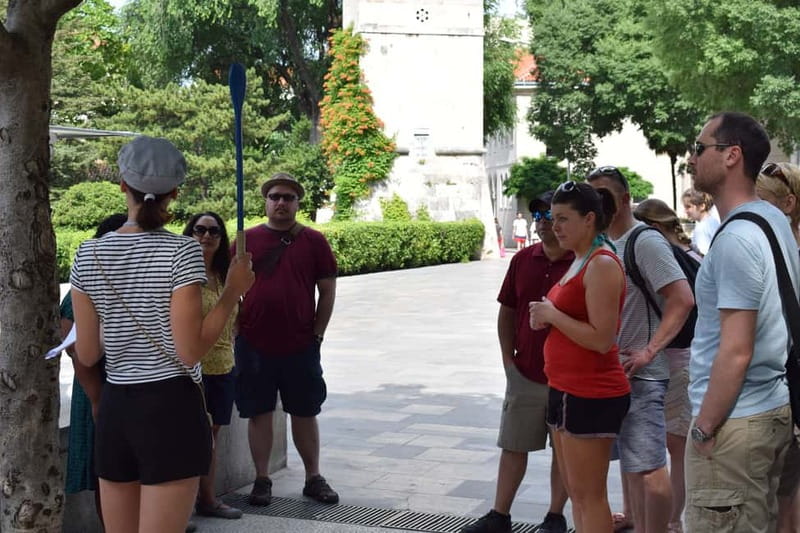
You are not just moving between food shops. The walk uses the palace and medieval center as its setting, so your guide can explain how daily life developed inside and around the Roman walls. That makes each tasting feel tied to place. You learn what people ate, how food fit into the local day, and why certain treats still matter in Dalmatia.
The walking itself is easy to understand, but old Split has stone paving and narrow lanes. Wear comfortable shoes, as requested by the operator, and bring sunglasses and a sun hat. This is not suitable for wheelchair users, and children must be accompanied by an adult. Unaccompanied minors are not permitted.
More food tours in Split:
- From Split: Krka Waterfalls, Food & Wine Tasting Tour
★ 5.0 · 9,326 reviews - From Split: Krka Waterfalls, Food & Wine Tasting Tour
★ 4.9 · 6,598 reviews - Split: Blue Lagoon and 3 Island Cruise with Food and Drinks
★ 4.8 · 1,969 reviews
The first tastes: sugared almonds and local café stops
One of the early tastings features arancini, almonds coated in sugar. The name can cause a little confusion, since in other parts of the Mediterranean it may refer to a very different food. Here, the treat is sweet and simple, a small introduction to the region’s habit of turning nuts and fruit into snacks.
You may also taste candied orange and lemon peel. These bites are useful reminders that Dalmatian food is not only about grilled meat, seafood, and olive oil. Citrus, almonds, dried fruit, and pastries all have a place in the local food tradition.
A local café stop lasts about 15 minutes. The timing keeps the tour moving, though it also means you should not expect a full coffee break or extended conversation at every stop. The appeal is variety: you get a series of short introductions instead of spending the entire two hours in one restaurant.
The tour description also includes a glass of local wine with soparnik. Because individual tastings can vary, I would not book this specifically as a wine tour. One person on the tour did not receive local wine, so wine should be viewed as a possible part of the food pairing, not the main reason to book.
Green Market: seeing how Split shops for food
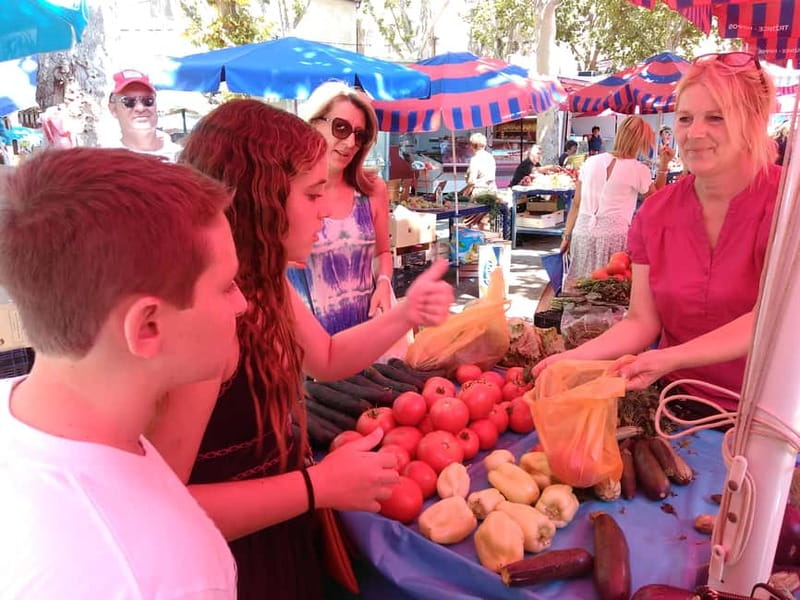
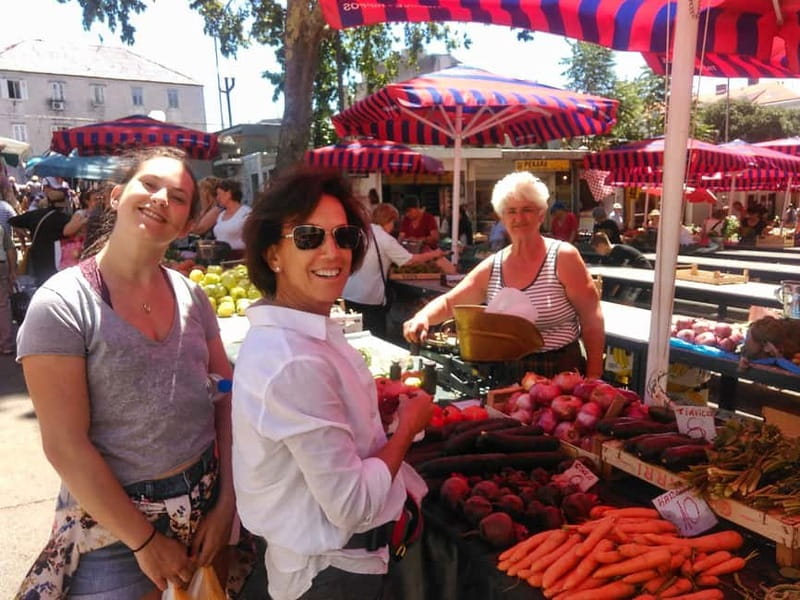
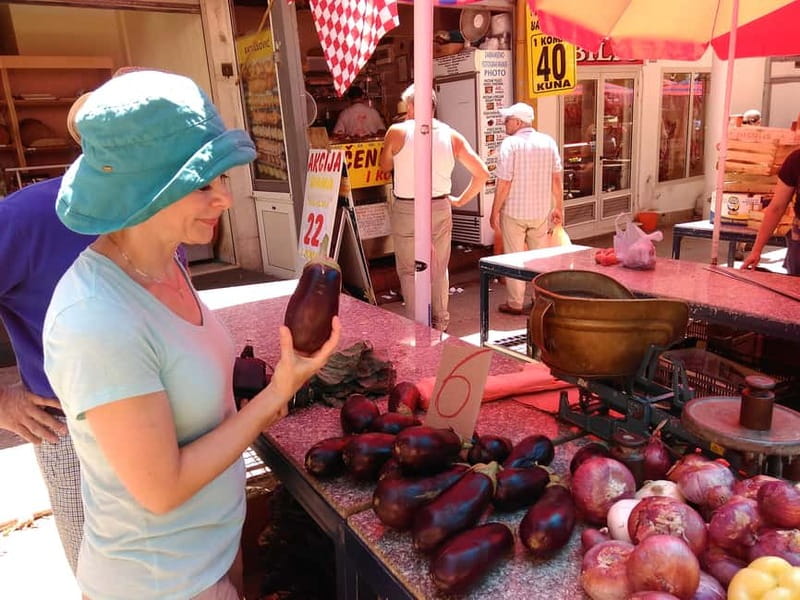
The Green Market, known locally as Pazar, is one of the most useful stops for getting a sense of Split beyond the palace walls. You have about 30 minutes here, with tastings and an explanation of local produce and shopping customs.
A guide can make a market much more interesting than a quick walk through on your own. You learn what to look for, how locals use particular ingredients, and how food connects with the rhythm of the city. The tour also leaves room for optional purchases, though anything you buy at the market is extra.
That last point matters. The tastings are included, but you should not assume that the tour covers groceries, souvenirs, or additional portions. If you see something you want to take away, bring a little extra money and ask your guide for help choosing or buying it.
The market stop also gives you a chance to ask questions about home cooking. One particularly useful aspect of the experience is the traditional recipe information included with the tour. You can take those recipes home, rather than leaving Split with only a few food memories.
Soparnik, prosciutto, and the flavors of Dalmatia
Soparnik is one of the tour’s most distinctive foods. This thin savory pie or flatbread is associated with the Dalmatian region and is protected by UNESCO heritage recognition. The filling and preparation tell you more about traditional home cooking than a generic restaurant dish would.
The tour pairs soparnik with local wine in the planned description, though again, the drink may not always be served. Your guide can explain why this food matters and how it fits into Dalmatian tradition. I especially like this kind of tasting because it gives you a regional specialty that you might not order by accident.
As you walk through the palace streets, you also taste traditionally made prosciutto. It is a familiar food for many people, but the guide’s explanation adds context about how cured meat fits into local meals and hospitality.
The food portions are designed to build across the route. You get small bites at several places rather than one large plate. That works well if you want to keep eating afterward, but it may leave you wanting a proper lunch. Plan a restaurant meal later if you need something substantial.
Same stretch of coast, a completely different day out:
- Split: Krka Waterfalls Trip with Boat Cruise and Swimming
★ 4.8 · 10,519 reviews - Blue cave, Mamma Mia and Hvar, 5 islands speedboat tour
★ 5.0 · 7,150 reviews - Split/Trogir: Blue Cave, Mamma Mia, Hvar and 5 Island Tour
★ 4.6 · 6,320 reviews - Blue Lagoon & 3 Islands Cruise with Lunch from Split
★ 4.5 · 5,756 reviews
The bakery and Split’s sweet side
The local bakery stop lasts about 15 minutes and introduces you to rafiol, a traditional cake or pastry. The tour describes the bakery as the oldest in Split, giving this short visit a sense of place beyond simply picking up a dessert.
Rafiol is especially useful for visitors who want to understand the sweet side of Croatian cooking. The tour also includes sugared almonds and candied citrus, so the dessert tastings are varied rather than focused on one pastry.
A bakery stop is practical, too. Your guide can point out places worth returning to, and the recipes included with the experience help you recognize some of the foods later. Several guides also offer restaurant suggestions, which is one reason I would schedule this walk near the beginning of your stay.
Do not expect a long lesson in baking technique. This is a quick taste and explanation, not a cooking class. Still, the bakery adds a local touch that a standard palace sightseeing tour would miss.
A chocolate shop with an unusual record
The route includes a visit to a chocolate store with a Guinness record connected to the world’s largest chocolate bar. That is a playful stop, especially if you are traveling with children or simply enjoy a sweet break during a history walk.
The chocolate visit also changes the rhythm of the tour. After savory foods such as soparnik and prosciutto, you move into sweets before reaching the Fish Market. The range helps the experience feel like a tour of local eating habits rather than a list of similar samples.
Keep your expectations sensible. The supplied details confirm a chocolate shop visit and tasting, but they do not promise a particular chocolate product or a large portion. The attraction here is the combination of tasting, shop visit, and an odd bit of food-world trivia.
Peškarija and the tradition of marenda
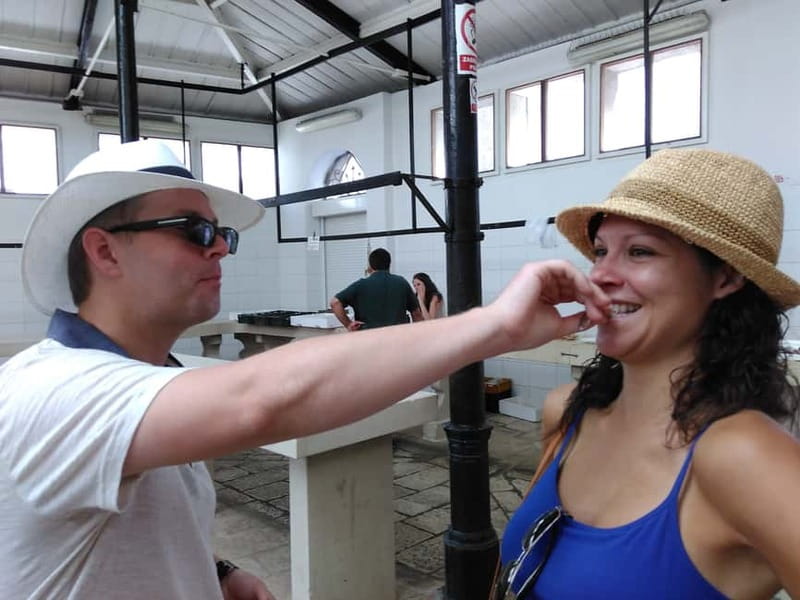
Split’s Fish Market, or Peškarija, is one of the strongest stops on the route. It is described as the second-oldest fish market in Europe, with original benches that are more than 120 years old. Those details give the place a clear connection to the city’s working food culture.
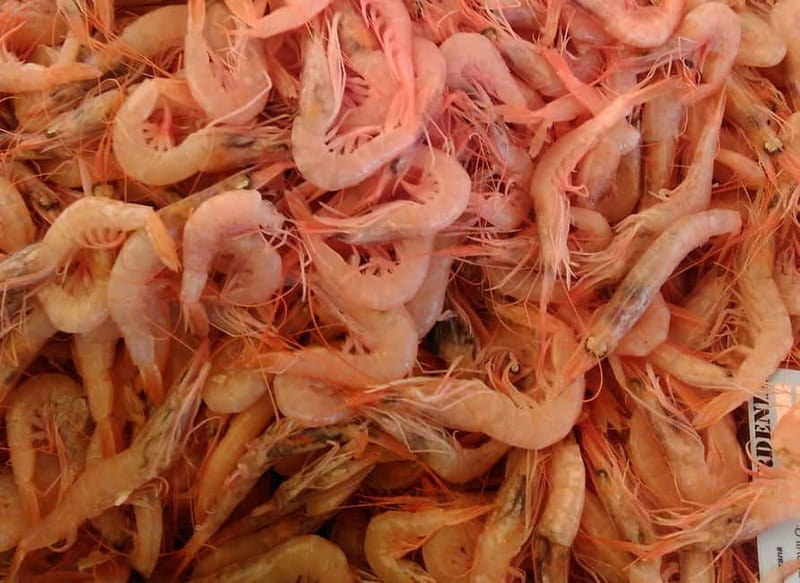
You spend about 30 minutes at the market. The guide explains how to eat salted anchovies, a food linked with marenda, the Dalmatian mid-morning meal or brunch. This is the sort of detail that turns a food sample into a local custom.
The Fish Market may be more meaningful for you than a polished restaurant because it shows how food enters daily life before it reaches a plate. You see the setting where seafood is bought, hear how locals eat it, and learn a phrase and habit that you can recognize during the rest of your trip.
Market conditions can vary, and the tour is not a seafood lunch. You should expect a tasting and explanation, not a broad selection of fish dishes. If you want to shop, extra purchases are not included.
Local bars and restaurants complete the route
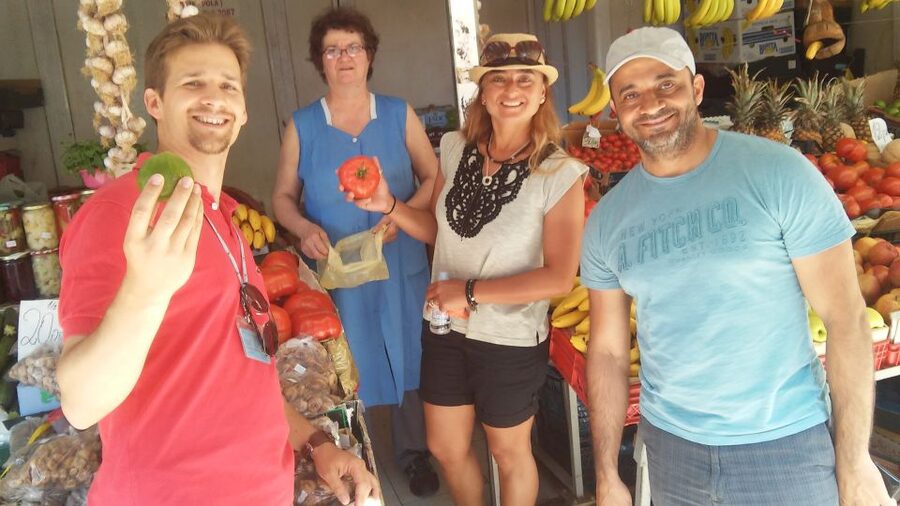
After the markets and bakery, the tour continues through a local bar and a local restaurant. Each food tasting is scheduled for about 15 minutes. These shorter visits keep the route compact and allow the guide to show you several types of food businesses.
The restaurant stop can be especially useful for getting dinner ideas. Guides such as Jakov and Ina are praised for giving practical recommendations and for answering questions about where to eat next. That advice has more value when you still have several days in Split.
The food at these stops may reflect traditional Dalmatian cooking, but the information provided does not promise a fixed menu. Allergies, dietary restrictions, and individual substitutions are not described, so ask about those before booking if they matter to you.
The route finishes back at the Golden Gate. That makes it easy to continue sightseeing in the palace or walk on to another part of central Split. Since there is no transport involved, you stay connected to the same historic center throughout the experience.
Guides who bring the food to life
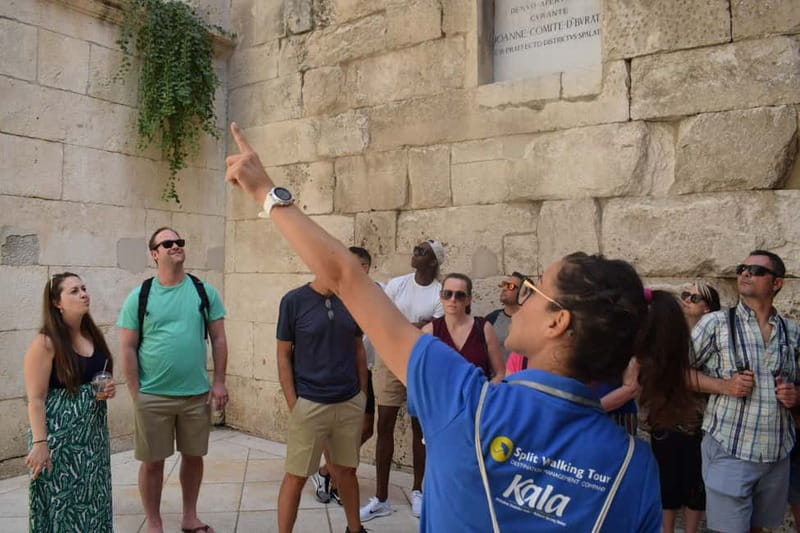
The guide is the most important part of a tour like this. A market can be visited alone, and a pastry can be bought without explanation. The guide supplies the links between dish, custom, neighborhood, and history.
Marta receives repeated praise for her warmth, local pride, and clear explanations. Jakov is described as personable, patient with questions, and good at adapting the experience to the group. Slavko is remembered for humor and strong knowledge of Split’s food and past.
Ina is noted for making sure everyone in the group gets included in the conversation. Antonia is described as friendly and down to earth. You may receive one of these guides or another member of the team, but the pattern is clear: the tour depends heavily on an engaging local host.
The experience is offered for private groups or small groups. That is useful if you want more time to ask questions or prefer not to move through the market with a large crowd. Exact group size is not given, so check the available option when booking.
Is $51 a fair price for two hours?
At $51 per person, this is not the cheapest way to grab snacks in Split. You could visit the markets and buy food on your own for less. The price pays for the guide, the set of tastings, the route through the palace, local recipes, and the time saved finding the right places.
I see the best value in the variety. In two hours, you cover the Green Market, Fish Market, bakery, chocolate shop, café, bar, and restaurant, while also getting a short introduction to Split’s Roman and medieval center. If you value context and recommendations, the price is easier to justify.
The value is weaker if you want a full meal, a formal cooking demonstration, or a dedicated wine experience. Portions are tastings, and the route is brisk. Optional market purchases cost extra.
Free cancellation is available up to 24 hours before the activity, and you can reserve now and pay later. The tour is in English, and starting times depend on availability. Confirmation is provided at booking.
Who should book this Split food walk?
I would choose this tour for a first visit to Split, especially if you want food guidance before making your own restaurant plans. It suits couples, families with accompanied children, and small groups that enjoy walking and trying unfamiliar local dishes.
It is also a good fit if you like markets more than formal sightseeing. You get the palace, but you see it through food, streets, bakeries, and local shopping habits.
I would think twice if you use a wheelchair, need a long seated break, want a guaranteed wine tasting, or prefer one large meal over many small samples. The tour is also less suitable for anyone who cannot comfortably walk on old stone streets.
Should you book the Food Tasting Walking Tour?
Book it if you want a friendly introduction to Dalmatian food and plan to eat independently afterward. The strongest reasons are the Green Market and Fish Market visits, the chance to try less familiar specialties such as soparnik and salted anchovies, and the practical restaurant advice from guides such as Marta, Jakov, Slavko, and Ina.
Schedule it early in your Split stay if you can. You will still have time to return to a market, bakery, or restaurant that catches your interest. At $51, it is a fair buy for a guided tasting route with sightseeing, but remember that it is a compact food sampler, not lunch or a cooking class.
FAQ
Where does the Split Food Tasting Walking Tour start?
The tour starts at Split’s Golden Gate, also called the North Gate, near the statue of Gregory of Nin. Look for the blue umbrella.
Where does the tour finish?
The activity ends back at the Golden Gate meeting point.
How long does the tour last?
The tour lasts two hours. Starting times depend on availability when you book.
Which foods can I expect to taste?
The tour includes foods such as sugared almonds, candied orange and lemon peel, soparnik, prosciutto, rafiol, chocolate, and salted anchovies. The exact tastings may vary.
Are market purchases included?
No. Food tastings are included, but optional purchases at the Green Market or Fish Market cost extra.
Is the tour offered in English?
Yes. The live tour guide language is English.
Is the tour accessible for wheelchair users?
No. The tour is not suitable for wheelchair users. Children must be accompanied by an adult, and unaccompanied minors are not allowed.
More Walking Tours in Split
- Split: Old Town and Diocletian Palace Walking Tour
★ 4.9 · 4,727 reviews - Walking Tour of Split and Diocletian’s Palace
★ 5.0 · 2,588 reviews - Krka Waterfalls tour with Trogir Walking tour and Krka panoramic boat cruise
★ 5.0 · 1,659 reviews - Split & Diocletian’s Palace Walking Tour
★ 5.0 · 1,125 reviews
Just added around Split
- From Trogir, Seget, Okrug: Krka Waterfalls & Šibenik Culture Tour★ 5.0 · 10 reviews
- Krka Waterfalls & Primošten from Trogir, Seget, Čiovo & Kaštela★ 5.0 · 18 reviews
- Island Hopping Boat Excursion with Lunch (Trogir,Blue Lagoon, Šolta)★ 3.5 · 6 reviews
- From Split & Trogir: ATV Quad Tour on Island Čiovo★ 5.0 · 21 reviews
- Slatine – Island Hopping Excursion (Trogir/Blue Lagoon/Shipwreck)★ 4.0 · 24 reviews
- Split: Blue Lagoon Boat Trip with Lunch, Wine and Snorkeling★ 5.0 · 3 reviews
- Split Sunset Stand Up Paddle Tour★ 5.0 · 16 reviews
- Split: Sunset Guided Kayaking Tour★ 4.8 · 71 reviews
Split Tours, compared.
Krka Waterfalls Trip with Boat Cruise and Swimming
Read our review →
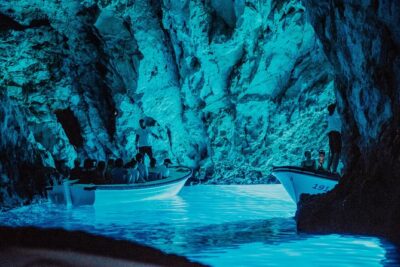
Blue cave, Mamma Mia and Hvar, 5 islands speedboat tour
Read our review →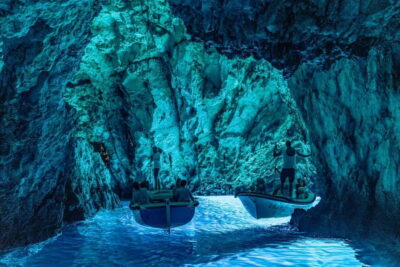
Blue Cave, Mamma Mia, Hvar and 5 Island Tour
Read our review →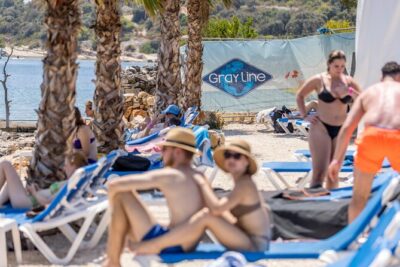
Blue Lagoon & 3 Islands Cruise with Lunch from Split
Read our review →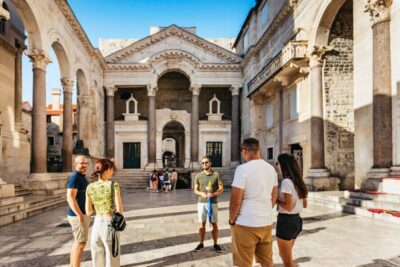
Blue Lagoon Boat Party with DJs, Shots & After Party
Read our review →Browse the lists this tour appears in