
Reviewed · DUBROVNIK TOURS
A walk through life in communist Yugoslavia
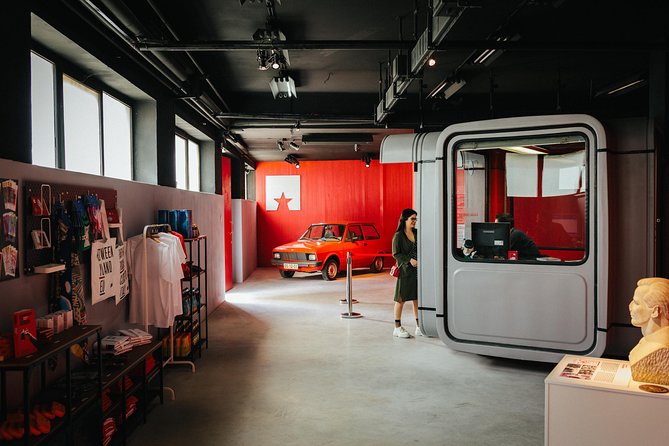
Dubrovnik is known for medieval walls and Adriatic views, but this small museum takes you into a very different chapter: everyday life in communist Yugoslavia. Inside the 300-square-meter Red History Museum, you’ll see room sets, genuine 20th-century objects, period music, and displays about politics, design, secret agencies, and ordinary people living under Communist Party rule.
I like two things right away. First, the museum uses objects and rooms instead of relying only on long panels, so the subject feels close to daily life. Second, it covers more than political leaders and official events, including shopping, art, design, music, and the way Yugoslavia presented itself through the Non-Aligned movement. The main drawback is that the final years of the system and its collapse may receive less attention than some visitors expect.
Key points to know before you go
- See a recreated slice of Yugoslav home life: Room sets and everyday objects make the period easier to understand.
- Explore more than political history: Displays cover art, design, music, secret agencies, and the Non-Aligned movement.
- Plan on about 90 minutes: The stated visit can range from 50 minutes to 1 hour 35 minutes, with about 1 hour 30 minutes suggested for the museum.
- Enter at the Red History Museum: The address is Ul. Svetog Križa 3 in Dubrovnik, and the visit ends at the same place.
- Use your time flexibly: Prepaid admission lets you visit on your chosen day and avoid buying a ticket at the counter.
- Keep the ending in mind: If you want a detailed account of Yugoslavia’s breakdown, you may find the final period needs more explanation.
Why this small museum matters in Dubrovnik
The Red History Museum gives you a useful change of pace from Dubrovnik’s famous old stone streets. The city’s medieval past is easy to see. The 20th-century experience of Yugoslavia is less visible, even though it shaped the lives of parents, grandparents, and many people still living in the region.
I like museums that explain history through ordinary choices. What did people listen to? What did a home look like? How did government power enter daily life? What did official art and design try to communicate? The museum aims to answer these questions with a mix of old objects and newer technology.
That approach matters because communist Yugoslavia was not simply a set of dates and political slogans. It was also a system people lived under every day. The museum’s displays help connect the large story to personal routines, tastes, work, entertainment, and public behavior.
You should not expect a vast national museum. This is a compact visit in a 300-square-meter space. That is part of its appeal. You can see the main displays without giving up half a day, then return to Dubrovnik’s other sights.
More walking tours in Dubrovnik:
- Dubrovnik: Old Town Walking Tour
★ 4.8 · 5,174 reviews - Dubrovnik Discovery Old Town Walking Tour
★ 5.0 · 4,458 reviews - Dubrovnik: Game of Thrones Walking Tour
★ 5.0 · 1,732 reviews
Entering the Red History Museum on Ul. Svetog Križa 3
Your visit begins and ends at the Red History Museum, at Ul. Svetog Križa 3. This is a fixed-location admission experience, not a walking tour through Dubrovnik, so you will need to make your own way to the museum.
The mobile ticket is practical. With admission arranged in advance, you have a place on your chosen day and do not need to stop first at a ticket counter. That matters most when you are fitting the museum between other plans. You can arrive with your ticket ready and get on with the visit.
The information provided does not name a personal guide, so plan for a museum visit rather than a guided tour led by a specific person. You will move through the displays at your own pace. That gives you time to pause over objects and room details, though visitors who prefer a live explanation may miss having someone on hand to answer questions.
The museum is near public transportation, and service animals are allowed. Most people can take part. The maximum group size is listed as 200, although the space itself is only 300 square meters, so the feel of your visit could depend on how busy the museum is when you arrive.
Recreated rooms make the past easier to picture
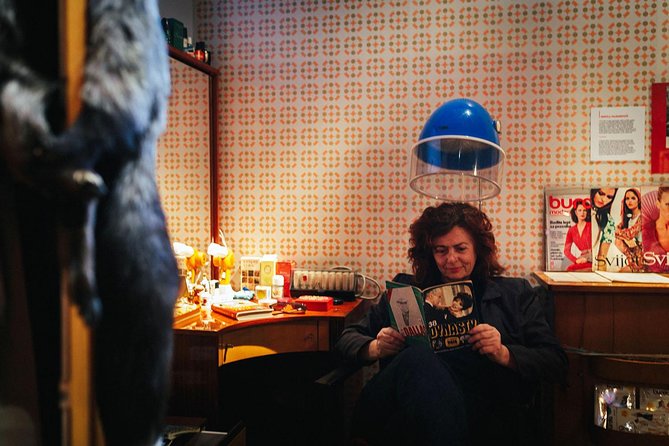
The strongest part of the experience is the use of room sets. A political system can feel abstract when you read about it in a book. A familiar domestic space, filled with period objects, gives you something more concrete to examine.
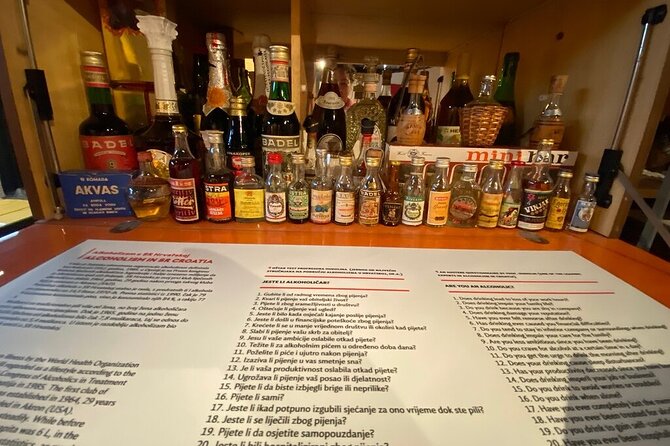
You might notice how much information comes from small details. An object that once seemed ordinary can tell you about design, technology, consumer habits, or the values a government wanted people to accept. These are not just decorative pieces. Together, they help show how public ideas and private life met inside the home.
I appreciate this method because it gives you room to form your own response. You can look at an object first, then connect it to the museum’s wider explanation. The experience is less like memorizing a timeline and more like assembling a picture from things people used, heard, watched, or lived around.
The museum also uses new and old technology. That mix suits the subject. The exhibits are about a period that is now history, but many of its objects still look recognizable. The result should feel like a time capsule without making the past seem simple or harmless.
Art, design, and music show the softer side of power
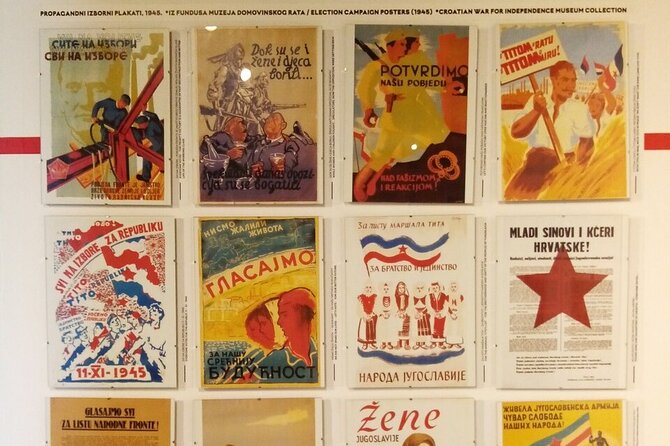
Political history is not only about laws and leaders. It is also about images, sounds, styles, and public messages. The Red History Museum includes art and design, allowing you to see how the era expressed itself beyond official political events.
Music is another important part of the visit. You can listen to major hits from the period, which adds an audible layer to the exhibits. That detail helps prevent the museum from becoming a silent display of old things. Music can show what people enjoyed, what became popular, and how a period felt in daily life.
I find this especially useful if you know little about Yugoslavia. You do not need a strong background in Croatian or Balkan history to begin. The museum offers several entry points, from personal objects to popular culture to government policy.
The displays also look at the way of the Non-Aligned. The information provided does not spell out every exhibit detail, so I would treat this as an introduction rather than a complete political study. Still, its inclusion broadens the visit beyond a simple account of local communist rule and places Yugoslavia within its wider international identity.
A few more Dubrovnik half-days to weigh up
- Blue Cave Small-Group Boat Tour from Dubrovnik
★ 5.0 · 9,360 reviews - Full-Day Dubrovnik Elaphite Islands Cruise with Lunch and Drinks
★ 5.0 · 8,823 reviews - Dubrovnik: Epic Game of Thrones Tour + Lokrum & Saver Option
★ 4.9 · 5,995 reviews - Dubrovnik: Elaphiti Islands Full-Day Cruise with Lunch
★ 5.0 · 5,938 reviews
Secret agencies and the watchful state
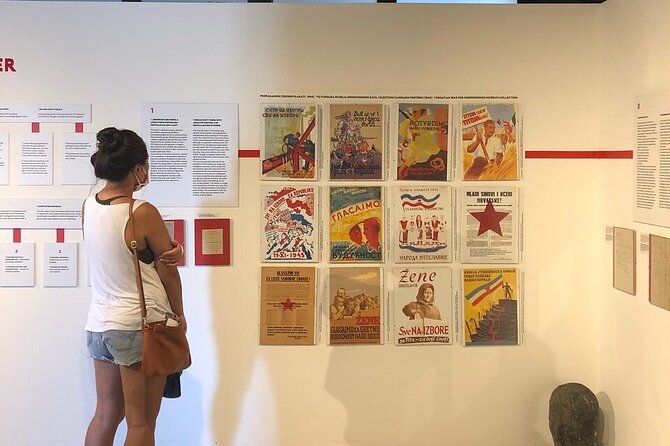
The museum covers secret agencies and the experience of living under the watchful eye of the Communist Party. This is one of the more serious parts of the visit, and it gives needed weight to the everyday objects and popular music.
A room set can make an era feel familiar. The material on surveillance and state power reminds you that familiar life existed within a political system with limits and pressure. That balance is valuable. Without it, a museum about old furniture, music, and design could drift into nostalgia.
I would take your time here. The political material is likely to mean more after you have seen the domestic and cultural displays. You can then connect private routines with the larger structures that shaped public life.
The museum is designed to tell real-life stories, though the available information does not provide the names of particular people featured in those stories. That means you should expect personal context, but not a tour built around named guides or a single narrator.
The timeline from communist rule to its collapse
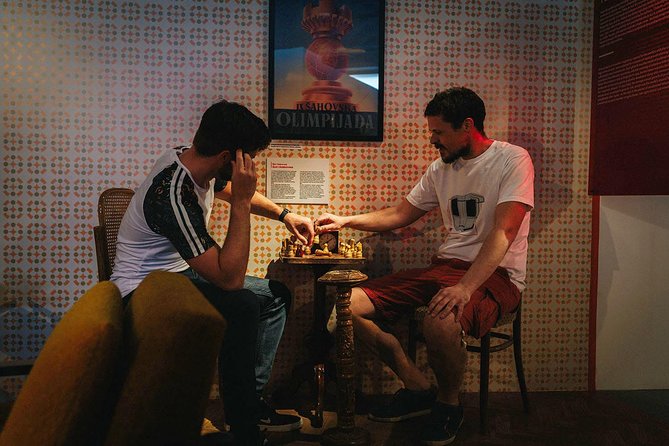
The museum charts Yugoslavia’s communist history from beginning to end. This broad timeline is useful for first-time learners because it gives the visit a clear shape. You can see the era as a complete historical period rather than a collection of unrelated objects.
Still, keep your expectations measured. The museum’s coverage of the final years, including the way the system broke down, may feel brief compared with the earlier material. If that transition is the part you most want to understand, you may leave with questions.
That is not a reason to skip the museum. It is a reason to use it for what it does best: giving you a physical and visual introduction to life under the Yugoslav regime. You can then seek out additional reading or another history museum if you want a fuller account of the breakup.
I also recommend thinking about the museum as a starting point for conversations. If you are visiting with family or friends from the region, the objects may prompt memories and differing views. Communist Yugoslavia was not experienced in exactly the same way by everyone, and a compact museum cannot cover every personal or regional story.
How long to allow for the visit
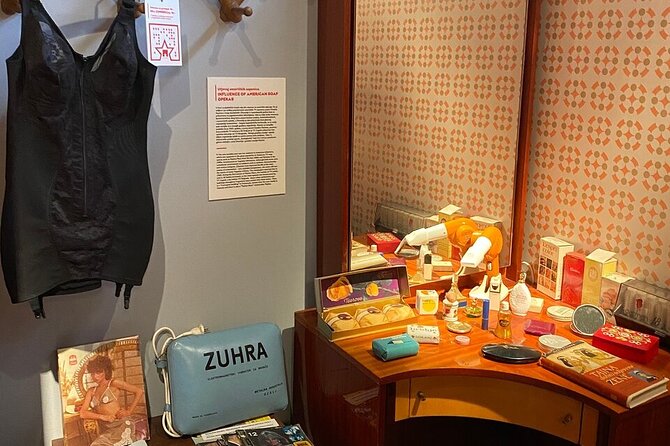
The listed duration ranges from 50 minutes to 1 hour 35 minutes, while the museum itinerary allows about 1 hour 30 minutes. I would reserve 90 minutes if you want to read the explanations, listen to the music, and examine the room displays without rushing.
A shorter visit can work if you are moving quickly or mainly want an overview. The 50-minute end of the range is realistic for a brisk look, but it gives you less time to think through the political material and everyday objects.
The flexible length makes the museum easy to fit into a day in Dubrovnik. You can place it between major sights, use it during a break from outdoor sightseeing, or visit when you want a subject that is more reflective than the city’s usual attractions.
Because the visit stays at the meeting point, there is no transport between stops and no need to budget time for a return transfer. The entire experience is the museum itself.
Is the $211 price good value?
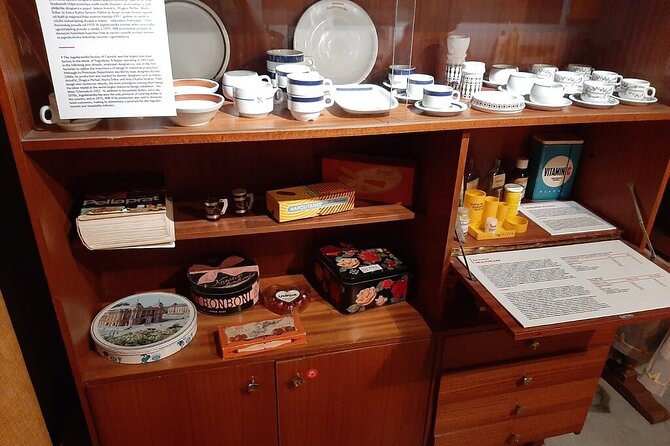
The advertised price is $211. The information provided does not say clearly whether that amount applies per person, per booking, or to a particular admission arrangement, so check the final booking details before paying.
At that price, value depends heavily on how the charge is structured. For one person, it would be a major cost for a museum visit lasting less than two hours. For a group booking or a package with a different pricing basis, the calculation could look quite different.
The museum itself is compact, and the visit is not a full-day experience. I would judge its value by the kind of history you want, not by the amount of time alone. If you want an accessible account of Yugoslav daily life, real objects, recreated interiors, and cultural material, the museum offers more than a basic ticket-counter display.
The prepaid entry also has practical value. You secure the chosen day and avoid buying admission on arrival. That convenience is helpful, but it should not hide the need to confirm exactly what the $211 covers.
Who will get the most from this experience?
I would recommend the Red History Museum to you if you have little background in Yugoslav history and want a clear first look. The combination of objects, rooms, sound, politics, and personal stories gives you several ways into the subject.
It also suits visitors who have already seen Dubrovnik’s old city and want something tied to the recent past. The museum adds context that medieval walls cannot provide. It may be particularly worthwhile if you are interested in Croatia beyond its coastal scenery.
Families and mixed-age groups could find the room sets easier to engage with than a museum made up only of text panels. Music and everyday objects create natural talking points. Younger visitors may need help with the political background, since the museum deals with a period they did not experience.
You may want to temper your expectations if you are a specialist in Yugoslav history. The space is small, and the final breakdown of the system may not receive as much attention as you would like. This is best treated as an introduction with atmosphere and physical evidence, not the last word on the subject.
Practical booking notes for your Dubrovnik day
Confirmation is provided at booking, and the mobile ticket lets you carry admission on your phone. Free cancellation is available if you cancel at least 24 hours before the experience’s start time. Cancellations made within 24 hours are not refunded, and changes within that period are not accepted.
The cut-off is based on local time. That detail matters if you are booking from another time zone or changing a busy Dubrovnik schedule at the last minute.
Most people can participate, and service animals are allowed. The museum is near public transportation. Since the experience begins and ends at Ul. Svetog Križa 3, make sure you allow enough time to reach that address rather than assuming the museum is inside the old city sightseeing route.
The maximum listed group size is 200. In a small 300-square-meter museum, a large arrival could affect how easily you move through the displays, so an earlier or less crowded time may be worth considering if your schedule allows.
Should you book the Red History Museum?
Book it if you want a compact, hands-on introduction to communist Yugoslavia and you value ordinary objects as much as formal political history. The recreated rooms, period music, design, secret-agency material, and everyday stories give the visit a human scale.
Think twice if you are mainly seeking a detailed account of Yugoslavia’s final years and breakup. You may find that part less developed than the sections on daily life and the communist period itself.
The museum is a good fit for a curious afternoon in Dubrovnik, especially when you want to understand the recent past behind the modern city. Confirm what the $211 price covers, allow about 90 minutes, and arrive ready to look closely. This is a small museum with a serious subject, and it works best when you give its objects time to speak.
FAQ
Where is the Red History Museum?
The museum is at Ul. Svetog Križa 3, 20000 Dubrovnik, Croatia.
How long does the museum visit take?
The stated duration is approximately 50 minutes to 1 hour 35 minutes. The museum itinerary allows about 1 hour 30 minutes.
Is admission included?
Yes. Admission to the Red History Museum is included.
Can I use a mobile ticket?
Yes. The experience includes a mobile ticket.
Does prepaid admission help me avoid a line?
Yes. Prepaid admission lets you avoid ticket-purchase lines at the counter.
Is the experience guided?
The information provided describes an interactive museum visit and does not name a personal guide. You should plan to explore the exhibits at your own pace.
What does the museum cover?
The museum covers everyday life in communist Yugoslavia, including art, design, politics, secret agencies, music, the Non-Aligned movement, and real-life stories from the period.
What can I see inside the museum?
You can see recreated room sets, genuine 20th-century artifacts, displays of everyday items, and interactive exhibits using old and new technology.
Is the museum near public transportation?
Yes. The museum is near public transportation.
What is the cancellation policy?
You can cancel at least 24 hours before the experience’s start time for a full refund. Cancellations or changes made less than 24 hours before the start time are not accepted for a refund.
Just added around Dubrovnik
- Full- Day Private Speedboat Tour in Dubrovnik on Elaphiti Islands★ 5.0 · 21 reviews
- Wine Lover’s Tour of Peljesac Peninsula★ 5.0 · 150 reviews
- Wine tour peninsula Pelješac★ 5.0 · 3 reviews
- Elaphiti Islands Private Dubrovnik Boat Unique Experience★ 5.0 · 10 reviews
- Dubrovnik at War 1991-1992 Private Walking Tour★ 5.0 · 4 reviews
- PRIVATE Wine Tour to Konavle country side★ 5.0 · 11 reviews
- Walls of Liberty: A Self-Guided Audio Tour of Dubrovnik★ 3.5 · 3 reviews
- Parasailing in Cavtat★ 5.0 · 62 reviews
Dubrovnik Tours, compared.

Blue Cave Small-Group Boat Tour from Dubrovnik
Read our review →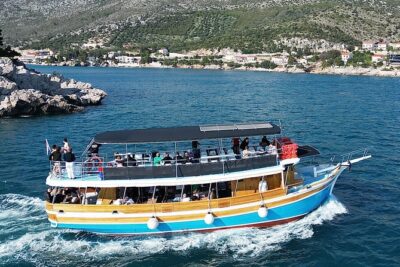
Full-Day Dubrovnik Elaphite Islands Cruise with Lunch and Drinks
Read our review →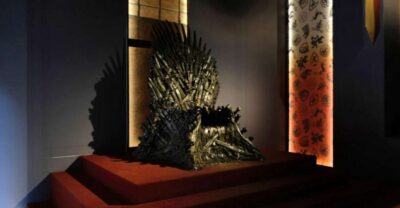
Epic Game of Thrones Tour + Lokrum & Saver Option
Read our review →

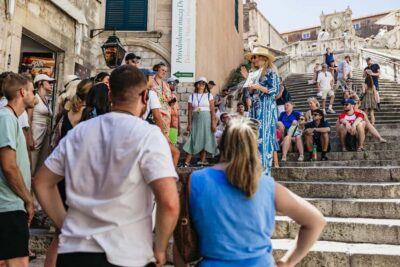
The Original Game of Thrones Tour & Lokrum Option
Read our review →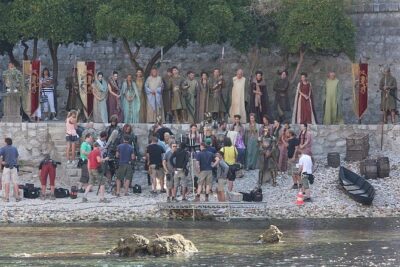
Dubrovnik Game of Thrones Tour & Optional Lokrum Island Visit
Read our review →
Elaphite Island Cruise w/ Drinks & Optional Lunch
Read our review →Browse the lists this tour appears in