
Reviewed · DUBROVNIK TOURS
Dubrovnik’s History with a Local: the Homeland War Stories Private Tour
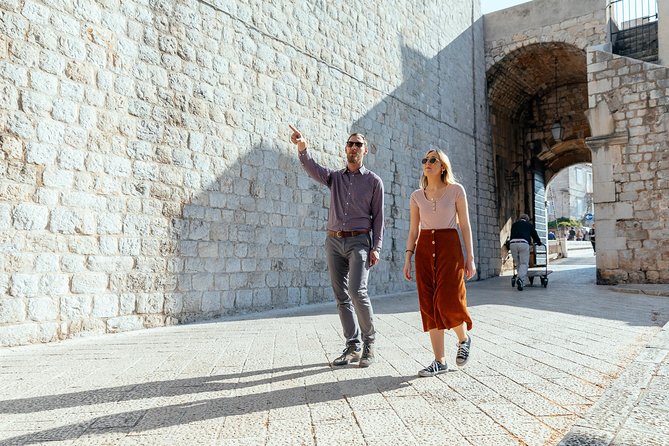
Dubrovnik’s stone walls often look untouched from a distance. Up close, you can still find marks left by the 1991 siege, and this private walk shows you where to look. A local guide explains how the attack changed daily life inside the Old Town, with stops at Revelin Fortress, Luza Square, and the Memorial Room of the Defenders of Dubrovnik.
I like the personal scale of this tour. You walk with only your own group, so the guide can spend more time on the questions that matter to you. I also like that the route connects military events with ordinary life, from ferry problems to the damage seen on churches and historic buildings.
The main consideration is the subject. This is not a light sightseeing stroll. The stories involve war, loss, and a city under attack, and some people may prefer to learn this history in shorter doses. You also need to walk between the gates for about two hours, with no hotel pickup or food included.
Key points to know before booking
- Personal memories from the 1991 siege: Guide Vesna is noted for having lived in Old Town during the attack and sharing first-hand stories.
- A private route through Old Town: Only your group takes part, which makes it easier to ask direct questions.
- Nine focused stops: The walk links Revelin Fortress, Ploče Gate, Luza Square, the Memorial Room, churches, Rector’s Palace, and Pile Gate.
- War damage you can still see: Several buildings show repairs or scars that help connect the past to the city around you.
- A useful history tour for repeat visitors: It gives Dubrovnik a different focus from the usual churches, palaces, and sea views.
- Good value for a small group: At $83, the price makes more sense when shared among several people, especially with group discounts available.
Why this two-hour walk adds another layer to Dubrovnik
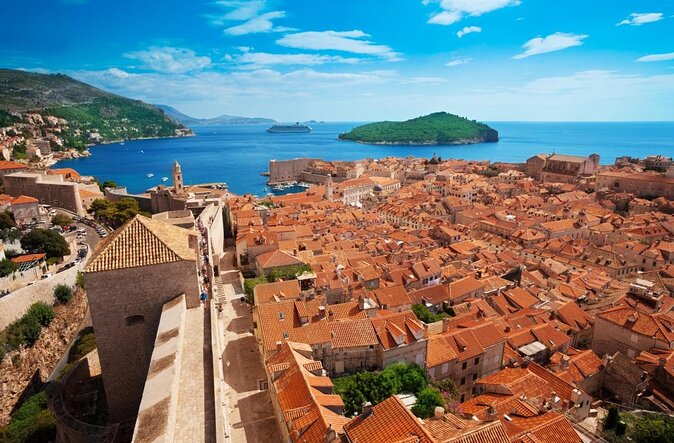
Dubrovnik is easy to admire without asking what happened to it in the early 1990s. The walls, polished stone streets, and grand palaces can make the city feel almost outside of time. This tour corrects that impression.
The Croatian War of Independence, often called the Homeland War, followed the breakup of Yugoslavia. Dubrovnik’s Old Town came under attack during the conflict, and the damage affected homes, churches, public buildings, and the daily routines of people living behind the walls.
I find the tour useful because it does not treat the war as a separate museum subject. You hear about it while standing in the actual spaces where people watched, waited, worked, and tried to keep life going. That makes the history easier to grasp than a list of dates.
The private format matters here. War history can lead to detailed questions, and your guide can adjust the pace for your group instead of following a fixed lecture. If you have a military background, the tour may be especially rewarding. One couple with US Navy experience found the guide’s account particularly absorbing, but you do not need that background to follow the story.
More history-led days in Dubrovnik:
- Dubrovnik Old Town History Walking Tour
★ 5.0 · 1,684 reviews - Game of Thrones & History of Dubrovnik Tour
★ 5.0 · 628 reviews - Dubrovnik: Old Town History Walking Tour
★ 4.9 · 474 reviews
Starting at Revelin Fortress and Ploče Gate
The tour begins at Revelin Fortress, near the eastern approach to the Old Town. The opening story looks back to the first day Dubrovnik was attacked, giving the walk a clear starting point rather than easing in with general city facts.
Revelin is a strong place to begin. Its defensive role helps you understand why the gates, walls, and approaches mattered so much. Your guide can use the fortress and its position to explain how the city was viewed during the attack and why entering Dubrovnik was never simply a matter of passing through a pretty stone doorway.
After about 15 minutes at the fortress, you move to Ploče Gate. The gate is one of the city’s grand entrances, and you enter the UNESCO-listed Old Town through it. That creates a useful contrast: you arrive as a sightseer, then begin looking at the same streets as a place where residents faced danger.
The first two stops are close together and require no admission payment according to the tour details. Wear shoes that handle smooth stone and a little uneven walking. The route is not described as strenuous, but a moderate level of fitness is recommended.
Reading the scars around Old Town

Inside the Old Town, the guide spends about 25 minutes explaining how, why, and when the war began, along with its effect on historic buildings. This is the central portion of the walk, and it is where the tour moves beyond battlefield events.
Look closely as you go. Some damage has been repaired, but not every trace has vanished. The point is not to turn every chipped wall into a dramatic story. It is to notice how a living city can carry evidence of a recent conflict beneath its older medieval and Renaissance appearance.
This stop should suit you if you want context for the buildings you are already photographing. A standard city walk might explain the age and design of a church or palace. Here, you also learn how those places fared during the war and what their condition meant to the people using them.
I would not choose this as your only introduction to Dubrovnik if you know little about the city’s basic layout. The tour focuses on the Homeland War, so it is less concerned with a full sweep of Roman, medieval, Venetian, and modern history. It works best after, or alongside, a regular Old Town visit.
Luza Square and the scale of the bombardment
At Luza Square, the guide asks you to imagine more than 5,000 grenades hitting the city. The stop lasts about 10 minutes, but the number changes how you see the open space around you.
Luza Square is usually a place to admire architecture and watch the flow of people. On this walk, you pause to consider it as an exposed public area during bombardment. The square gives the guide room to explain the scale of the attacks without relying only on photographs or dates.
This is one of the tour’s strongest visual moments. You are not looking at a distant battlefield. You are standing among the stone buildings, streets, and towers that absorbed the attack. The tour asks you to picture the disruption without pretending that a modern visitor can fully recreate what residents experienced.
That distinction is important. The guide provides the local setting and human detail, but the experience remains a short walking tour. It cannot cover every military development or political cause in two hours. If you want a full study of the conflict, you will need additional reading or museum time.
A few more Dubrovnik half-days to weigh up
- Blue Cave Small-Group Boat Tour from Dubrovnik
★ 5.0 · 9,360 reviews - Full-Day Dubrovnik Elaphite Islands Cruise with Lunch and Drinks
★ 5.0 · 8,823 reviews - Dubrovnik: Epic Game of Thrones Tour + Lokrum & Saver Option
★ 4.9 · 5,995 reviews - Dubrovnik: Elaphiti Islands Full-Day Cruise with Lunch
★ 5.0 · 5,938 reviews
The Memorial Room of the Defenders of Dubrovnik
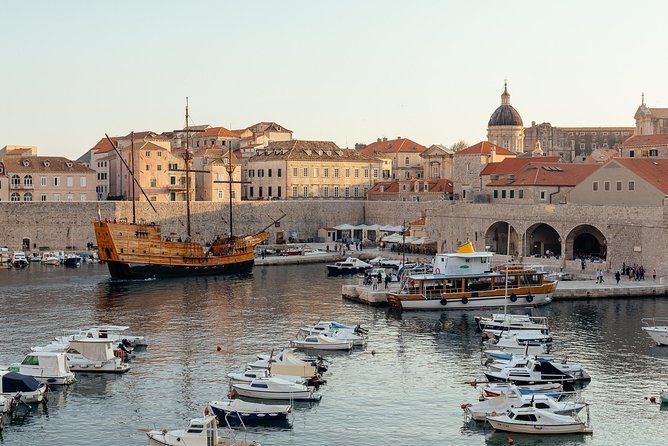
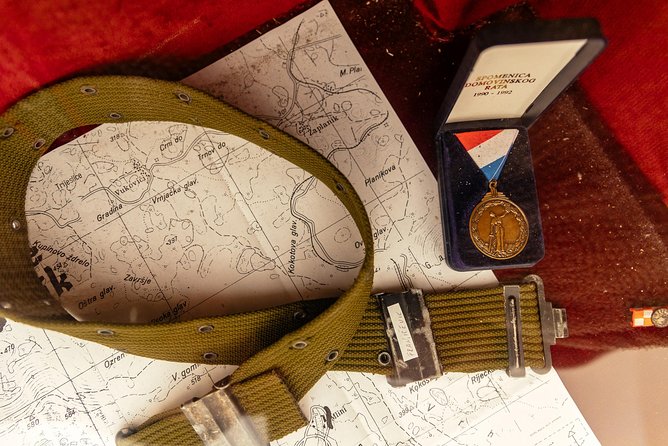
The Memorial Room is the most direct memorial stop on the route. You spend about 10 minutes looking at photographs taken during the war and remembering those who defended Dubrovnik.
Photographs give the tour a different kind of evidence. The damaged buildings around you show what happened to the city, while the images put faces and moments to the conflict. I like this balance because it keeps the story from becoming only about architecture.
The room may be particularly meaningful for people who want to understand the local cost of the war. The tour does not present Dubrovnik as a backdrop that happened to be damaged. It places residents and defenders at the center of the story.
Give yourself a quiet moment here. This is not the sort of stop that needs much commentary from you or the guide every second. The short visit works because the rest of the route has already supplied the setting.
Rector’s Palace and the practical side of wartime life
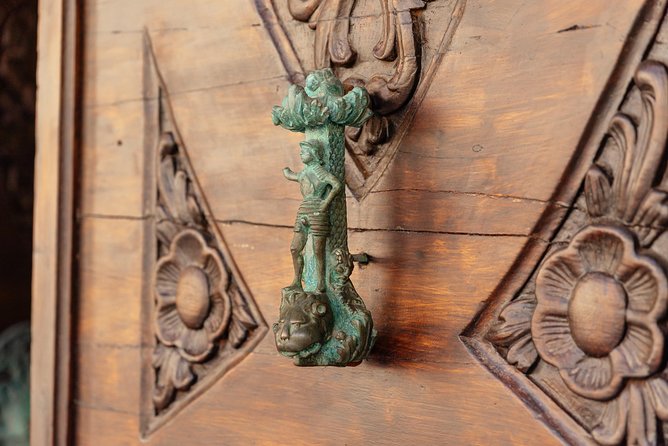
Rector’s Palace is one of Dubrovnik’s most impressive historic buildings, but this tour uses it to discuss daily life during the war. That shift from grand architecture to ordinary routines is one of the best choices in the route.
Ask about what people ate, how they moved around, and how basic services were affected. The available tour information specifically points to local daily life and the situation on ferries, so the discussion reaches beyond military action. Ferries mattered because movement and supplies became part of the wartime problem.
This is also where a local host can add something a textbook cannot. A person who remembers the period can explain how a city’s normal habits change under threat. The details may be small, but small details often make the period understandable: where people went, what they waited for, and how they kept going.
Guide Vesna has received special praise for this personal side of the tour. She lived in Old Town during the 1991 siege and brings memories of that experience to her explanations. Your assigned host may differ, so you should not assume Vesna will lead every booking, but her approach shows the kind of first-hand storytelling this experience aims to provide.
The Church of the Holy Annunciation and St. Salvation
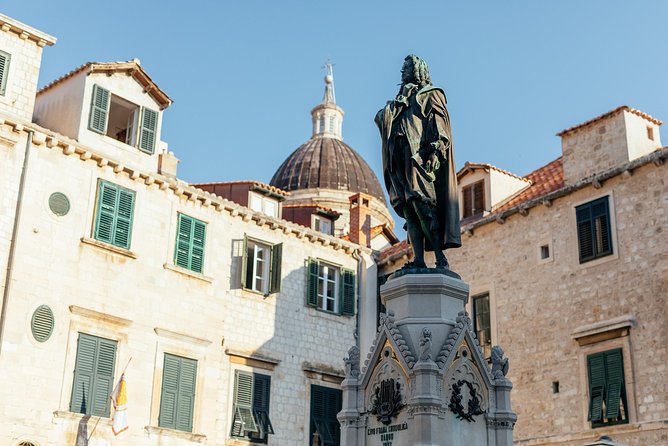
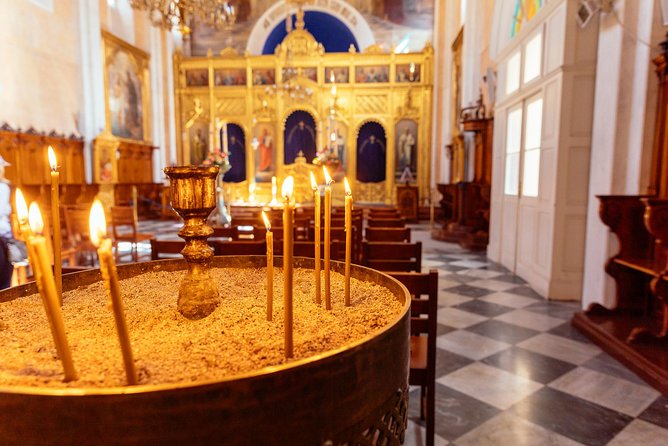
The next church stop is the Church of the Holy Annunciation, an Orthodox church that was repaired after wartime damage. The guide also explains the situation on the ferries during the conflict, linking the building to the wider pressures on the city.
The repaired church is useful because it shows that war damage is not always preserved in its original form. A building may look whole today and still carry a recent story of destruction and repair. You get a chance to think about restoration not only as an architectural task, but also as part of recovery.
At the Church of St. Salvation, you see places where damage remains visible in the Old Town. This makes a nice comparison with the repaired Orthodox church. One stop shows a building brought back into use, while the other helps you spot scars that have not disappeared.
Expect short visits rather than long interior tours. The route lists each church at about 10 to 15 minutes, so the emphasis is on explanation and observation. If you want detailed art or religious history, this is not the right tour for that purpose. Here, the buildings serve as evidence in a story about war and recovery.
Finishing at Pile Gate with Fort Imperial in view

The walk ends at Pile Gate, on the opposite side of the Old City from the starting point. This point-to-point route is practical if you plan to continue sightseeing near the western entrance rather than return to Revelin Fortress.
From Pile Gate, you can also see Fort Imperial. That view helps close the military story by reminding you that Dubrovnik’s defenses were not limited to the walls surrounding the Old Town. The ending gives you a wider sense of the city’s position and the places connected to its defense.
Because the tour ends away from the starting point, plan your next stop before you begin. You will not need a hotel transfer from the provider, and no pickup or drop-off is included. The route itself is easy to fit into a day of sightseeing, but the subject may leave you wanting a break before moving on to another crowded attraction.
What $83 gets you
The listed price is $83 for a private tour of about two hours. The value depends heavily on the size of your group. For one or two people, it is a premium price for a short walk. For a family or small group, the cost per person becomes more reasonable, especially since group discounts are available.
You are paying for a local host, a private format, and a focused subject. The stops themselves do not list admission charges, so you are not paying for a long set of ticketed attractions. The value comes from interpretation, access to personal memories, and the chance to ask questions as you walk.
I would compare it with the cost of a general Old Town tour, but not as a direct replacement. A standard walk may cover more famous monuments and a broader period. This one gives you a narrower subject with a more personal tone.
Food and drinks are not included, and hotel pickup is not included. That is hardly a problem for a two-hour walk in central Dubrovnik, but it is worth knowing if you prefer an all-in-one excursion.
Who should book this private tour
I would recommend it to:
- People who have already seen Dubrovnik’s main sights and want a different angle
- Visitors interested in modern Croatian history and the breakup of Yugoslavia
- Families or small groups who prefer private conversation over a large walking group
- Military history enthusiasts who want a local account rather than only a strategic overview
- Repeat visitors who noticed war damage but did not know its story
- Anyone who values first-hand memories and local daily-life details
I would think twice if you want a cheerful sightseeing tour with little emotional weight. The route is not designed as entertainment, and the subject may be difficult. It is also less useful if you want a broad introduction to every era of Dubrovnik’s past.
Bring water, wear comfortable shoes, and leave room for questions. The tour is mobile-ticket friendly, confirmation arrives at booking, and the meeting point is on Ulica Vrata od Ploča near Ploče Gate. Public transportation is nearby, but you should still allow time to find the exact start point.
The cancellation terms are forgiving if your plans change early: you can receive a full refund by cancelling at least 24 hours before the start time. Cancellations or changes within 24 hours are not refunded or accepted.
Should you book the Homeland War Stories tour?
Book it if you want Dubrovnik to feel like a lived-in city rather than only a beautiful monument. The best parts are the first-hand memories, the Memorial Room, and the small signs of repair and damage that you might otherwise walk past.
At $83, it makes the most sense for a private group that will share the cost. If you are alone and watching every kuna or dollar, a general group walk may offer better value. But if the Homeland War interests you, or if you want a local voice such as Vesna’s account of life inside Old Town during the siege, this compact route offers something a standard sightseeing tour cannot.
FAQ
How long does the Homeland War Stories tour last?
The tour lasts approximately two hours.
Is this a private tour?
Yes. Only your group takes part in the activity.
Where does the tour begin?
It begins on Ulica Vrata od Ploča near Ploče Gate in Dubrovnik.
Where does the tour end?
The tour ends at Pile Gate on the opposite side of the Old City.
Is hotel pickup included?
No. Hotel pickup and drop-off are not included.
Can I cancel for a full refund?
Yes, if you cancel at least 24 hours before the experience start time. Cancellations or changes made within 24 hours are not refunded or accepted.
Just added around Dubrovnik
- Full- Day Private Speedboat Tour in Dubrovnik on Elaphiti Islands★ 5.0 · 21 reviews
- Wine Lover’s Tour of Peljesac Peninsula★ 5.0 · 150 reviews
- Wine tour peninsula Pelješac★ 5.0 · 3 reviews
- Elaphiti Islands Private Dubrovnik Boat Unique Experience★ 5.0 · 10 reviews
- Dubrovnik at War 1991-1992 Private Walking Tour★ 5.0 · 4 reviews
- PRIVATE Wine Tour to Konavle country side★ 5.0 · 11 reviews
- Walls of Liberty: A Self-Guided Audio Tour of Dubrovnik★ 3.5 · 3 reviews
- Parasailing in Cavtat★ 5.0 · 62 reviews
Dubrovnik Tours, compared.

Blue Cave Small-Group Boat Tour from Dubrovnik
Read our review →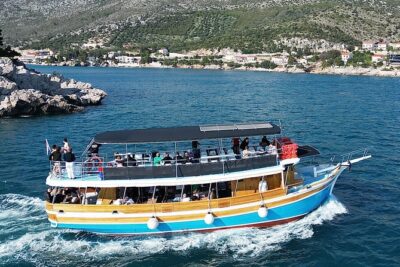
Full-Day Dubrovnik Elaphite Islands Cruise with Lunch and Drinks
Read our review →
Epic Game of Thrones Tour + Lokrum & Saver Option
Read our review →

The Original Game of Thrones Tour & Lokrum Option
Read our review →
Dubrovnik Game of Thrones Tour & Optional Lokrum Island Visit
Read our review →
Elaphite Island Cruise w/ Drinks & Optional Lunch
Read our review →Browse the lists this tour appears in