
Reviewed · PULA TOURS
Pula walking tour
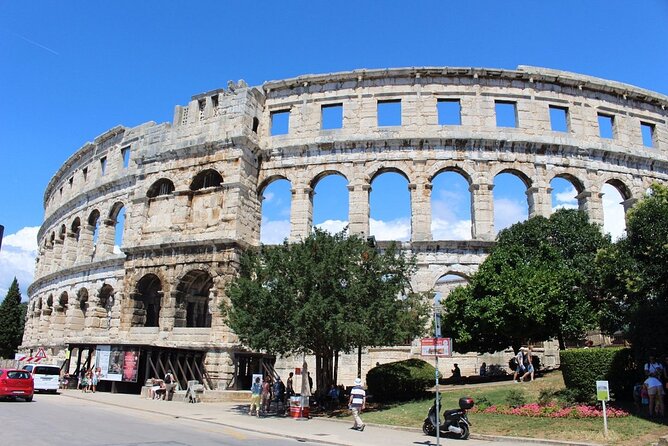
Pula’s story is written in stone, and this 90-minute walking tour gives you a clear route through the city’s Roman, Venetian, Austro-Hungarian, and modern layers. You begin at the famous Arena, climb toward Kastel for harbor views, then pass temples, a cathedral, a market, mosaics, and ancient gates before finishing at the Twin Gates.
I like the way the tour packs Pula’s main sights into a short, easy-to-follow walk. I also like the local angle: guides such as Sini explain everything in clear English, answer questions, and add useful advice about where to eat afterward. The main drawback is simple: you do not enter the Arena or other paid sites, so you’ll need extra time and money if you want to see the interiors.
Key points to know before booking
- Starts at Pula Arena: Meet at the entrance to the amphitheatre on Flavijevska ul.
- Covers eight central sights: The route includes Roman ruins, Kastel, the cathedral, market, temples, and old gates.
- A local guide leads the way: Guides such as Sini are praised for clear English, humor, and strong knowledge of Pula and Istria.
- Site entries are not included: The Arena, Kastel, and other attractions are explained from outside.
- Good use of half a morning: The walk lasts about 1 hour and 30 minutes, leaving time to explore on your own.
- Small-group format: The maximum is 15 people, with private-tour arrangements and group discounts listed as features.
Why this short Pula tour works well
Pula can feel confusing at first. Roman remains sit beside later buildings, the fortress occupies the hill above the harbor, and the market leads you into the everyday city rather than just its postcard sights.
This walk gives you a useful frame. You start with the city’s biggest landmark, then move through its old center in a logical sequence. By the end, you have seen the main historic sights and should know which ones deserve a longer visit.
I especially like the mix of grand monuments and ordinary city life. The Arena and Temple of Augustus provide the big Roman story, while the market and shopping streets show you how Pula functions today. The fortress adds a view and a reminder of the city’s military past.
The guides also seem to make a real difference. Sini is singled out for explaining Pula’s long story to an entire family, while other guide descriptions highlight clear English, warmth, humor, and a willingness to answer questions. That matters in Pula, where a good explanation can turn a pile of old stones into a readable part of the city.
More walking tours in Pula:
- Pula: Historic Walking Tour with Local Guide & City Views
★ 4.8 · 143 reviews - Pula: Historic Sites Guided Walking Tour
★ 4.8 · 78 reviews - Pula Essentials Walking Tour
★ 4.8 · 64 reviews
The Arena: a powerful start without an interior visit
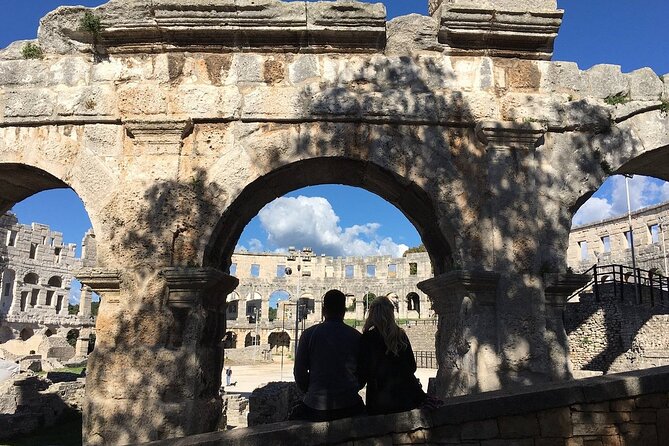
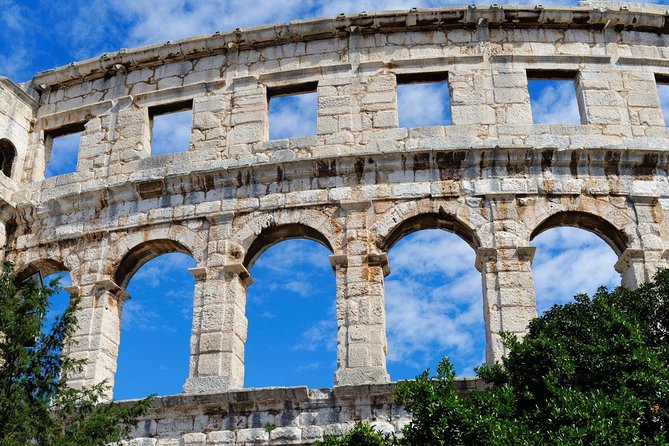
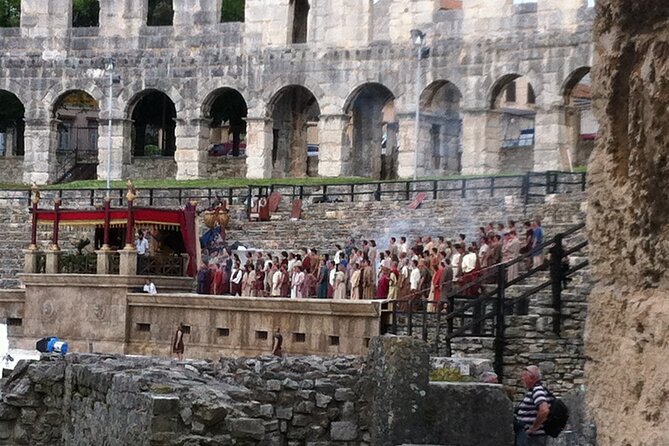
The tour begins outside the Amphitheatre of Pula, usually called the Arena. You spend about 20 minutes here while your guide explains the building and its place in Pula’s past.
This is the strongest opening point. The amphitheatre is large enough to dominate the first impression of the city, and it gives your guide plenty to discuss before you move into the older streets.
Keep your expectations clear. The tour explains the Arena from the outside, and the admission ticket is not included. If you want to walk inside, see the seating areas, or inspect the interior more closely, plan a separate visit.
One useful tip: arrive at the meeting point at the Arena entrance, not simply somewhere near the amphitheatre. The stated meeting point is Pula Arena, Flavijevska ul., 52100 Pula. Map apps can sometimes place visitors at the wrong spot, so check the exact entrance before setting out.
The Arena stop is also a good moment to ask your guide what deserves a return visit. Since the walk continues at a steady pace, you may prefer to come back later when you can take your time.
Kastel and the harbor view
From the Arena, the route continues to Kastel, Pula’s hilltop fortress. The stop lasts about 10 minutes, and the explanation takes place outside. The reward here is the view toward the harbor.
This is more than a quick photo stop. The hill helps you understand why the city developed where it did and how the fortress fits into Pula’s later military story. One guide description highlights the walk up to the fortress as a way to understand the city’s position and the shape of Pula today.
Expect some uphill walking, but the tour is generally described as an easy walk with a moderate fitness requirement. Wear shoes you can comfortably use on old streets and inclines. The tour operates in all weather, so a light rain layer or sun protection is sensible.
Kastel is also one of the places where the lack of included admission matters. If you want to see inside the fortress, you’ll need to return and pay separately. The tour’s purpose here is orientation, history, and the view, not a full fortress visit.
Pula Cathedral and the changing city center

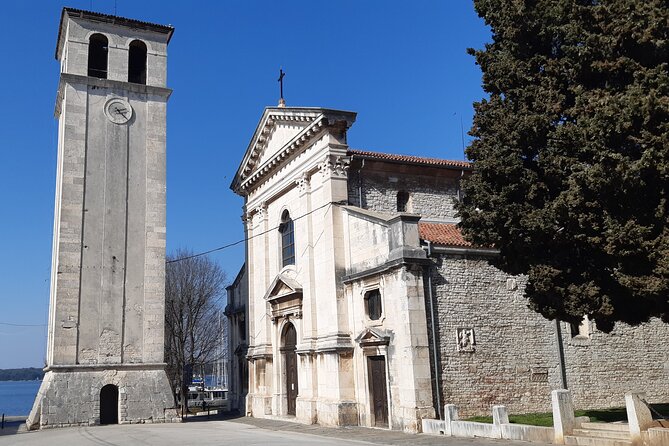
The next stop is Pula Cathedral, with about five minutes for an outside explanation. If the church is open, you may be able to enter.
That conditional wording is important. Do not book this walk assuming an interior visit. Treat it as a bonus if the doors are open.
The cathedral helps broaden the tour beyond Roman monuments. Pula’s story did not stop in antiquity, and this brief stop gives you a look at the city’s religious and later architectural layers. Because the visit is short, anyone especially interested in the church should plan to return independently.
The guide’s local perspective is useful here. Instead of seeing the cathedral as an isolated building, you get a quick explanation of how it fits into the surrounding old center and the city’s changing identity.
A few more Pula half-days to weigh up
- Pula: Arena Entrance Ticket
★ 4.3 · 2,590 reviews - Medulin -Kamenjak 5h boat trip with lunch & drinks on Sandra Boat
★ 5.0 · 1,621 reviews - Full-Day Boat Tour of the Medulin Archipelago from Medulin
★ 5.0 · 1,389 reviews - 3hours all inclusive Sunset&Dolphin Tour from Medulin on Sandra
★ 5.0 · 1,130 reviews
Temple of Augustus and the Roman heart of Pula
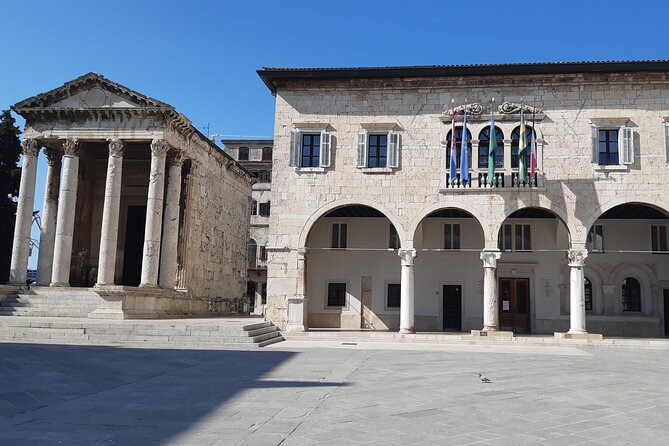
At The Temple of Augustus, you spend roughly 10 minutes listening to an outside explanation. The temple is one of the clearest reminders that Pula was once an important Roman city.
This is one of the tour’s best history stops because the scale is different from the Arena. The amphitheatre overwhelms you with size. The temple makes you look closely at a single Roman monument and its setting.
The tour does not include entry, and the guide explains the temple from the street. That is enough for a first orientation, but you may want extra time for photographs and a closer look afterward.
The Roman theme continues through nearby remains and mosaics. One particularly useful point from the tour experience is that some mosaics are easy to miss if you rely only on a standard guidebook. Ask your guide about them, and keep your eyes open as you move through the old city. These smaller remains can be more rewarding than the major monuments because you might pass them without realizing what you are seeing.
Arch of the Sergii and the old city streets
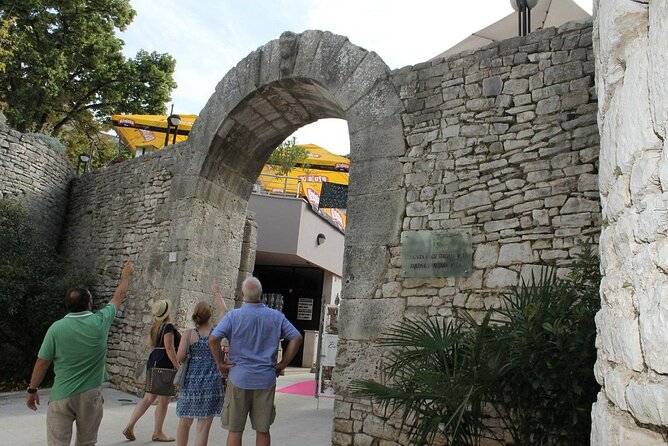
The Arch of the Sergii, also called Arco dei Sergi, receives about 10 minutes of explanation from outside. It is another Roman landmark, but the setting feels more connected to the city’s streets and daily movement.
This stop helps you see how Pula’s ancient remains are woven into the modern center. You are not being led from one fenced-off attraction to another. Instead, the route uses public streets, squares, and passageways, with historic details appearing along the way.
That makes the walk practical for first-time visitors. You learn where the main monuments are and how they relate to one another. You also get a better sense of the old center before heading off to explore alone.
The guide’s storytelling is especially valuable here. Several comments describe guides who kept teenagers interested, spoke clearly, and explained everything from gladiator traditions to the history of Pula and Istria. That kind of delivery matters more than a long list of dates.
The market: a useful change of pace

The route then reaches Gradska Trznica Pula, the city market. The stop lasts about 10 minutes, with the guide explaining the market from outside.
This is a smart inclusion. A tour made only of Roman monuments can leave you with a narrow view of Pula. The market gives you a glimpse of the living city and provides a natural point for lunch planning.
Food and drinks are not included, but one guide offers recommendations at the end of the walk. Use that chance to ask where to eat, especially if you want something beyond the most obvious tourist options.
The market is also a good place to pause and reset. After the Arena, fortress, cathedral, temple, and arch, this stop brings you back to present-day Pula. You see how the historic center works as a real neighborhood, not just an open-air museum.
Hercules Gate and the Twin Gates finish
The final two stops are Gate of Hercules and The Twin Gates of Pula. Each receives about five minutes of outside explanation.
The Gate of Hercules is a compact Roman remnant. It will not take long to see, but it adds another piece to the city’s ancient street plan. The Twin Gates then provide the finish at Carrarina ul. 8.
Ending at the Twin Gates is useful because you are released into the city rather than returned to the starting point. From here, you can continue exploring, look for lunch, or make your way to another part of Pula.
The route covers a lot in a short time, so the final stops are brief. If you want detailed explanations at every monument, this may feel rushed. If your goal is to get oriented and see the central highlights before exploring on your own, the pace makes sense.
What the 90-minute timing means for you
At about 1 hour and 30 minutes, this is a compact introduction rather than a full day of sightseeing. You spend only a few minutes at some stops and about 20 minutes at the Arena.
That timing works particularly well if you have half a day in Pula, are visiting on a cruise schedule, or want a first look before choosing which sites to enter. It also suits families and older children because the walk is described as fairly easy and the guide can keep the history moving.
You should allow extra time before the start to find the meeting point. The tour is not forgiving if you arrive late, and refunds are not issued when a cruise ship arrives late or misses the port schedule.
The group maximum is 15 people. That is small enough for questions to be practical, though the experience can vary depending on the final group size. Private-tour arrangements are listed among the highlights, so confirm the format at booking if having a fully private guide is important to you.
The price and what you actually receive
At about $20.16 per person, the price is reasonable for a local orientation walk, especially if you are new to Pula and want the city explained rather than simply photographed.
You are paying for the guide’s time, route planning, historical context, and local recommendations. You are not paying for entrance to the Arena, Kastel, or other paid attractions. Add those costs separately if you plan to go inside.
The value is strongest when you use the tour as a starting point. Let the guide show you the central layout, ask about the mosaics and lunch, then return to the sites that caught your interest. If you already know Pula well, the price may be harder to justify unless you want a fresh local perspective.
Group discounts may be available, and the tour is offered in English. Confirmation is sent within 48 hours of booking, subject to availability. Free cancellation is available up to 24 hours before the start time, but cancellations or changes inside that window are not refunded.
Who should book this Pula walking tour
I would choose this tour if you want:
- A quick introduction to Pula’s Roman monuments
- A guide who can connect ancient sites with Croatian and Istrian history
- A walk that includes the market and modern city center
- A family-friendly pace with room for questions
- Help deciding what to see after the tour
- A short activity that fits into a morning or cruise stop
I would look elsewhere if you want long interior visits, detailed archaeological study, or a slow photography walk. The tour is mainly outdoors, and its strength is the guide’s explanation and route rather than extended time inside monuments.
Wear practical shoes and dress for the forecast. Since the walk runs in all weather, you should be ready for sun, wind, or rain. Children must be accompanied by an adult, and all participants should have a moderate level of fitness.
Should you book it?
Yes, if this is your first time in Pula and you want the main story in a manageable 90-minute walk. The route gives you the Arena, Kastel, cathedral, Temple of Augustus, Arch of the Sergii, market, Hercules Gate, and Twin Gates without wasting time on transfers.
The best reason to book is the local guide. Sini, in particular, is praised for clear explanations, humor, and the ability to keep a whole family involved. Just remember that the tour is an outside overview. For the best value, pair it with a separate Arena visit and leave yourself time afterward for the fortress, church, or mosaics that interest you most.
FAQ
How long does the Pula walking tour last?
The tour lasts approximately 1 hour and 30 minutes.
Where does the tour start?
It starts at Pula Arena, Flavijevska ul., 52100 Pula, Croatia. The meeting point is at the Arena entrance.
Where does the tour finish?
The tour ends at the Twin Gates, Carrarina ul. 8, 52100 Pula, Croatia.
Is admission to the Arena included?
No. The guide explains the Amphitheatre of Pula from outside, and the admission ticket is not included.
Is the tour offered in English?
Yes. The tour is offered in English.
What is the maximum group size?
The tour has a maximum of 15 travelers.
Can I cancel for a full refund?
Yes. You can cancel at least 24 hours before the experience start time for a full refund. Cancellations or changes made less than 24 hours before the start are not refunded.
Just added around Pula
- Kamenjak Nature Park: Kayak Tour with Snorkeling & Cave Exploring★ 5.0 · 15 reviews
- Dolphin & Sunset tour with Brijuni panorama★ 5.0 · 119 reviews
- Transfer Pula – Poreč★ 5.0 · 5 reviews
- Clear Kayak Glow Night Tour★ 5.0 · 69 reviews
- Pula / Pješčana Uvala: Sunset SUP Tour – Explore & Chill★ 5.0 · 16 reviews
- Kayaking to Island Saint Jerolim with snorkeling activitie★ 4.5 · 26 reviews
- Pula Kayak Tour-Cliff jumping,snorkeling& free GoPro pictures★ 5.0 · 94 reviews
- 1.5-hour Clear Kayak Rentals: Explore Verudela Cave & Islands★ 5.0 · 39 reviews
Pula Tours, compared.
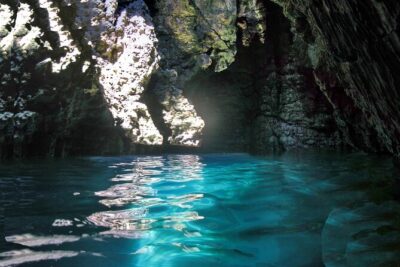
Kamenjak 5h boat trip with lunch & drinks on Sandra Boat
Read our review →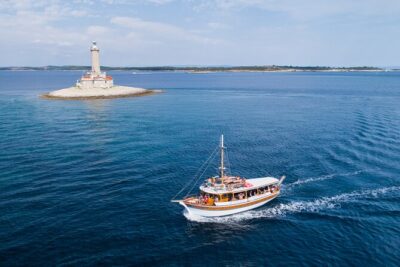
Full-Day Boat Tour of the Medulin Archipelago from Medulin
Read our review →
3hours all inclusive Sunset&Dolphin Tour from Medulin on Sandra
Read our review →
Dolphin Watching & Sunset Boat Tour With Dinner and Drinks
Read our review →
Kayaking,Snorkeling, Cliff jumping Tour with Wetsuit
Read our review →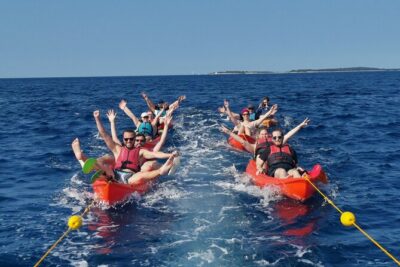
BOAT & KAYAK! Sea Adventure – Snorkeling & Cliff Jumps
Read our review →
National Park Brijuni Island Visit & Dolphin Cruise
Read our review →Browse the lists this tour appears in