

Reviewed · ZAGREB TOURS
Best of Zagreb with the WW2 Tunnels
Zagreb’s Gric Tunnel is the unusual finish to this city walk. Built during the Second World War under fascist rule, it gives the tour a darker edge after the open-air sights of the Upper Town. Along the way, you move from the city’s main square to the market, cathedral, old streets, colorful St. Mark’s Church, and several places that shaped Zagreb’s daily life.
I like the local perspective, especially the chance to hear how Zagreb works today rather than getting only dates and monuments. I also like the efficient route: Dolac Market and the Old Town give you a strong first look at the city in a short morning.
The main point to consider is the walking itself. Hills, stairs, and uneven old streets are part of the route, and the advertised duration can vary. Some groups finish in about two hours, while the official estimate is roughly two and a half hours.
Key points at a glance
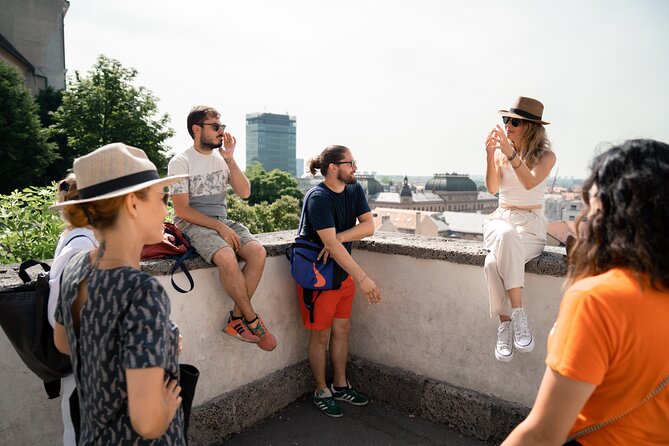
- Gric Tunnel adds a wartime layer: End the walk underground in one of Zagreb’s most unusual public spaces.
- Dolac Market shows daily Zagreb life: Spend time at the city’s so-called Belly of the City and sample local specialties.
- The route covers the essential Old Town: See the Cathedral, Bloody Bridge, Stone Gate, St. Mark’s Square, Parliament, and Government buildings.
- Guides make the difference: Diana, Darko, Ena, Ivana, Iva, and Kristina are among the guides praised for humor, clear English, and personal stories.
- A compact first-day introduction: The walk is designed for first-time visitors and anyone with only a short time in Zagreb.
- Private format with a 15-person maximum: A booking requires at least two people, with a certified local guide leading the group.
Why this Zagreb walk works so well
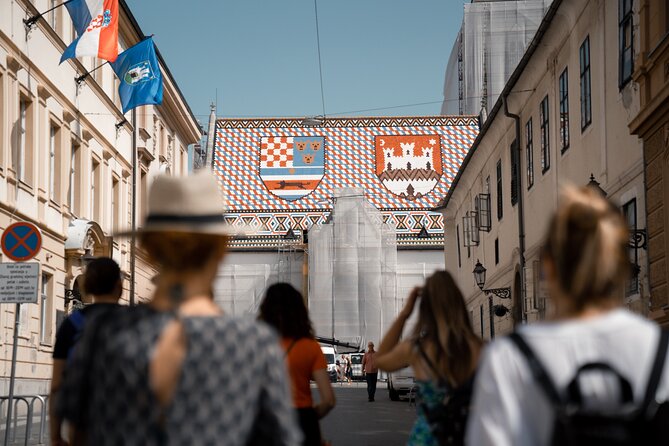
Zagreb is easy to underestimate. It lacks the immediate seaside drama of Dubrovnik and the grand Roman remains of Split, but its center rewards a slower look. This tour helps you read the city in the right order, starting with the modern civic heart and climbing into the medieval Upper Town.
The route is not just a checklist of buildings. You see where people meet, shop, cross between neighborhoods, and remember past conflicts. That matters in Zagreb, where a market, a chapel, a former bridge, and a wartime tunnel can sit within a short walk of one another.
I would book this early in your stay. You will get a useful sense of direction, hear about Croatian customs and everyday life, and receive suggestions for food and later sightseeing from your guide. Guides such as Ena have also been praised for sharing details about their own lives in Zagreb, which can make the city feel less like a collection of monuments.
The private setup is another advantage. The booking requires at least two people, and the maximum is 15. That is small enough for questions and conversation, though you should not assume a completely one-on-one tour unless your booking is only for two people.
A few more Zagreb half-days to weigh up
- From Zagreb: Plitvice & Rastoke Guided Day Trip with Ticket
★ 4.9 · 2,955 reviews - Zagreb: Rastoke & Plitvice Lakes Guided Tour with Ticket
★ 4.9 · 1,897 reviews - Communism & Croatian Homeland War Tour
★ 5.0 · 1,355 reviews
Ban Jelačić Square sets the city’s rhythm
The meeting point is Ban Josip Jelačić Square, Zagreb’s main city square. The statue of Ban Josip Jelačić gives you an easy landmark, and the first 20 minutes are used to introduce the square, the city, and the plan for the walk.
This is a smart starting point because Zagreb’s central square is both a practical meeting place and a useful guide to the city. You begin in the part of town where daily movement, public events, and transport come together before heading uphill toward the older streets.
Your guide may also help you place Zagreb within Croatian life. The tour promises conversation about local culture, traditions, and ordinary routines, not only architectural facts. That makes the opening especially useful if you have just arrived and still need to understand how the capital fits into the country.
Zagreb Cathedral and the changing city center
The next stop is Zagreb Cathedral, one of Croatia’s tallest and most important buildings. The scheduled visit lasts about 20 minutes, giving your guide time to explain the cathedral’s place in the city and point out its architecture.
A practical warning is needed here. Earthquake damage from 2020 affected several churches and buildings in Zagreb, and some interiors may be closed or under repair. The cathedral is still an important sight from the outside, but do not book this walk expecting guaranteed entry into every church or building along the route.
That limitation does not ruin the stop, but it can affect your expectations. This is primarily an outdoor walking tour, with explanations given in the streets and squares. If a building is closed, the guide can still provide context, but you may not see the interior.
Dolac Market, Zagreb’s Belly of the City
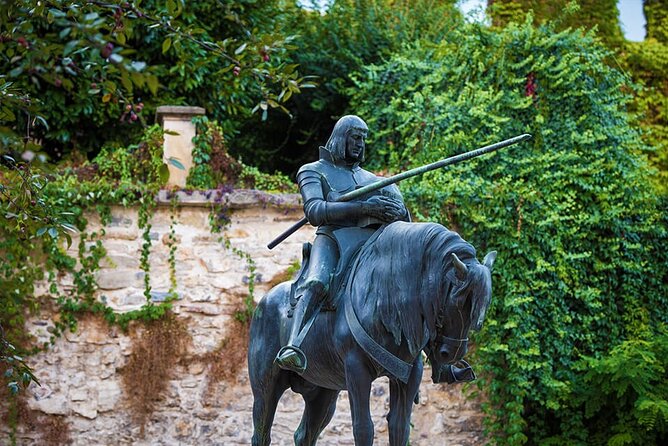
Dolac Market is one of the most useful stops for understanding Zagreb beyond its monuments. Known locally as the Belly of the City, this green market brings food, shopping, and everyday conversation into the route.
The planned stop is short, about 10 minutes, so think of it as an introduction rather than a long food tour. You can see the market atmosphere, learn why it matters to local residents, and sample local specialties or street food as part of the experience. Since the included features list guiding but does not separately specify a food allowance, bring some Croatian currency or a payment card if you want to buy extra items.
I especially like this part for first-time visitors. A market tells you things a grand church cannot. It gives you a look at what people buy, how the center functions during the day, and where you might return for a snack after the tour.
Do not expect a long sit-down meal. The schedule moves quickly, and the market stop is one piece of a wider city walk. If food is your main goal, use the guide’s suggestions after the tour and plan additional time at Dolac.
Same stretch of coast, a completely different day out:
- Plitvice Lakes with Ticket & Rastoke Guided Tour from Zagreb
★ 5.0 · 966 reviews - Zagreb: Small Group Walking Tour City Center and WW2 Tunnels
★ 4.9 · 895 reviews - Zagreb: Skip-the-Ticket-Line Museum of Broken Relationships
★ 4.5 · 847 reviews - Zagreb: City and WWII Tunnels Walking Tour
★ 4.9 · 845 reviews
Bloody Bridge and the road into the Upper Town
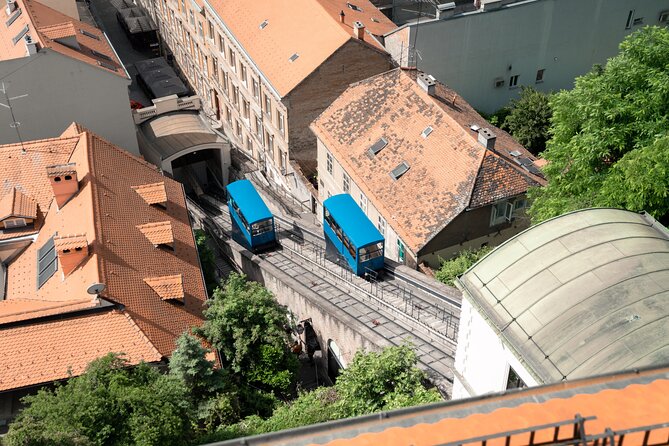
Krvavi Most, translated as Bloody Bridge, is now a street, but it was once a bridge and the site of battles and disputes. The stop lasts about 15 minutes.
This is the kind of place that can pass unnoticed if you walk through Zagreb on your own. There may be no grand ruin to photograph, yet the name and location reveal how the old city developed through conflict and division. Your guide gives the street a story, turning a simple passage into a meaningful part of the route.
From here, the walk continues toward the Upper Town. Expect the character of the streets to change as you leave the main square and move through older lanes and entrances. The route includes hills and stairs, so wear shoes that can handle a full morning on foot.
Stone Gate and Zagreb’s protective traditions
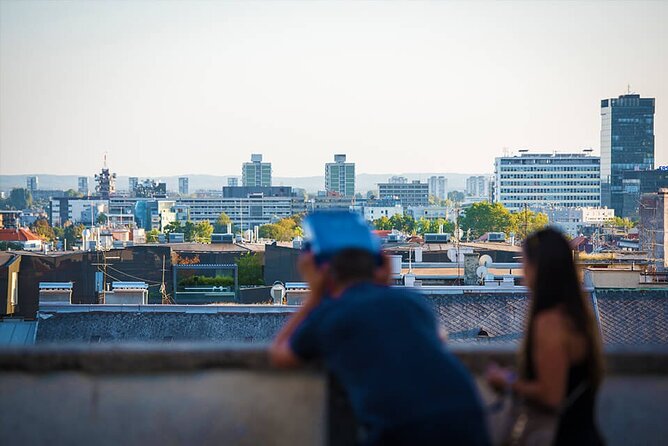
The stop called Petrini Pyli refers to the historic entrance to the Old Town. Here you see the city’s patron saint chapel at Stone Gate and one of the oldest pharmacies in the world.
Stone Gate is a particularly good stop for anyone interested in how faith and city life overlap. It is not simply an old entrance. The chapel gives the passage a devotional role, and your guide can explain why the site matters to Zagreb residents.
The pharmacy adds another layer, connecting the old gateway with the practical business of health and daily needs. The stop is scheduled for only about 10 minutes, so the guide’s explanation is important. You will not have much time to linger if the group is keeping to the planned pace.
St. Mark’s Square and the Upper Town’s symbols
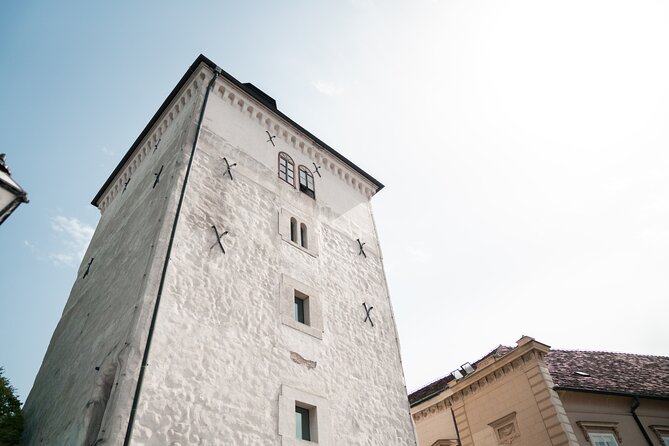
St. Mark’s Square is one of Zagreb’s most recognizable spaces. Its centerpiece is St. Mark’s Church, known for its colorful tiled roof. The square also contains Croatia’s Parliament and Government buildings, making it both an architectural stop and a place tied to modern national politics.
The planned time here is about 20 minutes. That is enough to look closely, take photographs, and hear why this square matters, but public buildings may not be open for casual entry. Treat the stop as an exterior visit unless your guide tells you otherwise.
This is where the tour’s mix of old and current Zagreb becomes clear. Medieval streets lead to a church with a striking roof, while national government buildings occupy the same compact square. A guide can explain those connections far better than a quick photograph and a plaque.
Several guides have been praised for making this section lively. Diana is noted for mixing humor with city facts, while Darko is described as friendly, proud of Croatia, and good at keeping a steady pace. Ena has also been praised for turning historical explanations into entertaining stories and offering ideas for places to eat and things to do afterward.
Inside the Gric Tunnel
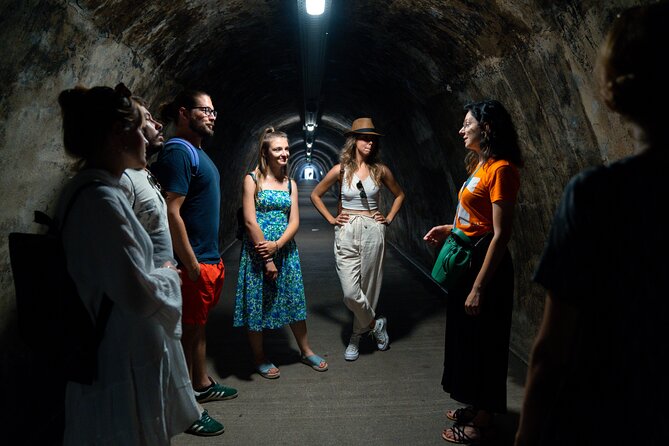
The Gric Tunnel provides the tour’s most distinctive stop. The tunnel was built during the Second World War under fascist rule, and the walk through it gives the city tour a serious change of tone.
You spend about 20 minutes here. The tunnel is not presented as a separate museum visit with a long display program. Instead, it forms part of the walking route, giving you a direct sense of Zagreb’s wartime infrastructure and the way the Upper Town extends below ground.
This is a strong reason to choose this tour over a standard sightseeing walk. Zagreb’s churches and squares are easy to find, but the tunnel adds a less obvious piece of the city’s past. It also keeps the tour from feeling too polished. You see the ceremonial center, the food market, the old lanes, and a place built for danger.
The tour ends back at Ban Jelačić Square. That makes planning simple. You can continue to a meal, return to Dolac, use public transport, or start another visit from the same central point.
Guide quality matters more than the route
The route is solid, but the guide will shape the experience. The provider uses certified local guides with more than 500 tours of experience, and several guide names have received especially strong praise.
Diana is described as warm, funny, and able to explain Zagreb clearly. Darko is praised for excellent English, wit, and a good pace. Ena is known for personal Zagreb stories, humor, and practical recommendations. Ivana is described as passionate about the city, while Iva is praised for her English and her explanations of Croatian culture and history. Kristina is noted for an enthusiastic presentation of the Second World War tunnels.
You cannot choose a particular guide from the information provided, so book for the tour format rather than expecting one specific person. Still, the repeated emphasis on storytelling is encouraging. The best guides on a city walk do not simply recite dates. They notice questions, adjust the pace, and explain why a place matters now.
The walking pace appears manageable for most people, but the route is not flat. One guide may move faster or pause longer than another, and your exact duration can vary. Some groups have finished in two hours, even though the published estimate is two and a half hours and the highlights describe it as a two to three hour tour.
Price, timing, and practical value
At $23.98 per person, this is a reasonable price for a private guided introduction to Zagreb, particularly if two or more people share the booking. You are paying for a certified local guide, a planned route through several key areas, and the ability to ask questions along the way.
The value is strongest if you are new to Zagreb or have only one day in the city. In roughly two to three hours, you cover the main square, cathedral, market, Upper Town entrances, St. Mark’s Square, and the Gric Tunnel. Arranging that route alone is possible, but you would need to research the places and would miss much of the local context.
The value is weaker if you want long interior visits, a full food tour, or a slow photography walk. The official schedule gives only 10 minutes at Dolac Market and short visits at several other stops. The tour is built for coverage and explanation, not extended time at each site.
It starts at 10:30 each day and operates every day. Mobile tickets make the entry process simple, and the meeting point is near public transportation. Most people can participate, and service animals are allowed. Cancellation is free up to 24 hours before the start time, but changes or cancellations inside that window are not refunded. The tour also requires a minimum of two people and may be canceled if that minimum is not reached.
Who should book this walk
I would recommend it to first-time visitors, couples, families with older children, and anyone who wants a clear introduction before exploring alone. The mix of market, architecture, politics, religion, local stories, and wartime space gives you more range than a walk focused only on monuments.
It also suits visitors with limited time. The route is compact, central, and ends where it begins. You will not need to arrange a separate transfer, and you can plan lunch or another sight immediately afterward.
Families may appreciate the variety. Children and teenagers often respond better to a market, a tunnel, and old city gates than to a long lecture inside a church. The guides are also described as using humor, which helps keep the information moving.
I would think twice if stairs and hills are difficult for you, or if you need a fully accessible route. The information confirms that most people can participate but also makes clear that the walk includes hills and many stairs. You should also allow for building closures after earthquake damage and treat interiors as uncertain.
Should you book Best of Zagreb with the WW2 Tunnels?
Book it if you want a well-rounded first look at Zagreb with a local voice and a route that reaches beyond the obvious square and cathedral. The Gric Tunnel, Dolac Market, Bloody Bridge, and Stone Gate give the walk enough character to avoid feeling like a basic monument loop.
Skip it if you want a dedicated food experience, a slow museum visit, or guaranteed access inside historic buildings. For most first visits, though, the price is fair and the coverage is useful. Start with this walk, note the places that catch your interest, then return to Dolac, St. Mark’s Square, or the Upper Town at your own pace.
FAQ
Where does the Zagreb walking tour begin?
The tour begins at Ban Jelačić Square, also written as Trg bana Josipa Jelačića, in central Zagreb.
What time does the tour start?
The tour starts at 10:30 am and operates every day.
How long does the tour last?
The listed duration is approximately two hours and 30 minutes, with the tour described elsewhere as lasting two to three hours. Some groups have finished in about two hours.
Where does the tour end?
The activity ends back at the meeting point at Ban Jelačić Square.
What sights are included on the route?
The route includes the Ban Josip Jelačić Monument, Zagreb Cathedral, Dolac Market, Bloody Bridge, Stone Gate and its chapel, one of the oldest pharmacies in the world, St. Mark’s Square, and the Gric Tunnel.
Is the tour private?
The experience is described as a private walking tour. A booking requires at least two people, and the maximum group size is 15 travelers.
Can I cancel for a full refund?
Yes. You can cancel at least 24 hours before the experience start time for a full refund. Cancellations or changes made less than 24 hours before the start time are not accepted for a refund.
Just added around Zagreb
- Toast to the Morning After: Zagreb Museum of Hangovers Visit★ 4.0 · 39 reviews
- From Split: Transfer to Zagreb with Stop at Plitvice Lakes★ 4.6 · 44 reviews
- Severin na Kupi: Canoeing and Kayaking on the Kupa River★ 4.6 · 22 reviews
- Rafting/Kayaking adventure river Kupa★ 4.4 · 21 reviews
- Private Walking Tour of Zagreb★ 4.9 · 5 reviews
- Plitvice Lakes National Park – 2hr Inspiration Buggy Tour★ 5.0 · 3 reviews
- Jump into Zagreb: Walking Tour with local guide★ 4.8 · 3 reviews
- From Zagreb: Varazdin Baroque Town & Trakoscan Castle★ 4.9 · 38 reviews
Zagreb Tours, compared.
Plitvice & Rastoke Guided Day Trip with Ticket
Read our review →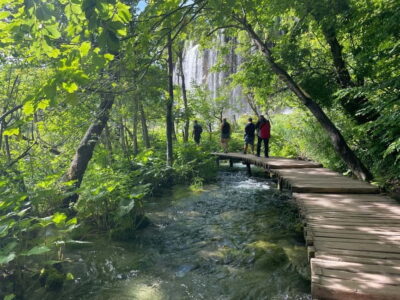
Rastoke & Plitvice Lakes Guided Tour with Ticket
Read our review →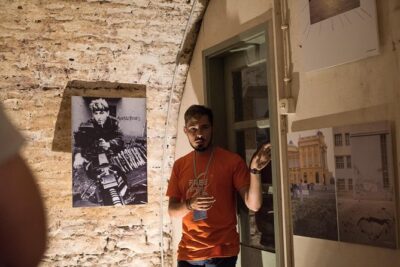
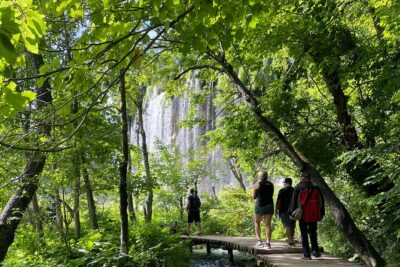
Plitvice Lakes with Ticket & Rastoke Guided Tour from Zagreb
Read our review →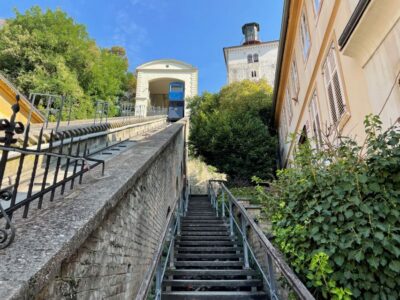
Small Group Walking Tour City Center and WW2 Tunnels
Read our review →
Skip-the-Ticket-Line Museum of Broken Relationships
Read our review →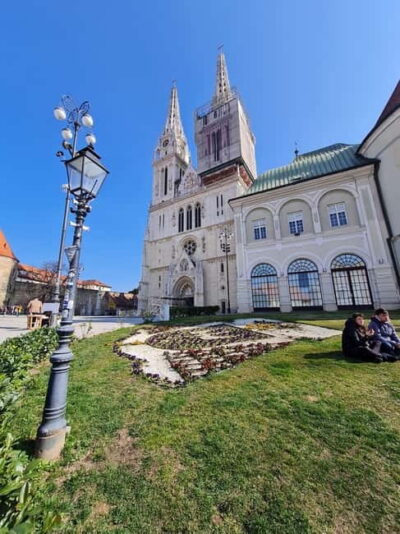
Plitvice and Rastoke day trip from Zagreb w/ticket (guar. dep.)
Read our review →Browse the lists this tour appears in