
Reviewed · DUBROVNIK TOURS
Authentic Garden to Table Cooking Class in Dubrovnik Countryside
At Kameni Dvori, cooking starts in the garden, not with a printed recipe. You knead your own bread, gather vegetables and eggs, and may milk a goat before sitting down to a homemade Croatian meal in a family homestead tied to the Mujo family since the 1500s.
I like the small group of no more than eight, which gives the class a personal, unhurried feel. I also like the genuine farm-to-table chain: the ingredients come from the property or a nearby family farm, and the food changes with the season. The main drawback is the price, $208 per person, which is a serious spend for a five-hour activity, especially if you only want a quick cooking lesson.
Key points to know before booking
- A 500-year-old family homestead: Kameni Dvori in Konavle has been connected with the same family for generations, and family stories are part of the meal.
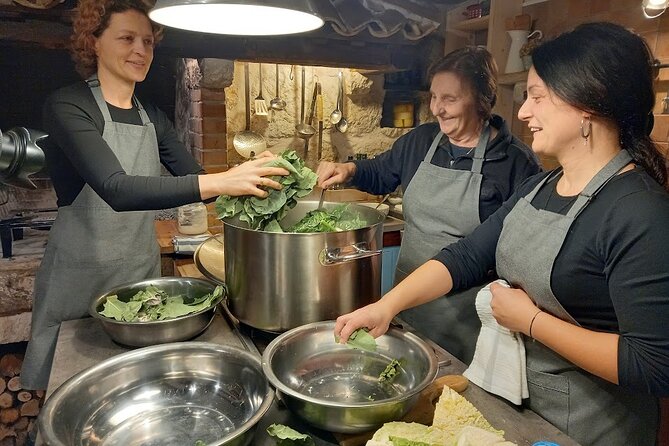
- Hands-on from the start: You knead your own loaf, help prepare the dishes, and gather some of the food used in the kitchen.
- A real garden visit: You see how the garden is cultivated, collect fresh vegetables, and gather eggs rather than simply watching a demonstration.
- Goat milking may be included: If the dessert uses milk, you may get a chance to milk a goat.
- Seasonal Croatian cooking: The menu depends on what is growing and available, with options such as bay-leaf pork skewers, chicken stew, homemade pasta, and Grandma’s cake.
- Pickup and wine included: Transfers are offered from Dubrovnik, and the meal ends with homemade red or white wine.
Why this class feels different from a city cooking lesson
Dubrovnik is one of Croatia’s great sightseeing cities, but its old town can become crowded and tightly scheduled. This class takes you into Konavle, the rural area south of Dubrovnik, where the pace changes quickly.
The focus here is not on mastering a long list of recipes. It is on seeing how food fits into family life. Bread, vegetables, eggs, olive oil, wine, cheese, and cured meat are connected to the household and the land around it. You get a better sense of Croatian cooking by handling the ingredients than you would by sitting at a counter while someone else does all the work.
That setting matters. Kameni Dvori is a holiday village and family homestead at Lovorno 11, near Gruda. The property has been in the family since the 1500s, and the hosts share stories about a family tree reaching back roughly 500 years. This gives the meal a personal context that a standard restaurant cannot provide.
The experience is especially appealing if you want a break from Dubrovnik’s usual circuit of walls, churches, and viewpoints. You are not giving up the city’s sights, but you are adding a piece of southern Croatian life that is harder to find on a conventional day tour.
More cooking classes in Dubrovnik:
- Traditional Cooking Class in Dubrovnik Countryside
★ 5.0 · 168 reviews - Traditional Dalmatian Cooking Class from Dubrovnik
★ 5.0 · 49 reviews - Croatian Traditional Cuisine: Peka Cooking Lesson
★ 5.0 · 10 reviews
Getting to Kameni Dvori from Dubrovnik
You can meet at Kameni Dvori, or request pickup. The provider uses vehicles for groups of eight, seven, or three people, marked with a Cooking class sign. Pickup details should be settled when you book, especially if you need a child’s chair.
The drive is part of the transition from city to countryside. One of the hosts, Ivo, has provided a short history lesson about the area during the ride. Katarina has also handled transfers and explained her family’s connection to the property along the way.
Because the activity lasts about five hours and ends back at the meeting point, pickup is useful if you do not want to arrange transport to Gruda yourself. Still, check the exact pickup point and timing before the day begins. The published meeting point is Kameni Dvori, Holiday Village Konavle, Lovorno 11, 20215 Gruda.
The group limit is eight people. That is a strong advantage for a hands-on class. You have more room to work, ask questions, and talk with the family than you would in a large commercial cooking school.
A welcome drink and a look at the family home
On arrival, you are welcomed with a drink while the host explains the plan. This first pause helps set expectations because the dishes are not fixed year-round.
The ingredients and recipes change with the season and with what is available in the garden. That means you should not book this expecting an exact restaurant-style menu every time. You are signing up for a food experience shaped by the property’s harvest.
The family involvement is central. Ivo, Katarina, their children, and other relatives have all helped with different parts of the experience. You may meet several members of the family, and the atmosphere is more like being received at a rural home than entering a formal culinary studio.
The property itself is a major part of the visit. The old family house and surrounding gardens give the cooking a sense of place. You are not only learning what goes into a dish, but also seeing where the vegetables grow and how the household’s food traditions have been carried forward.
Kneading bread the traditional way
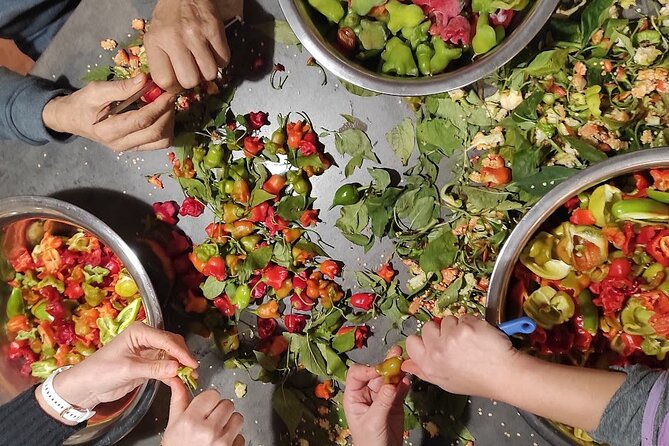
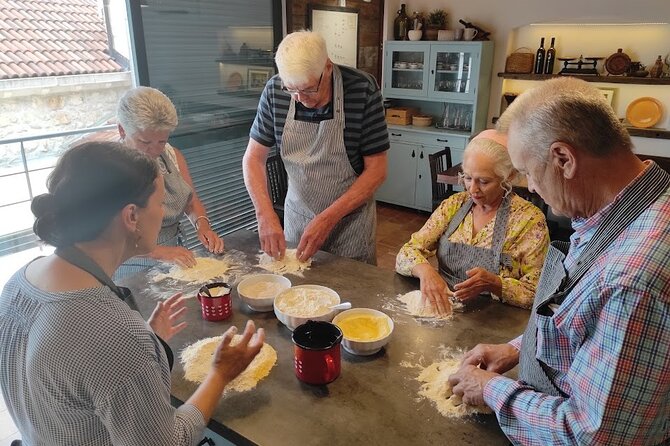
The first cooking task is homemade bread. Each person kneads their own dough using a traditional recipe.
This is a smart beginning. Bread needs time before it is ready, so you can leave it to rise while visiting the garden and preparing the rest of the meal. It also gives you an easy, practical introduction to the class. You are working with your hands right away, and nobody needs advanced cooking skills.
Do not expect a polished pastry-school lesson. The charm is in making a basic household staple in the same broad spirit as it has been made for generations. If you enjoy taking home skills from your trips, bread is one of the most useful parts of the day because you can repeat the process in your own kitchen.
The warm bread later accompanies cured meat, homemade cheese, pickled vegetables, spreads, and homemade olive oil. That opening course is simple, but it shows how much of Croatian rural cooking depends on good staples rather than complicated presentation.
More hands-on workshops in Dubrovnik:
- Dubrovnik: Local Wine, Dine and Design Workshop
★ 4.8 · 10 reviews - Local Paint and Wine Workshop: A Unique Creative Experience
★ 5.0 · 6 reviews - Rock Climbing Lesson in Dubrovnik
★ 5.0 · 5 reviews - Pula: SUP Yoga Classes at Morning & Sunset
★ 5.0 · 10 reviews
Walking through the garden and collecting ingredients
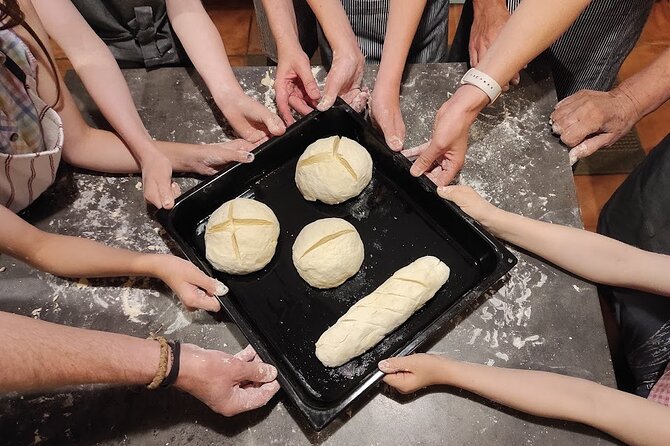
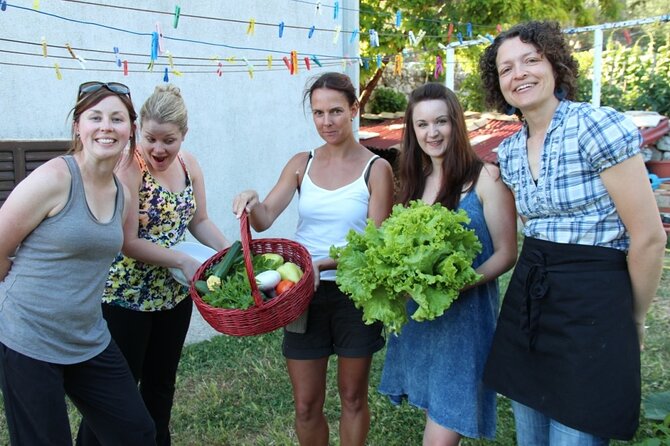
After the bread is started, the host takes you into the garden. You learn about the cultivation method, collect the vegetables needed for the meal, and gather fresh eggs.
This is the heart of the garden-to-table idea. You see the ingredients before they are chopped, seasoned, or folded into a recipe. The gardens include vegetables and fruit trees, and the family also produces its own wine and olive oil.
The activity is not just about identifying produce. It shows you the work behind a rural meal. Seasonal cooking sounds appealing on a menu, but here you see what it means in practice: the available harvest helps decide what reaches the table.
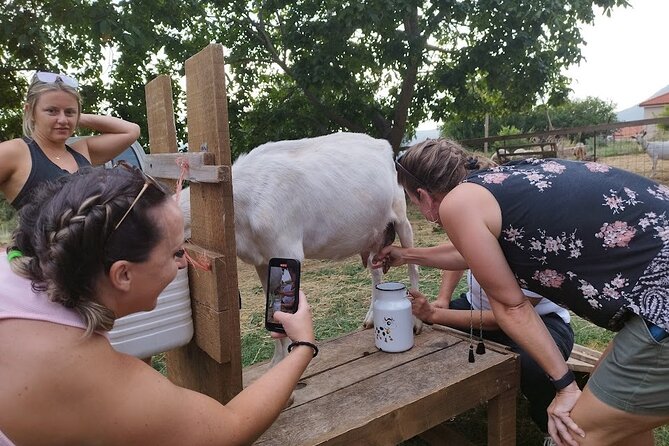
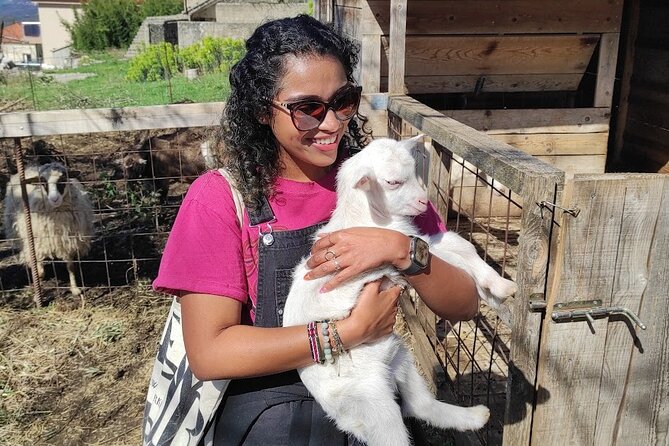
You may also be offered the chance to milk a goat if the dessert includes milk. This is a conditional part of the experience, not something to count on at every visit. It is a memorable touch for children and for anyone who wants a more direct connection to farm life, though it may feel outside the comfort zone of a visitor expecting a conventional cooking class.
Preparing a Croatian lunch from seasonal ingredients
Back in the kitchen, you help prepare the meal. The sample dishes give you a good idea of the cooking style, but the exact selection can change.
A starter may include cured meat and homemade cheese with the bread, pickled vegetables, spreads, and olive oil. This is a good introduction to the region’s pantry. The flavors are built around preservation, dairy, bread, and high-quality oil rather than heavy sauces.
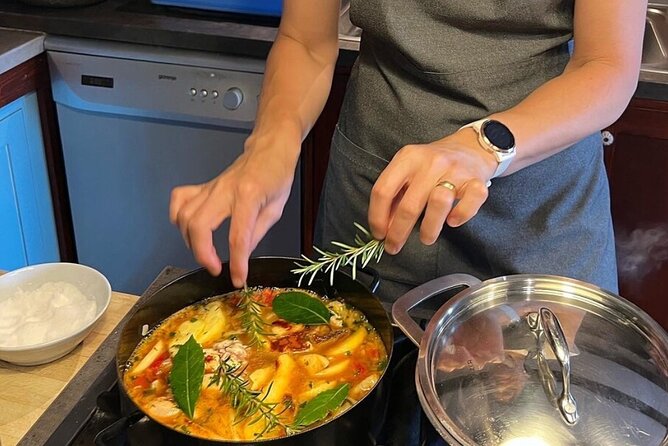
One possible main course is a Lovorno skewer: pork cooked on bay leaf branches and served with country-style potatoes, boiled vegetables seasoned with homemade olive oil, and a seasonal salad. The bay branches are a distinctive local touch, adding aroma while also tying the dish to the surrounding property.
Another possible main is farm-grown chicken stew. The chicken is cooked with fresh vegetables and fruit, wine, and homemade pasta. This is the kind of dish that makes sense for a family kitchen: filling, flexible, and suited to whatever is ready in the garden.
You may also prepare soup, vegetable dishes, pasta, or dessert, depending on the day’s program. The class is practical rather than rigid. You should expect to chop, shape, stir, and assemble, but not necessarily to make every dish listed in the sample menu.
Dessert may be Grandma’s cake. If dairy is involved, the goat-milking activity may be added before the meal is finished. The wording matters here: menus are seasonal, so the class works best if you welcome a little uncertainty.
Family stories while the food cooks
While the dishes are on the stove, Ivo presents the family tree and stories connected with the homestead. The family traces its roots on the property back to the 1500s, making this more than a short cooking demonstration.
This part gives the experience its strongest cultural value. You hear about Croatian heritage through one family’s daily life, not through a broad lecture designed for a busload of people. The stories also fill the natural pause while bread, stew, or vegetables finish cooking.
The timing is well judged. You are busy during the preparation, then have space to listen as the meal comes together. The five-hour schedule may sound long if you are comparing it with a two-hour kitchen lesson, but the visit includes transportation, the welcome, garden tour, cooking, storytelling, and a full meal.
If you prefer a fast, technique-heavy lesson, this may feel slow. If you want a social afternoon with food at its center, the unhurried rhythm is a benefit.
The meal: simple ingredients, generous portions
At the end, you sit down to taste what you helped prepare. Homemade red or white wine accompanies the meal.
The food is designed to be eaten, not photographed and hurried away. The combination of bread, cured meat, cheese, vegetables, meat, pasta, cake, and wine creates a substantial meal. Past participants have also enjoyed homemade juice, olive oil, fruit, and snacks of cheese and cured meats during broader visits to the property.
The strongest part of the meal is its connection to the work you have just done. You have seen the garden, handled the dough, and helped prepare the food. Even a familiar dish tastes different when you know its source and have played a small part in making it.
Wine is homemade, and both red and white are offered. If you do not drink, the experience still includes plenty of food and the social side of the meal, but the listing specifically highlights wine as part of the final tasting.
What $208 buys you
At $208 per person, this is not a budget activity. You are paying considerably more than you would for a short market tour or a basic cooking class in Dubrovnik.
The value comes from the complete package: potential hotel pickup, a small group, time at a family homestead, garden access, hands-on bread making, ingredient gathering, a full seasonal meal, wine, and the family’s personal stories. You are also paying for an experience that combines food, rural culture, and hospitality rather than delivering a single recipe.
I think the price makes more sense for a special occasion, a family outing, or a couple wanting one memorable day outside the city. It is harder to justify if your main goal is learning advanced culinary technique or keeping your Dubrovnik budget low.
The five-hour duration helps balance the cost. This is a half-day outing, not a quick add-on. You should reserve space well ahead if possible, since the activity is booked an average of 132 days in advance. That lead time is especially important during busy periods, when a group capped at eight can fill quickly.
Who will enjoy this most
I would recommend this class to you if you enjoy food with a story, small family businesses, and time away from busy sightseeing areas. It suits couples, families, and small groups who like to participate rather than simply watch.
Children may enjoy kneading bread, gathering eggs, seeing the animals, and possibly milking a goat. Ask ahead about a child’s chair if needed.
The class is also useful for people with dietary needs. Vegetarian and vegan meals are available, gluten-free meals can be arranged, and the provider says flexible dietary restrictions can be accommodated. Contact the host before arrival rather than waiting until the cooking begins.
Service animals are allowed. The published information does not give detailed accessibility notes for the property, vehicles, garden paths, or kitchen, so ask specific questions if mobility access is important to you.
You may want to skip it if you dislike shared meals, farm settings, flexible menus, or activities that take a relaxed five hours. This is not a formal chef certification course, and the day’s dishes depend on the season.
Should you book this Dubrovnik cooking class?
I would book it if you want your Dubrovnik trip to include more than the old city. The strongest reasons are the family-run setting, the small group, the garden work, and the chance to hear stories connected with a home that has been in the family since the 1500s.
Before paying $208, make sure you value the whole afternoon, not just the cooking lesson. Confirm pickup, tell the host about dietary needs, and understand that the menu changes with the harvest. If those details suit you, Kameni Dvori offers a personal and satisfying way to experience Konavle, Croatian food, and rural family life in one visit.
Free cancellation is available up to 24 hours before the start time for a full refund. Changes or cancellations made inside that 24-hour window are not accepted or refunded.
FAQ
Where does the cooking class take place?
The class takes place at Kameni Dvori, Holiday Village Konavle, Lovorno 11, 20215 Gruda, Croatia. The activity ends back at the same meeting point.
Is pickup available from Dubrovnik?
Yes. Pickup is offered, and the vehicles display a Cooking class sign. Vehicles are available for groups of eight, seven, and three occupants.
How long does the experience last?
The activity lasts approximately five hours.
What language is the class offered in?
The class is offered in English.
How many people can join the group?
The maximum group size is eight people.
Will the menu be the same on every visit?
No. The dishes depend on the season and on the ingredients available in the garden and from local family farms.
Are vegetarian, vegan, or gluten-free meals available?
Yes. Vegetarian and vegan meals are available, gluten-free meals can be provided, and flexible dietary restrictions can be accommodated.
Is goat milking included every time?
Goat milking may be offered if the dessert includes milk. It is therefore a possible part of the class, not a guaranteed activity on every date.
Just added around Dubrovnik
- Full- Day Private Speedboat Tour in Dubrovnik on Elaphiti Islands★ 5.0 · 21 reviews
- Wine Lover’s Tour of Peljesac Peninsula★ 5.0 · 150 reviews
- Wine tour peninsula Pelješac★ 5.0 · 3 reviews
- Elaphiti Islands Private Dubrovnik Boat Unique Experience★ 5.0 · 10 reviews
- Dubrovnik at War 1991-1992 Private Walking Tour★ 5.0 · 4 reviews
- PRIVATE Wine Tour to Konavle country side★ 5.0 · 11 reviews
- Walls of Liberty: A Self-Guided Audio Tour of Dubrovnik★ 3.5 · 3 reviews
- Parasailing in Cavtat★ 5.0 · 62 reviews
Dubrovnik Tours, compared.
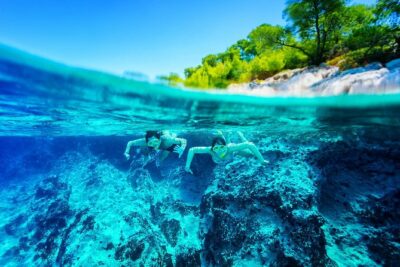
Blue Cave Small-Group Boat Tour from Dubrovnik
Read our review →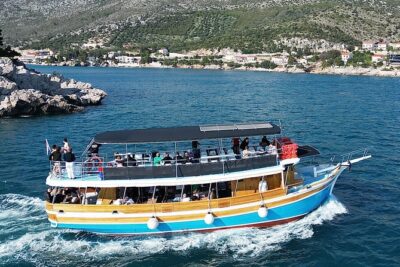
Full-Day Dubrovnik Elaphite Islands Cruise with Lunch and Drinks
Read our review →
Epic Game of Thrones Tour + Lokrum & Saver Option
Read our review →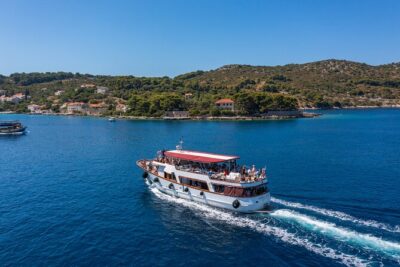
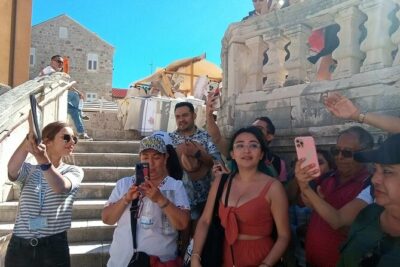
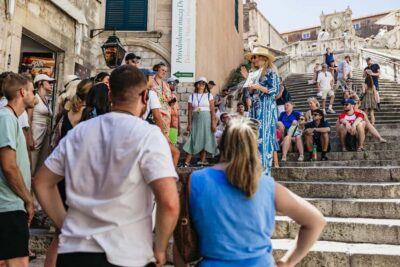
The Original Game of Thrones Tour & Lokrum Option
Read our review →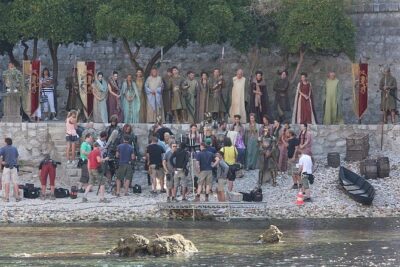
Dubrovnik Game of Thrones Tour & Optional Lokrum Island Visit
Read our review →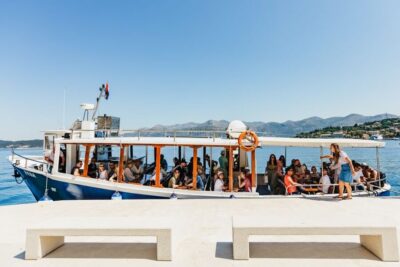
Elaphite Island Cruise w/ Drinks & Optional Lunch
Read our review →Browse the lists this tour appears in