
Reviewed · DUBROVNIK TOURS
Dubrovnik: Red History Museum Regular Ticket
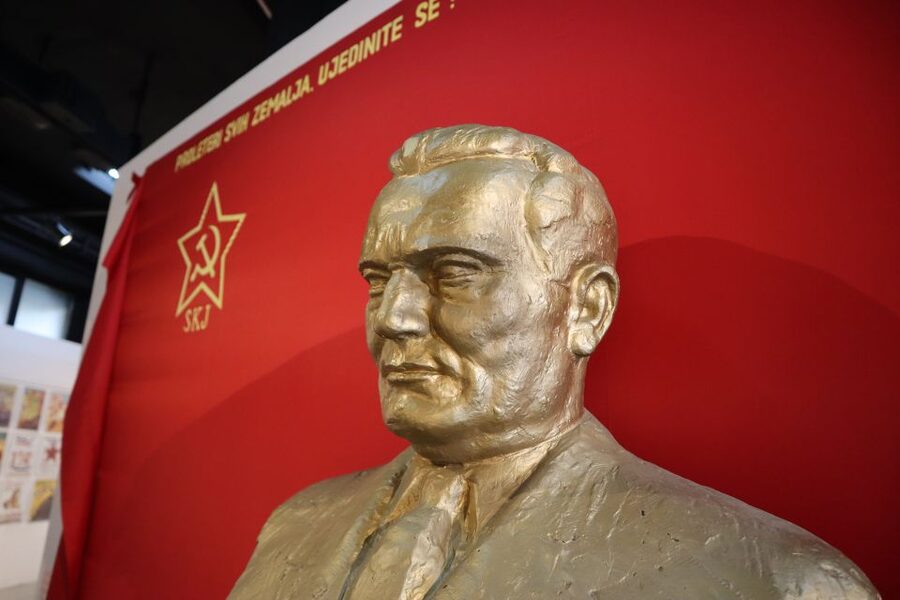
Dubrovnik’s Red History Museum gives you something the city’s medieval walls cannot: a clear look at the recent past that shaped modern Croatia. Set inside the old T.U.P. factory, built in 1953, it uses rooms, objects, music, images, and hands-on displays to show daily life under Yugoslav communism.
I like the way the museum links politics with ordinary life, from secret agencies and the Non-Aligned movement to furniture, sweets, and popular music. I also like the chance to sit in a Yugo 45 and try communist-era versions of familiar drinks. The main consideration is size: this is a small museum, so you should expect a focused visit rather than a full-day attraction.
Key points to know before you go
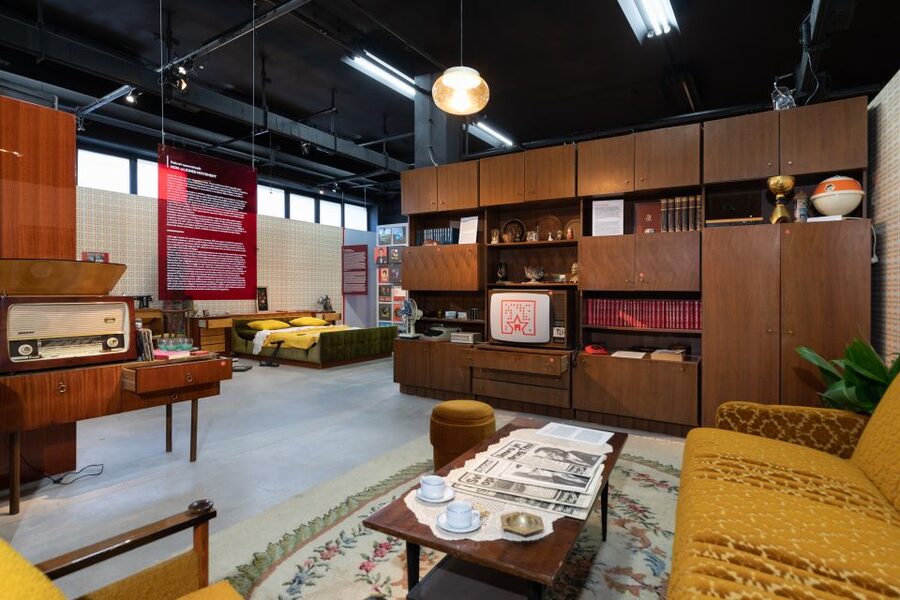
- A former 1953 factory becomes the setting: The museum occupies the last factory complex in Dubrovnik, in the port area.
- Daily life gets equal billing with politics: Recreated home interiors, old furniture, music, design, and consumer goods make the period easier to picture.
- The Yugo 45 is part exhibit, part photo stop: You can sit in the famous car often mocked as the worst car ever.
- Interactive displays keep the subject moving: Scanned images, technology, and audio elements break up the reading.
- Goli Otok adds a darker note: Material about the notorious political prison appears behind curtains, alongside photographs.
- The $11 ticket is best for a compact history stop: It offers more than a simple display of objects, though the museum itself is not large.
Why Dubrovnik’s communist past belongs in your trip
Dubrovnik is often presented through its Venetian-era streets, stone walls, and Adriatic setting. That older story matters, but it leaves out the decades that shaped the lives of many Croatians still living today.
The Red History Museum corrects that gap. It looks at Yugoslavia, the state that existed before present-day Croatia, and shows how politics reached into homes, schools, work, design, entertainment, and shopping. You are not simply looking at old objects. You are being asked to connect those objects with the system around them.
That makes this a useful stop even if you know little about Yugoslavia. You can follow the basic story through visual displays and recreated spaces, then spend more time on the topics that catch your attention. If you already know the period, the museum offers a chance to refresh your memory and compare public slogans with private daily life.
I find that approach more useful than a museum that presents communism only through dates and political leaders. A packet of candy or a living-room chair can tell you something about a period in a way that a timeline alone cannot.
More museums and galleries in Dubrovnik:
- Skip the Line: Love Stories Museum Admission Ticket
★ 5.0 · 87 reviews - Visit Shell Museum Cavtat
★ 5.0 · 43 reviews - Museum of Selfies & Illusions Dubrovnik Ticket
★ 4.0 · 23 reviews
Entering the T.U.P. factory in Dubrovnik’s port area
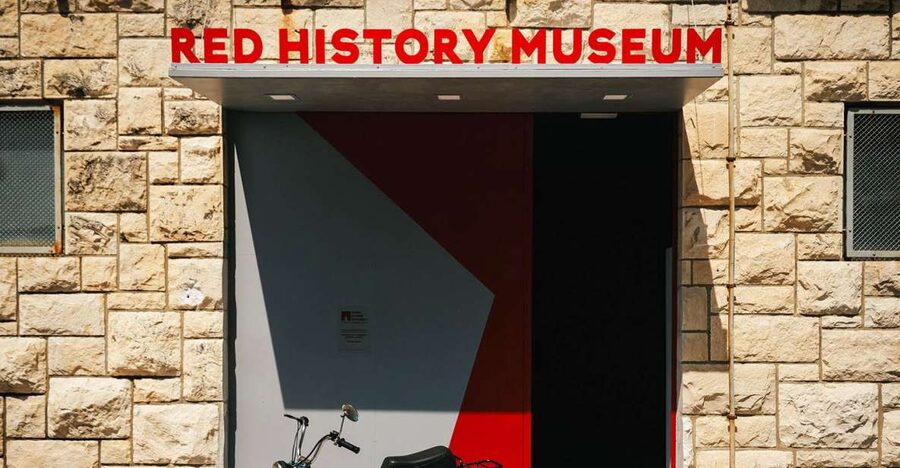
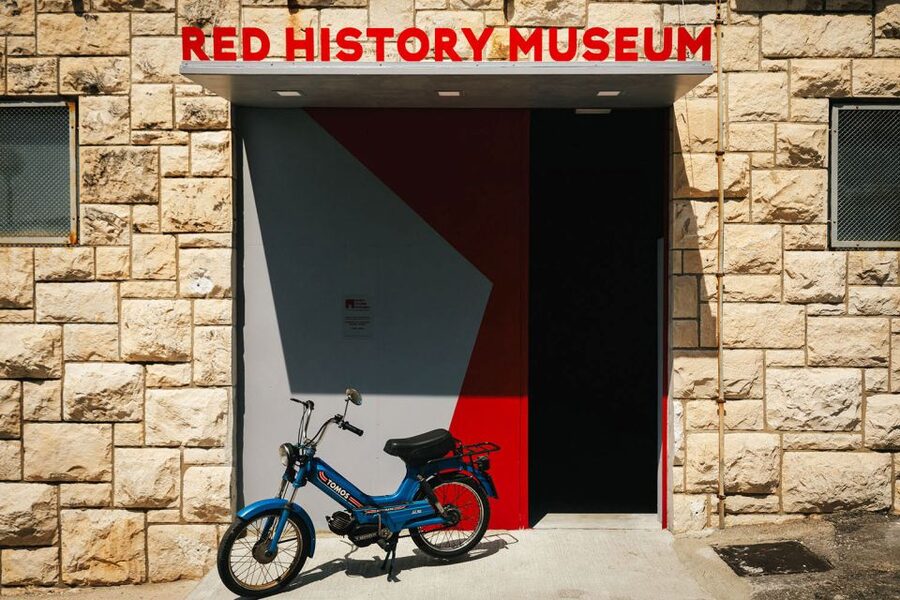
The setting does much of the work before you reach the first display. The museum is inside T.U.P., described as the last factory complex in Dubrovnik, built in 1953. That gives the visit a direct connection to the period it explains.
A former industrial site feels more honest here than a polished modern gallery would. You can picture the building as part of a working socialist economy, not just as a neutral container for exhibits. The location in the port area also puts you outside the thickest concentration of Dubrovnik’s old-town sights.
That matters when planning your day. You can pair this museum with other port-area stops, or use it as a change of pace after the old city’s stone lanes and grand architecture. The information provided does not give a visit length, so allow enough time to read, listen, look at the objects, and try the interactive parts without rushing.
The museum is small, which is both its strength and its limit. You can cover a compact space without feeling worn out, but you should not expect the scale of a national museum or a large historical complex.
Recreated rooms make the 1970s and 1980s easier to picture
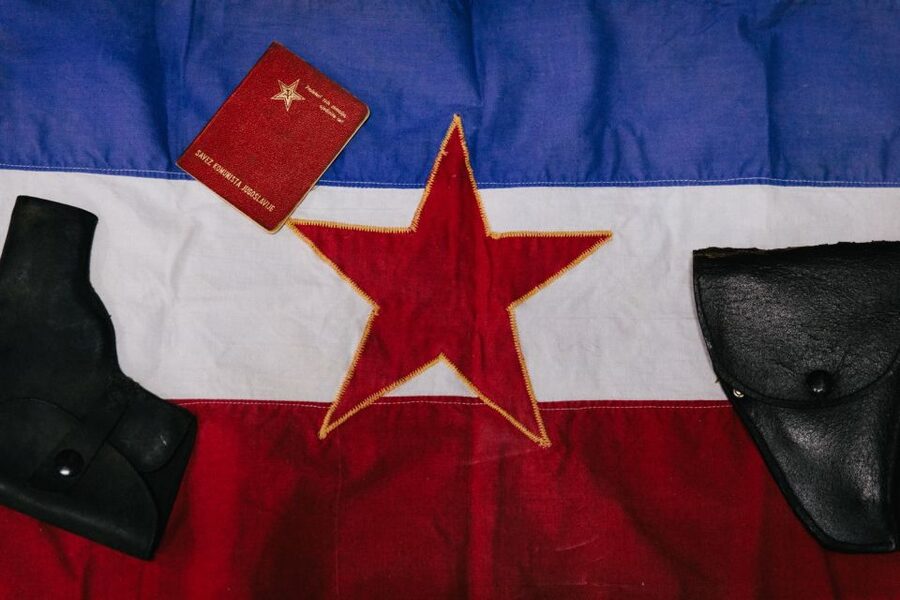
One of the most effective parts of the museum is its reconstruction of a home. Old furniture and household details give you a sense of how people lived in Yugoslavia during the 1970s and 1980s.
This is where the history becomes personal. You can think about what a family saw when it came home, what kind of objects filled the room, and how design and consumer goods reflected the state and its culture. The museum does not leave the era as an abstract political label.
I especially like this section for visitors who do not normally enjoy political history. A room gives you something concrete to study. You can notice the furniture, colors, layout, and everyday objects, then connect them with the wider system described elsewhere in the museum.
The house reconstruction also helps balance the darker parts of the story. Life under socialism was not one simple experience. The museum presents both ordinary routines and the pressure of living under the Communist Party. That balance is important, since a display about recent history can easily become either a nostalgic celebration or a one-sided condemnation.
Politics, secret agencies, and the Non-Aligned world
After the home setting, the museum widens the view. You learn about politics, secret agencies, art, design, and the way Yugoslavia operated within the Non-Aligned movement.
You do not need to arrive with a detailed understanding of Cold War politics. The museum is designed to give you a working picture of the period, using both older objects and newer technology. You can start with broad ideas, then pause at details that interest you.
The section on secret agencies adds tension to the story of daily life. It reminds you that the comfortable-looking home was part of a society watched and shaped by political power. The references to the Non-Aligned movement also show that Yugoslavia did not fit neatly into the usual Western or Soviet categories.
That is valuable context for understanding today’s Croatia. Modern national identity did not appear from nowhere. It grew out of several earlier periods, including Yugoslav socialism, and the museum gives you a way to see that connection.
If politics is your main interest, plan to read carefully here. If pop culture and design are more your speed, you can use the visual displays and household sections as an easier entry point before returning to the political material.
More history-led days in Dubrovnik:
- Dubrovnik Old Town History Walking Tour
★ 5.0 · 1,684 reviews - Game of Thrones & History of Dubrovnik Tour
★ 5.0 · 628 reviews - Dubrovnik: Old Town History Walking Tour
★ 4.9 · 474 reviews - Early Bird Dubrovnik History Tour – 7:30 Start
★ 5.0 · 198 reviews
Music and pop culture keep the history from feeling heavy
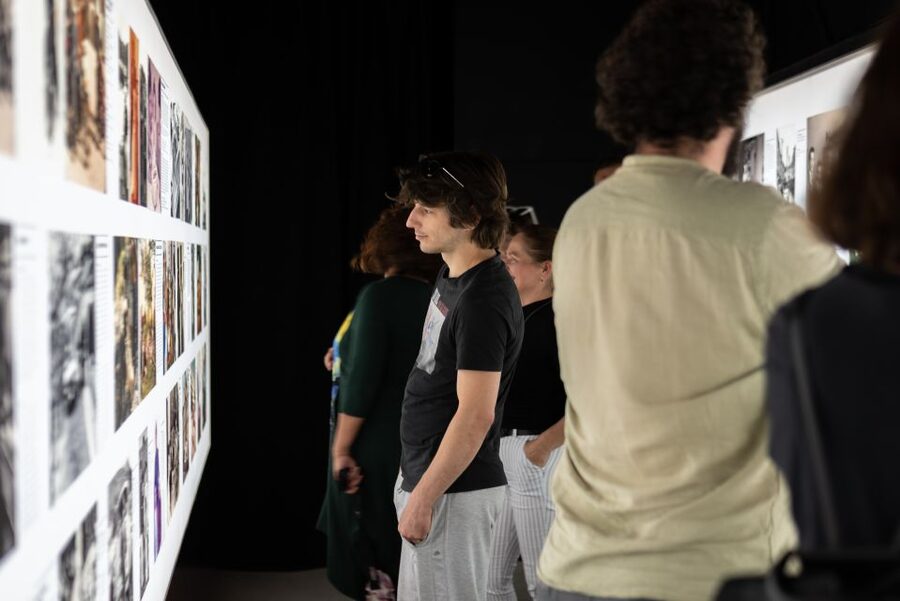
The museum uses music from the period to change the pace. Listening to popular hits while looking at period objects helps you understand that people were not living inside a textbook. They worked, relaxed, listened to music, bought treats, and formed memories.
This is one of the reasons the visit does not feel like a long information flow. Audio, images, and interactive sections give you regular breaks from reading. The museum has enough hands-on material to keep the subject active without turning history into a simple game.
Pop culture also makes the period more familiar. You might recognize the style of a product or the shape of a household object even if you do not know its original setting. That recognition helps you make a personal connection with the material.
You should still expect some reading. The museum deals with politics and recent history, so it cannot explain everything through objects alone. The interactive elements help, but they do not replace the written and visual context.
The Yugo 45 and the museum’s playful side
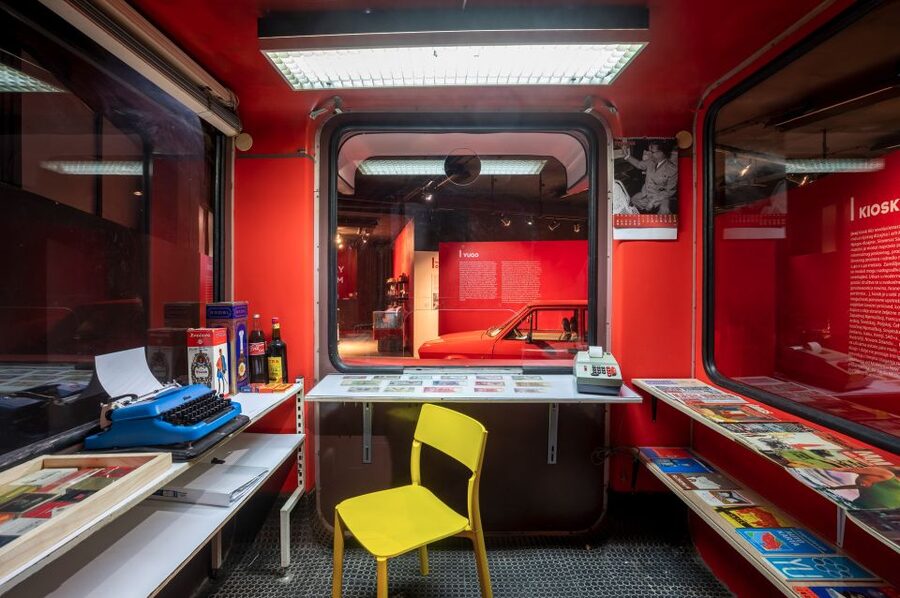
The Yugo 45 is one of the most memorable stops. You can sit inside the small car and take a photograph, with the museum presenting it as the worst car ever. The joke is part of the appeal, but the car also says something about ordinary transport and consumer life in Yugoslavia.
This is a good example of the museum’s tone. It can address a serious political era without treating every object as solemn. A car, a candy wrapper, or a bottle can carry emotional memories, humor, and criticism at the same time.
The Yugo makes a particularly good pause for families and younger visitors. Even if you are not interested in the political displays, the car gives you a physical object to explore. It also creates a natural photo moment without taking over the whole visit.
Do not mistake the playful features for a lack of seriousness. They are used to make the period easier to approach. The museum still asks you to think about the political system and its effects, including the less comfortable parts of Yugoslav history.
Communist versions of Coca-Cola and Fanta
Near the end, you can try popular drinks and candies from the era, including communist versions of Coca-Cola or Fanta. The idea is presented as a kind of parallel universe, where familiar brands have socialist-era counterparts.
This is a small detail, but it is a smart one. Food and drink are direct links to memory. A taste can bring up childhood, family shopping, shortages, advertising, or the simple pleasure of finding a favorite treat.
It also gives you a sense of how consumer culture worked under Yugoslav communism. The subject was not isolated from the rest of the world, but products and brand experiences could take on a different form. That is a more subtle picture than the idea that everyday life was either completely modern or completely deprived.
The available information does not specify every product or whether tasting is included in a formal package beyond the regular entry experience. You can expect the museum to offer the period-style drinks and sweets as a final feature, but the ticket description lists only entry as included.
Goli Otok and the harder part of the story
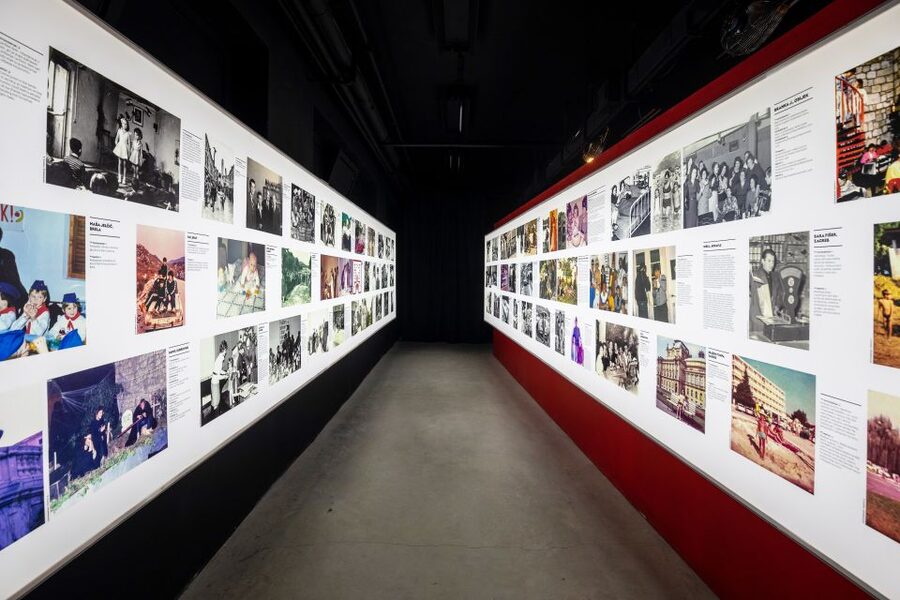
The museum does not limit itself to cheerful nostalgia. Material about Goli Otok appears behind curtains, followed by a collection of photographs. This section introduces a darker side of Yugoslav political history.
The curtain creates a clear shift in mood. It signals that the subject needs attention and respect, rather than being treated like another novelty display. If you are interested in political repression, this is likely to be one of the most important parts of the museum.
At the same time, you should know that the museum uses different kinds of presentation. Some sections are playful and hands-on, while this material carries more weight. That contrast helps you see that life in Yugoslavia contained both routine pleasures and serious political control.
The photographs after the curtain add a more direct human record. You might want to slow down here instead of treating it as a quick passage to the final refreshments.
How the interactive technology works
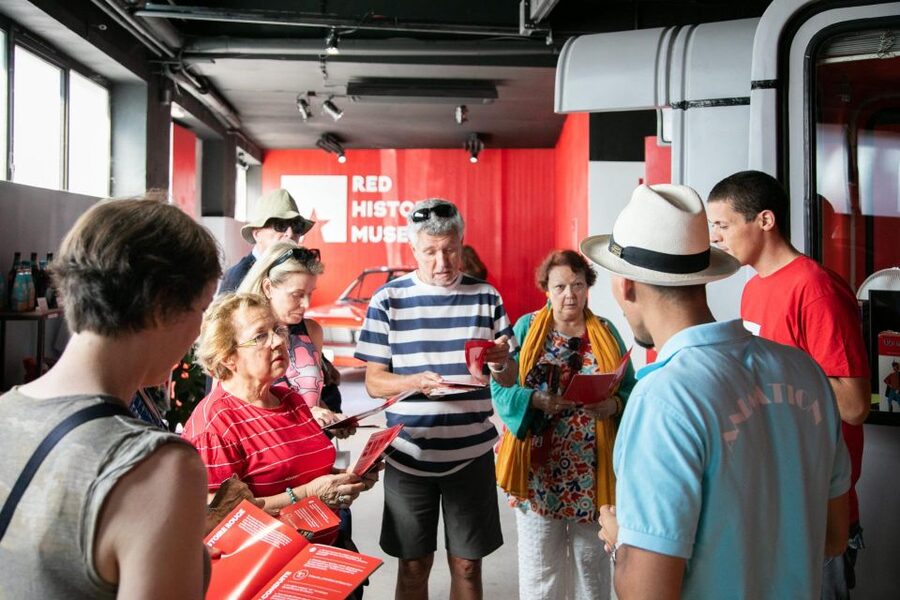
The museum mixes older objects with newer technology. You can expect audio, scanned images, and interactive displays rather than a room made up only of glass cases.
This variety is useful because it gives you different ways to take in the information. You can listen to music, study photographs, handle the visual story through technology, and examine furniture or consumer products. The result is more active than a standard display of labeled artifacts.
A practical note: some of the scanned-image features may not be instantly clear. You may need to follow the instructions closely, and a particular scan might not work as expected. That is a minor weakness, but it can interrupt the flow if you are relying on every digital element to function perfectly.
The museum’s strongest tools are not necessarily the newest ones. The recreated home, Yugo 45, photographs, and old objects carry much of the visit. Treat the technology as an extra layer, not the sole reason to come.
Is $11 a fair price?
At $11 per person, the ticket is reasonably priced for a focused museum visit in Dubrovnik. The value comes from the quality of the idea and the range of material packed into a small space, not from the number of rooms or hours you will spend inside.
You are paying for a specialized look at a subject that many Dubrovnik itineraries overlook. The experience combines political history, home life, design, music, cars, food, and visual material. That makes it more varied than a basic history exhibit.
The value is strongest if you want context for modern Croatia or have a personal connection to Yugoslavia. It is also a good choice on a hot or rainy day when you want an indoor stop with more substance than a quick photo attraction.
If you measure value by size alone, the museum may feel modest. It is not a large attraction, and the regular ticket includes entry rather than a listed guided tour or transport. I would book it for the subject and presentation, not because you expect a full-day activity.
You can reserve now and pay later, which helps if your Dubrovnik schedule is still shifting. Cancellation is available up to 24 hours before the visit for a full refund, giving you some flexibility.
Who will enjoy the Red History Museum most?
I would choose this museum if you enjoy recent history, political change, social life, design, or objects that reveal how people lived. It suits adults who want more context, but the Yugo, music, sweets, and interactive displays give families and younger visitors clear points of interest too.
It is also a strong choice if you have already seen Dubrovnik’s old town and want a different side of the city. The museum moves you away from the usual medieval focus and into the twentieth century.
You may enjoy it less if you want only ancient history, grand architecture, or a large collection. The subject can also feel heavy in parts, especially around political control and Goli Otok. The museum softens that weight with humor and pop culture, but it does not avoid the difficult material.
If you can speak with Viktor or another staff member during your visit, take the chance to ask questions. Viktor is described as informative, and a conversation can help connect the objects to the wider story.
Should you book the Red History Museum?
Book it if you want to understand more than Dubrovnik’s postcard image. The recreated home, the Yugo 45, the music, and the unusual period products make the history easy to approach, while the political displays and Goli Otok material give the visit real depth.
Skip it only if your schedule is extremely tight or you want a large museum with many hours of content. At $11, the risk is low, especially if recent Croatian history interests you. I would give it a place in a free part of your Dubrovnik day, particularly when you want an honest look at the recent past behind today’s Croatia.
FAQ
What is the Red History Museum?
It is an interactive museum in Dubrovnik about Croatia’s communist history and life under the Yugoslav regime. It covers politics, art, design, secret agencies, music, consumer products, and daily life.
Where is the Red History Museum located?
The museum is in the T.U.P. factory complex in Dubrovnik’s port area. The factory was built in 1953 and is described as the last factory complex in Dubrovnik.
How much does regular entry cost?
The regular entry ticket costs $11 per person.
What is included in the ticket?
The ticket includes regular entry to the Red History Museum. No transport or additional service is listed as included.
Can I see a Yugo 45 at the museum?
Yes. You can take a photograph inside a Yugo 45, presented as the famous worst car ever.
Does the museum include communist-era food and drinks?
At the end of the visit, you can treat yourself to popular drinks and candies from the period, including communist versions of Coca-Cola or Fanta.
Does the museum cover Goli Otok?
Yes. Information about Goli Otok is presented behind curtains, followed by a collection of photographs.
Can I reserve now and pay later?
Yes. You can reserve your spot and pay nothing at the time of booking.
What is the cancellation policy?
You can cancel up to 24 hours in advance for a full refund.
Just added around Dubrovnik
- Full- Day Private Speedboat Tour in Dubrovnik on Elaphiti Islands★ 5.0 · 21 reviews
- Wine Lover’s Tour of Peljesac Peninsula★ 5.0 · 150 reviews
- Wine tour peninsula Pelješac★ 5.0 · 3 reviews
- Elaphiti Islands Private Dubrovnik Boat Unique Experience★ 5.0 · 10 reviews
- Dubrovnik at War 1991-1992 Private Walking Tour★ 5.0 · 4 reviews
- PRIVATE Wine Tour to Konavle country side★ 5.0 · 11 reviews
- Welcome to Dubrovnik Walking Tour★ 5.0 · 36 reviews
- Walls of Liberty: A Self-Guided Audio Tour of Dubrovnik★ 3.5 · 3 reviews
Dubrovnik Tours, compared.

Blue Cave Small-Group Boat Tour from Dubrovnik
Read our review →
Full-Day Dubrovnik Elaphite Islands Cruise with Lunch and Drinks
Read our review →
Epic Game of Thrones Tour + Lokrum & Saver Option
Read our review →
The Original Game of Thrones Tour & Lokrum Option
Read our review →
Dubrovnik Game of Thrones Tour & Optional Lokrum Island Visit
Read our review →
Elaphite Island Cruise w/ Drinks & Optional Lunch
Read our review →Browse the lists this tour appears in