

Reviewed · OMIS TOURS
Private Split Walking tour with LOCAL guide
Split’s old center is not a museum behind ropes. It is a living Roman palace, with homes, cafés, shops, and daily life tucked between ancient walls. This private tour takes you from Peristyle Square through Diocletian’s Palace, then out to the Riva waterfront and possibly Marjan Hill.
I like the one-group format, which lets you set the pace and ask the questions that matter to you. I also like the local guide option, especially after Daniela received praise for making a Croatian experience feel personal and memorable. The main consideration is the advertised 12-hour duration: that is a very long time for a walking tour, so confirm how much time is guided sightseeing and how much is flexible free time.
- Walk inside a living Roman palace: See the Peristyle, Temple of Jupiter, Vestibule, Golden Gate, and the former mausoleum of Diocletian.
- Choose your meeting point: Pickup is included, and you can select where to meet your guide.
- Keep the day private: The tour is for your group, with a maximum of 10 people.
- Hear local stories: English, French, and German guides can explain Split beyond the basic dates and names.
- Add Marjan Hill views: Finish with a look over Split and the Adriatic, or use the extra time for cafés and shops.
- Build in flexibility: Your guide can suggest lunch and help shape the final part of the day around your interests.
A Roman Palace That Became Split’s City Center
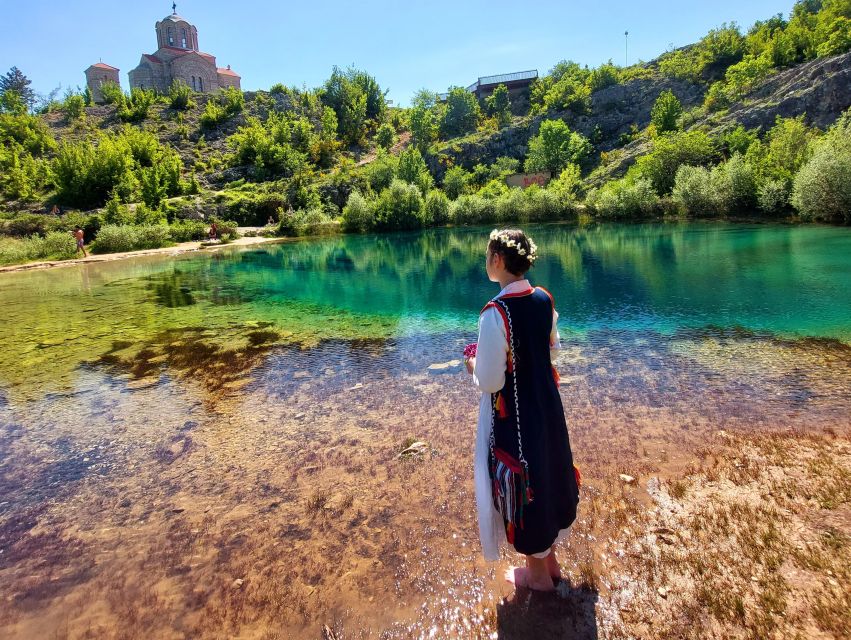
The best reason to book this tour is simple: Diocletian’s Palace is not just an archaeological site. It forms the core of modern Split. You walk through entrances that once served an emperor, then pass places where people now live, eat, shop, and meet friends.
Your guide begins at Peristyle Square, the palace’s central courtyard. This is the natural starting point because it gives you the basic shape of the complex: grand columns, stone passageways, and the former imperial quarters spreading around you.
I like having a guide here because the palace can feel confusing at first. Its streets do not present themselves like a neat museum route. A local guide can connect the Roman structure to Split’s later Christian and civic life, helping you understand why the old palace remains central to the city.
The private format matters most in this opening section. If you want architectural detail, you can ask for more. If your group prefers stories about daily life, religion, or local customs, you can steer the conversation that way. A larger group would give you less control.
Peristyle Square and the Temple of Jupiter

The Peristyle is the grandest open space on the route. Its tall columns and stone paving make the Roman purpose clear, but the square also shows how Split has changed over time. The setting is formal and ceremonial, while the surrounding city feels practical and lived-in.
The Temple of Jupiter adds another layer. It began as a pagan Roman temple and now houses St. John’s Baptistry. That change tells you much about Split: buildings were reused, religious traditions shifted, and the palace kept serving new purposes instead of being abandoned.
The temple is a useful stop for understanding how Roman and Christian features overlap in the old center. Your guide can explain the difference between the original Roman function and the later Christian use, rather than leaving you with a list of dates.
The supplied route refers to the Temple of Jupiter more than once, so treat it as one of the tour’s main points rather than separate visits. You should also ask your guide about the exact time spent inside each site, since the experience is described as a flexible private day.
More walking tours in Omis:
- Dubrovnik: Old Town Walking Tour
★ 4.8 · 5,174 reviews - Split: Old Town and Diocletian Palace Walking Tour
★ 4.9 · 4,727 reviews - Dubrovnik Discovery Old Town Walking Tour
★ 5.0 · 4,458 reviews
The Vestibule and Diocletian’s Private World
The Vestibule is a circular entrance hall leading toward the emperor’s private quarters. Its shape and preserved stonework give you a sense of the palace’s more formal side, where movement toward the imperial rooms was controlled and impressive.
This is one of the places where a local guide adds useful context. Without explanation, you may simply see a round stone hall. With the right background, you can picture it as part of a larger route through the emperor’s residence and understand why this entrance was designed to make an impression.
The tour does not promise access to every private or restricted part of the palace. That is worth keeping in mind. You will see key public and historic areas, but the experience is best understood as a guided walk through the palace’s surviving spaces, not a full inspection of every room.
Cathedral of Saint Domnius and the Former Mausoleum

The Cathedral of Saint Domnius began as Diocletian’s mausoleum and later became a Christian cathedral. Few stops explain Split’s changing identity as clearly as this one. A building created for an emperor’s burial became a center of Christian worship.
Your guide can explain the cathedral’s religious importance and its transition from imperial tomb to church. That story gives the building more meaning than its compact exterior alone might suggest.
You may also choose to climb the bell tower for views across Split and the Adriatic coast. The climb is optional, which is helpful because not everyone wants stairs after several hours on foot. If you do go up, the reward is a broad view that helps you see how the old center relates to the waterfront and the wider city.
Ask about the bell tower before setting off, especially if your group includes anyone with mobility concerns. The tour is listed as wheelchair accessible, but that does not necessarily mean every optional tower section is suitable for every guest. The guide can help you decide what works.
Golden Gate, the Palace’s Main Entrance
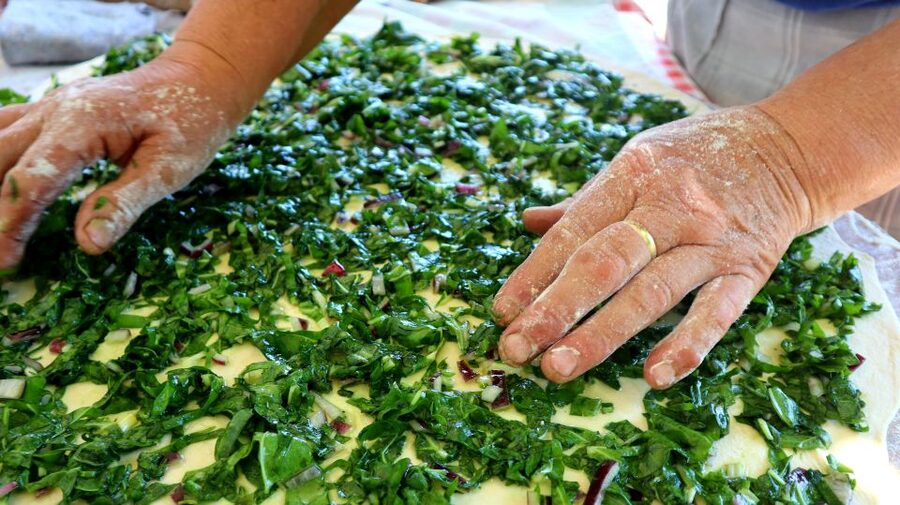
The Golden Gate was the main entrance to Diocletian’s Palace. Its bronze doors and imposing scale make it an easy place to grasp the defensive and ceremonial role of the complex.
This is also a good point for thinking about how people entered the palace in Roman times. The gate was not simply a doorway for sightseeing. It controlled access and announced the importance of the imperial residence inside.
The stop is especially useful when paired with the Peristyle. At the Golden Gate, you see the palace from the outside and understand its formal arrival point. At the Peristyle, you see the central interior space. Together, they provide a clearer sense of the palace’s plan than either stop would on its own.
A few more Omis half-days to weigh up
- Cetina River: Rafting and Cliff Jumping Tour
★ 4.9 · 1,774 reviews - Split/Omiš: Cetina River Rafting with Cliff Jump & Swimming
★ 4.7 · 1,258 reviews - Omiš: 3-Hour Cetina Canyon Zipline Experience
★ 4.9 · 1,050 reviews - Omiš: 2-Hour Cetina River Boat Tour and Nature Park Visit
★ 4.5 · 293 reviews
A Walk Along the Riva Promenade
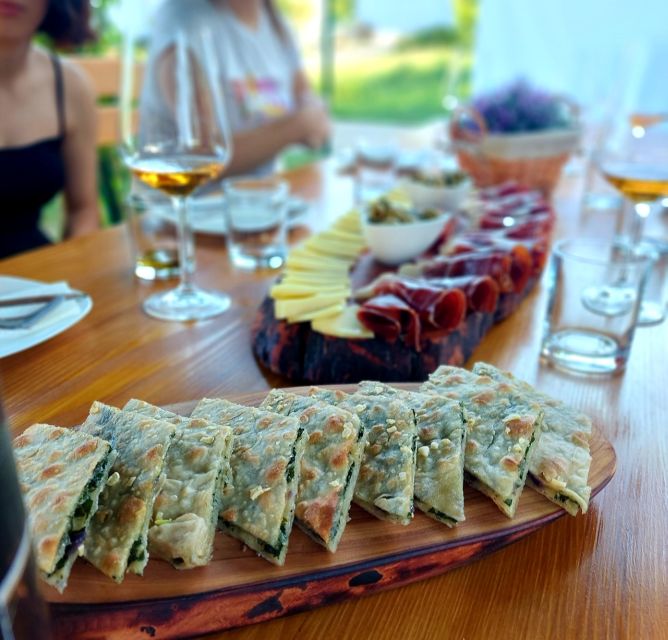
After the Roman core, the route moves to the Riva Promenade. This waterfront is where Split shifts from ancient stone to open sea, cafés, and everyday public life.
I like this change of pace. A tour focused only on Diocletian’s Palace could leave you with a narrow picture of Split. The Riva shows how the historic center connects to the city people use today. You can pause for sea views, watch local life, and give your legs a break from the palace’s hard stone streets.
The Riva is also a natural place to discuss lunch. Your guide can recommend a place to eat, but the information provided does not specify a restaurant or include a meal in the price. Plan on paying separately for food and drinks.
Because the tour lasts up to 12 hours, the Riva may work well as a flexible pause rather than another tightly scheduled stop. Confirm the plan with your guide at the beginning of the day.
Marjan Hill or More Time in the Old Center
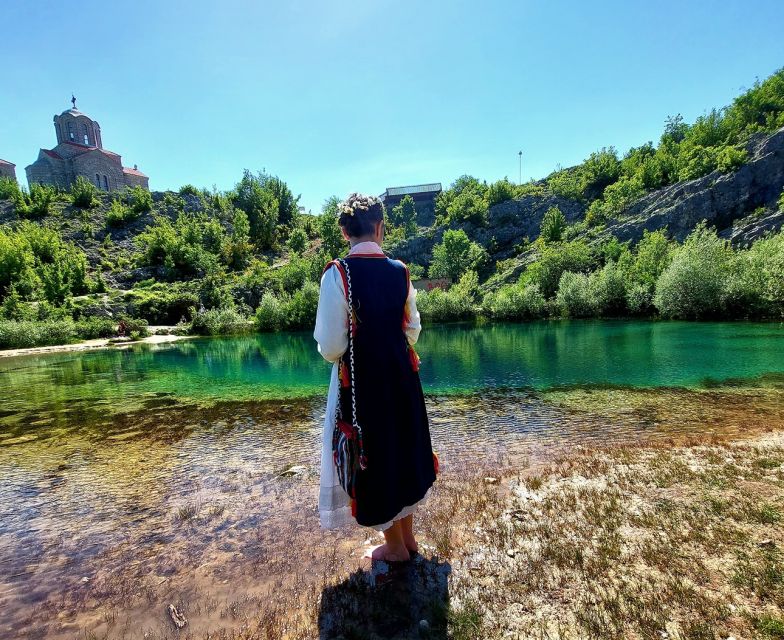
The final part of the experience gives you a choice. You can head to Marjan Hill for panoramic views of Split and the Adriatic Sea, or stay near the old center and explore local shops and cafés.
Marjan Hill is the better choice if you want a wider view and a scenic finish. From above, you can connect the palace, waterfront, and surrounding coast in one glance. The route description does not specify the transport method or exact walking time to Marjan Hill, so ask how this part fits into your 12-hour schedule.
The old center is the better choice if your group wants a slower ending. You might use the time for shopping, coffee, or more questions about Split. Since this is a private tour, you do not have to follow the same finish as another group.
This flexibility is one of the experience’s strongest features, but it also means you should communicate clearly. Tell the guide early if Marjan Hill is a priority, or if you would rather keep the final hours close to Diocletian’s Palace.
What the Private Format Is Worth
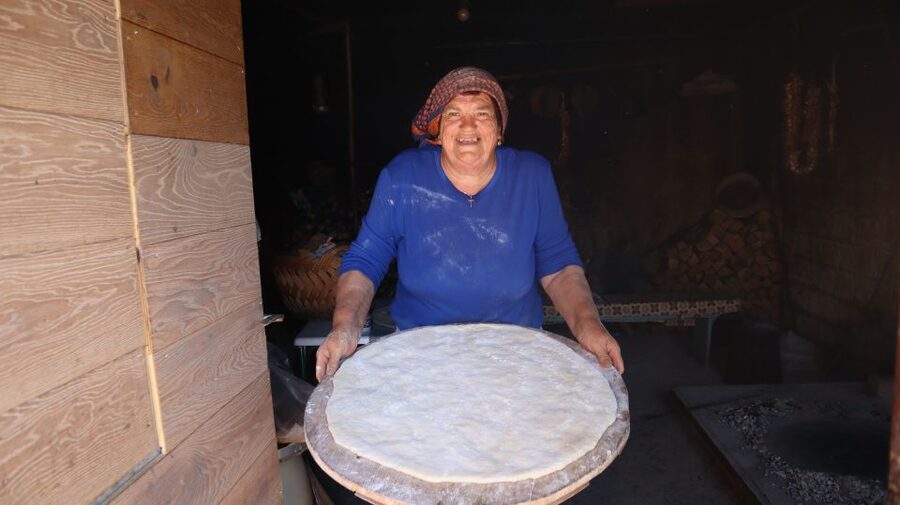
The price is $176 per group of up to 10 people, not $176 per person. For a full group, that works out to $17.60 each before any separate costs such as food, drinks, admissions, or optional activities. For two people, the per-person cost is much higher, so the value depends heavily on your group size.
For a family or group of friends, the private setup can be a fair buy. You receive a dedicated guide, a choice of meeting point, and more control over the pace. You can ask for explanations that match your interests instead of listening to a fixed script designed for strangers.
For a solo visitor or couple, the price requires more thought. The 12-hour duration may make it worthwhile if you want one person to help shape a full day in Split. If you only want a quick introduction to the palace, a shorter tour might be better value, but no shorter option is provided here.
The biggest pricing question is what the 12 hours include. The tour description presents a full day with major sights, flexible time, lunch suggestions, and an optional Marjan Hill finish. Ask whether entry fees are included, since only the tour guide is specifically listed as included.
The Daniela Factor and Personal Service
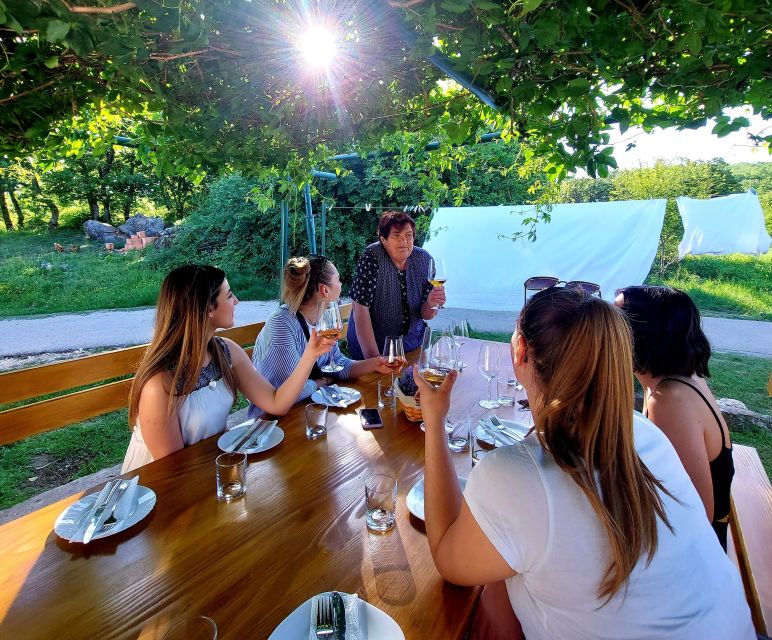
Daniela is the guide name connected with the strongest personal praise in the available feedback. One verified booking described her as making the experience personal, while another review also refers to Daniela in connection with a pleasant Croatian outing.
The details in those comments do not clearly match every Split stop listed for this tour, so I would not treat them as proof that Daniela will lead every booking. Still, they point to the kind of service this private format is designed to provide: a guide who can respond to your group rather than simply recite information.
You can request English, French, or German. If a particular language or guide matters to you, confirm availability when booking. The experience provider is Discovery Tours.
Timing, Meeting Point, and Accessibility

The duration is listed as 12 hours, with starting times based on availability. That length gives you room for the palace, cathedral, Riva, lunch, and either Marjan Hill or additional time in the center. It can also be tiring, especially because much of the core sightseeing is on foot.
You can choose where to meet your guide, and pickup is included. This is handy if you are staying in Split or arriving with a group that wants to avoid searching for a fixed meeting point.
The tour is listed as wheelchair accessible. Still, the old palace includes historic stone surfaces, and the optional bell tower climb will not suit everyone. Discuss the exact route and optional sections with the guide before the day begins.
Free cancellation is available up to 24 hours in advance for a full refund. You can also reserve now and pay later, which helps if your Split plans are still shifting.
Who Should Book This Split Tour?
I would choose this experience for a family, group of friends, or small private party that wants history with room for conversation. It works especially well if you want to combine the palace with the Riva and a scenic viewpoint instead of arranging several separate activities.
It also suits you if a local guide’s stories matter more than a rigid checklist. The private format lets you spend more time at the Temple of Jupiter, ask about the cathedral’s transformation, or finish with cafés instead of Marjan Hill.
I would be more cautious if you want a short, tightly timed introduction. A 12-hour walking day is a serious commitment, and the listing does not spell out every admission or transport detail. Confirm those points before paying, then decide if the full-day format matches your energy and interests.
Final Verdict: A Flexible Full Day in Split
Book this tour if you want Diocletian’s Palace explained as part of a living city, not treated as an isolated ruin. The strongest reasons are the private group, local guide, flexible meeting point, and choice between Marjan Hill and more time around the old center.
The $176 group price is most attractive when shared by several people. Before booking, confirm the guide, language, exact 12-hour schedule, entry arrangements, and plan for Marjan Hill. If those details suit you, this is a practical way to connect Roman Split, its cathedral, waterfront, and local streets in one adaptable day.
FAQ
How much does the private Split walking tour cost?
The price is $176 per private group of up to 10 people. The per-person cost depends on how many people are in your group.
How long does the tour last?
The listed duration is 12 hours. Starting times depend on availability.
Where does the tour begin?
The sightseeing begins at Peristyle Square, but pickup is included and you can choose where to meet your guide.
Is the tour private?
Yes. It is offered as a private group experience.
What languages are available?
Live guides are available in English, French, and German.
Which places are included in the walking route?
The route includes Peristyle Square, Diocletian’s Palace, the Temple of Jupiter, the Vestibule, the Cathedral of Saint Domnius, the Golden Gate, and the Riva Promenade.
Can I visit the Cathedral of Saint Domnius bell tower?
You may choose to climb the bell tower for panoramic views of Split and the Adriatic coast. The climb is optional.
Is Marjan Hill included?
Marjan Hill is an optional way to finish the tour. You can also choose local shops and cafés instead.
Is the tour wheelchair accessible?
Yes, the activity is listed as wheelchair accessible. The optional bell tower climb and specific historic surfaces should be discussed with the guide.
Can I cancel for a refund?
You can cancel up to 24 hours in advance for a full refund. Reserve now and pay later is also available.
Just added around Omis
- Split/Omiš/Makarska: Full or half day boat tour with “Cvita”★ 5.0 · 5 reviews
- Split/Omiš: Cetina River Water Bike Safari★ 4.9 · 91 reviews
- Slunj: Upper Mreznica River Kayaking Adventure★ 4.9 · 62 reviews
- Small Group Canyoning with proffesional guide★ 5.0 · 45 reviews
- Rafting on Cetina river from Split★ 4.7 · 5 reviews
- SPLIT: Guided ATV Tour Gornja Podstrana & Horses★ 4.9 · 30 reviews
- Plitvice Lakes National Park: Day Trip from Omiš★ 4.4 · 41 reviews
- Omiš/Split: 4h Kayaking in Cetina Protected Nature Park Area★ 4.5 · 70 reviews
Omis Tours, compared.


Cetina River Rafting with Cliff Jump & Swimming
Read our review →
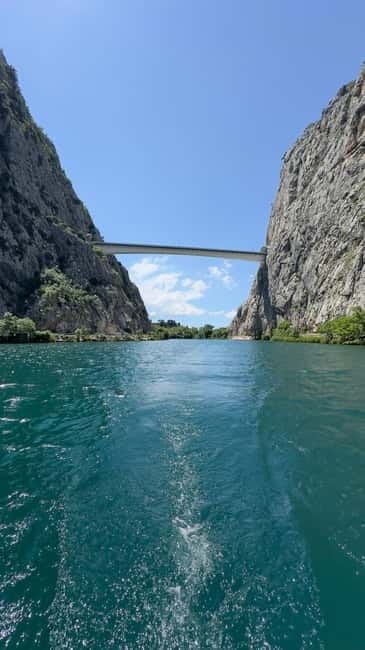
2-Hour Cetina River Boat Tour and Nature Park Visit
Read our review →


Browse the lists this tour appears in