
Reviewed · PULA TOURS
Pula: House of Istrian Olive Oil Museum and Guided Tasting
The clever part of this Pula experience is that it teaches you how to taste olive oil instead of simply asking you to buy a bottle. You’ll see how Romans made and exported it, watch old and modern production methods, then compare five Istrian oils with a typical supermarket oil. I like the hands-on tasting and the useful lesson in spotting quality. I also like that the central location makes this an easy rainy-day stop.
The main consideration is its narrow focus. If olive oil does not interest you, the museum section may feel brief, and the $35 price depends heavily on how much you value the guided tasting and the included dessert pairing.
Key points to know
- Five oils in one tasting: You compare several Istrian extra virgin olive oils and a supermarket-style oil.
- Roman roots: The exhibits explain how ancient Romans produced and exported olive oil.
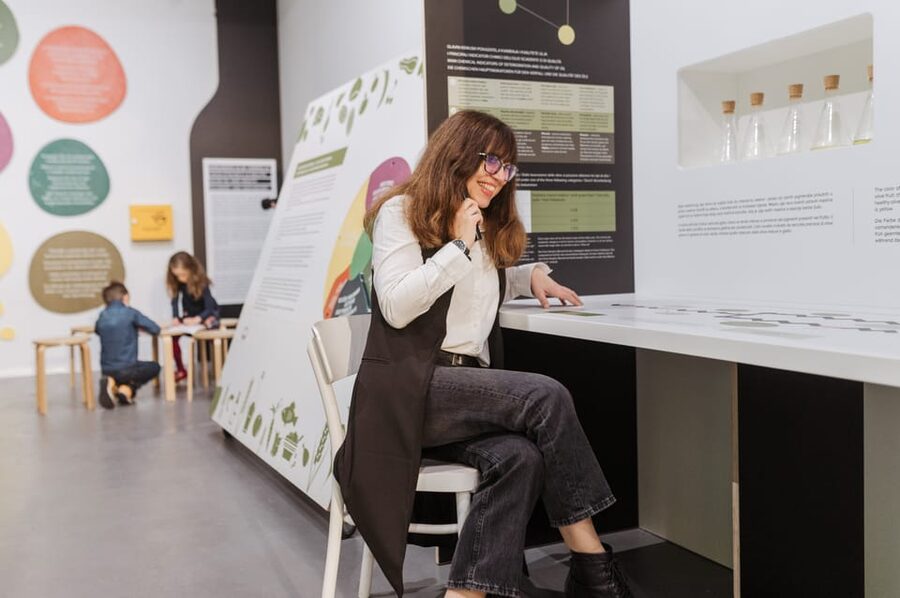
- A lesson you can use: You learn to judge aroma, taste, texture, appearance, and positive or negative qualities.
- Two short films: One covers traditional production, while the other shows modern methods.
- Central Pula location: The museum is in the city center and offers a useful indoor break on wet days.
- More than olive oil: The shop sells oils, brandies, truffles, lavender cosmetics, and souvenirs.
Why this small Pula museum is worth your time
Olive oil is one of those foods most people use without thinking much about it. In Istria, it is tied to farming, trade, local identity, and daily cooking. The House of Istrian Olive Oil gives you a way to understand that connection without spending half a day in the countryside.
I like the practical angle. You are not only shown old tools or told that Istrian oil is important. You are taught how to notice the difference between an excellent extra virgin oil and a bland or flawed product. That matters because the bottle in your kitchen may carry impressive words on the label without tasting especially good.
The experience also works well for a first visit to Pula. You can reach the museum in the center of town, fit it around sightseeing, and come away with a better sense of one of Istria’s key products. It is not a farm visit, and you will not tour a working olive grove. Instead, it is a compact museum and tasting experience built around the food itself.
The high rating makes sense because the staff member is described as friendly, enthusiastic, and able to answer questions. German support is available, and the guided portion is offered in English or German. The audio guide is available in 12 languages, which gives you more flexibility during the museum section.
More food tours in Pula:
- Paladini: Truffle Hunting Tour with 3-Course Tasting Menu
★ 4.9 · 102 reviews - Istria: Guided Tour of Inner Istria with Food Tasting
★ 5.0 · 67 reviews - Olive Oil Guided Tasting and History in Pula
★ 4.5 · 34 reviews
Entering the House of Istrian Olive Oil in central Pula
The first advantage is location. Since the House of Istrian Olive Oil is in central Pula, you do not need a car, a rural transfer, or a separate excursion plan. That makes it easy to pair with a day spent around the Roman monuments and old city streets.
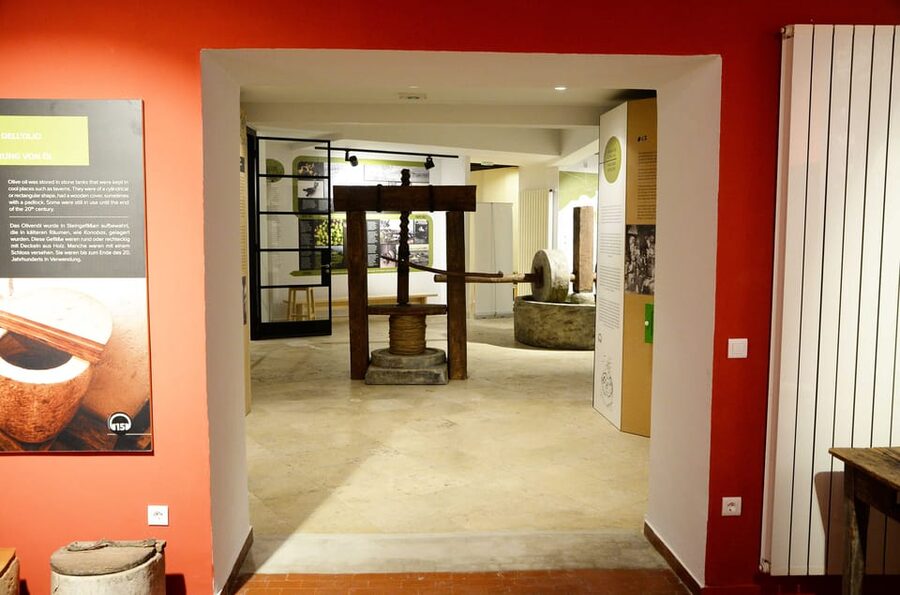
The museum introduces the long connection between Istria and olive oil. You learn how oil was made during Roman times and where it was sent for trade. This is useful context because it shows that olive oil here is not just a modern tourist product. Production and export were already part of the region’s economy many centuries ago.
The exhibits are designed to be entertaining as well as informative. You can use the audio guide in one of 12 languages, while the guided tasting is available in English or German. If you prefer to move at your own pace through the displays, the audio guide should help you follow the story without needing a full live explanation at every point.
Do not expect a large museum filled with dozens of rooms. The value is in the clear presentation and the tasting that follows. You are here to understand the product, not to spend hours reading every panel.
Roman oil-making methods and two short films
The Roman section gives the experience a strong sense of place. You learn how olive oil was made in Roman times and how it was exported, linking the product to Pula’s wider ancient past.
Two short films add a useful visual layer. One shows the traditional olive oil-making process, while the other explains how oil is produced today. Seeing the two methods side by side helps you understand what has changed and what remains tied to the same basic agricultural product.
This part should suit you if you like a little history with your food. The films also help if you are not familiar with olive oil production. Instead of hearing only technical terms, you can watch the process and then apply that background in the tasting room.
The limitation is that the films are short, so they cannot cover every stage in great depth. That is probably a good choice for a city-center activity, but anyone hoping for a full production tour should choose a countryside mill visit instead.
The tasting room: five Istrian extra virgin oils
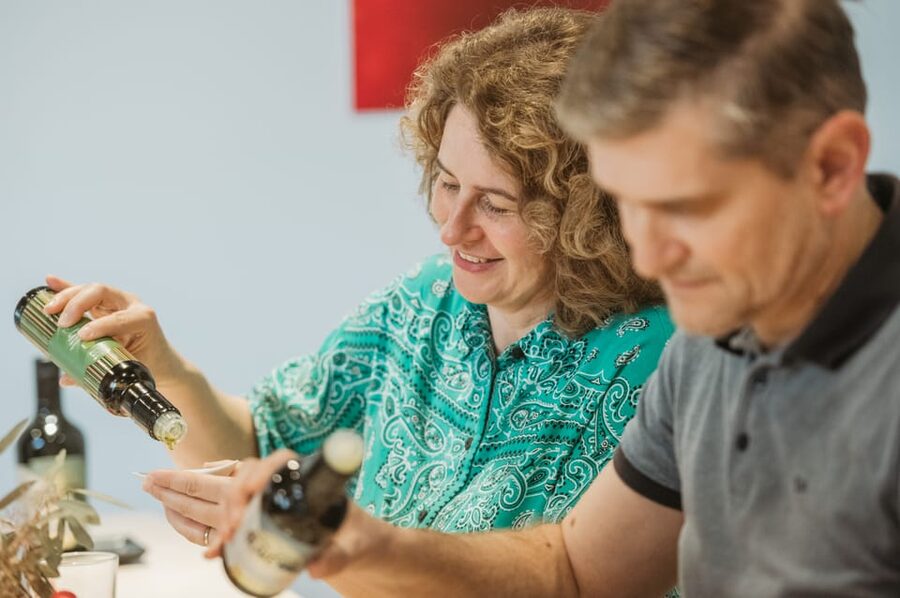
The tasting is the heart of the experience. You sit down and examine five extra virgin olive oils from Istria. The guide directs your attention to aroma, taste, texture, and appearance, turning the session into a lesson rather than a quick sample at a shop counter.
This is where I find the $35 price easiest to justify. Tasting several oils in sequence lets you compare them directly. You can notice how one oil may feel smooth and mild while another has more bitterness, pepper, or a sharper finish. The point is not to decide that one style is always best. It is to learn what quality and freshness can feel like.
You are also taught to recognize both positive and negative attributes. That distinction is important. Many people think a strong taste automatically means good oil, but the guide helps you separate desirable character from faults. You learn to pay attention to the full experience, not just the color or the word extra virgin on a label.
The tasting is especially helpful if you plan to buy olive oil during your time in Istria. You can use what you learn in the museum shop, at a market, or when choosing a bottle at home. The lesson turns a souvenir purchase into a more informed choice.
More museums and galleries in Pula:
- Blue Lagoon & Underwater Museum from Split with Lunch & Drinks
★ 4.5 · 1,122 reviews - Zagreb: Skip-the-Ticket-Line Museum of Broken Relationships
★ 4.5 · 847 reviews - Zagreb: Nikola Tesla Technical Museum Ticket
★ 4.5 · 520 reviews - Split: Game of Thrones Museum Entrance Ticket
★ 3.8 · 385 reviews
Comparing Istrian oil with supermarket oil
A particularly useful feature is the comparison between high-quality Istrian olive oils and an oil commonly found in a supermarket. This gives the tasting a clear reference point.
Without a comparison, it can be hard to understand what the guide means by premium oil. You may taste a good product and simply think it tastes like olive oil. The side-by-side approach makes the differences easier to notice in smell, flavor, texture, and finish.
This is also where the experience avoids being too precious about food. You do not need to be an oil expert, a cook, or a serious food buyer. The guide breaks the qualities down into things you can notice with your own senses.
The session may also change how you store and use olive oil, although the supplied information does not give specific storage instructions. The important takeaway is simpler: price and packaging do not tell the whole story, and tasting gives you better information than a label alone.
One review described mainstream oils as devils in disguise. That is a colorful way to put it, but the useful lesson is more measured. A supermarket oil is not automatically bad, yet the tasting can show why a well-made extra virgin oil may have more character and balance.
Dessert paired with olive oil
The tasting ends with a sweet dessert paired with a selected olive oil. This is a small but memorable touch because it pushes you beyond the usual bread-and-oil idea.
A dessert pairing also shows how flexible olive oil can be. The selected oil is used as part of a sweet combination, allowing you to notice how its flavor works with another food. You may not copy the pairing at home, but it gives you a fresh way to think about olive oil as an ingredient rather than only a cooking fat.
I would treat this as a pleasant extra, not the main reason to book. The five-oil tasting and the instruction are the serious parts of the visit. The dessert gives the experience a more relaxed finish and adds a little surprise.
If you have dietary concerns, the available information does not specify the dessert ingredients or alternatives. Ask the provider before booking if that detail matters to you.
The shop: oils, brandy, truffles, and lavender products
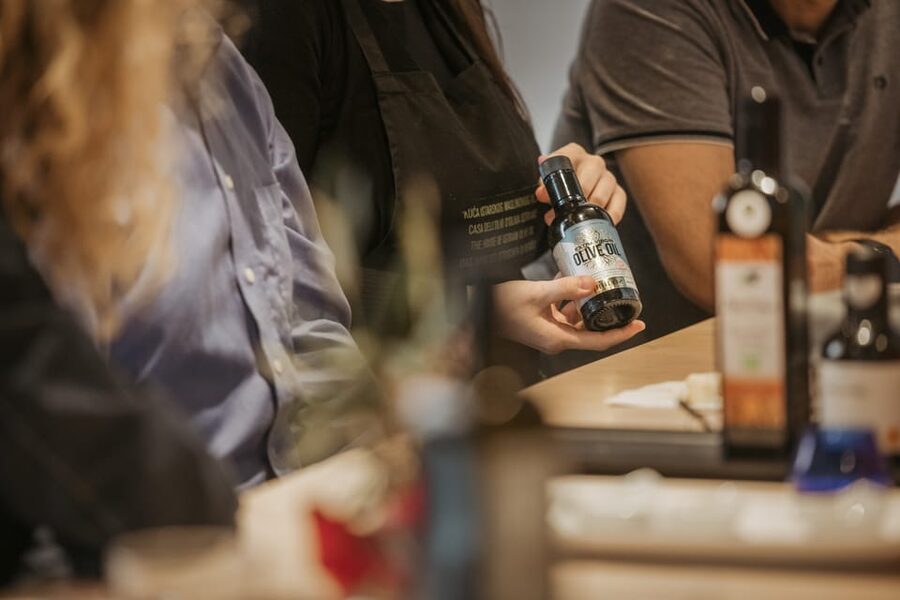
The visit includes access to a shop with a broad selection of Istrian goods. You can browse extra virgin olive oils, brandies, truffles, lavender-based cosmetics, and souvenirs.
This is convenient if you want to buy something after learning how to judge oil. Instead of choosing a bottle at random, you can return to the flavors you preferred during the tasting. That makes the shop more useful than a generic souvenir stop.
The range also helps if not everyone in your group wants olive oil. One person may choose a bottle, another may look for truffle products, and someone else may prefer lavender cosmetics or a brandy. You do not need to buy anything for the museum visit to be worthwhile, but the shop gives you a direct way to take a piece of Istria home.
Keep in mind that a tasting can make you more inclined to purchase. Set your budget before you browse, especially if you are traveling with limited luggage space. The shop is part of the experience, but buying is optional.
How the $35 price works for different kinds of visitors
At $35 per person, this is not the cheapest way to spend an hour in Pula, though the supplied information does not state the total duration. You are paying for more than entry to a display: the price includes an audio guide, a guided tasting of five extra virgin olive oils, and a dessert paired with a selected oil.
I see the value most clearly in the tasting instruction. If you simply want to sample local products, a market or shop may cost less. If you want to understand what you are tasting and learn how to judge quality, the guided format gives the fee a stronger purpose.
The price also makes more sense for couples, food-focused visitors, and people who plan to take home a bottle. The museum can help you make a better choice instead of buying solely because a label looks attractive.
For families, the decision is more mixed. Adults interested in food and history should find plenty to discuss, but the experience is focused on a specialized ingredient. Younger children may not get much from the tasting unless they already enjoy trying new foods.
Rainy weather improves the value. One review specifically called it a good tip for a wet day in Pula. That is practical advice: when outdoor sightseeing becomes less pleasant, you can spend time indoors while still learning about the region.
Languages, planning, and the cancellation window
You can reserve the experience and pay later, which helps if your Pula plans may change. Cancellation is allowed up to 24 hours in advance for a full refund, according to the supplied booking terms.
The audio guide is available in 12 languages. The guided tasting is listed in English and German, so check that the live language suits you when choosing your date.
No duration, group size, transportation details, or accessibility information is provided. I would not assume a private group, hotel pickup, or step-free access. If any of those points affect your plans, contact Idea Istra d.o.o. before booking.
Because the museum is in central Pula, you can plan it around other city sights without arranging transport. Still, allow enough time to arrive without rushing, especially if you have a timed reservation.
Who will enjoy this experience most
I would choose this for you if you enjoy local food, like learning through comparison, or want a break from Roman ruins and outdoor sightseeing. The tasting gives the visit a clear purpose, and the museum section adds enough context to make the oil feel connected to Istria rather than just another retail product.
It is also a good fit if you are unsure how to recognize premium extra virgin olive oil. The guide focuses on sensory details you can use later, including aroma, texture, appearance, and flavor.
You may want to skip it if you have very little time in Pula and care only about major historical sights. You may also find it less appealing if you dislike tastings or do not want to spend part of your trip discussing food production.
For a rainy afternoon, it becomes an easier recommendation. The location, short films, audio guide, and seated tasting provide a welcome change from walking between monuments in bad weather.
Should you book the House of Istrian Olive Oil?
Book it if you want a focused Pula experience with a real takeaway: after the visit, you should understand why one olive oil tastes better than another. The five-oil comparison, Roman background, and dessert pairing give the $35 fee more substance than a simple shop tasting.
I would be less quick to book if you expect a working farm, an olive grove, or a long technical tour of machinery. This is a city museum with guided sampling, not a full-day agricultural excursion.
For most food-curious visitors, especially those visiting Pula in uncertain weather, it is a smart add-on. You get local context, practical tasting skills, and a chance to choose an Istrian product with more confidence.
FAQ
Where is the House of Istrian Olive Oil?
It is located in the center of Pula, in Istria County, Croatia.
How much does the experience cost?
The listed price is $35 per person.
What is included in the price?
The experience includes an audio guide, a guided tasting of five extra virgin olive oils, and a sweet dessert paired with a selected olive oil.
How many olive oils do you taste?
You taste five extra virgin olive oils from Istria.
Is a supermarket olive oil included for comparison?
Yes. The tasting includes olive oil typically found in a supermarket so you can compare it with higher-quality Istrian oils.
What do you learn during the tasting?
You learn how to assess aroma, taste, texture, and appearance, as well as how to recognize positive and negative qualities in olive oil.
What languages are available?
The audio guide is available in 12 languages. The guided tasting is available in English and German.
Can you pay later?
Yes. You can reserve a place and pay later, so you do not need to pay at the time of booking.
What is the cancellation policy?
You can cancel up to 24 hours in advance for a full refund.
Just added around Pula
- Kamenjak Nature Park: Kayak Tour with Snorkeling & Cave Exploring★ 5.0 · 15 reviews
- Dolphin & Sunset tour with Brijuni panorama★ 5.0 · 119 reviews
- Transfer Pula – Poreč★ 5.0 · 5 reviews
- Clear Kayak Glow Night Tour★ 5.0 · 69 reviews
- Pula / Pješčana Uvala: Sunset SUP Tour – Explore & Chill★ 5.0 · 16 reviews
- Kayaking to Island Saint Jerolim with snorkeling activitie★ 4.5 · 26 reviews
- Pula Kayak Tour-Cliff jumping,snorkeling& free GoPro pictures★ 5.0 · 94 reviews
- 1.5-hour Clear Kayak Rentals: Explore Verudela Cave & Islands★ 5.0 · 39 reviews
Pula Tours, compared.
Kamenjak 5h boat trip with lunch & drinks on Sandra Boat
Read our review →
Full-Day Boat Tour of the Medulin Archipelago from Medulin
Read our review →
3hours all inclusive Sunset&Dolphin Tour from Medulin on Sandra
Read our review →
Dolphin Watching & Sunset Boat Tour With Dinner and Drinks
Read our review →
Kayaking,Snorkeling, Cliff jumping Tour with Wetsuit
Read our review →
BOAT & KAYAK! Sea Adventure – Snorkeling & Cliff Jumps
Read our review →
National Park Brijuni Island Visit & Dolphin Cruise
Read our review →Browse the lists this tour appears in