
Reviewed · ZAGREB TOURS
Walking tour of Zagreb
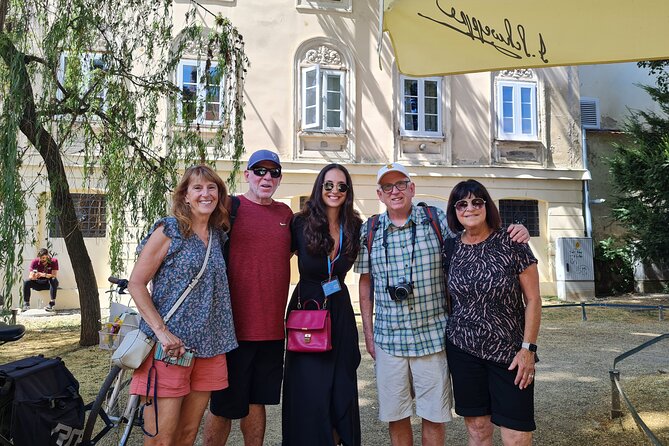
Zagreb’s best introduction comes on foot, and this tour links the city’s two personalities: the orderly lower center and the medieval Upper Town. You’ll pass the market, cathedral, old city gate, Grič Tunnel, St. Mark’s Church, and Tkalčićeva Street while guides such as Robert, Marko, Lucia, or Iva add local stories and present-day context.
I like the short funicular ride when it is running, and I like that the pace leaves time for questions rather than rushing from one photo stop to the next. The main catch is that the funicular is closed for renovation until March 2026, and some central buildings may still show earthquake repairs or construction.
Key points to know before you book
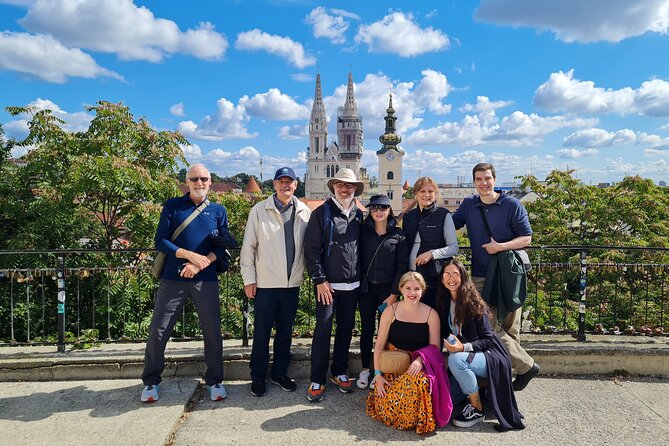
- Zagreb in about two and a half hours: The route covers the main center, market, tunnel, Upper Town, and Tkalčićeva Street without taking a full day.
- A strong first-day activity: You’ll get restaurant, museum, and sightseeing suggestions that can help shape the rest of your stay.
- The guide makes the difference: Robert, Marko, Marco, Lucia, Iva, and other local guides are praised for humor, clear explanations, and practical advice.
- The funicular is currently unavailable: The ticket is included only if the railway is operating. It is closed for renovation until March 2026.
- Expect a group of up to 25: This is small enough for questions, but it is not a private tour.
- Meet by the clock in Zrinjevac Park: Map apps may place the meeting point imperfectly, so use the park clock and the address, Zrinjevac 2.
Why this walk works as a first look at Zagreb
Zagreb can feel simple at first glance: a central square, a market, a few grand buildings, and a hill topped with old churches. Walk with someone who can connect those pieces, though, and the city becomes easier to read.
This route gives you that connection. It begins in Zrinjevac Park, moves through the lower city, climbs toward Gornji Grad, then returns to the pedestrian cafés of Tkalčićeva Street. You are not spending hours inside one museum. Instead, you get a broad introduction to Zagreb’s past, politics, food, daily life, and recent troubles.
The tour lasts about two to three hours, with the usual experience taking roughly two and a half hours. That is a useful length. You see a great deal, but you still have most of the day for the Museum of Broken Relationships, Zagreb’s city museum, a longer market visit, or a meal.
I would book it early in your stay. The route helps you understand where the Upper Town begins, how the main square connects to the market, and which streets are best for cafés and restaurants. Several guides also offer suggestions for food, museums, and further sightseeing after the formal walk ends.
More walking tours in Zagreb:
- Zagreb: Small Group Walking Tour City Center and WW2 Tunnels
★ 4.9 · 895 reviews - Zagreb: City and WWII Tunnels Walking Tour
★ 4.9 · 845 reviews - Zagreb Small Group Guided Walking Tour with WW2 Tunnels
★ 5.0 · 380 reviews
Starting among the plane trees of Zrinjevac
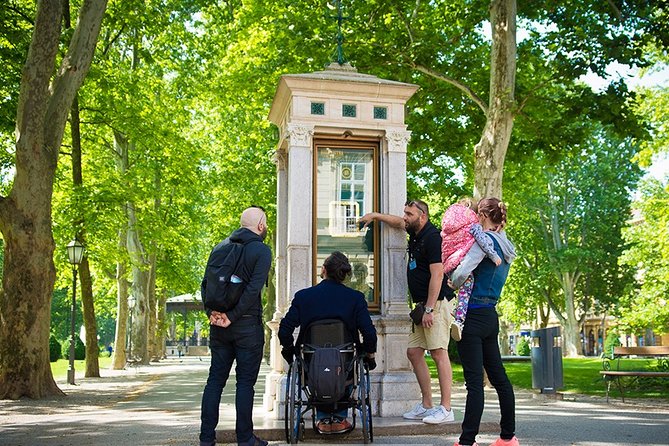
The meeting point is at Zrinjevac 2, in the lower city. Zrinjevac Park is a pleasant place to begin, with formal paths, open lawns, and attractive views for photographs. It also gives the guide room to gather the group before moving into the busier streets.
One practical warning matters here: map applications may not point cleanly to the exact meeting spot. Look for the clock in the park and allow a few extra minutes. The tour ends at Ban Josip Jelačić Square, close to the start, but the route itself is not a loop.
From Zrinjevac, you walk to Bogovićeva ulica, a central street lined with bars and restaurants. This is a quick stop, but it helps you see Zagreb as a lived-in city rather than a collection of monuments. The route then continues toward Ban Josip Jelačić Square, the city’s main meeting place.
Reading Zagreb from Ban Jelačić Square
Ban Josip Jelačić Square is the city center in the practical sense. Locals use it as a landmark, meeting point, and transport reference, so knowing it early will make your independent exploring easier.
The guide can also place Zagreb’s past and present side by side here. The tour is not limited to medieval stories. Guides have discussed current life, politics, military events, and the way Zagreb has changed over time. That mix is one of the strongest reasons to choose a guided walk instead of simply following a map between sights.
The square is also a useful orientation point. From here, you can understand the basic relationship between the lower city, Dolac Market, and the hilltop Upper Town. You will return here at the end, so pay attention to nearby streets and tram connections.
Zagreb Cathedral and the limits of a photo stop
The Cathedral of Zagreb is one of the city’s major landmarks. Its scale and historic importance make it an essential stop, even when access is limited.
Earthquake damage and ongoing repairs have affected some Zagreb sights. The cathedral may not be open for a normal interior visit, and construction materials can obstruct photographs. That does not make the stop pointless, but you should set your expectations correctly: this is primarily an exterior explanation and orientation point, not a full cathedral visit.
The same issue can affect other buildings along the route. Zagreb is still presenting parts of its historic center while repairs continue. If you want a polished, uninterrupted view at every stop, this may frustrate you. If you want to understand how the city is dealing with damage while daily life continues, the condition of the buildings becomes part of the story.
A few more Zagreb half-days to weigh up
- From Zagreb: Plitvice & Rastoke Guided Day Trip with Ticket
★ 4.9 · 2,955 reviews - Zagreb: Rastoke & Plitvice Lakes Guided Tour with Ticket
★ 4.9 · 1,897 reviews - Communism & Croatian Homeland War Tour
★ 5.0 · 1,355 reviews - Best of Zagreb with the WW2 Tunnels
★ 5.0 · 973 reviews
Using every sense at Dolac Market
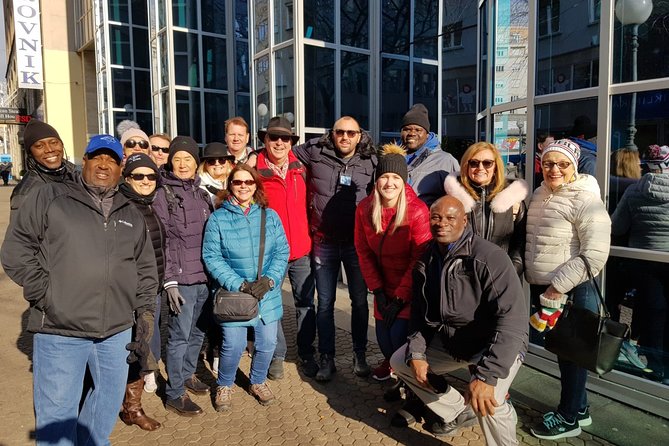
Dolac Market is Zagreb’s oldest green market and one of the most useful stops on the walk. You will hear about local food products and get a quick sense of how the city shops and eats.
The guide’s help matters here because a market can otherwise become a blur of stalls and unfamiliar foods. The stop is not designed as a long shopping visit, so you may want to return later if you wish to browse at leisure. For now, listen to the explanations, note what looks appealing, and use the market as a starting point for your own food discoveries.
Dolac also links the formal center with the Upper Town. From here, the route begins to feel older and more enclosed, with the hill and historic streets ahead.
Walking through Grič Tunnel
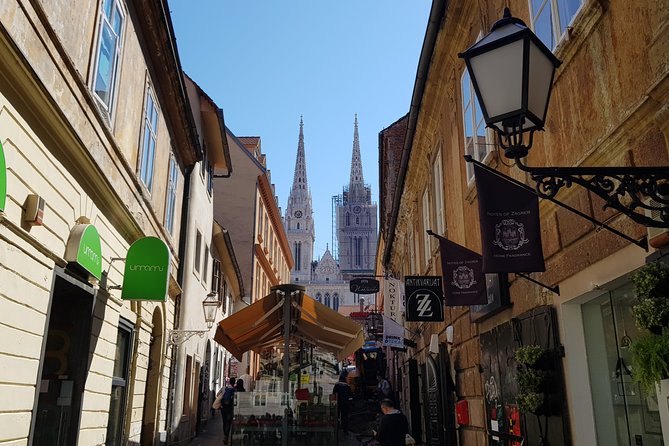
Grič Tunnel is one of the more unusual parts of the tour. Built beneath Grič Hill during the Second World War for military purposes, it now serves as a pedestrian shortcut and a tourist attraction.
This stop adds a layer that monuments cannot. You are not just looking at a façade. You are walking through a space connected to Zagreb’s wartime past and present city movement. One guide specifically made the tunnel a highlight, which makes sense: it breaks up the sequence of squares and churches with something physical and unexpected.
The tunnel may not operate on every tour date. Check conditions before you set your expectations, especially if this is the feature you most want to see. If it is closed, the guide can still continue with the city-center route, but you will miss one of the walk’s most distinctive settings.
The funicular and the climb to Upper Town
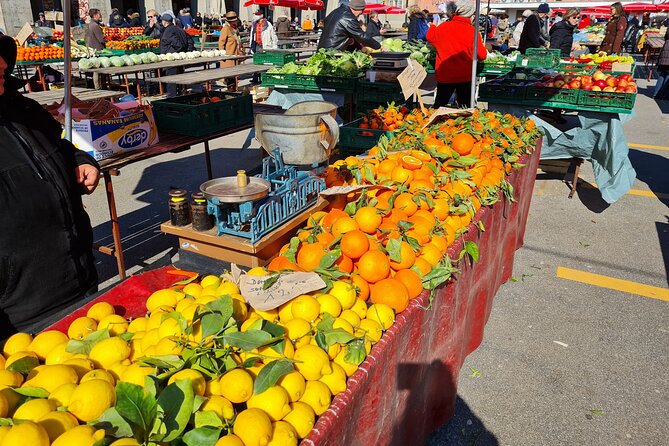
When operating, Zagreb’s funicular takes you toward the historic Upper Town. The ride is famously short, and the included ticket keeps this small transport detail from becoming an extra expense.
At present, the funicular is closed for renovation until March 2026. The tour can still visit the Upper Town, but you should expect to walk the route instead of riding. That may matter if you have limited mobility or simply hoped for the novelty of the railway.
The funicular stop lasts only about five minutes, so even under normal conditions it is a brief part of a much larger walk. Think of it as a charming link between sections, not the main event.
Lotrščak Tower and the sound of the Grič cannon
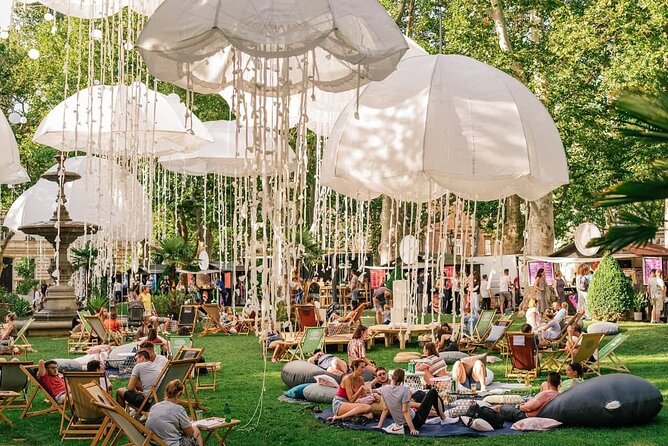
Lotrščak Tower is a historic guard tower above the old center. It houses the Grič cannon, a famous Zagreb symbol that fires daily at noon.
The tower gives the guide a chance to explain how the hilltop settlement was protected and how Zagreb’s old defenses shaped the city. You may also get one of the route’s better viewpoints, depending on where the group pauses.
The stop itself is short, listed at about five minutes. Do not expect a long tower visit as part of the standard tour. The value is in the story, the location, and the connection to the surrounding medieval streets.
Fifty minutes in Gornji Grad
The longest section comes in Gornji Grad, Zagreb’s Upper Town. Allow about 50 minutes here, since the route combines views, historic buildings, photographs, and several major sights.
You will see St. Mark’s Church, recognizable by its colorful tiled roof, along with the Croatian Government Building and Croatian Parliament. These are not random landmarks. Together, they show how the Upper Town remains tied to Croatia’s political life as well as its medieval past.
You will also pass the Museum of Broken Relationships. The tour does not replace a visit inside the museum, but the guide can help you locate it and decide if it belongs on your independent itinerary. That is part of the benefit of doing this walk early: you learn which places deserve a return visit.
The Upper Town section is where a good guide earns the fee. The streets and buildings are attractive, but their meaning is not always obvious from a quick look. Guides have been praised for explaining folklore, military events, politics, and local customs in a way that keeps the walk moving.
The pace is generally relaxed, with time for photographs and questions. Still, you are walking on historic streets and moving between levels, so wear comfortable shoes. Bring a warm layer in cooler weather. One visitor specifically advised dressing warmly, and the open squares and hilltop streets can feel chilly.
Petrini Pyli and Tkalčićeva Street
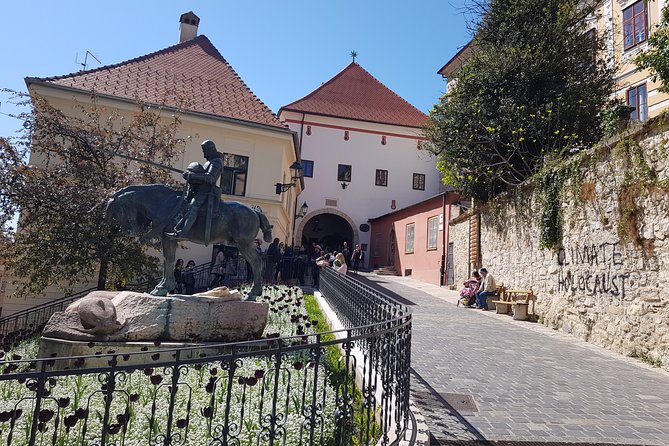
The route passes through Petrini Pyli, a medieval city gate. This is a quick stop, but it gives you a direct sense of old Zagreb’s boundaries. Walking through a gate is more memorable than hearing that the city once had one.
After the Upper Town, you descend to Tkalčićeva Street. This pedestrian zone is packed with bars and restaurants and is one of the best places to continue your evening after the tour.
The contrast is useful. A few minutes earlier, you were among old government buildings, churches, and defensive sites. Now you are in a social street where people meet for drinks and meals. The guide may recommend restaurants here or elsewhere in Zagreb, and that practical advice is worth noting.
The formal tour ends at the Ban Josip Jelačić statue on the main square. Since you finish near where you began, you can easily continue to Dolac, return to your hotel, or follow the guide’s suggestions.
What the guide adds to the price
At $24.20 per person, this is a reasonable price for a two to three-hour introduction, especially if you are new to Zagreb. The value is not in paid entry tickets, since the major stops are viewed from public spaces. The value comes from the local explanation, route planning, and time saved finding the important corners yourself.
The group can have up to 25 people. That is a manageable size for a city walk, though it is not the same as a private guide. A small group also makes it easier to ask questions, and the strongest praise has focused on guides who speak clearly, keep a good pace, and make room for conversation.
Guides named in the feedback include Robert, Marko, Marco, Lucia, and Iva. You are not guaranteed a particular guide, but the recurring strengths are clear: humor, history, folklore, current events, and practical recommendations. Several guides have also stayed after the scheduled walk to answer questions and help plan the rest of a Zagreb visit.
The tour is offered in English and uses a mobile ticket. Service animals are allowed, and the activity is near public transportation. Most people can participate, but you should be ready for steady walking and some uphill or downhill movement.
The main drawbacks to weigh
The funicular closure is the clearest current limitation. Until March 2026, you should not book this expecting to ride it. The route still reaches Upper Town, but the transport experience will be replaced by walking.
Earthquake repairs are another consideration. The cathedral and other central buildings may have scaffolding, restricted access, or blocked views. The tour remains useful, but the visual experience may not match an older photograph or your expectations of a fully restored center.
Weather can also cancel the activity. If poor weather forces a cancellation, you are offered another date or a full refund. For your own comfort, choose practical shoes and dress warmly when the forecast calls for it.
The tour is best for orientation, not for long interior visits. If your priority is spending an hour inside the cathedral, museum, or tower, you will need to return independently.
Who should book this Zagreb walking tour
I would choose this tour if you have only a short time in Zagreb, want a local introduction, or prefer history explained through streets and buildings rather than a museum lecture. It is especially useful on your first day, when restaurant and sightseeing advice can still shape your plans.
Families, older visitors, and first-time city explorers may appreciate the moderate pace and clear route. The guide can answer questions, and one guide was specifically praised for speaking loudly and clearly for older participants.
You may want a different activity if you dislike group walks, need a fully accessible route, or mainly want interior admissions. The group maximum is 25, and the funicular closure means the route includes more walking than the title might suggest.
Cancellation is free up to 24 hours before the local start time. Cancellations or changes within 24 hours are not refunded, except when the provider cancels because of poor weather and offers a new date or full refund.
Should you book it?
Yes, if you want a well-paced introduction to Zagreb’s layout, stories, and everyday life for $24.20. The strongest reason to book is the guide: Robert, Marko, Marco, Lucia, and Iva have been praised for making history understandable, funny, and useful.
Book it early, meet by the clock in Zrinjevac Park, and treat the cathedral and funicular as conditional sights because of repairs. With those limits in mind, this is a sensible first walk that leaves you better prepared to explore Zagreb on your own.
FAQ
How much does the Zagreb walking tour cost?
The tour costs $24.20 per person.
How long does the walking tour last?
The tour lasts approximately two to three hours. The typical experience is about two and a half hours.
What language is the tour offered in?
The tour is offered in English.
Where does the tour begin?
The meeting point is Zrinjevac 2, 10000 Zagreb, Croatia, at Zrinjevac Park.
Where does the tour end?
The tour ends at the Ban Josip Jelačić statue on Trg bana Josipa Jelačića, Zagreb’s main square, close to the starting area.
Is the funicular ride included?
The funicular ticket is included if the railway is operating.
Is the Zagreb funicular currently open?
No. The funicular is closed for renovation until March 2026.
Can the Grič Tunnel be closed?
Yes. The WWII tunnels may not operate on certain dates.
How large is the tour group?
The activity has a maximum of 25 participants.
What is the cancellation policy?
You can cancel at least 24 hours before the local start time for a full refund. Cancellations or changes made less than 24 hours before the start time are not refunded. If poor weather causes the provider to cancel, you will be offered another date or a full refund.
Just added around Zagreb
- Toast to the Morning After: Zagreb Museum of Hangovers Visit★ 4.0 · 39 reviews
- From Split: Transfer to Zagreb with Stop at Plitvice Lakes★ 4.6 · 44 reviews
- Severin na Kupi: Canoeing and Kayaking on the Kupa River★ 4.6 · 22 reviews
- Rafting/Kayaking adventure river Kupa★ 4.4 · 21 reviews
- Private Walking Tour of Zagreb★ 4.9 · 5 reviews
- Plitvice Lakes National Park – 2hr Inspiration Buggy Tour★ 5.0 · 3 reviews
- Jump into Zagreb: Walking Tour with local guide★ 4.8 · 3 reviews
- From Zagreb: Varazdin Baroque Town & Trakoscan Castle★ 4.9 · 38 reviews
Zagreb Tours, compared.
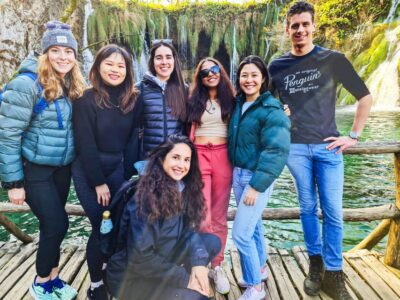
Plitvice & Rastoke Guided Day Trip with Ticket
Read our review →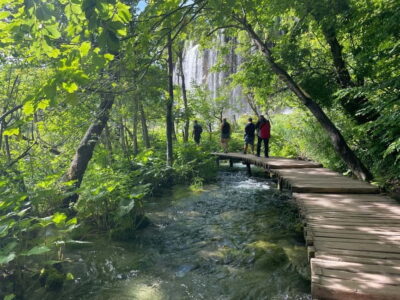
Rastoke & Plitvice Lakes Guided Tour with Ticket
Read our review →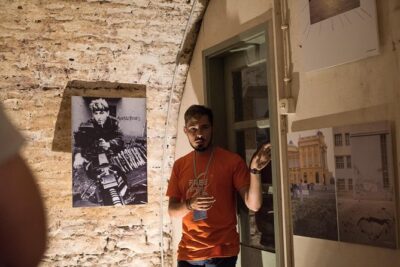

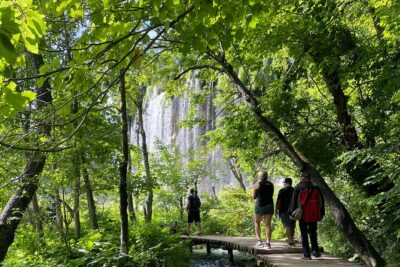
Plitvice Lakes with Ticket & Rastoke Guided Tour from Zagreb
Read our review →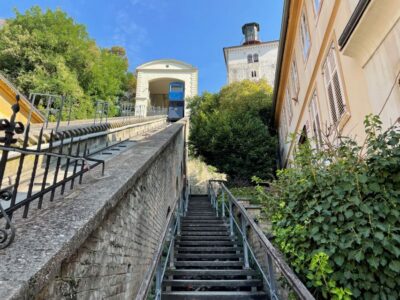
Small Group Walking Tour City Center and WW2 Tunnels
Read our review →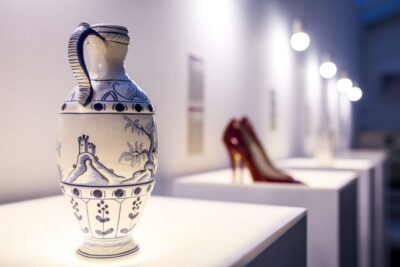
Skip-the-Ticket-Line Museum of Broken Relationships
Read our review →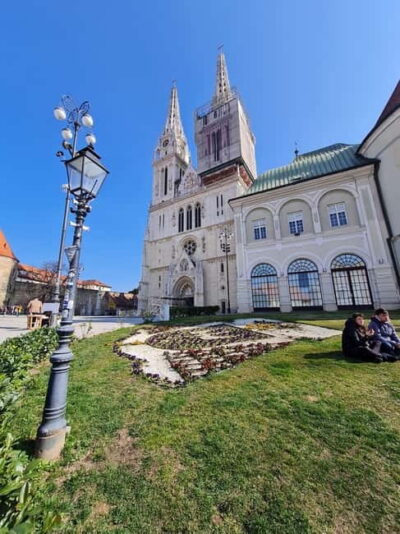
Browse the lists this tour appears in