
Reviewed · DUBROVNIK TOURS
Dubrovnik walking history tour
Dubrovnik’s story comes alive on foot, especially when you connect its grand palaces with the practical details that kept the old republic running. This 90-minute walk takes you from Pile Gate through the Old Town, with stops at Sponza Palace, Rector’s Palace, Orlando’s Column, Onofrio’s Fountain, the Franciscan Monastery, and the Cathedral of the Assumption.
I like the focus on local history and daily life, not just pretty stone streets. I also like the guides’ personal approach. Ines is often singled out for her clear English, helpful manner, and broad knowledge of Dubrovnik, Croatia, and the former Yugoslavia.
The main catch is that the tour is short, and entrance tickets are not included. You see the city’s key monuments from the outside or as part of the guided route, but City Walls admission costs an additional €35 per person.
Key points to know before you book
- Onofrio’s Fountain tells a practical story: It marks the end of a 12-kilometer aqueduct built to supply Dubrovnik with fresh water.
- Ines receives especially warm praise: Her relaxed style, personal stories, and useful local suggestions add more than a standard date-and-name tour.
- The Cathedral reflects disaster and recovery: The Baroque church was built after the devastating earthquake of 1667.
- The walk begins at Pile Gate: This is a useful starting point for getting your bearings before entering the Old Town.
- City Walls tickets cost extra: The €35 admission is not part of the tour price, so budget for it separately if you want to walk the walls.
- The group can reach 30 people: That is manageable for a central-city walk, but it may feel less personal than a small private tour.
From Pile Gate into Dubrovnik’s Old Town
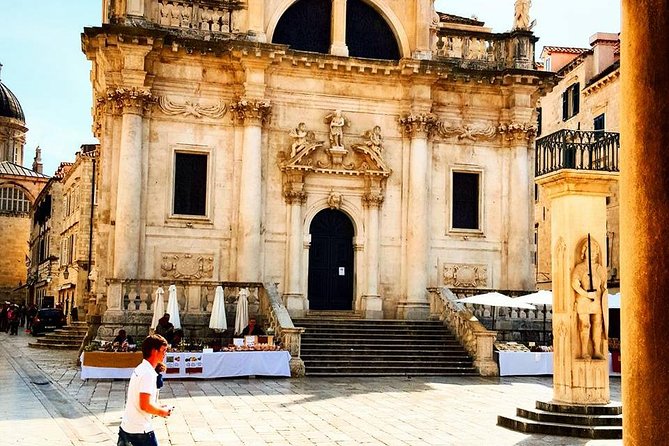
The tour begins at Art Go’Den, Brsalje ul. 1, near Pile Gate. That location matters because Pile is one of the clearest entry points into Dubrovnik’s Old Town, and starting here lets you begin with the city’s layout before the narrow streets become a maze of stone, steps, and side lanes.
Your licensed guide leads the walk in English. The route takes about an hour and a half, which is long enough to cover the essential monuments without turning into an all-day history class. I think that timing suits a first visit, especially if you also want time for the City Walls, museums, swimming, or a meal afterward.
The walk ends back at the meeting point. That makes the tour easy to fit into a day of sightseeing, since you are not left at an unfamiliar corner of town. It also means you can use the tour as an orientation walk early in your visit, then return to the places that caught your interest.
The group may include up to 30 people. That size keeps the cost reasonable, but you should not expect the intimacy of a two-person tour. Stay close to the guide, particularly when the Old Town is busy, and arrive ready to listen while standing on hard stone streets.
More history-led days in Dubrovnik:
- Dubrovnik Old Town History Walking Tour
★ 5.0 · 1,684 reviews - Game of Thrones & History of Dubrovnik Tour
★ 5.0 · 628 reviews - Dubrovnik: Old Town History Walking Tour
★ 4.9 · 474 reviews
Franciscan Monastery and the first layers of the city
One of the early sights is the Franciscan Monastery. The stop helps place Dubrovnik’s religious buildings within the wider structure of the old republic. Here, the value comes from having a guide explain why the building matters, rather than simply passing its doorway and taking another photograph.
The tour description does not promise admission to every interior. That distinction is important. You are booking a guided city walk, not a package of museum entries, so ask your guide what can be entered during the visit and what you will view from outside.
The route is built around explanation. The best guides help you notice how the stone buildings, public spaces, religious sites, and government palaces fit together. Ines is praised for doing this in a relaxed way, with personal stories and local suggestions mixed into the formal history.
That personal layer is useful in Dubrovnik, where a short walk can otherwise become a procession of famous names. You will hear about monuments, but you also get a sense of why they were important to the people who lived and governed here.
Orlando’s Column and the idea of freedom
Orlando’s Column is another key stop. The monument is connected with the city’s freedom, giving the guide a natural opening to explain Dubrovnik as an independent republic with its own political identity.
This is one of the places where a guide adds real value. A column in a square can look decorative when you encounter it alone. With context, it becomes part of the story of Dubrovnik’s independence, civic pride, and public life.
The stop also gives you a chance to pause and look at the surrounding streets. The Old Town is compact, but it is not simple. A guide can point out how its public spaces functioned, where authority was displayed, and how the city’s symbols fit together.
The experience is not built around dramatic performance. Its strongest quality is clear explanation. Several comments about the tour emphasize the good balance between facts, local knowledge, recommendations, and stories. That is the tone I would expect here: informative without making every stone sound like a theatrical revelation.
Onofrio’s Fountain and Dubrovnik’s 12-kilometer water system

Onofrio’s Fountain is one of the most interesting stops because it deals with an everyday need: water. Built in the 15th century, the fountain marked the end of a 12-kilometer aqueduct that supplied the city.
You may refresh yourself with water from the fountain, which gives the stop a useful present-day purpose as well as a historical one. It is easier to understand the importance of an old water system when you are standing beside the place where the supply reached the city.
This detail also corrects a common habit in sightseeing. Dubrovnik is often presented through palaces, churches, and sea views, but a city survives through infrastructure. The aqueduct tells you about planning, engineering, public health, and the practical work behind the grand appearance of the Old Town.
I especially like this part of the route because it connects the past to your own visit. You are not only hearing that Dubrovnik had an aqueduct. You can stop, take a drink, and see how a system built centuries ago shaped city life.
More walking tours in Dubrovnik:
- Dubrovnik: Old Town Walking Tour
★ 4.8 · 5,174 reviews - Dubrovnik Discovery Old Town Walking Tour
★ 5.0 · 4,458 reviews - Dubrovnik: Game of Thrones Walking Tour
★ 5.0 · 1,732 reviews - Dubrovnik: City Walls Early Morning or Sunset Walking Tour
★ 4.8 · 1,523 reviews
Sponza Palace, the tour’s named stop
Sponza Palace is the listed itinerary stop and one of Dubrovnik’s most striking civic buildings. Its importance lies in the roles it served within the republic, making it a useful place to discuss commerce, administration, and public business.
The tour does not include general entrance tickets, so you should not assume that a full interior visit is part of the €33.61 price. The guide can explain the building and its place in Dubrovnik’s story, while any separate admission is your responsibility if available and desired.
For me, Sponza works best when paired with Rector’s Palace. Together, the two buildings help you see different sides of the old city: public and commercial life on one hand, political leadership on the other. The route becomes more than a collection of elegant façades.
This is also where a clear guide matters. Place names can blur together after a few stops. A guide such as Ines, who is praised for explaining the importance of each site and keeping the pace comfortable, can help you remember why Sponza deserves attention.
Rector’s Palace and the machinery of government
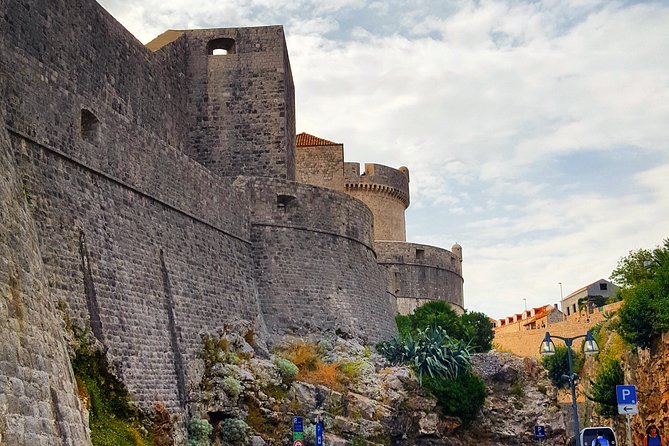
Rector’s Palace is another major highlight. It offers a way to understand how Dubrovnik was governed and how public power was represented in the city.
The title of rector may sound simple, but the building gives the subject weight. Your guide can explain the role of the rector and how the palace fitted into the republic’s civic structure. The attraction is not just the architecture. It is the chance to picture the decisions, ceremonies, and responsibilities tied to this place.
The walk’s short format means the explanation will be selective. You will not receive a full political history of Dubrovnik, Croatia, and Yugoslavia in 90 minutes. However, the guide’s background may let you ask broader questions, particularly if you want to understand how Dubrovnik fits into the country’s later development.
A past guide, Ines, is described as especially strong on both Dubrovnik and Croatia’s modern history, including the former Yugoslavia. That makes this tour a good match for you if you want more than medieval dates and architectural labels.
The Cathedral of the Assumption after the 1667 earthquake
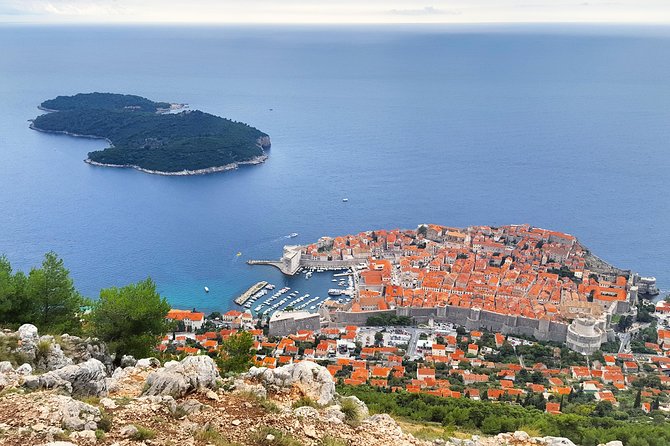
The Cathedral of the Assumption is a Baroque church built after the devastating earthquake of 1667. Its story introduces one of the most important themes of Dubrovnik sightseeing: the city you see today has been damaged, rebuilt, and reshaped more than once.
The cathedral is valuable because it links architecture with recovery. Instead of treating the building as an isolated church, the guide can explain how disaster changed the city and led to new construction.
Again, check your expectations about admission. This walking tour includes the guide, not tickets to the City Walls or other facilities. If you want to explore interiors at length, you may need to return later and pay separately.
The cathedral also gives the route a strong ending point before you return to the meeting area. By this stage, you have seen government buildings, religious architecture, monuments, and public infrastructure. That combination gives you a better sense of how the city worked.
What the guides add to a 90-minute walk
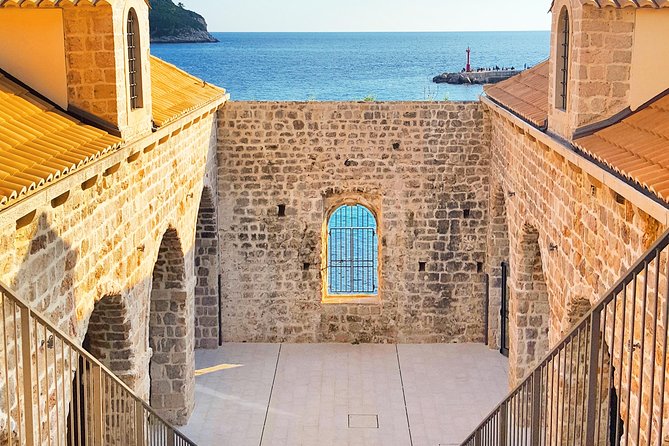
The most praised part of this experience is the guiding. Ines is repeatedly described as friendly, easygoing, helpful, and strong in English. Her approach seems to combine formal history with personal stories and practical recommendations.
That mix matters in a walking tour. Dates alone do not help much when you are trying to remember several palaces and churches in a short time. A guide who explains why a place mattered, then gives you a local suggestion for the rest of your day, makes the information easier to use.
The pacing also receives strong praise. The walk allows time for photographs and does not rush from one stop to the next. That is important in Dubrovnik, where you may want to look up at façades, notice details in the paving, and pause in public squares.
The guide’s license offers some reassurance, but it is not a guarantee that every departure will go perfectly. One scheduled walk was canceled when the guide became ill in extreme heat. The payment was refunded in full, and the provider apologized, but the incident is a reminder to keep a little flexibility in your plans.
Is $33.61 good value?
At $33.61 per person, this is a fair price for a licensed, English-language introduction to Dubrovnik lasting about 90 minutes. You are mainly paying for interpretation and structure, not for entry to paid attractions.
That can be good value if you want help making sense of the Old Town. Without a guide, you can walk the same streets for free, but you may miss the connection between the aqueduct, the republic’s government, its symbols of freedom, and the rebuilding that followed the 1667 earthquake.
The separate City Walls charge changes the calculation. Admission is €35 per person, and it is not included. If you want both experiences, your total sightseeing cost will be noticeably higher than the walking tour price alone.
Still, the two experiences serve different purposes. This walk explains the city at street level. The City Walls provide a different view and require their own ticket. You can book the walk without committing to the walls, then decide what you want to do with the rest of your day.
Who should book this Dubrovnik tour?
I would choose this tour if you are visiting Dubrovnik for the first time and want a clear introduction before exploring alone. It also suits you if you enjoy history but prefer a compact walk with stories, context, and practical local advice.
It is a particularly good fit for:
- You want a licensed guide rather than a self-guided audio route.
- You prefer an English tour with a measured pace.
- You want to understand the city’s government, water supply, monuments, and churches.
- You have only part of a day for organized sightseeing.
- You would like recommendations from a guide who knows Dubrovnik and its wider history.
I would hesitate if your main goal is a long visit inside museums or a full walk on the City Walls. Those are not included, and the tour’s 90 minutes leave limited time for extended interior visits.
The maximum group size of 30 is another consideration. It is not a tiny private experience, so you may prefer a smaller group if you want constant conversation with the guide. On the other hand, the size helps keep the price moderate.
Practical details for a smoother walk
You receive confirmation when booking, and the activity is offered with a mobile ticket. The meeting point is near public transportation, which makes it easier to reach than a departure point far outside the Old Town.
Service animals are allowed, and most people can participate. The route takes place in the historic center, so expect a walking experience on old urban streets rather than a vehicle-based tour.
Wear comfortable shoes and bring water, even though Onofrio’s Fountain offers a chance to drink. Dubrovnik’s summer heat can be intense, and the canceled departure caused by a guide’s heat-related illness shows why the weather deserves respect.
The cancellation terms are simple: you can receive a full refund if you cancel at least 24 hours before the start time. Cancellations or changes made less than 24 hours before the tour are not refunded or accepted.
Should you book the Dubrovnik walking history tour?
Yes, if you want a well-paced first look at Dubrovnik with a licensed English-speaking guide. The strongest reasons to book are the practical historical details, the coverage of key Old Town sights, and the warm, personal guiding style associated with Ines.
Just budget separately for the €35 City Walls ticket, and do not expect every monument or facility to be included. For a reasonable price, this tour gives you the context you need to make the rest of your time in Dubrovnik more rewarding.
FAQ
Where does the Dubrovnik walking history tour begin?
The tour begins at Art Go’Den, Brsalje ul. 1, 20000 Dubrovnik, Croatia, near Pile Gate.
Where does the tour end?
The activity ends back at the meeting point.
How long does the tour last?
The guided walking tour lasts approximately 1 hour and 30 minutes.
What language is the tour offered in?
The tour is offered in English.
What sights are included in the walking route?
The route includes the Franciscan Monastery, Orlando’s Column, Onofrio’s Fountain, Rector’s Palace, Sponza Palace, and the Cathedral of the Assumption.
Are City Walls tickets included?
No. City Walls tickets are not included and cost €35 per person.
How large can the tour group be?
The activity can have a maximum of 30 travelers.
Can I cancel for a full refund?
Yes. You must cancel at least 24 hours before the experience’s start time for a full refund. Cancellations or changes made less than 24 hours before the start time are not accepted for a refund.
Just added around Dubrovnik
- Full- Day Private Speedboat Tour in Dubrovnik on Elaphiti Islands★ 5.0 · 21 reviews
- Wine Lover’s Tour of Peljesac Peninsula★ 5.0 · 150 reviews
- Wine tour peninsula Pelješac★ 5.0 · 3 reviews
- Elaphiti Islands Private Dubrovnik Boat Unique Experience★ 5.0 · 10 reviews
- Dubrovnik at War 1991-1992 Private Walking Tour★ 5.0 · 4 reviews
- PRIVATE Wine Tour to Konavle country side★ 5.0 · 11 reviews
- Welcome to Dubrovnik Walking Tour★ 5.0 · 36 reviews
- Walls of Liberty: A Self-Guided Audio Tour of Dubrovnik★ 3.5 · 3 reviews
Dubrovnik Tours, compared.

Blue Cave Small-Group Boat Tour from Dubrovnik
Read our review →
Full-Day Dubrovnik Elaphite Islands Cruise with Lunch and Drinks
Read our review →
Epic Game of Thrones Tour + Lokrum & Saver Option
Read our review →
The Original Game of Thrones Tour & Lokrum Option
Read our review →
Dubrovnik Game of Thrones Tour & Optional Lokrum Island Visit
Read our review →
Elaphite Island Cruise w/ Drinks & Optional Lunch
Read our review →Browse the lists this tour appears in