
Reviewed · DUBROVNIK TOURS
Traditional Cooking Class in Dubrovnik Countryside
A garden, a smokehouse, a centuries-old stone home, and a family meal make this experience far more than a standard cooking lesson. You travel from Dubrovnik into the countryside, where hosts such as Nikolina, Nike, or Nicola introduce you to their farm and put local food into its proper setting.
I like the farm-to-table cooking and the generous family welcome. You may gather vegetables and eggs, knead bread, prepare soup or pasta, and taste homemade prosciutto, cheese, wine, and liqueurs. The main thing to consider is that the cooking can be lighter than the title suggests, with some sessions feeling more like a cultural visit and long lunch than a technique-focused class.
Key points to know before booking
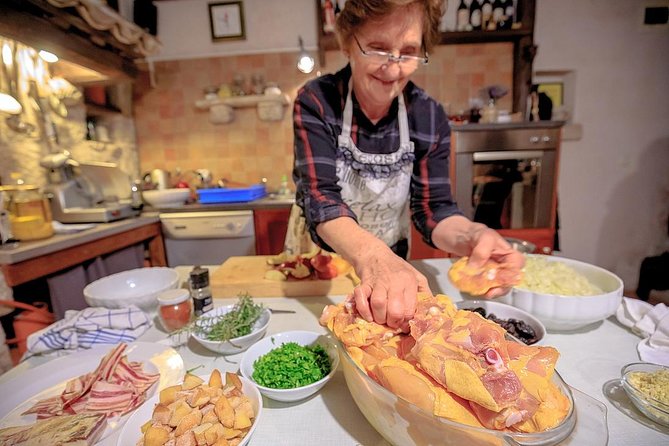
- Garden-to-table meal: Seasonal vegetables, herbs, and sometimes eggs go from the farm into your lunch or dinner.
- Family hosts: Nikolina, Nike, Nicola, and other family members may guide the visit, with Oliver often handling the Dubrovnik transfer.
- Five-hour countryside escape: Round-trip hotel transport saves you the trouble of arranging a taxi or rental car.
- Large, homemade meal: Expect cured meats, soup, a meat or fish dish, vegetables, bread, and a traditional dessert.
- Small groups: Bookings generally allow two to eight people, with the overall activity capped at ten.
- Best for cultural eaters: Choose this for hospitality, stories, farming, and local food, not advanced kitchen training.
Leaving Dubrovnik for the family farm
The experience begins with pickup at your private accommodation or hotel in Dubrovnik and nearby areas. Oliver is one of the names connected with the transfer, and clear pickup communication is especially useful if you are staying on a side street or in an area unfamiliar to you.
The drive is part of the change of pace. Dubrovnik can be full of cruise-day crowds, polished stone streets, and a steady stream of sightseeing. This outing takes you into the countryside, where the focus shifts to gardens, animals, old buildings, and a family table.
The exact rhythm can change with the weather and the season. If the garden is wet, you may not pick every ingredient yourself. Even so, the visit generally includes time outside, a look at the farm, and an introduction to the people who grow, preserve, and cook the food.
That private transport adds real value. You do not need to navigate rural roads after wine and homemade brandy, and you can settle into the meal without watching the clock for a return bus. The ride also keeps the five-hour schedule simple from a visitor’s point of view.
More cooking classes in Dubrovnik:
- Traditional Dalmatian Cooking Class from Dubrovnik
★ 5.0 · 49 reviews - Authentic Garden to Table Cooking Class in Dubrovnik Countryside
★ 5.0 · 17 reviews - Croatian Traditional Cuisine: Peka Cooking Lesson
★ 5.0 · 10 reviews
A welcome with grappa, liqueur, and local stories
Arrival is often marked by a homemade drink and a small bite. Past welcome treats have included rose grappa, carob liqueur, carob and date truffles, and other traditional snacks.
This is not a polished restaurant greeting. It is closer to being welcomed into a working family home. The hosts may explain the farm, their relatives, and the way the household operates across generations. One old stone home connected with the experience is more than 500 years old, with later improvements and additions.
The family story gives the food a human setting. You may hear about farming traditions, the village, the region, and the effect of the Yugoslav Wars on the family home and local life. That history is not a side note for the hosts. It is part of how they explain who they are and why the farm matters.
I find this personal side one of the strongest reasons to book. You are not simply handed a plate labeled Dalmatian. You get a sense of how food fits into family work, seasonal routines, preservation, and celebrations.
The tradeoff is clear. If you want every minute filled with a chef’s demonstration, this opening can feel long. If you like conversation and a look at ordinary rural life, it adds much more than a restaurant meal could.
Picking vegetables and meeting the farm animals
The garden is the heart of the experience. Depending on the time of year and the weather, you may collect potatoes, eggplant, carrots, tomatoes, mint, basil, cucumbers, and other seasonal produce. Some sessions also include gathering freshly laid eggs.
The activity can extend beyond the vegetable beds. The farm has been described as home to chickens, goats, sheep, pigs, horses, a donkey, rabbits, and young animals such as ducklings or lambs. One family visit even included milking a goat.
These details matter because they show you where the food comes from. You can see the link between the garden, the animals, the smokehouse, the kitchen, and the table. The experience also gives you a practical look at a more self-sufficient way of living, with produce, preserved meats, wine, olive oil, jams, pickles, and liqueurs made close to home.
You should not assume every animal or activity will be available on every date. Farms change with the season, and the garden may be too wet for picking. Still, the outdoor portion usually provides a welcome break from standing in a kitchen for five hours.
What actually happens in the cooking portion
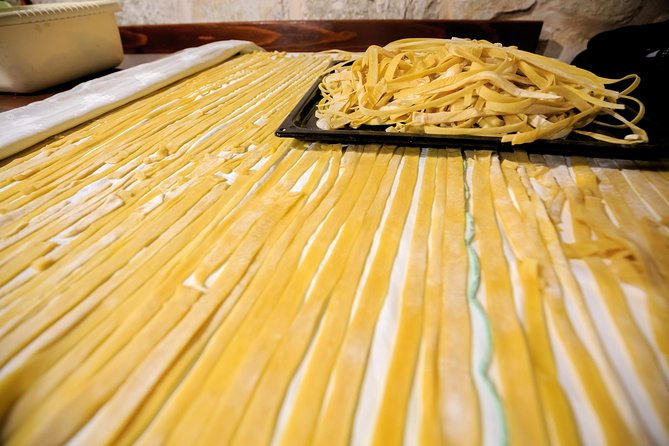
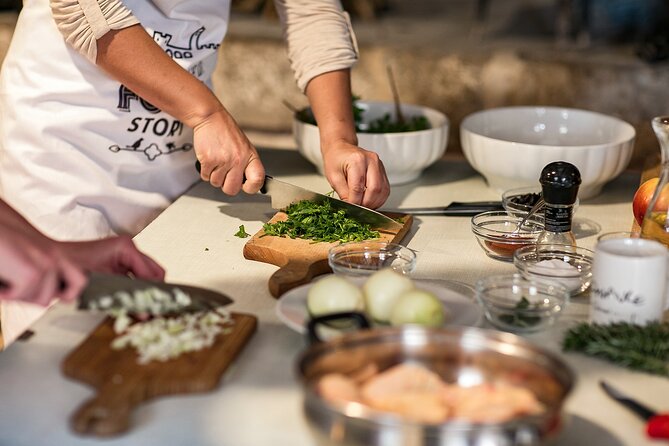
The hands-on work varies. You might clean and chop vegetables, knead dough, prepare homemade bread, shape pasta, make soup, assemble a quick bread, or help with dessert. Past menus and activities have included lentil soup, chicken soup with semolina dumplings, traditional bread, fresh pasta, quiche, a chicken stew, roasted meat, potatoes, salads, and local cookies similar to funnel cakes.
The published meal is described as four courses:
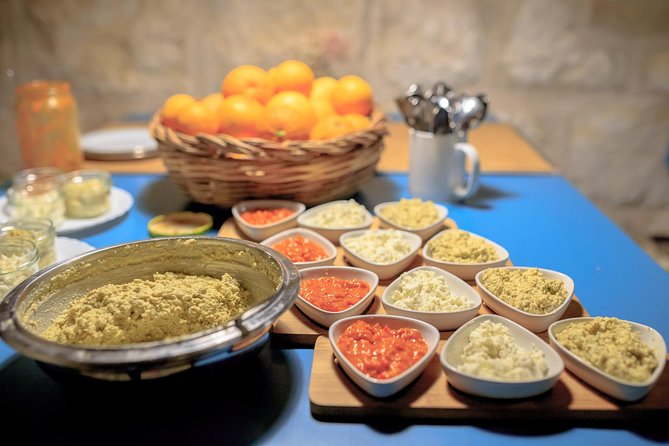
- Charcuterie with prosciutto, sausages, cheeses, garden pickles, bread, and spreads
- Homemade vegetable soup
- A seasonal meat or fish dish with garden vegetables
- A local cake or traditional dessert
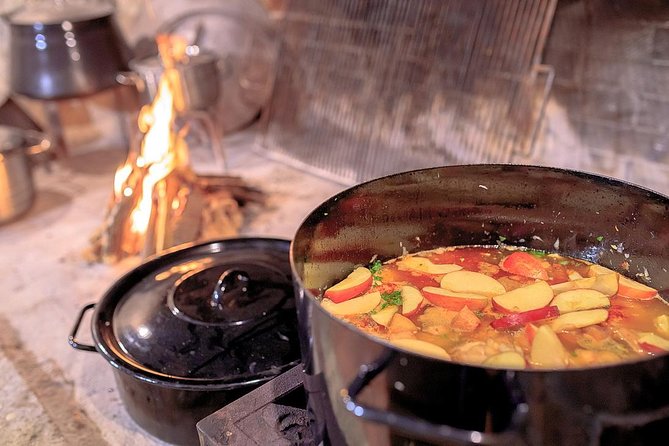
In practice, the meal can be even larger. Some sessions have included several breads, extra vegetable spreads, homemade cookies, quiche, salad, or a substantial roast. The main dish may be cooked in a traditional open-fire pot, while smoked meats come from the family smokehouse.
You will likely work alongside the host rather than follow a formal cooking-school structure. That means the class feels relaxed and social, but it also means instruction may not be precise. Some people have chopped, kneaded, and prepared much of the meal. Others have spent only a few minutes on active cooking while the family handled the main dishes.
This is the most important point to understand before paying. The experience promises traditional recipes and a cooking class, but it is not designed like a professional lesson with measured ingredients, printed recipes, knife-skills practice, and a dish-by-dish demonstration. If you want to return home able to reproduce every course, ask at booking what recipes and hands-on tasks will be included.
More hands-on workshops in Dubrovnik:
- Dubrovnik: Local Wine, Dine and Design Workshop
★ 4.8 · 10 reviews - Local Paint and Wine Workshop: A Unique Creative Experience
★ 5.0 · 6 reviews - Rock Climbing Lesson in Dubrovnik
★ 5.0 · 5 reviews - Pula: SUP Yoga Classes at Morning & Sunset
★ 5.0 · 10 reviews
The meal is the main event
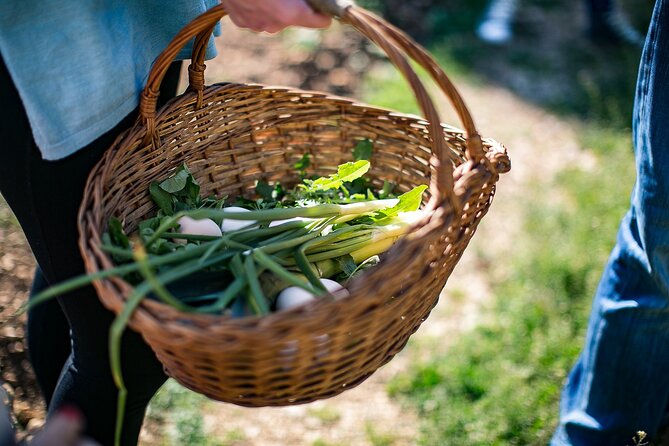
Come hungry. The food is served family-style and can include much more than a neat four-course progression.
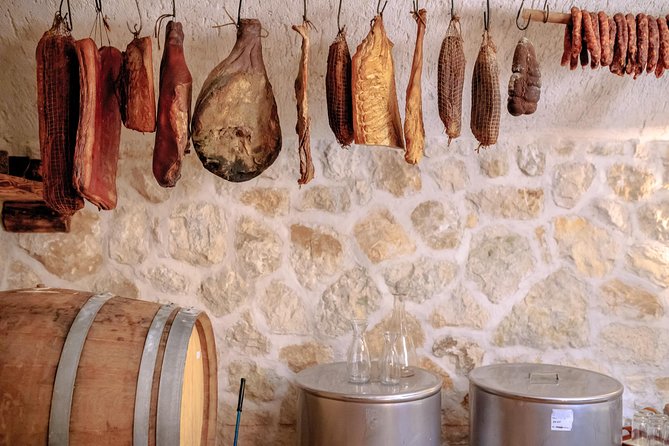
The opening board is a strong feature: homemade prosciutto, sausages, local cheeses, pickled vegetables, olive tapenade, olive oil, and bread. The cured meats and cheeses give you a taste of what the household preserves, while the garden pickles and spreads add a sharper, more local edge.
Soup follows, often built around fresh vegetables. It may be a simple preparation, but that simplicity is the point. Produce picked close to the kitchen needs little decoration.
The main dish depends on the day and the group. Meat versions have included chicken stew, pork, veal, or roast meat with potatoes and carrots. Fish can be arranged for suitable dietary needs, and one pescatarian participant received a special fish dish. Fresh salad and seasonal vegetables round out the plate.
Dessert may be a local cake, homemade cookies, or another traditional sweet prepared for special occasions in Dubrovnik and the surrounding area. Some guests have made the dessert themselves, while other parts may be prepared by the family in advance.
Homemade white and red wine is included, along with coffee or tea and homemade liqueurs. These can include fruit-based drinks, carob liqueur, rose grappa, or local brandy. The alcohol is generous enough that you should pace yourself, especially if you are also eating a large lunch.
Wine, olive oil, and the family business
The food is only one part of what the family produces. A large farm connected with the experience includes vineyards, olive trees, fruit trees, chickens, a vegetable garden, herbs, and preserved foods.
You may learn how the family makes wine, olive oil, pickled vegetables, marmalade, cured meats, sausages, and liqueurs. Sampling these products helps explain the menu. The prosciutto is not an anonymous appetizer, and the wine is not simply a local label poured into a glass. These items are part of the household’s work.
There is also a small shop where you may buy olive-wood souvenirs, wine, olive oil, liqueurs, or homemade jams. Those purchases are not included in the tour price, so bring that into your budget. Some products have also supported a youth charity in the local town.
I like this chance to buy something useful rather than a generic Dubrovnik souvenir. A bottle of olive oil or a jar of jam can carry the memory of the meal home, though you will need to follow airline rules for liquids.
How personal is the small-group setting?
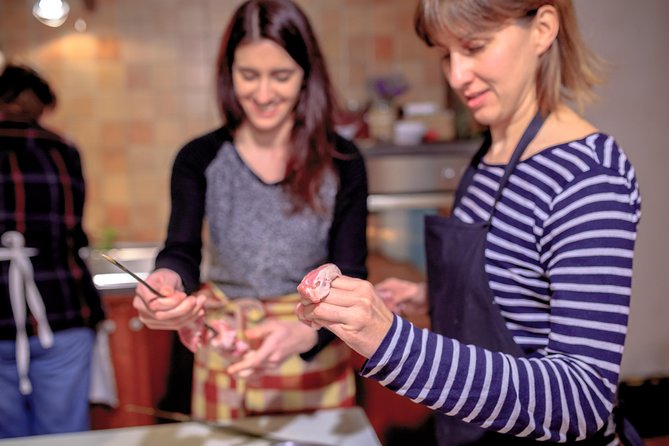
The regular booking range is two to eight people, while the total activity limit is ten travelers. That is small enough for a family-style table and personal conversation, but not necessarily a private lesson.
You may share the day with couples, families, or solo visitors. Solo visitors have found the family setting comfortable, and the work at the table gives people an easy way to talk without forced introductions.
The group size also affects the amount of cooking you get to do. With more people, tasks may be divided among the group. You might knead dough while someone else handles vegetables, or help with one course while the hosts prepare another. If hands-on time is your top priority, ask whether a smaller booking is possible and request a clear outline of the cooking tasks.
The family approach is warm and open. Hosts such as Nikolina and Nike are praised for making people feel at home, while Oliver’s transfer service adds a useful local connection before and after the farm visit.
Price and value at $290.36 per person
At $290.36 per person, this is not a cheap way to eat lunch. You are paying for a five-hour outing, private round-trip transport, a small group, a guided cooking session, a full meal, wine, liqueurs, coffee or tea, ingredients, and the use of the kitchen and equipment.
The price makes more sense if you value the whole package. A countryside transfer, a family visit, farm activities, several tastings, and a long meal would be separate costs if arranged independently. The experience also saves you the work of finding a rural restaurant and arranging transportation after drinking.
Still, value depends on your expectations. For a serious home cook looking for techniques, written recipes, and structured instruction, the cost may feel high. For someone wanting a personal introduction to Dalmatian food and rural life, the family setting and included food make the price easier to justify.
Before booking, compare this with a standard Dubrovnik food tour. Those are often shorter and more urban. This experience asks for more money and more time, but it gives you a countryside setting, direct contact with a host family, and a meal prepared around farm products.
Dietary needs and practical planning
Vegetarian food is available, but you must state that requirement when booking. Specific dietary needs should also be provided at the time of reservation.
The experience has shown some flexibility for pescatarians, including a separate fish dish. Gluten-free needs deserve more careful discussion. Do not assume you will receive a gluten-free version of the bread or dessert, or that you will take part in every preparation. Ask in advance what you can cook and eat, and whether the hosts can provide suitable flour or a replacement dessert.
The tour is offered in English. Confirmation is sent within 48 hours, subject to availability. A minimum of two people is required to book, and the overall activity allows no more than ten participants.
Free cancellation is available up to 24 hours before the start time for a full refund. Changes or cancellations inside that window are not accepted for a refund, and cut-off times follow local time in Dubrovnik.
Who will enjoy this Dubrovnik cooking class?
I would choose this for you if you want food tied to people and place. It suits couples, families, multigenerational groups, solo visitors comfortable sharing a table, and anyone who prefers a rural afternoon to another walk through the Old Town.
It is especially good for:
- People who enjoy family stories and local customs
- Diners who like cured meats, garden vegetables, bread, wine, and rustic dishes
- Visitors who want a relaxed break from Dubrovnik’s busy center
- Families interested in animals and farm work
- Pescatarians who arrange their needs ahead of time
- Visitors who value transportation and a complete meal in one package
I would hesitate to recommend it to you if your main goal is advanced culinary training. The techniques are generally simple, and the hosts may prepare the long-cooking dishes before you sit down. You may learn how the food is made, but you should not count on a formal recipe booklet or precise measurements unless you request them.
Should you book it?
Book this experience if you want to spend part of your Dubrovnik visit with a welcoming rural family, walk through a garden, taste food made on the property, and hear stories about Croatian life over a long meal. The strongest parts are the hospitality, the farm-to-table setting, the homemade wine and preserved foods, and the feeling of being invited into someone’s home.
Skip it if you want a tightly organized cooking school. At this price, you should be comfortable paying for a cultural visit with cooking woven through it, not five uninterrupted hours of instruction.
For most food-focused visitors, I think the best approach is simple: confirm the pickup point, group size, dietary plan, and expected hands-on tasks before booking. If those match what you want, this can be one of the most personal ways to experience Dalmatian cuisine outside Dubrovnik.
FAQ
How long does the traditional cooking class last?
The experience lasts approximately five hours.
Where does the activity take place?
It begins with pickup in Dubrovnik and surrounding areas, then continues at a family home and farm in the countryside outside the city.
Is hotel pickup included?
Yes. Round-trip pickup and drop-off from your hotel or private accommodation are included by private car or minivan.
How many people can join?
A booking requires at least two people. Regular group size is listed as two to eight people, with a maximum of ten participants for the activity.
What food is included?
The meal includes a charcuterie board, homemade vegetable soup, a local meat or fish dish with seasonal vegetables, and a traditional local dessert. Additional breads, salads, spreads, or sweets may also be part of the meal.
Are drinks included?
Yes. Homemade white and red wine, homemade liqueurs, coffee, and tea are included.
Can vegetarians join?
Yes. A vegetarian option is available, but you must advise the provider when booking.
Can I request a special dietary option?
Yes. You should provide all specific dietary requirements at the time of booking. Pescatarian arrangements have been accommodated, while gluten-free participants should confirm the available dishes and cooking tasks in advance.
What is the cancellation policy?
You can cancel up to 24 hours before the experience begins for a full refund. Cancellations or changes made less than 24 hours before the start time are not accepted for a refund.
Just added around Dubrovnik
- Full- Day Private Speedboat Tour in Dubrovnik on Elaphiti Islands★ 5.0 · 21 reviews
- Wine Lover’s Tour of Peljesac Peninsula★ 5.0 · 150 reviews
- Wine tour peninsula Pelješac★ 5.0 · 3 reviews
- Elaphiti Islands Private Dubrovnik Boat Unique Experience★ 5.0 · 10 reviews
- Dubrovnik at War 1991-1992 Private Walking Tour★ 5.0 · 4 reviews
- PRIVATE Wine Tour to Konavle country side★ 5.0 · 11 reviews
- Walls of Liberty: A Self-Guided Audio Tour of Dubrovnik★ 3.5 · 3 reviews
- Parasailing in Cavtat★ 5.0 · 62 reviews
Dubrovnik Tours, compared.
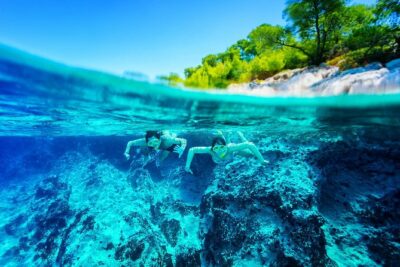
Blue Cave Small-Group Boat Tour from Dubrovnik
Read our review →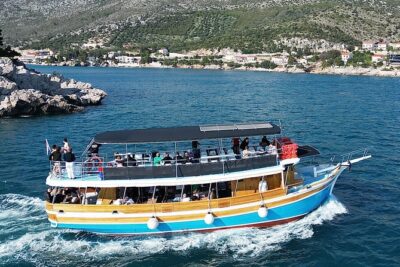
Full-Day Dubrovnik Elaphite Islands Cruise with Lunch and Drinks
Read our review →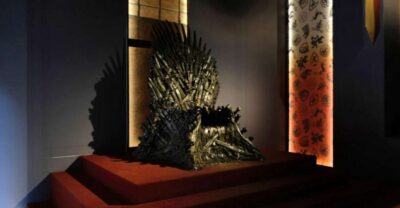
Epic Game of Thrones Tour + Lokrum & Saver Option
Read our review →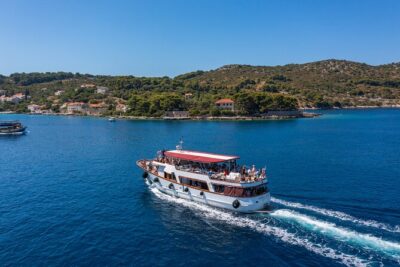
The Original Game of Thrones Tour & Lokrum Option
Read our review →
Dubrovnik Game of Thrones Tour & Optional Lokrum Island Visit
Read our review →
Elaphite Island Cruise w/ Drinks & Optional Lunch
Read our review →Browse the lists this tour appears in