
Reviewed · ZAGREB TOURS
Zagreb Small Group Guided Walking Tour with WW2 Tunnels
Zagreb’s Gric Tunnel is the unusual hook here: a wartime passage beneath the Upper Town that gives this city walk a little more grit than a standard sightseeing stroll. From there, you move through medieval gates, lively café streets, the cathedral, the market, and the square where Zagreb life gathers.
I like the way the tour combines major landmarks with everyday Croatian culture, especially the coffee tradition, local food, bread, homemade liquor, and the stories behind Zagreb’s name. I also like the small group limit of 16, which makes it easier to ask questions and hear guides such as Petra, Tomislav, Tom, or Maya.
The main drawback is the changing access to two advertised features. The funicular is closed for renovation until March 2026, so you should expect stairs instead. Dolac Market is also closed during afternoon tours and on public holidays, while the tunnel can close for special events.
Key points before you book
- The tour covers Zagreb’s central highlights in about 2.5 hours, beginning in Zrinjevac Park and ending at Ban Jelačić Square.
- Gric Tunnel adds a WWII-era setting to the usual cathedral, market, and Upper Town route.
- A licensed local guide leads the walk in English, with guides praised for their stories, humor, patience, and restaurant advice.
- The group is limited to 16 people, a useful size for city streets and questions.
- The funicular ride is included in the normal plan, but the funicular is closed for renovation until March 2026.
- At $24.20 per person, the tour offers a practical first look at Zagreb without charging separate admission for the listed stops.
Starting among the trees at Zrinjevac Park
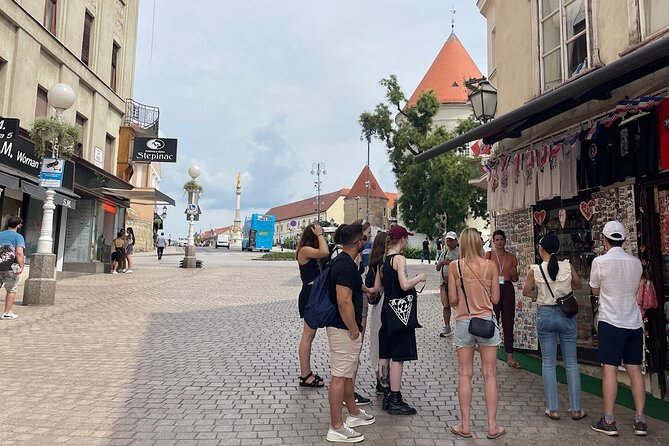
Your meeting point is Zrinjevac 2, in front of the small meteorological station on the north side of Zrinjevac Park. This is an easy central place to begin, and the park gives the opening talk a calm setting before the walk moves into the city center.
The guide uses the first part of the tour to place Zagreb in time, from its medieval beginnings through the city you see today. That context matters because Zagreb can seem compact and modern at street level, while its older identity is split between two medieval settlements, Gradec and Kaptol.
I would arrive a few minutes early and make sure you have comfortable shoes. The route is not a strenuous hike, but it includes city pavement, Upper Town slopes, and stairs when the funicular is not running.
More walking tours in Zagreb:
- Zagreb: Small Group Walking Tour City Center and WW2 Tunnels
★ 4.9 · 895 reviews - Zagreb: City and WWII Tunnels Walking Tour
★ 4.9 · 845 reviews - Walking tour of Zagreb
★ 5.0 · 383 reviews
Ban Jelačić Square and the question behind Zagreb’s name
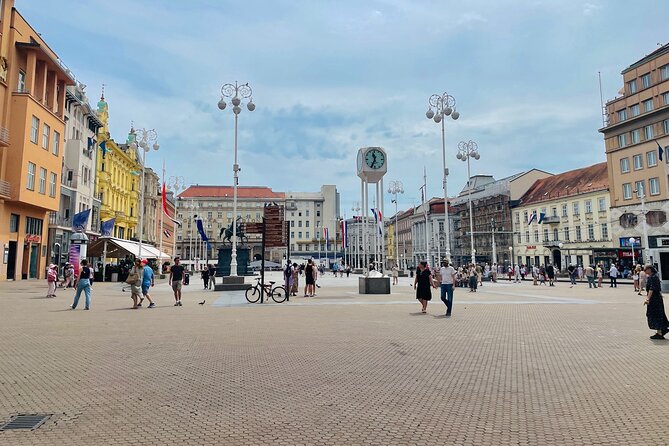
The walk continues to Ban Josip Jelačić Square, the city’s main meeting place. This is the center of Zagreb’s public life, and it is a useful orientation point for the rest of your stay.
Here you learn how Zagreb got its name and why this square matters to local life. The tour does not treat the square as just a photo stop. It uses the space to explain how the city functions, giving you a better sense of where the main pedestrian routes, cafés, and landmarks fit together.
The tour finishes here too, so you can easily continue on your own afterward. That makes the route especially handy on a first day, when you want to get your bearings before visiting museums or choosing a restaurant.
Zagreb Cathedral and Kaptol’s grand scale
The Zagreb Cathedral is the most monumental building on the early part of the route. Its Neo-Gothic appearance makes it an immediate visual highlight, with a scale that contrasts sharply with the smaller lanes and squares nearby.
The stop is listed at about 15 minutes, so think of this as an exterior introduction rather than a long cathedral visit. The tour includes no separate admission tickets, and the guide focuses on the building’s place in Zagreb’s story.
If the cathedral is high on your list, you may want to return later and give it more time on your own. The advantage of seeing it with the guide first is that you receive the basic context before exploring the surrounding area independently.
Dolac Market and the taste of daily Zagreb
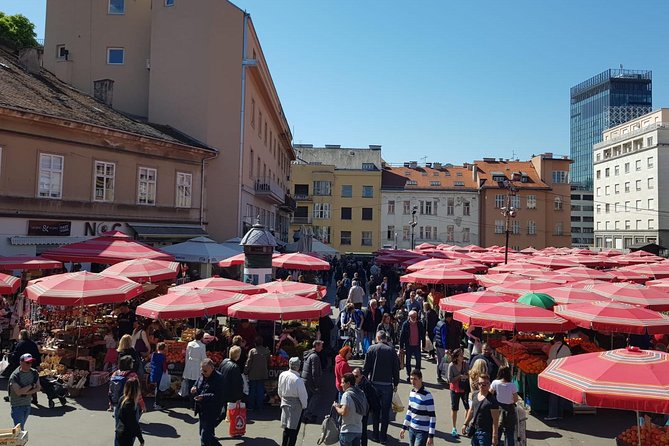
Next comes Dolac Market, Croatia’s largest farmers market. The market is where the tour shifts from grand architecture to ordinary city life: produce, food traditions, and the daily rhythm of buying and selling.
The guide also points out the statue of Kumica and explains parts of Croatian cuisine. This is one of the tour’s most useful cultural stops because food tells you plenty about a place without requiring a museum visit.
Timing matters. Dolac Market is closed for afternoon tours and on public holidays, so you may only see the area from outside at those times. If the market is important to you, book a morning departure and return later when you have time to browse at your own pace.
A few more Zagreb half-days to weigh up
- From Zagreb: Plitvice & Rastoke Guided Day Trip with Ticket
★ 4.9 · 2,955 reviews - Zagreb: Rastoke & Plitvice Lakes Guided Tour with Ticket
★ 4.9 · 1,897 reviews - Communism & Croatian Homeland War Tour
★ 5.0 · 1,355 reviews - Best of Zagreb with the WW2 Tunnels
★ 5.0 · 973 reviews
Tkalčićeva Street and Zagreb’s coffee culture
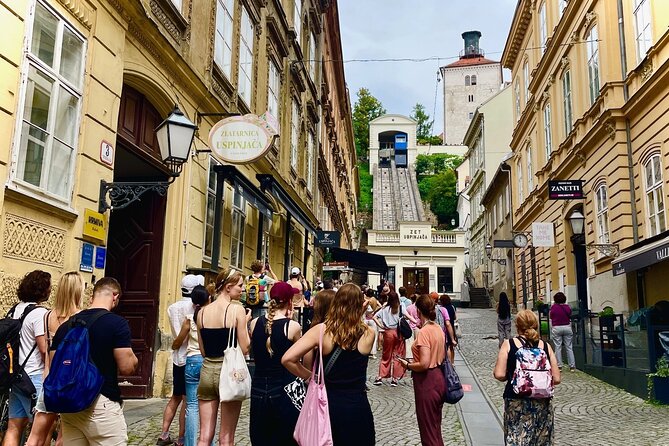
Tkalčićeva Street is lined with bars and cafés, and the tour uses it to explain Croatia’s fondness for lingering over coffee. The guide discusses the local philosophy of lounging, a small but revealing detail that helps you understand how people use the city.
This part is not about racing from monument to monument. You pause to consider how Zagreb residents spend time in public, meet friends, and turn a simple coffee into a long social ritual.
Several guides also give restaurant recommendations during the walk. That advice can be useful, but remember that recommendations depend on the individual guide and the questions you ask. If food matters to you, this is a good place to ask about local dishes and where to try them.
Inside Gric Tunnel, Zagreb’s wartime passage
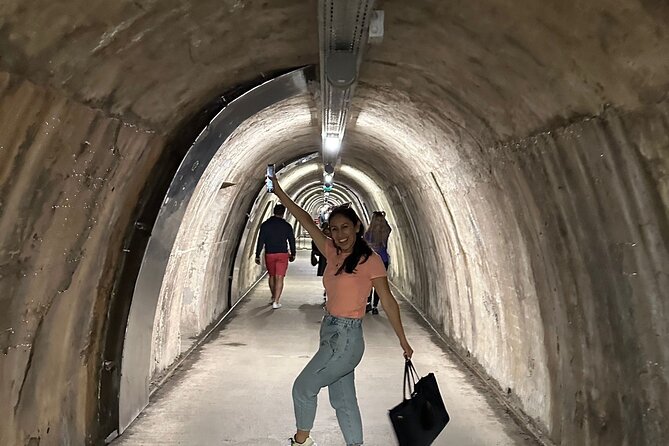
The Gric Tunnel is the tour’s most distinctive stop. Built during WWII, it runs beneath the Upper Town and offers a change of mood from open squares and café streets.
The tunnel stop lasts about 10 minutes. That is enough for an introduction and a walk through part of the passage, but it is not a long underground history program. Its value comes from seeing a physical reminder of Zagreb’s wartime past rather than hearing about it only from a city square.
Access is not guaranteed. The tunnel can close for an exhibition, theater performance, or another event, and the tour cannot visit it when that happens. I would treat it as a welcome extra rather than the sole reason to book.
The funicular problem and the stairs to Upper Town
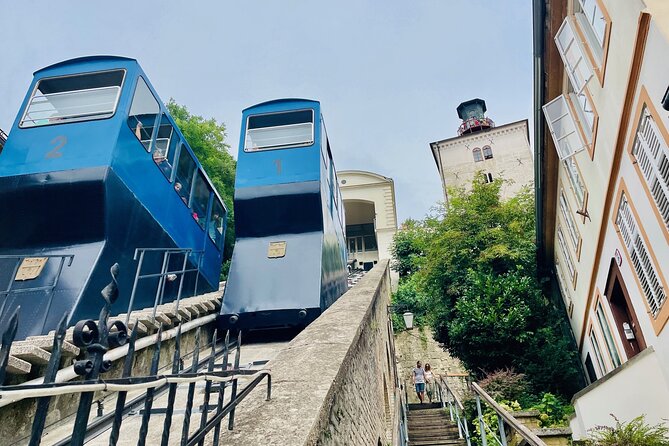
The itinerary includes a ride on Zagreb’s historic funicular, described as the world’s shortest funicular and the oldest form of public transport in the city. It has served Zagreb for nearly 135 years and is normally a pleasant way to connect the lower and upper parts of town.
There is an important current restriction: the funicular is closed for renovation until March 2026. During the closure, you should expect to use stairs instead. One visitor specifically noted that the route remained reasonable but required plenty of stairs because of the construction.
That changes the experience in a practical way. If you have limited mobility, fatigue easily, or are traveling with young children, ask about current conditions before booking. The tour information says most people can participate, but it does not promise a step-free route.
Lotrščak Tower and the noon cannon
At the top, you reach Lotrščak Tower, a strong defensive structure that houses the Grič cannon. The cannon fires at noon each day to mark midday, and catching the report can be one of the walk’s most memorable moments.
The scheduled stop is short, about five minutes. If the timing lines up, you may hear the cannon during the tour, as one guide, Tom, managed to arrange for his group. Do not assume every departure will include the shot, since it depends on the tour schedule and the exact timing.
The tower also helps explain why Zagreb’s Upper Town was built for defense. From here, the route becomes less about broad city orientation and more about the narrow streets, old institutions, churches, and viewpoints of Gradec.
Upper Town, St. Mark’s Church, and rooftop views
The tour spends about 50 minutes in Upper Town, the longest section of the walk. This is where the route gathers many of Zagreb’s best-known sights: the Strossmayer Promenade, the Museum of Broken Relationships, Croatian Parliament, Croatian Government, and St. Mark’s Church.
The Strossmayer Promenade provides views across Zagreb’s rooftops. It is a good pause after the denser streets below, and your guide can point out how the Upper Town sits above the modern center.
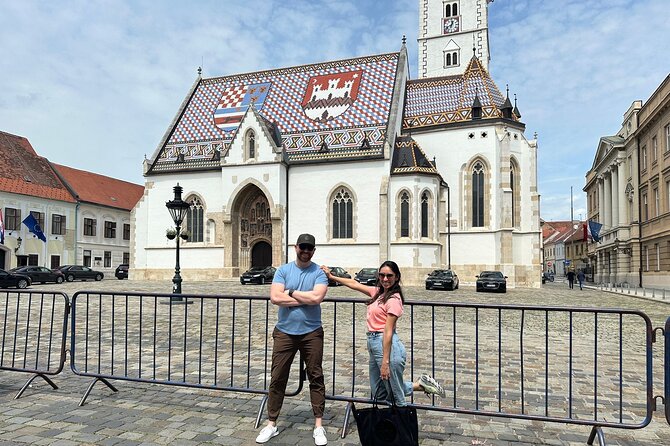
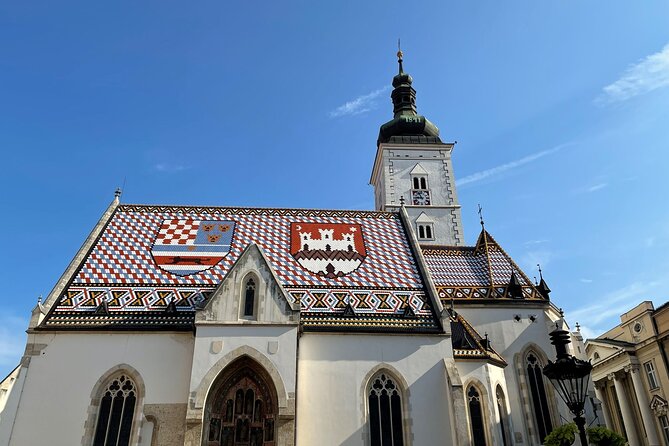
St. Mark’s Church is famous for its colorful tiled roof. The church itself is a short stop from the outside, but the roof is striking and easy to remember. The guide also explains the political importance of the surrounding buildings, where Croatia’s Parliament and Government are based.
You pass the Museum of Broken Relationships, one of Zagreb’s best-known museums. The tour gives you an outside introduction, not museum admission or a full visit. If the subject catches your interest, save it for a separate stop later.
This section can feel crowded with information. Guides such as Petra and Maya have been praised for making history clear and personal, while other feedback points out that some explanations can run long. The best approach is to stay close enough to hear and ask the guide to repeat anything lost in street noise.
Stone Gate and the chapel inside
The route then passes through Stone Gate, the only medieval city gate in Zagreb that remains. Inside is a small chapel with an image of Our Lady, regarded as miraculous and connected with Zagreb’s identity as a Catholic city.
This is a quiet, compact stop. Unlike the open square or the market, Stone Gate asks you to lower your voice and notice how an old passage has become a place of prayer.
The supplied itinerary calls this final stop Petrini Pyli, but the place itself is Stone Gate. The tour concludes back at Ban Jelačić Square, where you can say goodbye to the guide and continue exploring.
What the guides add to the route
The route is fixed, but the guide shapes the experience. The strongest feedback centers on guides who combine facts with local stories and make room for questions.
Petra is repeatedly praised for enthusiasm, clear explanations, patience, and a genuine affection for Zagreb. Tomislav is described as funny and well prepared, with useful restaurant suggestions. Tom and Thomas are also noted for keeping the group engaged, while Maya is praised for explaining Croatian life in a straightforward way.
The local details are especially valuable. You may hear about the importance of bread in Croatian culture and the many uses of homemade liquor, from welcoming visitors to treating ailments or cleaning a house. Details like these give the walk a human scale.
There is one clear caution. One participant described a rushed, poorly timed tour and found the guide’s manner dismissive. Other feedback notes occasional long explanations and one softly spoken guide. Those points do not match the overall score of 4.9 from 380 reviews and a 98 percent recommendation rate, but they are worth keeping in mind. Stay near the guide, speak up if you cannot hear, and remember that a 16-person tour cannot move at the pace of a private walk.
Is $24.20 good value in Zagreb?
At $24.20 per person, this is a strong value if you want a structured introduction to Zagreb. You receive about 2.5 hours with a licensed local guide, a walk through the main center and Upper Town, and access to the included route stops without separate admission charges.
The value is less about entry tickets and more about time saved. A guide connects Ban Jelačić Square, Kaptol, Dolac, Tkalčićeva, Gric Tunnel, Lotrščak, St. Mark’s Church, and Stone Gate into one sensible route. You can then return to the places that deserve a longer visit.
The funicular closure slightly reduces the package’s value until March 2026. Since the ride is advertised as included but cannot currently operate, you should view the tour as a walking route with stairs rather than as a walking and funicular experience.
Who should book this Zagreb walking tour?
I would choose this tour for a first visit, especially if you want history and orientation in one outing. It suits people who prefer learning the city on foot and want practical restaurant advice along with monuments.
It also works well for families with older children and teenagers. One guide successfully kept 16 and 17-year-olds engaged, and the tunnel, cannon, colorful church roof, and old gate offer more variety than a route made only of churches and squares.
You should think twice if you dislike group pacing, have difficulty with stairs, or want extended time inside museums and churches. The group can include up to 16 people, and the schedule requires the guide to keep moving. Winter weather also deserves attention. One person left early because of the cold, while persistent rain made another walk less comfortable.
Book a morning tour if Dolac Market matters to you. Check the date if visiting before March 2026 and plan for the funicular closure. The cancellation policy allows a full refund when you cancel at least 24 hours before the start time, and poor weather may lead to a new date or full refund.
Should you book it?
Yes, if you want a well-priced first look at Zagreb with more substance than a quick photo walk. The route covers the city’s core sights, and the combination of market culture, café life, wartime tunnel, medieval gate, political Upper Town, and noon cannon gives you a useful sense of the place.
Book it with realistic expectations. The tunnel may be closed, the market may be unavailable in the afternoon, and the funicular is out of service until March 2026. If you can handle stairs and prefer a lively overview to a slow museum tour, this is a smart way to begin your Zagreb stay.
FAQ
How long does the Zagreb walking tour last?
The tour lasts approximately 2 hours and 30 minutes.
Where does the tour begin?
The tour begins at Zrinjevac 2 in Zagreb, in front of the Meteorological station in Zrinjevac Park.
Where does the tour end?
The tour ends at Ban Jelačić Square, also called Trg bana Josipa Jelačića.
Is the tour conducted in English?
Yes. The tour is offered in English.
How large is the group?
The tour has a maximum of 16 people.
Is the funicular ride included?
The funicular ride is included in the tour price when the service is operating. It is closed for renovation until March 2026.
Can I visit Dolac Market on every tour?
No. Dolac Market is closed during afternoon tours and on public holidays.
Will the tour always enter Gric Tunnel?
No. Gric Tunnel may close for exhibitions, theater shows, or other events. If it is closed, the tunnel visit is not possible.
Just added around Zagreb
- Toast to the Morning After: Zagreb Museum of Hangovers Visit★ 4.0 · 39 reviews
- From Split: Transfer to Zagreb with Stop at Plitvice Lakes★ 4.6 · 44 reviews
- Severin na Kupi: Canoeing and Kayaking on the Kupa River★ 4.6 · 22 reviews
- Rafting/Kayaking adventure river Kupa★ 4.4 · 21 reviews
- Private Walking Tour of Zagreb★ 4.9 · 5 reviews
- Plitvice Lakes National Park – 2hr Inspiration Buggy Tour★ 5.0 · 3 reviews
- Jump into Zagreb: Walking Tour with local guide★ 4.8 · 3 reviews
- From Zagreb: Varazdin Baroque Town & Trakoscan Castle★ 4.9 · 38 reviews
Zagreb Tours, compared.
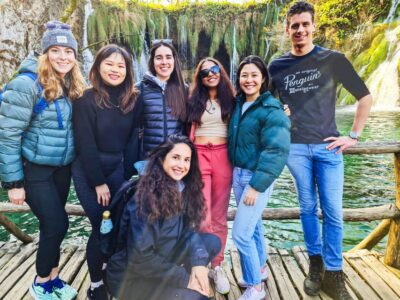
Plitvice & Rastoke Guided Day Trip with Ticket
Read our review →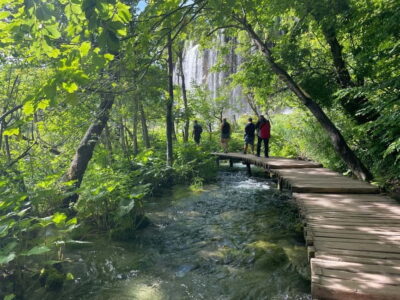
Rastoke & Plitvice Lakes Guided Tour with Ticket
Read our review →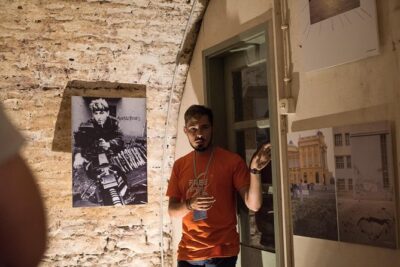

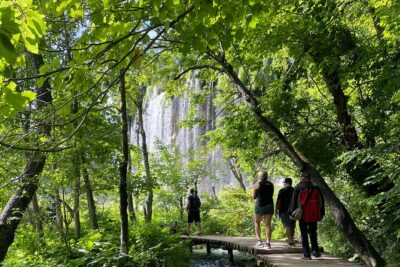
Plitvice Lakes with Ticket & Rastoke Guided Tour from Zagreb
Read our review →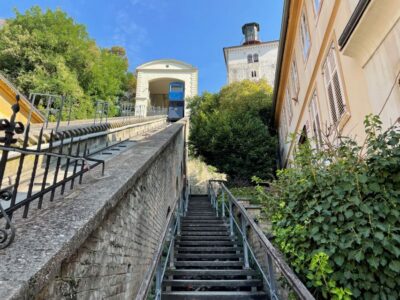
Small Group Walking Tour City Center and WW2 Tunnels
Read our review →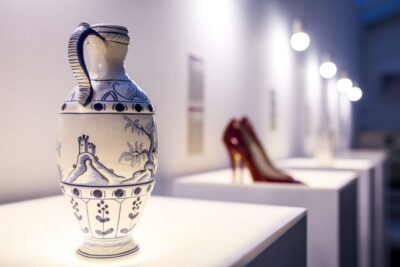
Skip-the-Ticket-Line Museum of Broken Relationships
Read our review →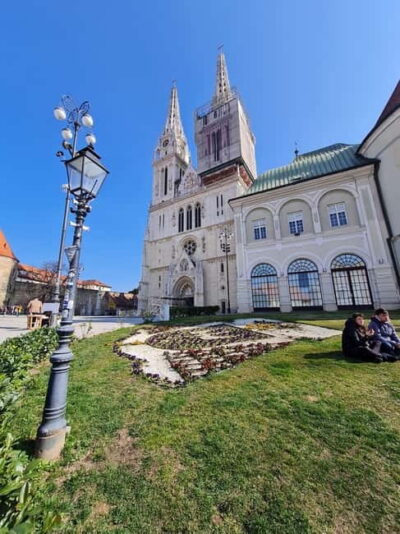
Browse the lists this tour appears in