
Reviewed · ZAGREB TOURS
Zagreb: Small Group Walking Tour City Center and WW2 Tunnels
Zagreb’s most unusual sight is underground: the Gric Tunnel, a long passage built during World War II and later used for public events. This 2.5-hour walk connects that tunnel with the city’s main squares, market, medieval Upper Town, and surviving Stone Gate, giving you a useful first look at Zagreb in one compact route.
I like the way the guides connect facts with daily life, from the Croatian capital’s medieval beginnings to the local habit of lingering over coffee. I also like the small-group format, which makes it easier to ask questions and hear personal stories from guides such as Petra, Maja, Tom, and Bernarda. The main drawback is that the route is not suitable for wheelchair users, and two advertised sights have limits: Dolac Market closes in the afternoon and the funicular is closed for renovation until March 2026.
Key points to know before booking
- Gric Tunnel adds an unusual wartime stop to a standard Zagreb city walk.
- Petra, Maja, Tom, and Bernarda have all led highly praised tours, with a mix of history, humor, and local advice.
- The route covers the main center sights, including Ban Jelačić Square, the Cathedral, Dolac Market, Gradec, St Mark’s Square, and Stone Gate.
- The tour costs $23 per person, a fair price for 2.5 hours with a licensed local guide.
- The meeting point is easy to find, beside the meteorological station in Zrinjevac Park.
- The route ends at the main square, making it simple to continue sightseeing, eat, or return to your hotel.
Why this Zagreb walk works well on a first visit
Zagreb is easy to walk around, but its story is not always obvious at street level. The city grew from two medieval settlements, Kaptol and Gradec, and the tour helps you see how those separate centers became one capital.
You begin in the formal lower city and gradually move toward the older Upper Town. Along the way, the guide explains how Zagreb got its name, points out important buildings, and adds modern details about how locals use public spaces.
That balance is the strongest feature of the experience. You are not simply given dates and architectural labels. Guides explain the local rhythm of coffee, the role of the market, popular restaurant choices, and the stories attached to old streets and monuments.
The small group matters here. Petra is praised for combining history, architecture, social habits, and anecdotes into a clear story. Maja is noted for explaining both Zagreb’s past and present, while Tom is praised for answering questions and offering food suggestions. Bernarda has also been singled out for personal stories about Zagreb, war, and different periods of Croatian rule.
You should still expect a walking tour rather than a museum visit. Most stops last around 10 to 20 minutes, and you will hear explanations outdoors. If the weather turns wet, the tour still operates, so bring suitable shoes and a rain jacket.
More walking tours in Zagreb:
- Zagreb: City and WWII Tunnels Walking Tour
★ 4.9 · 845 reviews - Walking tour of Zagreb
★ 5.0 · 383 reviews - Zagreb Small Group Guided Walking Tour with WW2 Tunnels
★ 5.0 · 380 reviews
Starting at Zrinjevac Park and Ban Jelačić Square
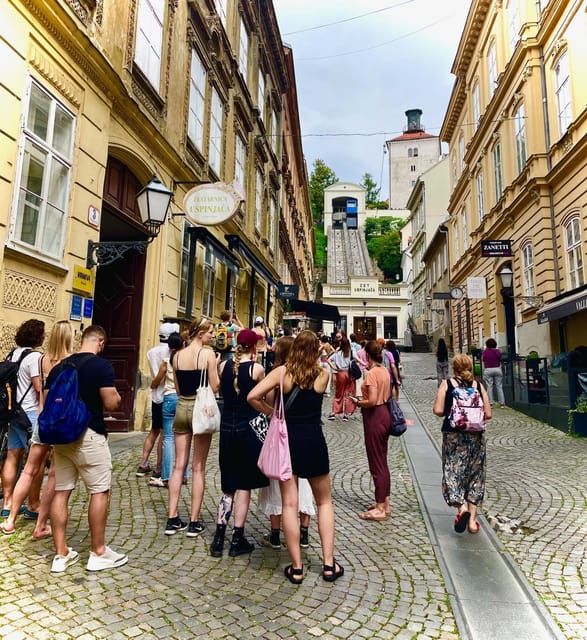
The meeting point is at Zrinjevac 2, beside the small meteorological station on the north side of Zrinjevac Park. Look for the display showing the temperature and barometric pressure. This is a more precise meeting point than simply being told to find the park.
Zrinjevac is one of Zagreb’s elegant green squares, lined with trees and formal paths. The guide uses the park as an introduction to the city center before leading you north toward the main square.
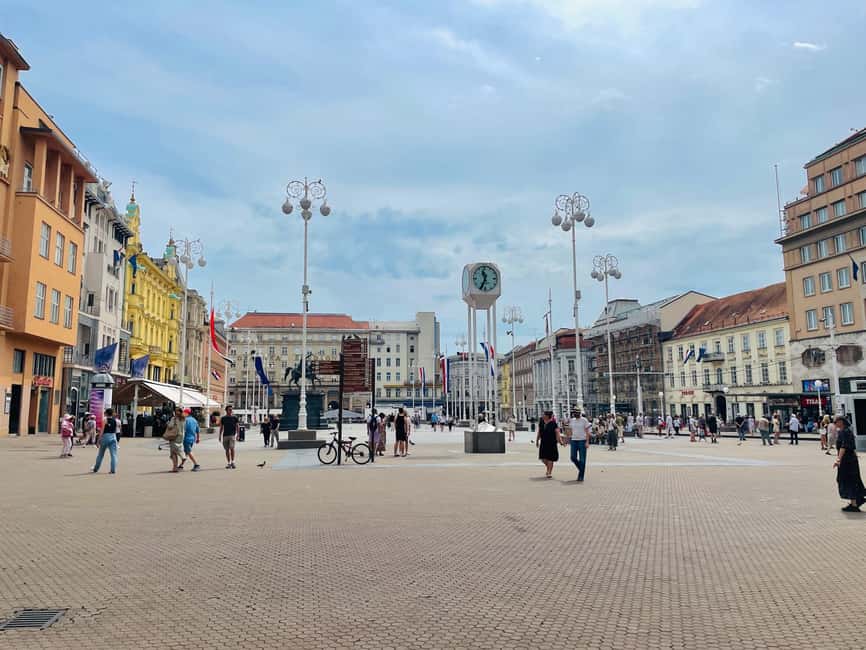
At Ban Josip Jelačić Square, you get the basic orientation you need. This is the heart of central Zagreb and a useful place to understand the city’s layout. The guide discusses how Zagreb developed and how its name came about, then sets up the contrast between the newer lower center and the medieval Upper Town.
The square is also the tour’s finishing point, so you will recognize it by the end. That is practical if you want to continue on your own, meet friends, or find a nearby café after the walk.
The Cathedral and Dolac Market
The Cathedral of the Assumption of the Blessed Virgin Mary is one of Zagreb’s key landmarks. The stop focuses not only on its religious importance, but also on its difficult past, the damage it has sustained, and the work involved in its renovation.
This is a good place to ask questions about Zagreb’s earthquakes, repairs, and changing appearance. The tour does not include a separate paid entry, so you should think of the Cathedral stop as an outdoor explanation and photo opportunity rather than a full interior visit.
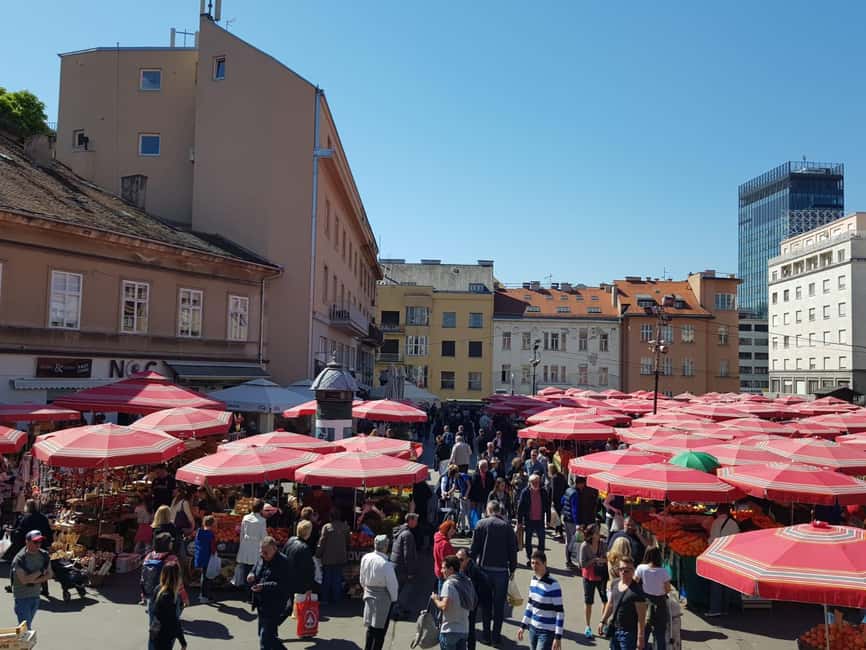
From there, the route continues to Dolac Market, often called the belly of Zagreb. Its red umbrellas and central location make it one of the city’s most recognizable everyday places.
The market is valuable because it shows Zagreb as a lived-in city, not just a collection of monuments. Your guide can explain how locals use the market and how it fits into ordinary routines. If you care about food, this is also a useful moment to ask for restaurant ideas. Tom’s recommendations included Ficlek and Stari, while Maja has offered advice on Croatian cooking and places such as Vinodol.
Timing matters. Dolac Market is closed in the afternoon and on public holidays. If the market is important to you, choose a morning departure and confirm the available start times before booking. Even when the stalls are closed, the location remains part of the route, but you will miss the market’s working atmosphere.
Tkalčićeva Street and Zagreb’s coffee culture
The walk then reaches Tkalčićeva Street, known locally as the bar street. It is lined with places to eat and drink, and there is usually a steady flow of people moving along it.
The useful part of this stop is the explanation of local habits. The guide talks about the Croatian philosophy of lounging, especially the pleasure of sitting over coffee rather than rushing through it. This small cultural detail helps explain why Zagreb’s cafés are such an important part of city life.
You will not stop for food or drinks as part of the tour. Those costs are not included, but the guide can point you toward places to return to later. I would treat this section as a neighborhood introduction and a chance to note down a café or restaurant for after the walk.
A few more Zagreb half-days to weigh up
- From Zagreb: Plitvice & Rastoke Guided Day Trip with Ticket
★ 4.9 · 2,955 reviews - Zagreb: Rastoke & Plitvice Lakes Guided Tour with Ticket
★ 4.9 · 1,897 reviews - Communism & Croatian Homeland War Tour
★ 5.0 · 1,355 reviews - Best of Zagreb with the WW2 Tunnels
★ 5.0 · 973 reviews
Inside the Gric Tunnel
The Gric Tunnel is the tour’s most distinctive stop. This passage was built during World War II and now serves at times as a public space for exhibitions, theatre, and other events.
The tunnel changes the pace of the tour. After several open-air squares and streets, you move underground and get a different sense of Zagreb’s wartime past. The guide explains the tunnel’s role and why it remains part of the city’s story.
Allow about 20 minutes for this stop. It is not a full military museum, and the experience depends on whether the passage is open for regular visits. If an exhibition, theatre show, or similar event is taking place, the tunnel may be closed and cannot be visited.
That possibility is worth taking seriously if the tunnel is your main reason for booking. The rest of the route still provides a full city tour, but the underground section is not guaranteed under every condition.
Climbing into Gradec and the Upper Town
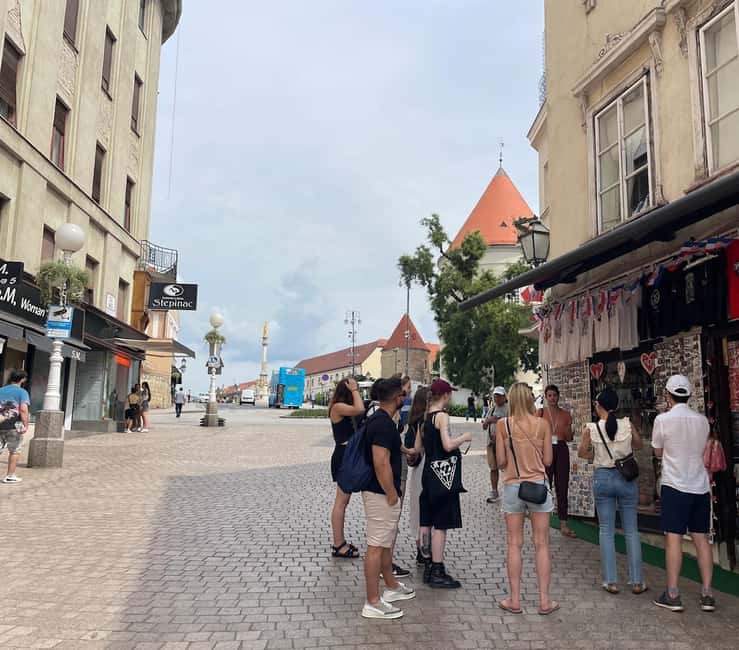
After the tunnel, you head toward Gradec, one of the two medieval settlements that formed Zagreb. The route rises into the Upper Town, where the streets feel older and the views open across the city rooftops.
The Strossmayer Promenade is one of the best points on the walk. It offers a broad view over Zagreb and gives you a chance to pause after the lower streets. The guide uses the route to explain the medieval city and point out important buildings from the outside.
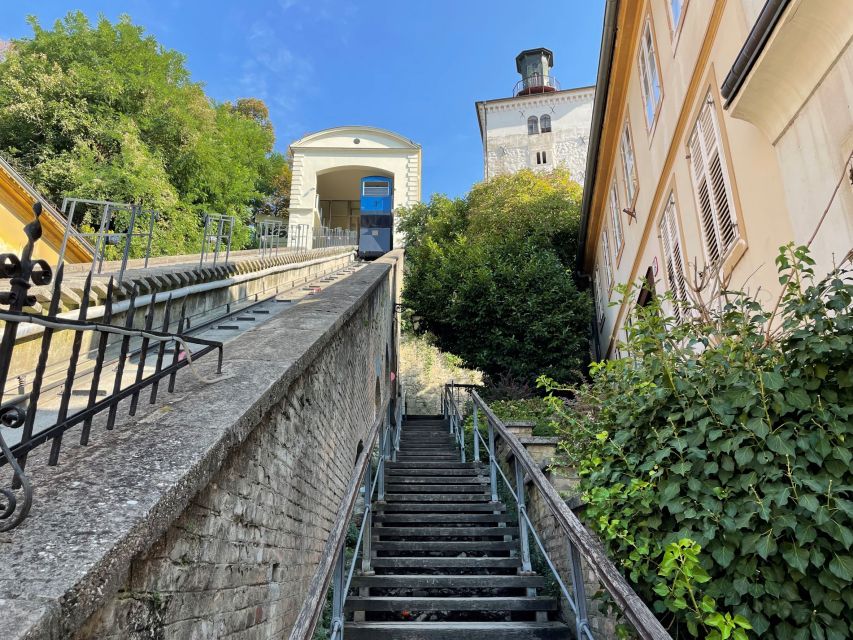
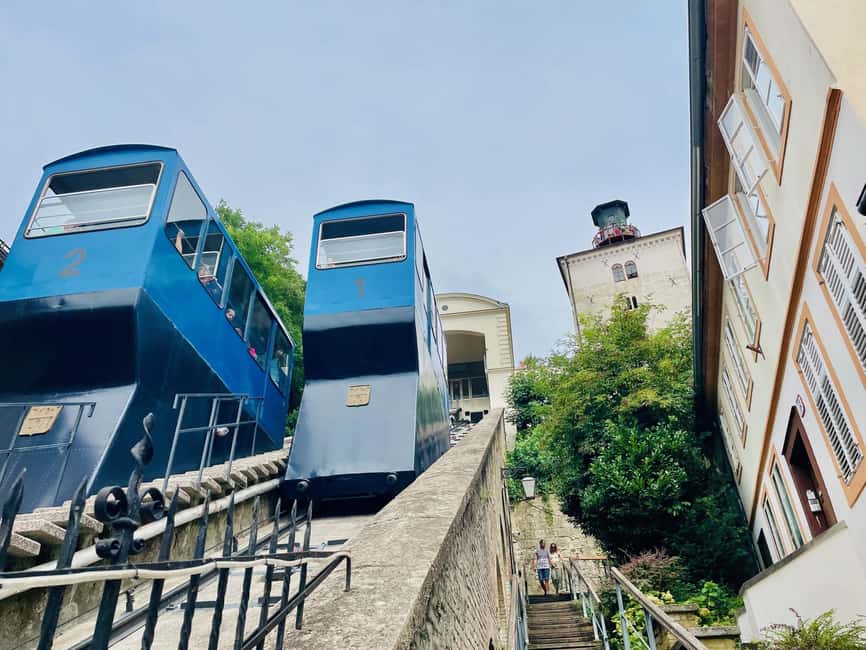
The famous funicular is nearby. It is more than a tourist novelty, since it has carried people up and down the hill for more than 135 years and is one of Zagreb’s oldest forms of public transportation. However, it is closed for renovation until March 2026.
Do not book this tour expecting a funicular ride during that closure. The route still passes the charming railway, but you will walk between the lower city and Upper Town instead. This may be a minor change for many people, but it matters if you have limited mobility or were hoping for the short ride described in older tour material.
Lotrščak Tower and St Mark’s Square
Lotrščak Tower is another Upper Town landmark. The guide spends about 20 minutes around the tower, explaining its place in Zagreb’s defenses and pointing out the surrounding views.
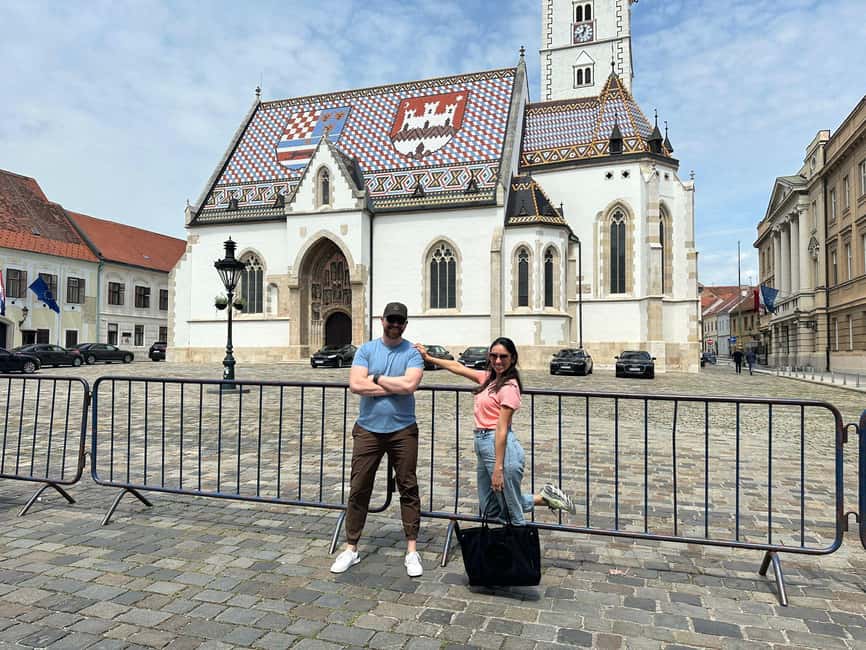
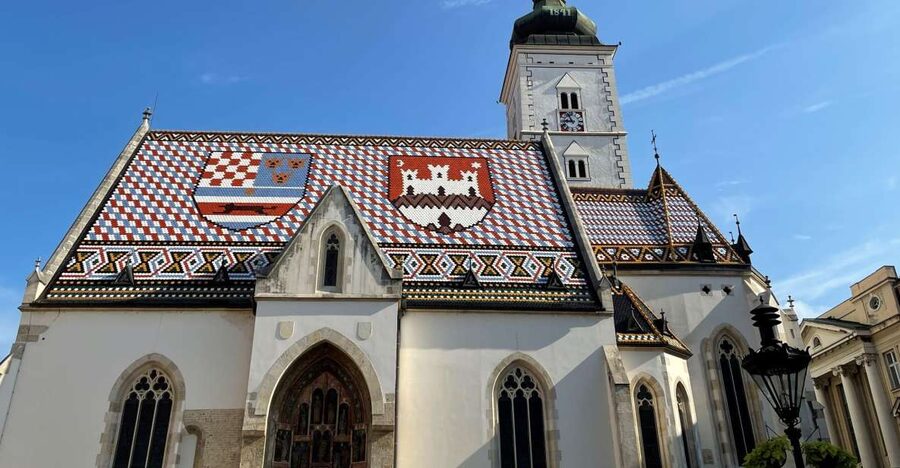
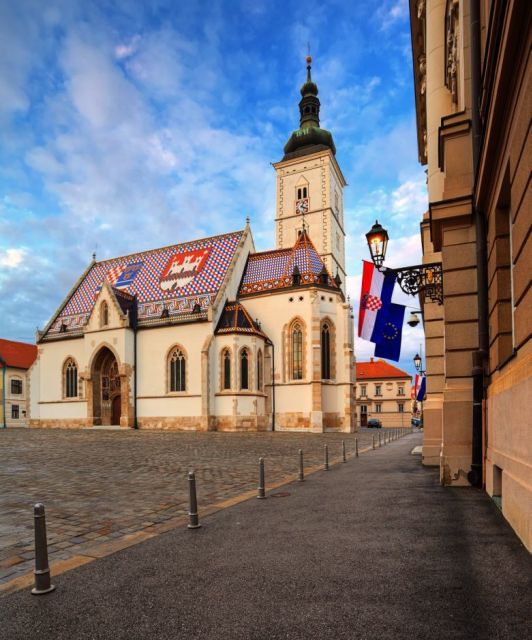
From there, you continue to St Mark’s Square, home to St Mark’s Church. The church is famous for its colorful tiled roof, which shows the coats of arms of Zagreb and Croatia. It is one of the city’s most photographed façades and a clear highlight for anyone interested in architecture.
The stop is primarily outside. Your guide provides context about the church and the square, then gives you time for photographs. Because the Upper Town contains several important sights close together, this part of the walk feels efficient without being rushed.
The nearby Museum of Broken Relationships is passed rather than visited. That distinction matters. You may see the museum exterior and hear where it is, but admission is not part of this tour. If you want to visit it, plan a separate stop after the walking tour.
The pharmacy, Stone Gate, and local legends
The route descends toward Zagreb’s oldest pharmacy, dating from the 14th century. This is a small but memorable detail, showing that the Upper Town was once a working medieval neighborhood rather than a stage set for sightseeing.
Next comes Stone Gate, the only surviving gate from the old city walls. Inside is a small chapel containing a miraculous image of Our Lady, regarded as the patron saint of Zagreb.
Stone Gate is both a historic structure and a place of active devotion. You may find people pausing quietly inside, so keep your voice low and treat the chapel with care. The stop is brief, about 10 minutes, but it gives the old town a personal and spiritual dimension.
The final part includes stories about witchcraft and some lesser-known corners of the city. These tales add humor and local color after the heavier sections on war, religion, and medieval defenses. The exact secret stop is not specified in advance, so think of it as an extra story or viewpoint rather than a fixed attraction you can plan around.
Guide style, group size, and the value of $23
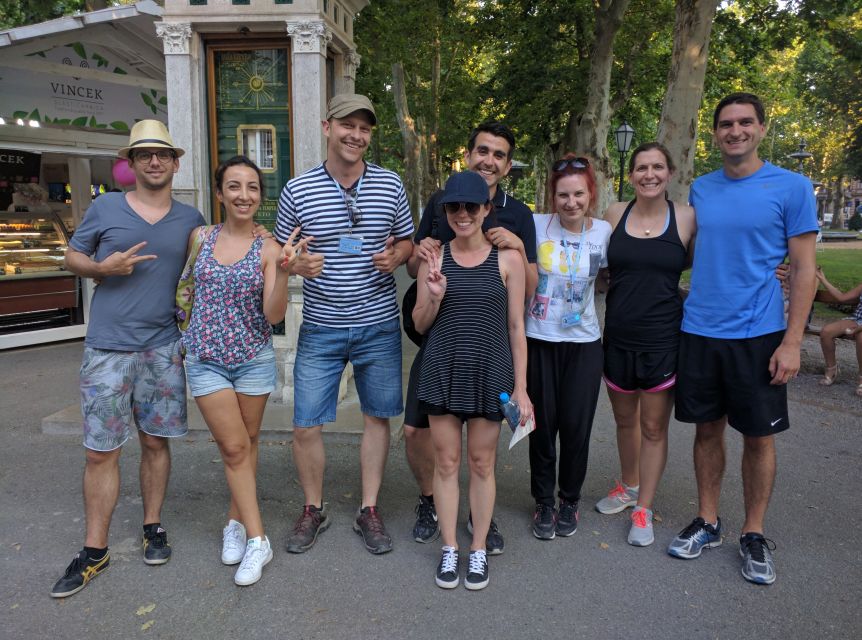
At $23 per person, this is a strong-value introduction to Zagreb. You get 2.5 hours with a licensed English-speaking local guide, and the route includes many of the city center’s key sights without separate transport costs.
The main value is interpretation. You could walk from Zrinjevac to the Upper Town on your own, but you would miss the connections between the Cathedral, market, medieval settlements, wartime tunnel, local customs, and legends.
The guide quality is important, and the named guides have different strengths. Petra is praised for storytelling, warmth, and detailed explanations. Maja is especially good for linking old history with modern Zagreb and offering restaurant suggestions. Tom is described as patient and fluent in English, with useful answers to questions. Bernarda is praised for personal knowledge of the city and stories tied to war and occupation.
That does not mean every tour will feel identical. The experience depends on the guide assigned to your departure and the size of the group. Still, the repeated praise for friendliness, clear English, patience, and personal recommendations suggests that the human side of the tour is a major part of its value.
The route is fairly full. You will cover lower-city squares, the Cathedral, market, Tkalčićeva Street, the tunnel, Gradec, Lotrščak Tower, St Mark’s Square, Stone Gate, and the main square again. Wear comfortable shoes, especially because the Upper Town includes inclines and older paving.
Who should book this Zagreb tour?
I would choose this tour if you have one day in Zagreb and want a clear introduction before exploring alone. It is also useful at the start of a longer stay because the guide can suggest restaurants, cafés, and places to revisit.
It suits history-minded visitors who want more than a monument checklist, especially those interested in medieval Zagreb, World War II, religion, and local customs. The small group also helps if you like asking questions or want advice tailored to your visit.
It is less suitable if you need step-free access, want a relaxed café-focused walk, or require guaranteed entry to the Gric Tunnel. The funicular closure also removes one small transport experience, though it does not cancel the rest of the route.
Book a morning departure if Dolac Market matters to you. Bring rain protection in uncertain weather, and allow extra time afterward for the Museum of Broken Relationships, food, or a second look at the Upper Town.
Should you book the City Center and WW2 Tunnels tour?
Yes, this is a sensible first Zagreb activity for $23, particularly if you have limited time. The combination of major sights, local stories, Gradec views, and the Gric Tunnel gives you a fuller picture than a basic central-city stroll.
Book it for the guide-led context and personal recommendations, not for a funicular ride or guaranteed tunnel access. If you accept those limits, the tour offers a well-paced, friendly way to get your bearings and decide what deserves more of your own time.
FAQ
How long does the Zagreb walking tour last?
The tour lasts 2.5 hours. Starting times vary, so you should check availability for the date you want.
Where does the tour start?
The meeting point is at Trg Nikola Šubić Zrinski 2, in Zrinjevac Park. Meet next to the meteorological station on the north side of the park, the small display showing temperature and barometric pressure.
Where does the tour finish?
The tour ends back at Ban Josip Jelačić Square, also written as Trg bana Josipa Jelačića.
Is the Gric Tunnel visit guaranteed?
No. The tunnel may be closed if an exhibition, theatre show, or similar event is taking place inside. If it is closed, the tunnel cannot be visited.
Can I ride the Zagreb funicular during this tour?
No. The funicular is closed for renovation until March 2026. The route still includes the Upper Town, but you should expect to walk rather than take the funicular.
Is the tour suitable for wheelchair users?
No. The activity is not suitable for wheelchair users.
Just added around Zagreb
- Toast to the Morning After: Zagreb Museum of Hangovers Visit★ 4.0 · 39 reviews
- From Split: Transfer to Zagreb with Stop at Plitvice Lakes★ 4.6 · 44 reviews
- Severin na Kupi: Canoeing and Kayaking on the Kupa River★ 4.6 · 22 reviews
- Rafting/Kayaking adventure river Kupa★ 4.4 · 21 reviews
- Private Walking Tour of Zagreb★ 4.9 · 5 reviews
- Plitvice Lakes National Park – 2hr Inspiration Buggy Tour★ 5.0 · 3 reviews
- Jump into Zagreb: Walking Tour with local guide★ 4.8 · 3 reviews
- From Zagreb: Varazdin Baroque Town & Trakoscan Castle★ 4.9 · 38 reviews
Zagreb Tours, compared.
Plitvice & Rastoke Guided Day Trip with Ticket
Read our review →
Rastoke & Plitvice Lakes Guided Tour with Ticket
Read our review →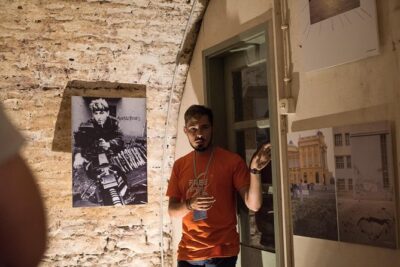

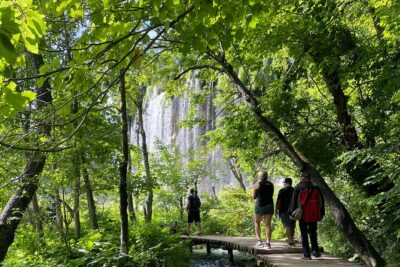
Plitvice Lakes with Ticket & Rastoke Guided Tour from Zagreb
Read our review →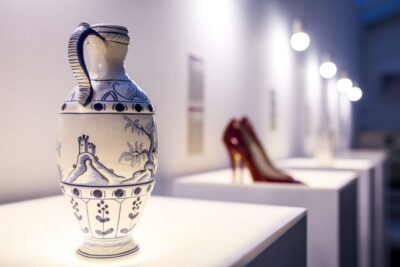
Skip-the-Ticket-Line Museum of Broken Relationships
Read our review →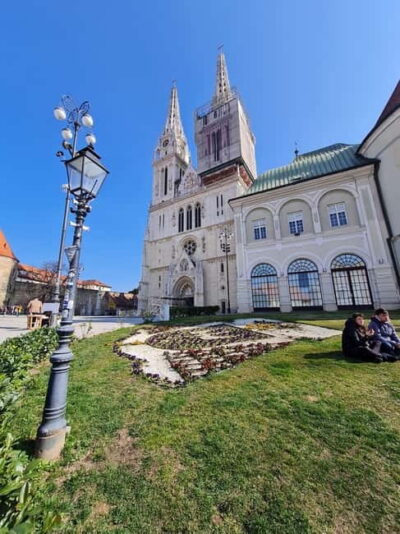
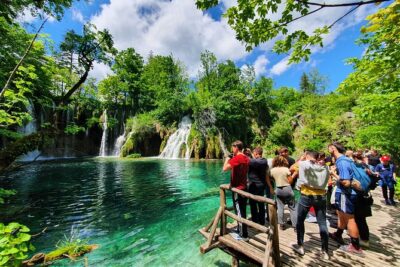
Plitvice and Rastoke day trip from Zagreb w/ticket (guar. dep.)
Read our review →Browse the lists this tour appears in