
Reviewed · PULA TOURS
Pula: Historic Walking Tour with Local Guide & City Views
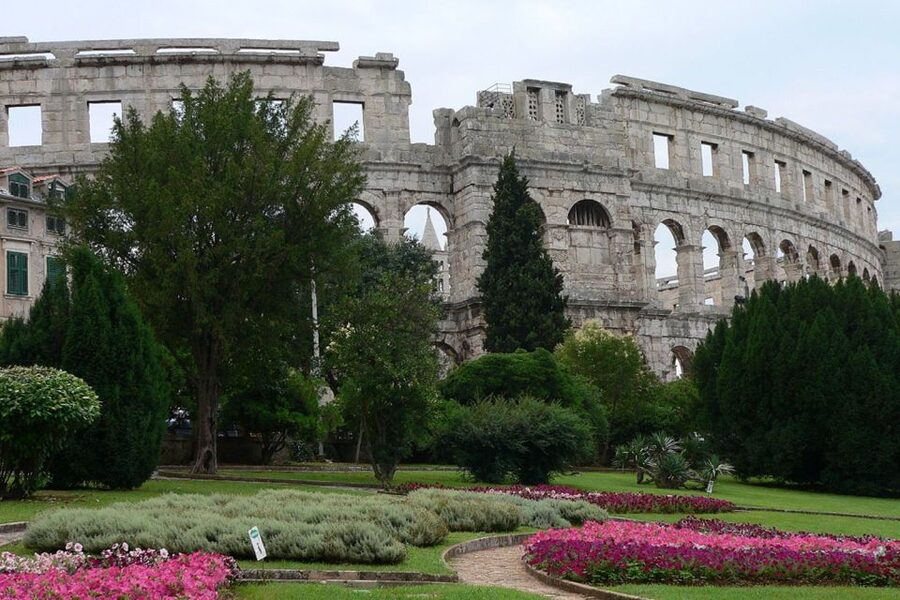
Pula’s Roman amphitheatre is the natural place to begin, but this tour quickly shows you that the city is more than one famous monument. Marina, a Pula-born licensed guide, connects the arena with old gates, the market, and the Forum, adding local stories that give the streets a human scale.
I like the tour’s focus on alternative facts and everyday life. I also like that Marina can shape the conversation around food, culture, nature, or local customs instead of giving you a fixed speech. The main consideration is time: 1.5 hours is enough for a sharp introduction, but not for long visits inside every sight.
- Start beneath the wooden roof at the amphitheatre entrance, a clear meeting point beside Pula’s main attraction.
- Hear why the arena had uses beyond gladiator contests, with context from a guide who grew up in the city.
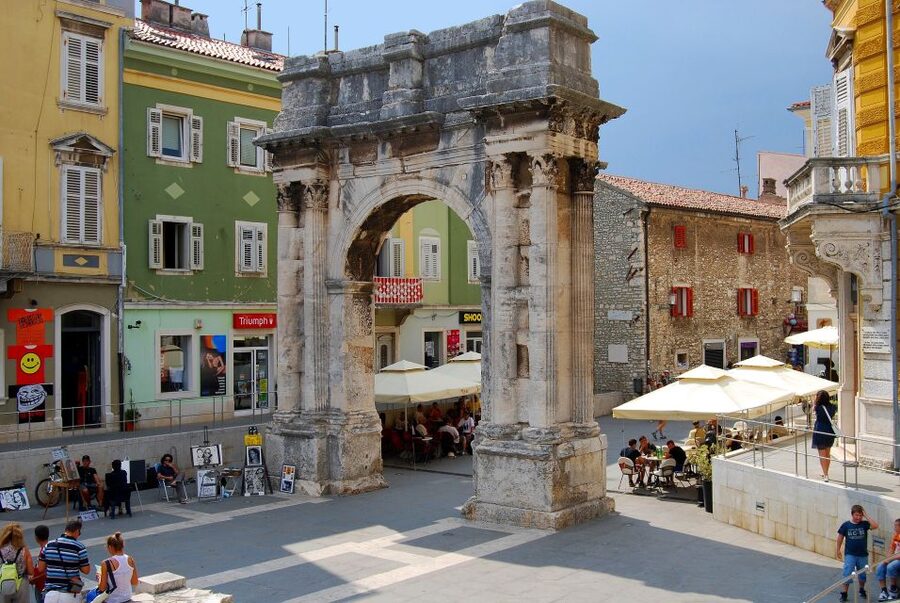
- See three surviving Roman gates, the Twin, Hercules, and Sergii gates.
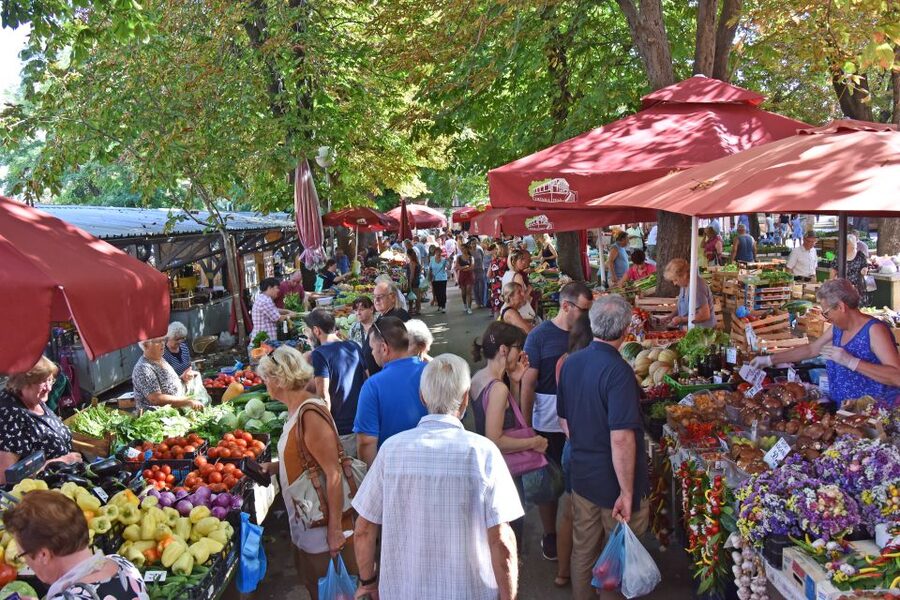
- Visit Pula’s farmer’s market, where Istrian produce and local food traditions enter the story.
- Finish at the Roman Forum, with the August Temple, Venetian city hall, and the regional flag’s goat explained.
- Tour in German with Marina, a licensed Istrian guide who has worked in the area for more than 18 years.
Starting at Pula’s Roman Amphitheatre
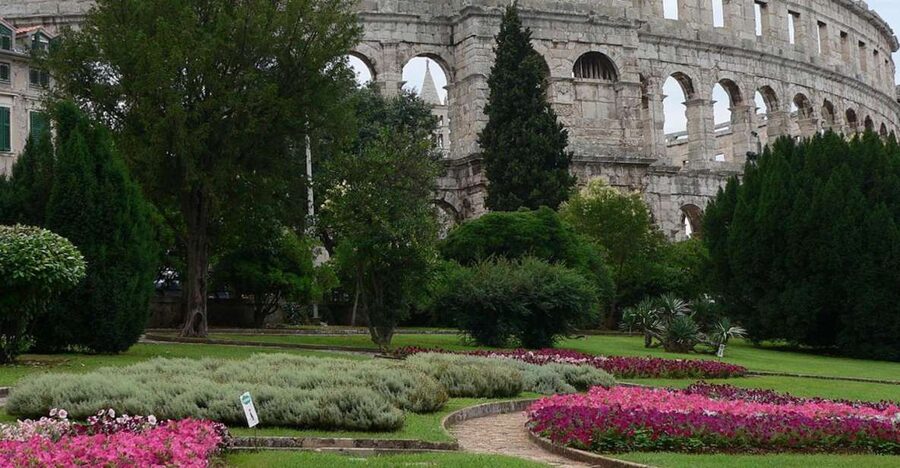
Meet Marina at the entrance to the Arena, under the wooden roof. This is a practical meeting point because the amphitheatre is easy to identify and one of the first sights most people seek in Pula.
The opening stop gives you a useful frame for the whole city. The amphitheatre is not presented only as a photo stop or a place connected with gladiator games. Marina explains what it was built for and how its role extended beyond the contests most people associate with Roman arenas.
That wider explanation matters. A large monument can feel oddly separate from the city around it if you only hear dates and construction facts. Here, the arena becomes the first clue to Pula’s long life as a place shaped by several cultures and periods.
You should expect to admire the exterior and learn about its purpose as part of the walk. Entrance fees are not included, so this experience is best for you if you want guided context without automatically adding a paid interior visit.
Three Roman Gates With Different Stories
From the amphitheatre, the route leads toward other old parts of Pula. The city still has three Roman gates: the Twin Gate, Hercules Gate, and Sergii Gate.
These are not just names on a map. Their preserved details give Marina something concrete to point out while she explains how the gates fit into the city’s past. You will see how Pula’s Roman remains appear within ordinary streets rather than sitting in one isolated archaeological park.
The Twin Gate and Hercules Gate help you read the older structure of the city. The Sergii Gate, also known as the Golden Gate, adds another important landmark to the walk. The supplied details specifically highlight the preserved features of all three, so pay attention to carved elements and the way each gate appears in its setting.
This part of the tour should suit you if you prefer history that unfolds while walking through real streets. You are not simply shown a monument and sent on. The route links one remnant to the next, making the city easier to understand in a short time.
One practical point: the tour covers several outdoor stops in 90 minutes. You will get explanations and orientation, but you should not expect a long, detailed examination of every stone or inscription.
More history-led days in Pula:
- Pula: Historic Sites Guided Walking Tour
★ 4.8 · 78 reviews - Olive Oil Guided Tasting and History in Pula
★ 4.5 · 34 reviews - Pula Roman Heritage Walking Tour
★ 5.0 · 12 reviews
Pula’s Farmer’s Market and Istrian Food
The farmer’s market is one of the most useful stops because it shifts the tour from ancient monuments to present-day Pula. Marina is a passionate cook and knows local cuisine well, so food is not an afterthought here.
The market is where locals buy and sell products from Istrian soil. That gives you a chance to connect the region’s food with the people who live there now. The supplied information does not promise tastings or purchases, so think of this as a guided look at local food culture rather than a food tour.
I like this change of pace. After Roman gates and old stone, the market gives you a more ordinary view of the city. It also creates room for practical conversation about local life, cooking, and regional products.
If food matters to your trip, this stop can help you decide what to seek later. Marina can talk about local cuisine, and you can use the conversation to ask for ideas that match your interests. The experience is personalized, so food can take a larger role if that is what you want to discuss.
The market also reminds you that Pula is not only a historic backdrop. It is a working city, and the walk makes room for both its ancient remains and its current routines.
The Forum, August Temple, and Venetian City Hall
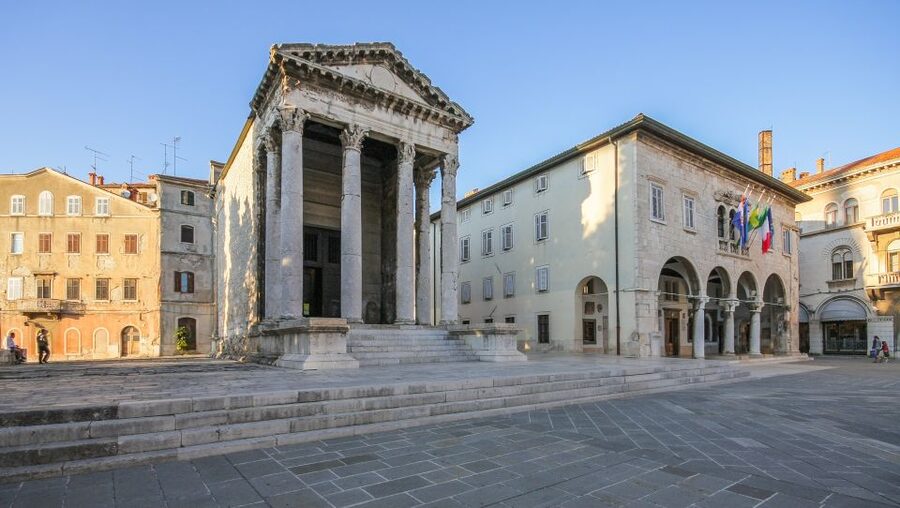
The route continues to Forum Square, the Roman heart of Pula. In Roman times, the Forum served as a central place for civic and commercial life. Marina compares it with the modern farmer’s market, while also explaining its broader role in the city.
Here you will see the remains of the August Temple. The square also gives you a view of the Venetian city hall, a later layer in Pula’s long story. This is one of the tour’s best examples of how different powers and cultures left their mark in the same compact center.
The regional flag’s goat gets its own explanation too. That detail may sound small, but it is exactly the kind of local question that can make a short city walk memorable. Instead of only covering major monuments, Marina uses a symbol on the flag to open a door into regional identity.
I find that approach useful because it gives you details to notice after the tour ends. You may pass the city hall again later and remember why the goat matters, rather than seeing it as just another building in a square.
The Forum is also the point where the walk’s main themes come together: Roman public life, later Venetian rule, local food, and the way Pula’s identity has developed over time.
What Makes Marina’s Guiding Style Different
Marina has worked as a licensed guide in Istria for more than 18 years and specializes in German-language tours. She was born in Pula, speaks very good German, and brings personal experience of the city into the guiding.
That local connection is important, but the bigger benefit is flexibility. You can focus the conversation on local lifestyle, culture, nature, or food. The tour is described as individualized, so you are not locked into a single narrow subject.
Two German-language ratings describe the walk as entertaining and full of information about the city and its people. Another says the explanations gave the participant a completely different view of Pula. Those comments point to the tour’s strongest quality: it aims to make the city feel understandable, not merely old.
You should still keep your expectations sensible. A 1.5-hour tour cannot cover every period of Pula’s past, and it is not a substitute for spending several hours inside the amphitheatre or visiting every museum. Its value comes from connections, orientation, and conversation.
The German-only format is also a clear factor in your decision. If you want an English tour, this is not the right choice based on the information provided. If German is your preferred language, Marina’s long experience and local background are central reasons to book.
More walking tours in Pula:
- Pula walking tour
★ 5.0 · 96 reviews - Pula Essentials Walking Tour
★ 4.8 · 64 reviews - Pula Essentials Walking Tour
★ 5.0 · 62 reviews - Pula Food Walking Tour
★ 4.5 · 22 reviews
A Good Value at $28
At $28 per person, the tour offers a relatively low-cost way to get your bearings in Pula with a licensed local guide. You are paying for 90 minutes of guiding across several important areas, not for admission to the amphitheatre or other paid sights.
That distinction helps you judge the price fairly. If you want someone to explain what you are seeing, link Roman and Venetian remains, and answer questions about food and local life, the fee is sensible. If you only want to photograph the arena and walk the streets on your own, you can see many of the exterior sights without booking a tour.
The best value comes when you take advantage of the personalized format. Ask about the market, regional food, the flag, or daily life in Pula. A fixed group lecture gives you less control, while this tour invites you to guide part of the conversation.
The 4.8 rating from 143 ratings suggests a consistently strong experience, with particular praise for the entertaining delivery and fresh perspective on the city. That does not change the practical limits: the tour is short, admission is extra, and the language is German.
Timing, Access, and Meeting Details
The walking tour lasts 1.5 hours. Starting times vary, so check availability for the day you want. The tour begins at the Arena entrance, under the wooden roof, and finishes back at the same meeting point.
Returning to the start is useful if you have left luggage, parked nearby, or want to continue with the amphitheatre after the guided walk. It also makes the activity easy to fit into a day of sightseeing because you do not need to arrange a separate ride back.
The activity is listed as wheelchair accessible. Since the experience takes place on city streets and at outdoor historic sites, you should still consider your own mobility needs and ask the provider about any particular concern before booking.
Cancellation is free up to 24 hours before the tour for a full refund. You can also reserve now and pay later, which helps if you are planning a changing Croatia trip.
Who Should Book This Pula Walk
I would choose this tour for a first visit to Pula, especially if you want the city explained in German. It works well for couples, families, and independent visitors who prefer a personal conversation to a large, formal group presentation.
It is also a good match if you like to mix major sights with ordinary local life. The amphitheatre and Roman gates give you the big landmarks, while the market and food conversation keep the experience connected to present-day Istria.
You may want a different option if you need an English-language tour, want extensive indoor sightseeing, or prefer a longer archaeological visit. Entrance fees are not included, and the short duration means the focus is on interpretation and orientation.
For food-minded visitors, the market stop adds extra value. For history-minded visitors, the combination of the arena, three Roman gates, Forum, August Temple, and Venetian city hall gives you a strong overview in a compact route.
Should You Book Marina’s Tour?
Book it if you want a short, personal introduction to Pula with a German-speaking guide who was born in the city. Marina’s local background, long guiding career, food interests, and flexible subject matter make the walk more than a list of dates.
The tour is especially useful early in your stay. After 90 minutes, you should have a clearer sense of where Pula’s main old sights are and which subjects you want to explore on your own.
Skip it if you want included admissions, a long interior visit, or a tour in a language other than German. For everyone else, $28 is a fair price for a focused walk that connects Pula’s Roman remains with its market, local identity, and later Venetian layer.
FAQ
Where does the Pula walking tour begin?
The tour begins at the entrance to Pula’s Arena, under the wooden roof.
Where does the tour finish?
The activity ends back at the meeting point at the amphitheatre.
How long does the tour last?
The walking tour lasts 1.5 hours. Available starting times depend on the date you select.
What language is the tour conducted in?
The live tour is conducted in German, and Marina specializes in German-speaking visitors.
Are entrance fees included?
No. The $28 price includes the 1.5-hour walking tour with the local guide, but entrance fees are not included.
Is the tour wheelchair accessible?
Yes. The activity is listed as wheelchair accessible.
Just added around Pula
- Kamenjak Nature Park: Kayak Tour with Snorkeling & Cave Exploring★ 5.0 · 15 reviews
- Dolphin & Sunset tour with Brijuni panorama★ 5.0 · 119 reviews
- Transfer Pula – Poreč★ 5.0 · 5 reviews
- Clear Kayak Glow Night Tour★ 5.0 · 69 reviews
- Pula / Pješčana Uvala: Sunset SUP Tour – Explore & Chill★ 5.0 · 16 reviews
- Kayaking to Island Saint Jerolim with snorkeling activitie★ 4.5 · 26 reviews
- 1.5-hour Clear Kayak Rentals: Explore Verudela Cave & Islands★ 5.0 · 39 reviews
- Scuba Diving for Beginners in Pula★ 5.0 · 29 reviews
Pula Tours, compared.
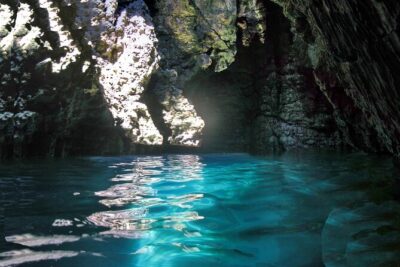
Kamenjak 5h boat trip with lunch & drinks on Sandra Boat
Read our review →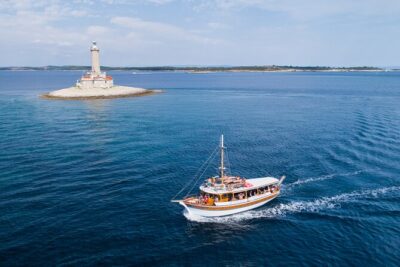
Full-Day Boat Tour of the Medulin Archipelago from Medulin
Read our review →
3hours all inclusive Sunset&Dolphin Tour from Medulin on Sandra
Read our review →
Dolphin Watching & Sunset Boat Tour With Dinner and Drinks
Read our review →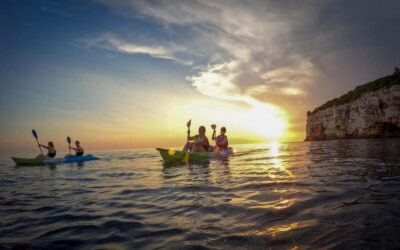
Kayaking,Snorkeling, Cliff jumping Tour with Wetsuit
Read our review →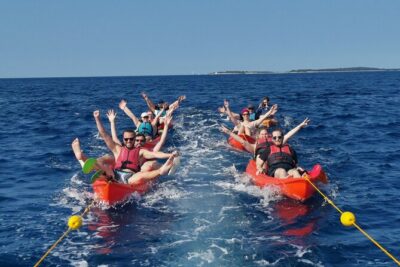
BOAT & KAYAK! Sea Adventure – Snorkeling & Cliff Jumps
Read our review →
National Park Brijuni Island Visit & Dolphin Cruise
Read our review →Browse the lists this tour appears in