
Reviewed · SPLIT TOURS
Experience Split History Walking Tour With Local Historian
Split’s old center is not a museum sealed behind glass. It is a living Roman palace, filled with homes, shops, cafés, churches, laundry, and daily life. This two-hour walk with local historian Boris helps you read that layered city, from the Golden Gate and Gregory of Nin to Peristil, the cellars, Riva, and Split’s medieval squares.
I like the small group of no more than 12 people, which gives you a fair chance to ask questions. I also like the use of 3D reconstruction images, since a few worn columns and broken walls make much more sense when you can see the palace as it once looked. The main drawback is the pace: two hours is enough for orientation, not a full visit inside every major site.
Key points
- Enter through the Golden Gate: Start where Roman visitors entered the palace and learn why this northern gate mattered.
- See Split as a living monument: Peristil, the cellars, narrow streets, homes, and cafés all share the same Roman framework.
- Follow Split across centuries: The route connects Roman, medieval, and modern life through Fruit Square, People’s Square, and Riva.
- Use images to fill the gaps: 3D reconstructions and pictures show how missing or altered parts of the palace may have appeared.
- Hear local stories as well as dates: Expect legends, everyday customs, Croatian culture, and practical suggestions for the rest of your stay.
- Plan for uneven walking: Comfortable shoes, water, and a hat are sensible, and the tour is not suitable for wheelchair users or people with mobility impairments.
Start at Split’s Golden Gate
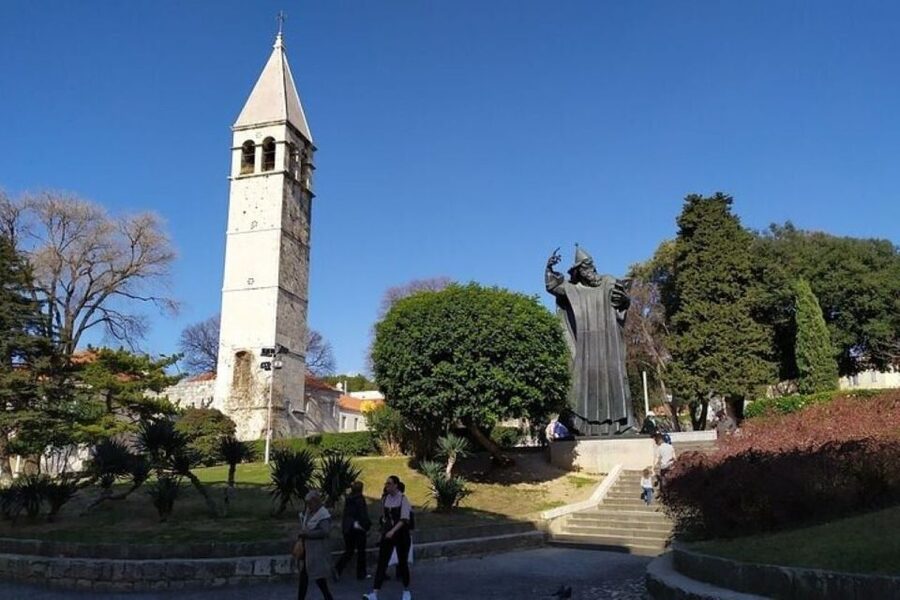
Meet at the Golden Gate, the northern entrance to Diocletian’s Palace. It is easy to identify because it faces the eight-meter statue of Gregory of Nin, one of Split’s best-known public monuments.
This is a useful meeting point, not just a convenient one. Boris begins with Split and Croatia in broad strokes, then explains the name, purpose, and role of the gate. You do not simply walk into the palace as if entering an old quarter. You enter through the same major approach once used by the emperor and empress.
The gate also sets the tone for the tour. Split’s old center is not a tidy collection of separate attractions. Roads, walls, courtyards, churches, and modern businesses fit into a plan created for Roman imperial life. Once you understand that layout, the rest of the walk becomes easier to follow.
Right outside, Gregory of Nin provides a first glimpse of the city’s later identity. The statue is a popular meeting point and a familiar symbol of Split. Boris explains who Gregory was and why the monument matters, adding a local point of reference before the tour moves into the Roman core.
More history-led days in Split:
- Walking Tour of Split with a ‘Magister’ of History
★ 5.0 · 1,122 reviews - Split Walking Tour with Professor of History
★ 5.0 · 926 reviews - Split: History and Heritage Walking Tour
★ 4.9 · 650 reviews
Read Diocletian’s Palace as a city
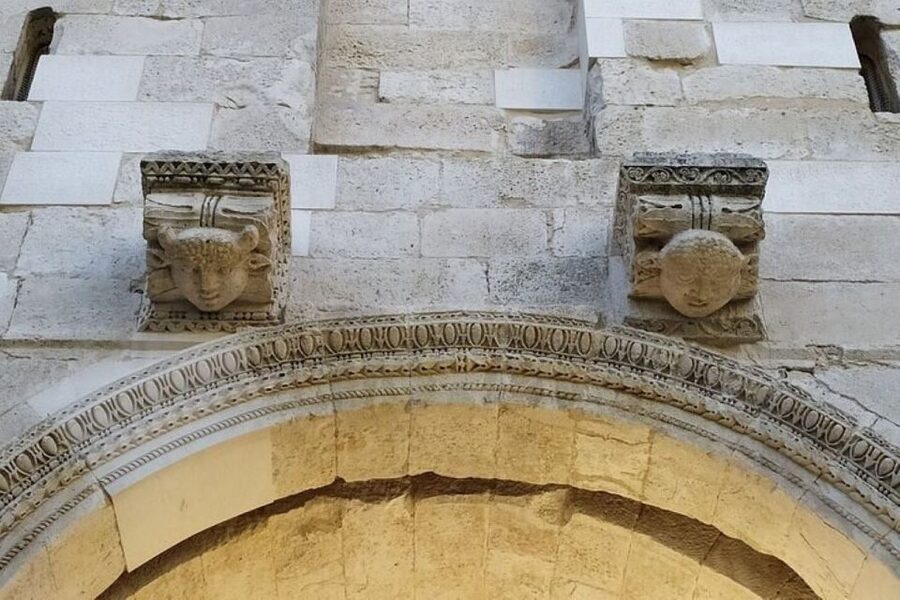
Diocletian’s Palace is the main subject, but calling it only a palace can mislead you. It was a large fortified residence and imperial complex, built for the Roman emperor Diocletian’s retirement. Over time, people adapted its halls, walls, and passageways for new uses.
That change is one of the most useful ideas on the walk. You learn about Diocletian’s life in and beyond the palace, but you also see how later residents changed the site. Roman spaces became part of a medieval town and then part of modern Split. The history is not presented as a finished chapter. It remains visible in the way people use the center today.
The tour includes stories, legends, architecture, and daily topics. That mix helps if you enjoy history but do not want two solid hours of dates and emperors. Boris also uses a display book with 3D reconstruction images and pictures. These visual aids matter most at places where only fragments remain or where later building has altered the original form.
You should keep your expectations clear. This is an orientation walk, not a slow archaeological study. Several stops receive only a few minutes, and the route covers a lot of ground. You will get the main structure and a set of clues for exploring more on your own afterward.
Peristil reveals the palace’s imperial center
Peristil, the palace’s main square, receives about 15 minutes. Give this stop your attention. It is one of the places where the scale and purpose of the complex become easiest to grasp.
The square is surrounded by monumental Roman architecture, and the guide explains its role in relation to the emperor and the palace. You can look at the space as a formal setting for imperial power, but you can also notice how Split uses it now. That overlap between ceremony, worship, commerce, and ordinary movement is central to understanding the old center.
Boris’s 3D pictures are particularly useful here. They help you compare the surviving stonework with the original plan instead of trying to reconstruct the whole site from imagination. I find this kind of visual explanation more useful than a long list of architectural labels.
The main limitation is crowding and activity in the square. The tour is designed to explain the place, not give you an empty, private view of it. If you want photographs without people, return at a quieter time after the walk.
Jupiter’s Temple and the Cathedral show changing beliefs
Jupiter’s Temple is a short but important stop. It offers a clear look at the religious side of the Roman complex and gives Boris a chance to explain the beliefs tied to the palace and its ruler.
The nearby Cathedral of Saint Domnius adds another layer. The building occupies the former mausoleum of Diocletian, so the stop links imperial burial, Christian worship, and later Split. You see how an ancient structure can receive a new purpose without losing all signs of its first one.
The cathedral portion is listed as a guided sightseeing stop rather than a separate full admission visit. That distinction matters. You should expect an explanation of the building and its setting, not a long interior tour with time to inspect every detail.
This part of the route is valuable because it makes the city’s timeline physical. Roman power, Roman religion, Christian practice, and modern tourism are all concentrated within a short walk. A guide can point out that connection much faster than a first-time visitor working from a map.
More walking tours in Split:
- Split: Old Town and Diocletian Palace Walking Tour
★ 4.9 · 4,727 reviews - Walking Tour of Split and Diocletian’s Palace
★ 5.0 · 2,588 reviews - Krka Waterfalls tour with Trogir Walking tour and Krka panoramic boat cruise
★ 5.0 · 1,659 reviews - Split & Diocletian’s Palace Walking Tour
★ 5.0 · 1,125 reviews
Vestibule and the palace’s less obvious spaces
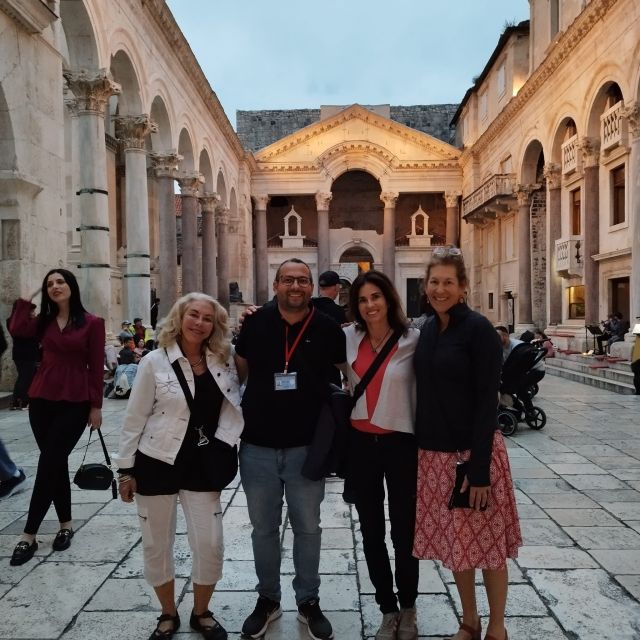
The Vestibule, a former entrance area tied to the imperial apartments, gets about ten minutes. Its form helps you understand how the palace shifted from a private imperial residence to an urban quarter.
The itinerary also includes a secret stop and another brief tucked-away sight. The exact details may depend on the guide’s route and the conditions on the day, but the point is clear: not every worthwhile feature sits on the main square. Boris draws attention to narrow passages, unusual architecture, and small pieces of the old city that are easy to miss when you walk alone.
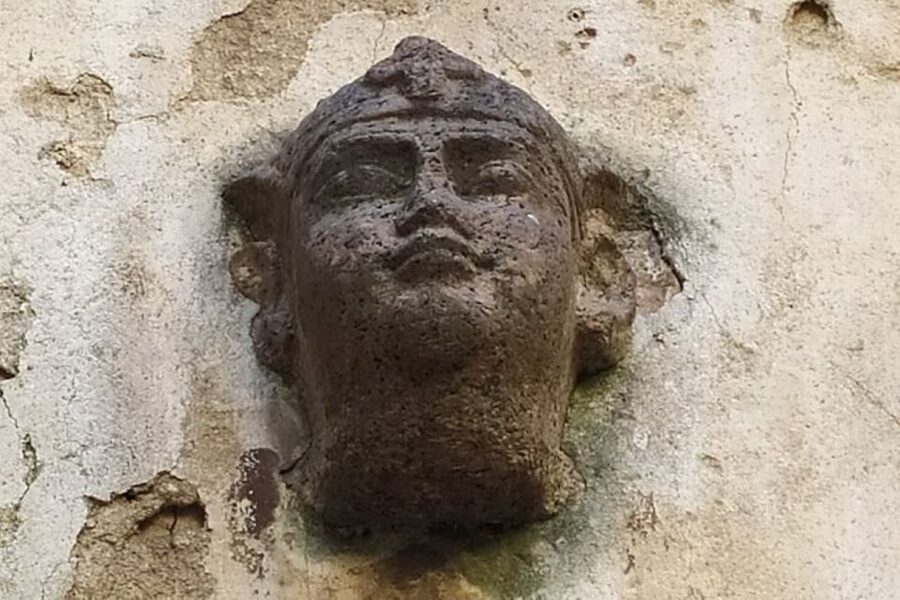
You will hear about the narrowest church and narrowest street, a lost sphinx head, and a secret garden. These details add curiosity without turning the walk into a treasure hunt. They also show how much of Split’s character comes from small spaces rather than grand monuments.
Do not expect each of these places to be a major photo stop. One hidden feature receives only a couple of minutes. Their value is in learning where to look and understanding why a seemingly minor corner matters.
The cellars explain the palace’s original plan
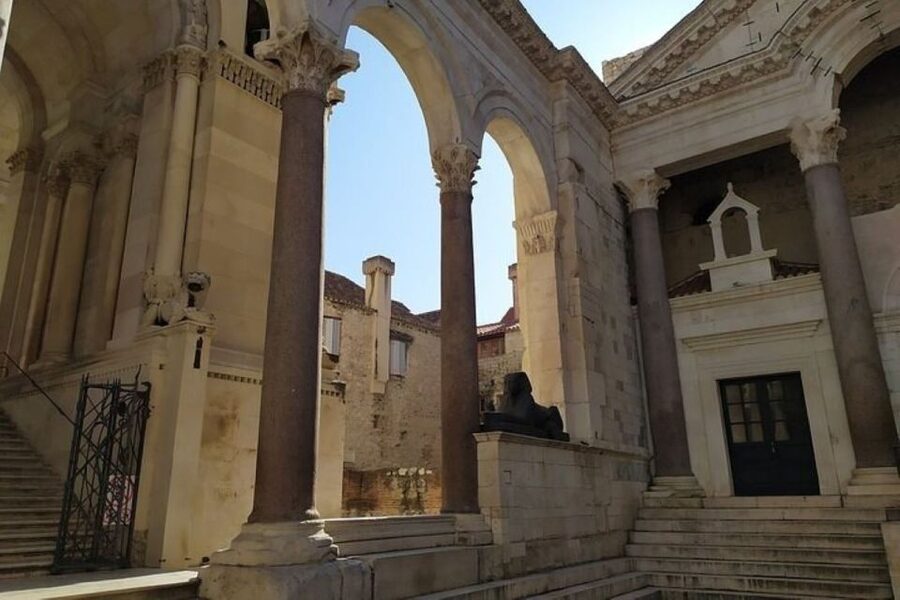
The Central Substructures, often called Diocletian’s Cellars, receive about ten minutes. These underground rooms are among the best places to understand the shape of the palace above.
The substructures supported the imperial apartments and preserved the original plan in a way that later changes above ground sometimes obscure. Boris uses the space to explain construction, purpose, and the long process by which the palace became part of the town.
The tour includes a visit and guided explanation, while the information provided also notes that you may want to return for a more detailed look. That is good advice. Ten minutes gives you a strong introduction, but anyone interested in archaeology will need extra time beyond the walk.
The cellars also help you make sense of the streets overhead. After seeing the lower structure, walls and corridors in the upper city no longer seem random. I would pay close attention here, even if underground spaces are not usually your main interest.
Riva connects Roman walls with local life
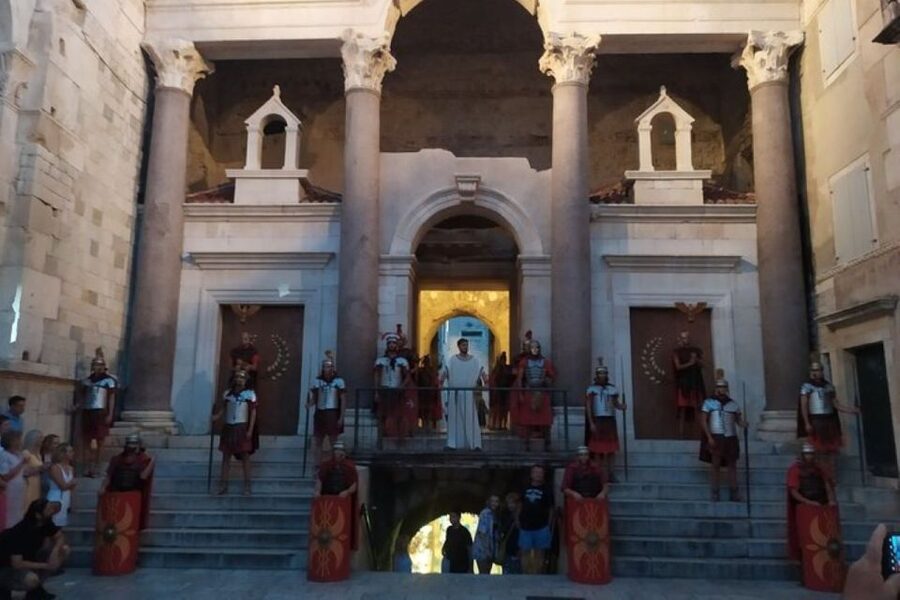
The route then reaches Riva, Split’s waterfront promenade. This is a short stop, but it changes the feel of the walk. After the enclosed palace streets, the open promenade shows how the old core meets the present-day city.
Boris explains the connection between Roman and medieval Split and introduces the pomalo way of life. The word suggests taking things at an unhurried pace, and here it is treated as part of local life rather than a slogan for visitors. You get a little guidance on how to observe Split beyond its monuments.
This is also where the tour’s See, Hear and Feel approach makes practical sense. You are not only looking at old stones. You are hearing how the city works and noticing how people use its central spaces. That local context can help you avoid treating Split as a backdrop for photographs.
The stop is brief, so do not count on a long waterfront break. If you want time for a drink or a slow walk along Riva, plan to return after the tour. Food and drinks are not included.
Fruit Square and People’s Square add medieval Split
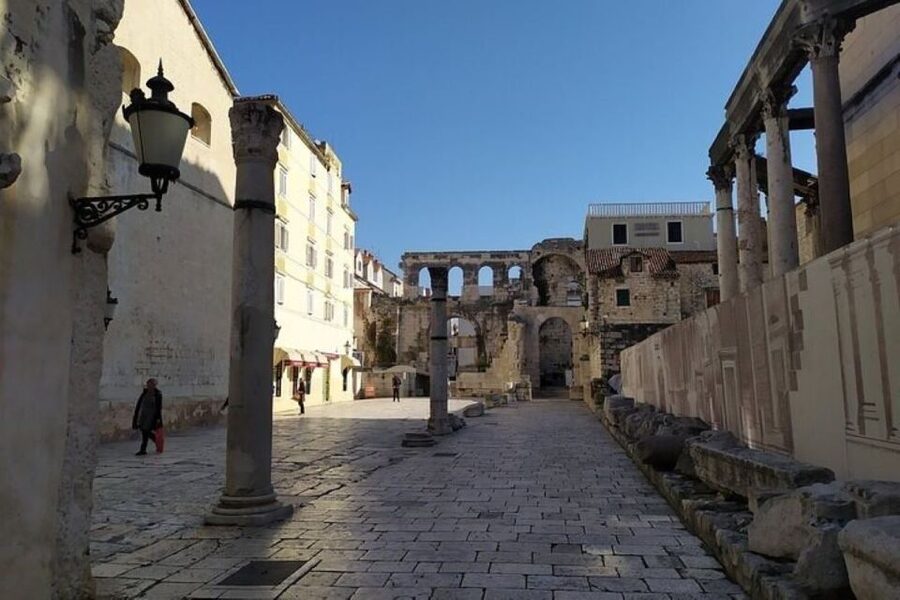
Fruit Square, or Voćni trg, and People’s Square, or Narodni trg, take the tour beyond the Roman period. Both squares reveal how Split grew and changed after the palace ceased to be only an imperial residence.
Fruit Square is known for its old urban setting and the traces of later architecture around it. People’s Square provides another view of civic life and the city’s changing public spaces. Boris discusses architecture, events, and the stories attached to both squares, giving you a better sense of Split’s medieval and modern identity.
This section is especially useful if you are tempted to spend all your time inside the palace walls. Split’s story did not stop with Diocletian. The later squares show a town shaped by many periods, with Roman foundations still underfoot but different needs above them.
The tour finishes at Narodni trg. That ending works well for independent exploring. You are already in the central old town, with the palace, Riva, and nearby squares within easy reach. Boris can also point you toward places worth revisiting, including food stops and sites that deserve more time.
What Boris adds to the walk
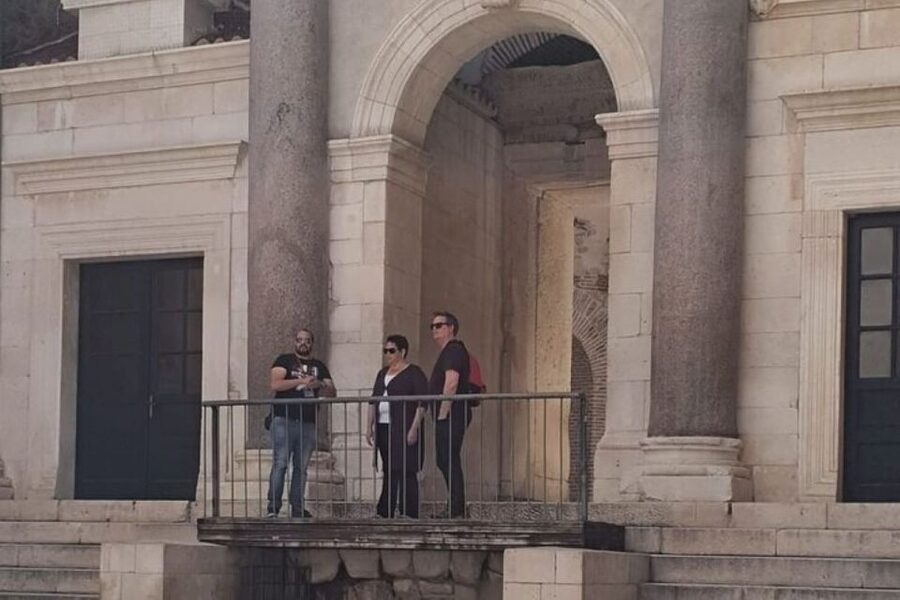
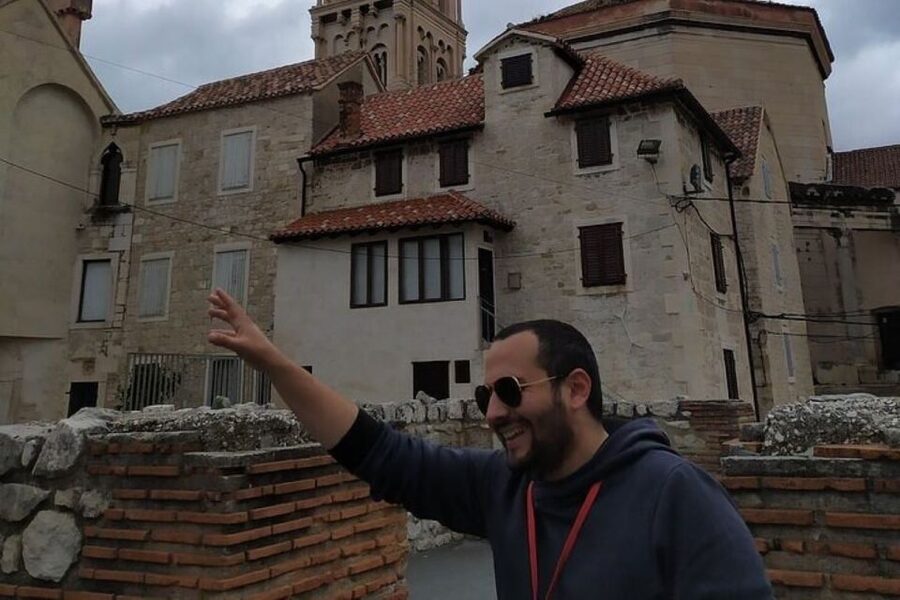
The guide is a local professional with a master’s degree in history, and Boris leads the experience in English or Croatian. His role is not limited to reciting facts. He explains how the palace was built, why it changed, and how Croatian people adapted it over the centuries.
That approach received the strongest praise from the people who booked the tour. Boris is described as kind, open to questions, and generous with information about Croatian culture, religion, and Split’s sense of community. I would take that as a useful sign for anyone who prefers conversation to a fixed lecture.
He also gives practical advice for the rest of your visit. Suggestions have included the palace substructure, the cathedral and mausoleum, and a good ice cream stop. Those recommendations can make the $37 price more useful because you leave with a plan, not just a set of facts.
The group limit matters here. With no more than 12 participants, the guide can answer questions more easily than on a large coach-style walk. One recorded group had only five people, which made the experience feel close to private. That smaller setting is a real advantage if you want to ask about religion, local customs, or architectural details.
Is two hours enough for Split?
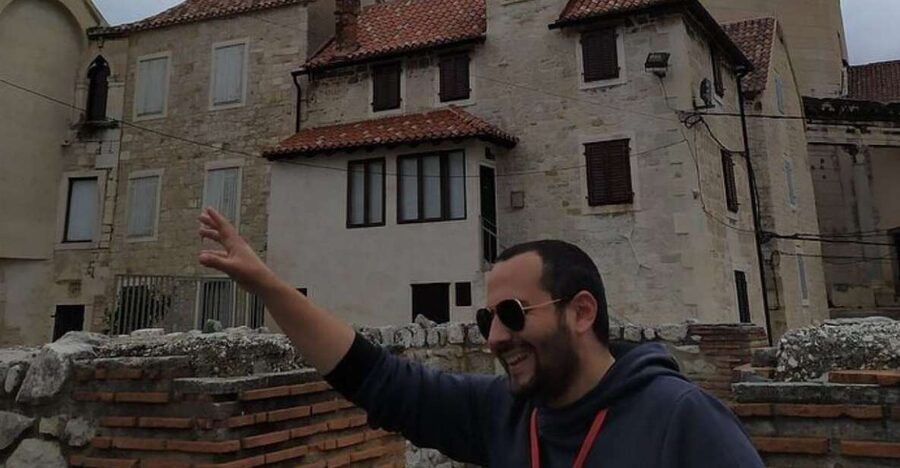
Two hours is enough to get your bearings and build a strong framework for the old city. The route includes 15 listed points, but several are short explanations of two to ten minutes. You will keep moving.
That pace suits a first visit, a cruise stop, or a short stay. It also works well early in your time in Split, since you can return to the cellars, cathedral, Peristil, or medieval squares with a better understanding of what you are seeing.
It is less suitable if you want long periods for photography, shopping, quiet interior visits, or careful architectural study. The tour covers a great deal, so you should treat it as a guided introduction rather than your only time in Diocletian’s Palace.
Wear comfortable shoes. The route involves walking through historic streets and old structures, and the experience is not suitable for wheelchair users or people with mobility impairments. On a sunny day, bring water and a hat or cap.
What does $37 buy you?
At $37 per person, the price is fair if you value interpretation and a small group. You are paying for two hours with a local historian, a route through the key parts of Split, and visual material that makes the Roman remains easier to understand.
The value is strongest for first-time visitors. Without a guide, you can walk through the palace and enjoy the atmosphere, but you may miss the connection between the Golden Gate, Peristil, the cellars, the cathedral, and the later squares. This walk supplies that structure quickly.
The price is less compelling if you already know Split well or plan to spend only a few minutes in the old center. Food, drinks, and hotel transport are not included, and the walk does not replace admission time for attractions you may want to explore in detail.
The booking terms are traveler-friendly: you can reserve now and pay later, and cancellation up to 24 hours before the tour allows a full refund. Starting times vary, so check availability when you book.
Should you book this Split walking tour?
Book it if you want the Roman palace explained as part of a living Croatian city. Boris’s history background, small groups, 3D images, local stories, and practical suggestions make this more useful than a quick walk past the main monuments.
I would choose it early in a Split visit, especially if you have two or three days and can revisit the cellars or cathedral afterward. It is also a good fit for anyone who likes history but wants culture and everyday life included.
Skip it if you need a fully accessible route, dislike walking on historic surfaces, or want a slow, detailed visit inside each site. For most first-time visitors who can walk comfortably, the $37 fee buys a clear introduction and several good ideas for what to see next.
FAQ
Where does the tour start?
The tour starts at the Golden Gate, the northern gate of Diocletian’s Palace. The meeting point is opposite the eight-meter statue of Gregory of Nin.
Where does the tour finish?
The tour finishes at People’s Square, also called Narodni trg.
How long is the walking tour?
The experience lasts two hours.
What languages are available?
The live guide provides the tour in English or Croatian.
Is food or hotel transportation included?
No. Food, drinks, hotel pickup, and hotel drop-off are not included.
Is the tour suitable for wheelchair users?
No. The experience is not suitable for wheelchair users or people with mobility impairments. Comfortable shoes are recommended, and water or a hat is useful on sunny days.
Just added around Split
- From Trogir, Seget, Okrug: Krka Waterfalls & Šibenik Culture Tour★ 5.0 · 10 reviews
- Krka Waterfalls & Primošten from Trogir, Seget, Čiovo & Kaštela★ 5.0 · 18 reviews
- Island Hopping Boat Excursion with Lunch (Trogir,Blue Lagoon, Šolta)★ 3.5 · 6 reviews
- From Split & Trogir: ATV Quad Tour on Island Čiovo★ 5.0 · 21 reviews
- Slatine – Island Hopping Excursion (Trogir/Blue Lagoon/Shipwreck)★ 4.0 · 24 reviews
- Split: Blue Lagoon Boat Trip with Lunch, Wine and Snorkeling★ 5.0 · 3 reviews
- Split Sunset Stand Up Paddle Tour★ 5.0 · 16 reviews
- Split: Sunset Guided Kayaking Tour★ 4.8 · 71 reviews
Split Tours, compared.

Krka Waterfalls Trip with Boat Cruise and Swimming
Read our review →

Blue cave, Mamma Mia and Hvar, 5 islands speedboat tour
Read our review →
Blue Cave, Mamma Mia, Hvar and 5 Island Tour
Read our review →
Blue Lagoon & 3 Islands Cruise with Lunch from Split
Read our review →

Blue Lagoon Boat Party with DJs, Shots & After Party
Read our review →Browse the lists this tour appears in