
Reviewed · TROGIR TOURS
Split and Salona Cultural Heritage Day Tour from Trogir
Split’s old town is not a museum set apart from modern life. It grew inside and around a Roman emperor’s palace, so you’ll pass cafés, shops, apartments, churches, and ancient stonework within the same few streets. This tour adds Diocletian’s Palace and the Roman ruins of Salona to one compact outing from Trogir.
I like the way the route connects two very different sights: Split gives you a lively walking tour, while Salona lets you see a quieter archaeological site with a Roman basilica, amphitheater, and marble sarcophagi. I also like having an air-conditioned vehicle and Salona admission included. The main concern is pace. The guide may move quickly through Split, and the free time for lunch or shopping may be shorter than expected. Also, the tour information gives both four-hour and six-hour durations, so check the exact option before paying $170.
Key points to know before you book
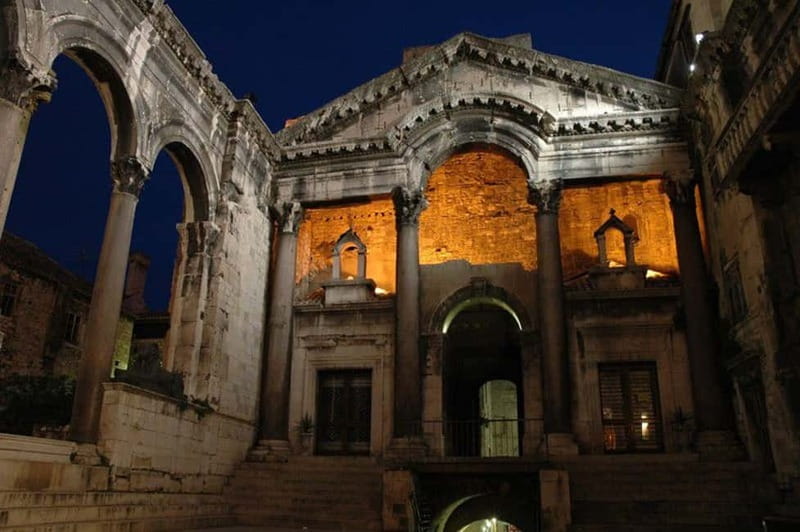
- Diocletian’s Palace is part of Split’s living old town: You’ll see Roman walls and courtyards alongside everyday shops, homes, and cafés.
- Salona adds a quieter archaeological stop: The site includes a Roman basilica, amphitheater, coliseum, and other ancient remains.
- The tour covers many central Split sights: Expect Peristil, St. Duje Cathedral, the Golden Gate, Vestibul, the Riva, and more.
- Transport and Salona admission are included: An air-conditioned vehicle and driver handle the connection from Trogir.
- Free time is part of the plan, but timing matters: You may have time for food and shopping, though the walking portion can be brisk.
- English is the tour language: A private group option and hotel pickup may be available, depending on the booking choice.
Walking through an emperor’s palace in Split
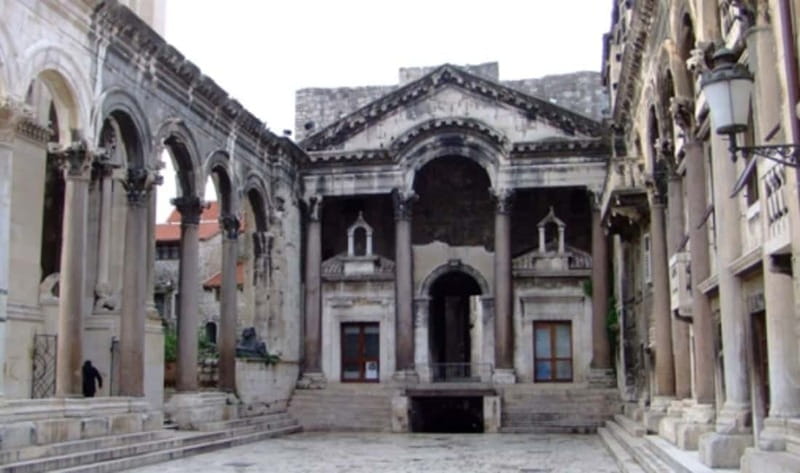
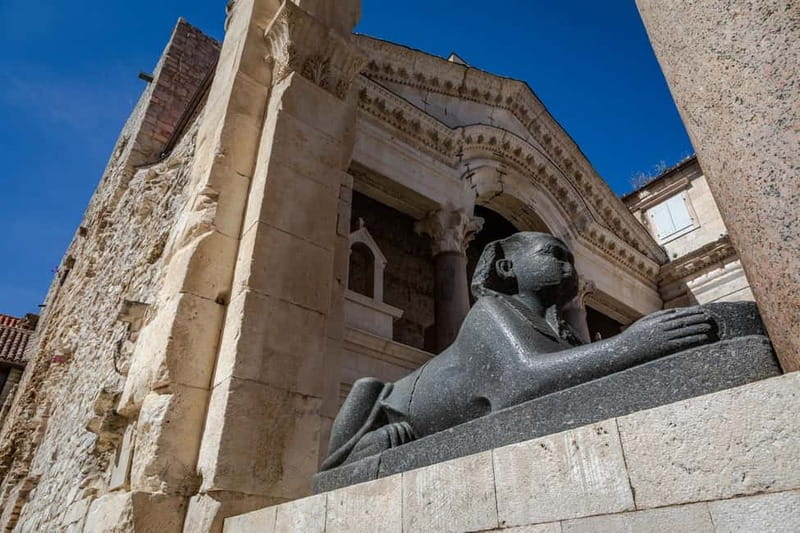
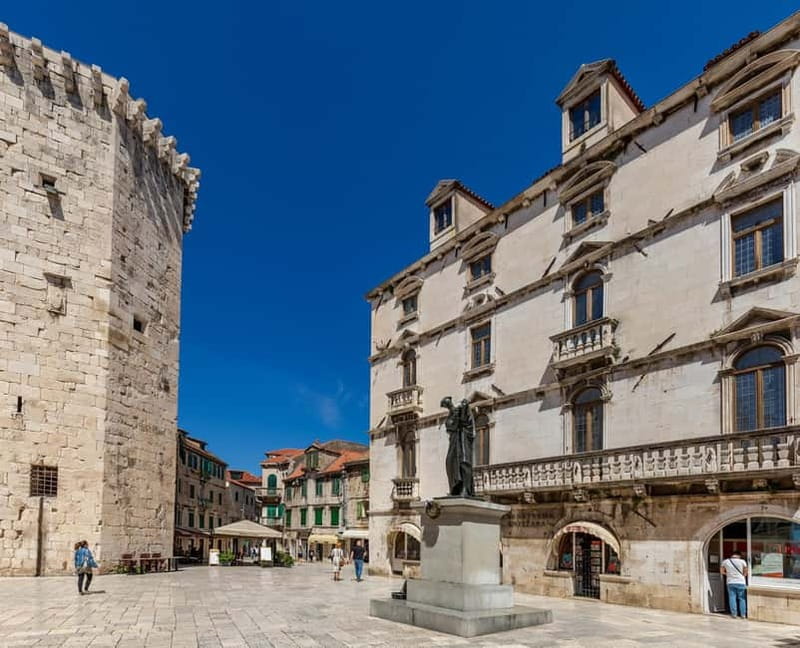
The best part of the Split visit is the way the city refuses to stay in the past. Diocletian’s Palace was built in the fourth century for the Roman emperor Diocletian, but today it forms the core of the city center. You won’t simply walk around a fenced ruin. You’ll move through streets where old stone walls support modern life.
A local guide leads you through the main sights on foot. The route covers much of central Split, making it useful if you want a quick orientation before returning on your own. You’ll hear the story behind the palace and its buildings while seeing the places that define the old town.
The tour includes Peristil, the palace’s central ceremonial square. Its stone setting gives you the clearest sense of Roman power and design. This is one of the places where the scale of the original complex becomes easier to understand, even if modern buildings now surround it.
You’ll also see St. Duje Cathedral. The building is closely tied to the palace because the cathedral occupies the former mausoleum of Diocletian. That pairing tells you a great deal about Split: Roman imperial architecture was not erased, but reused and given new meaning over the centuries.
More history-led days in Trogir:
- Dubrovnik Old Town History Walking Tour
★ 5.0 · 1,684 reviews - Walking Tour of Split with a ‘Magister’ of History
★ 5.0 · 1,122 reviews - Split Walking Tour with Professor of History
★ 5.0 · 926 reviews
From the Golden Gate to the Riva
The Golden Gate is another major stop. It was one of the palace’s main entrances and remains one of the most recognizable points in Split. You’ll also see the statue of Gregory of Nin, a famous landmark outside the gate. The statue is especially known for its large toe, which visitors often touch for good luck.
The route continues to Vestibul, a round space with a domed form that once connected important sections of the palace. It is a smaller stop than Peristil, but it helps show how the imperial residence worked as a complex rather than a single grand building.
You’ll pass the city clock and the statue of Marko Marulic as well. Marulic is an important Croatian literary figure, and his presence gives the walk a local cultural note beyond Roman history. The clock marks another change in the city’s story, showing how the old palace area continued to serve ordinary urban life.
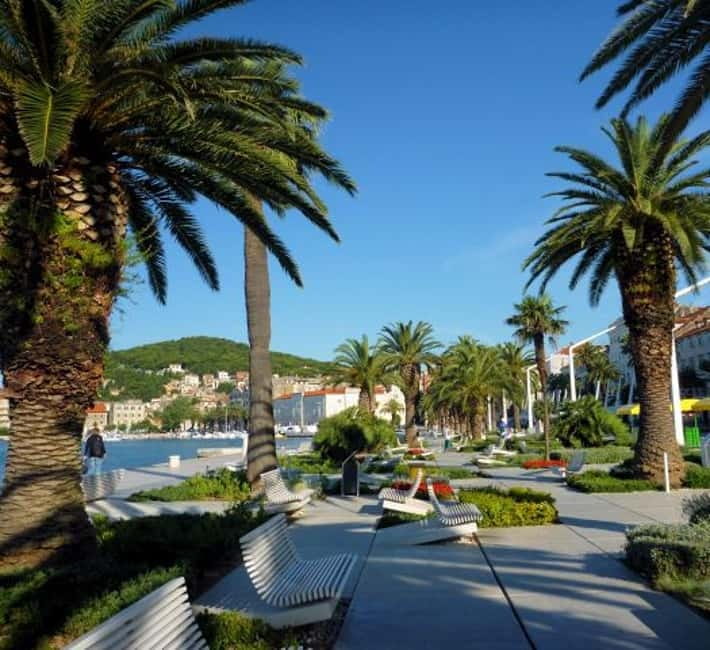
The Riva provides a change of mood. This waterfront promenade is where you can pause and look back toward Split’s old core. Since the tour is primarily a guided walk, comfortable shoes matter. The route covers several landmarks in a limited time, and the pace may feel quick if you prefer long photo stops.
What the free time in Split really means
After the guided portion, the plan includes time to relax, eat, and shop in the old town. That is useful because a guide can point out the main sights, then you can choose your own pace for a short while.
Still, I would treat this as possible free time, not a long independent afternoon. The overall schedule is listed as four hours in one place and six hours in another, and the time spent at Salona also has to fit into the day. If lunch is important to you, ask how much time is actually available for it before confirming your booking.
The free period is best used for a simple meal, a coffee, or a quick look through the shops. You may not have enough time for a slow lunch followed by extensive browsing. One concern raised about this experience is that the schedule can feel compressed, with no meaningful shopping or lunch break when the guide keeps the group moving.
That makes the tour a better fit for someone who wants an introduction than for someone who wants to explore Split at leisure. If your priority is shopping, food, or museum time, a tour focused only on Split would give you more control.
Salona, Croatia’s major Roman archaeological site
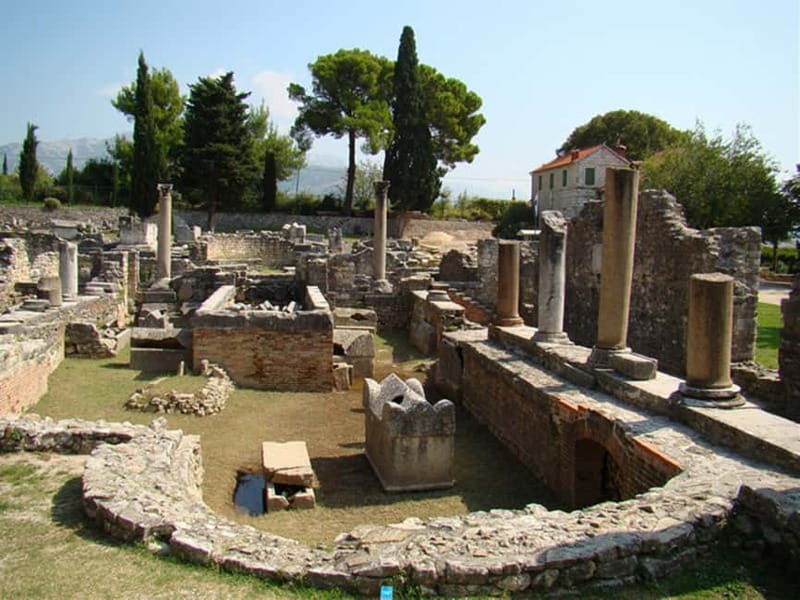
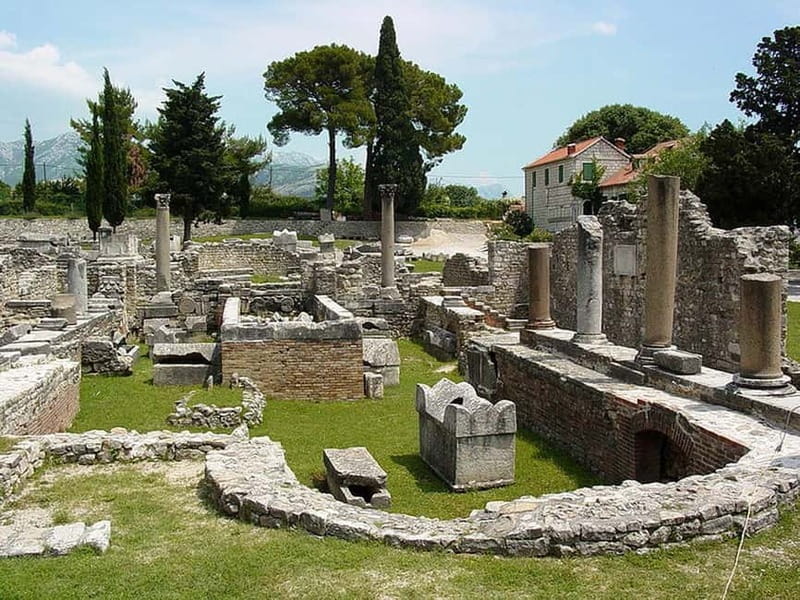
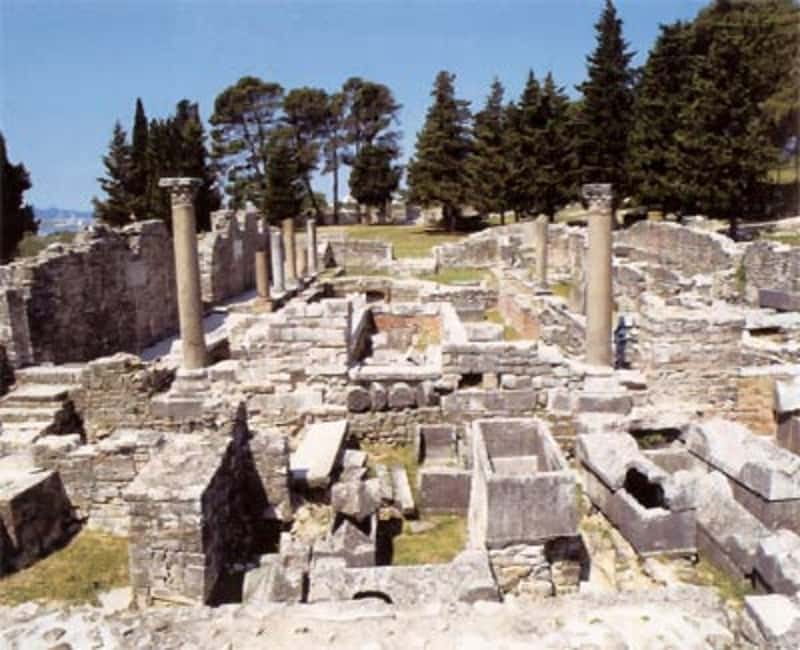
The second part of the day takes you to Salona. Located on the Dalmatian coast, Salona is described as Croatia’s largest site of antiquity-era monuments and is often compared with Pompeii. The comparison helps set expectations: this is a broad Roman archaeological area, not a single polished monument.
Salona gives the tour a different rhythm. In Split, ancient remains are woven into a functioning city. At Salona, you can focus more directly on the surviving Roman structures and the shape of the ancient settlement.
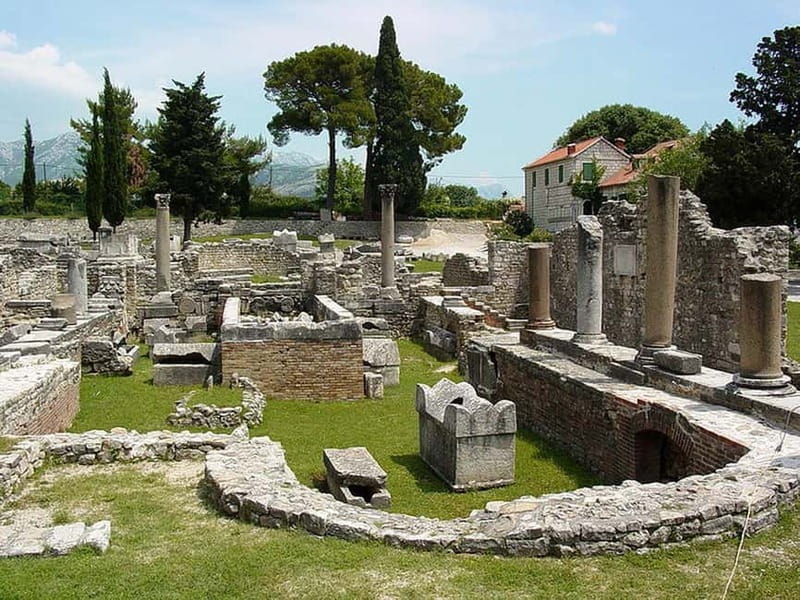
You’ll see the remains of a Roman basilica, along with an amphitheater and coliseum. These sites show different parts of Roman public life. The basilica points to religious and civic use, while the amphitheater and coliseum bring the scale of public entertainment into view.
The site also includes fine marble sarcophagi. The tour information connects these with the Archaeological Museum of Split, so your guide may use them to explain burial customs and the material culture of the Roman period. Salona is valuable because it gives the Roman story a physical setting beyond the famous palace in the city center.
The Salona admission ticket is included, which makes this portion easier to budget. You are not left to arrange a separate entrance after paying for the vehicle and guide.
A few more Trogir half-days to weigh up
- Blue cave, Mama Mia and Hvar, 5 island speedboat tour from Trogir
★ 5.0 · 2,861 reviews - From Trogir: Three Islands Half-Day Speedboat Tour
★ 4.8 · 804 reviews - From Trogir or Split: Full-Day Blue Cave & Hvar Island Tour
★ 4.7 · 413 reviews - Half Day Speedboat Tour to Three Islands from Trogir
★ 5.0 · 401 reviews
Why the guide matters on a fast route
This tour covers a lot for its length. The guide is expected to explain the buildings, monuments, and historical changes as you move between them. That can turn a pile of old stones into a readable story, especially at Peristil, Vestibul, and Salona.
The guide language is English. An especially useful quality is patience with different levels of English comprehension. You should expect the guide to check that you understand the explanation and have not missed an important point. That matters on a history-heavy tour, where names and dates can come quickly.
At the same time, the guide style may be more focused on delivering historical information than on answering every side question. If you want a conversation about modern Split, local food, or personal recommendations, ask early and clearly. A private group may offer a better setting for questions, but the available details do not promise a particular guide or a customized route.
The biggest practical issue is speed. Some people like a guide who keeps the tour moving and covers many sights. Others need more time for photographs, translation, or quiet observation. If you fall into the second group, ask whether the guide can slow down at the main stops.
Transport from Trogir and the value of $170
The price is $170 per person. That is a serious sum for a four-hour activity, though the value changes if your selected version lasts six hours and includes hotel pickup, a private group, or a fuller vehicle arrangement.
The price covers an air-conditioned vehicle with a driver, an experienced tour leader, and admission to Salona. Those inclusions matter when you are based in Trogir and want to combine Split with a site outside the city. You avoid arranging separate transport, finding Salona on your own, and purchasing the archaeological admission separately.
The vehicle is particularly useful in Dalmatia’s warmer months. After walking through Split, you can return to an air-conditioned ride before continuing to Salona. The tour ends back at the meeting point, unless the selected option provides hotel pickup and return arrangements.
I would judge the price by convenience rather than by the number of hours alone. If you want a private or small-group experience and value having the route handled for you, $170 can make sense. If you are comfortable arranging transport and exploring Split independently, the price may feel high.
Ask three questions before booking:
- Is your option four hours or six hours?
- How much free time is planned in Split?
- Is hotel pickup included in the option you are selecting?
Those answers will tell you more about the value than the headline price.
Who should choose this cultural heritage tour
I would recommend this outing to you if you have limited time in the Trogir area and want to see both Split and Salona without handling the transport yourself. It suits first-time visitors who want the main landmarks explained in English and prefer a guided route to independent research.
It also works well for people who enjoy Roman history but want more than one famous building. Split shows how Roman architecture survives inside a modern city. Salona provides a wider archaeological setting with civic, religious, and entertainment structures.
Families and mixed-interest groups may appreciate the variety. The Split walk includes statues, gates, a cathedral, a waterfront, and shopping streets, while Salona offers open-air ruins and a more focused ancient setting.
I would be more cautious if you want a relaxed day. The route is packed with major sights, and the walking explanations may come one after another. It may not suit you if long meals, extensive shopping, or slow photography are essential parts of your plans.
You should also consider language comfort. The guide speaks English, and the tour may include detailed history. If everyone in your group follows spoken English easily, the pace should be more manageable. If not, ask for frequent checks and simpler explanations.
Small details that can make the day easier
Wear shoes suited to a walking tour. The exact surface conditions at the archaeological site are not specified, but Salona is an outdoor ruin area, and Split’s old center is explored on foot.
Bring money for meals, drinks, shopping, and personal expenses. None of these are included. Since the break may be limited, decide in advance whether you want food or shopping to take priority.
Keep your schedule flexible. Free cancellation is available up to 24 hours before departure for a full refund, and you can reserve now and pay later. Those terms help if your plans around Trogir are still changing.
The meeting point can vary with the option you book. Confirm the pickup or meeting details rather than assuming every departure begins at the same place. Hotel pickup is possible, but it is listed as an optional feature, not a universal inclusion.
My verdict: book it for history and convenience
I would book this tour if your goal is to connect Split’s Roman palace with Salona’s larger archaeological remains in one organized outing. The route has real substance, and the included vehicle, guide, and Salona ticket remove several planning tasks.
I would not book it without clarifying the timing. The difference between four and six hours is important, especially when the plan promises both a full Split walk and free time for lunch or shopping. A brisk guide can cover the landmarks, but you may not receive the relaxed break you imagined.
Choose it for efficient sightseeing, Roman history, and transport from Trogir. Skip it if you want a leisurely Split day or extensive independent time. The tour earns its price when convenience matters most, but you should confirm the duration and free-time plan before committing.
FAQ
Where does this tour take place?
The tour takes place in Dalmatia, Croatia, with visits to Split and the ancient Roman site of Salona. It begins and ends at the designated meeting point for your selected option.
Does the tour depart from Trogir?
Yes. This experience is designed as a day tour from Trogir to Split and Salona. The exact meeting point may vary depending on the option booked.
How long does the tour last?
The activity details list a duration of four hours, while the itinerary description refers to a six-hour cultural heritage tour. Check the available starting options and confirm the exact duration before booking.
Is hotel pickup available?
Hotel pickup is possible as an optional feature. Confirm whether it is included with the specific booking option you choose.
What language does the guide speak?
The live tour guide speaks English.
Is Salona admission included?
Yes. Admission tickets for Salona are included in the tour price.
Is transportation included?
Yes. The experience includes an air-conditioned vehicle with a driver.
Is lunch included?
No. Meals and drinks are not included. You are expected to pay for your own food and beverages during any free time.
Will I have time to shop in Split?
Free time for shopping and eating is included in the plan, but the available time can depend on the schedule. Since the tour covers many sights and also visits Salona, confirm how much free time is planned.
Can I book a private group?
Yes. A private group option is available, depending on the booking choice.
What is the cancellation policy?
You can cancel up to 24 hours in advance for a full refund. The reserve-now-and-pay-later option may also be available, allowing you to hold a place without paying immediately.
Just added around Trogir
- Split: Private tour to Salona, Vitturi castle and Trogir★ 5.0 · 6 reviews
- Split and Trogir private tour *ideal for cruise ship guests*★ 5.0 · 3 reviews
- Private Trogir walking tour with LOCAL guide★ 4.8 · 23 reviews
- Private tour from Split area: Trogir and Krka National Park★ 5.0 · 7 reviews
- From Trogir Day sailing (private tour)★ 5.0 · 4 reviews
- From Trogir: 3 islands half day tour with Blue Lagoon★ 4.9 · 26 reviews
- From Trogir, Seget & Okrug: Krka Waterfalls & Swimming★ 4.8 · 25 reviews
- From Split: Blue Lagoon & Trogir Boat Trip with Snorkeling★ 5.0 · 5 reviews
Trogir Tours, compared.
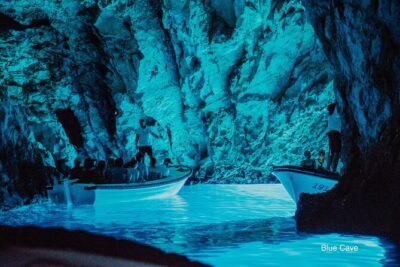
Blue cave, Mama Mia and Hvar, 5 island speedboat tour from Trogir
Read our review →

Half Day Speedboat Tour to Three Islands from Trogir
Read our review →
Blue Lagoon & Šolta Island from Trogir LUNCH & DRINKS INCLUDED
Read our review →
Trogir, Žedno: Čiovo Island 100% Off-Road Quad ATV Tour
Read our review →
Zagreb to Split Group Transfer with Plitvice Lakes guided Tour
Read our review →Browse the lists this tour appears in