
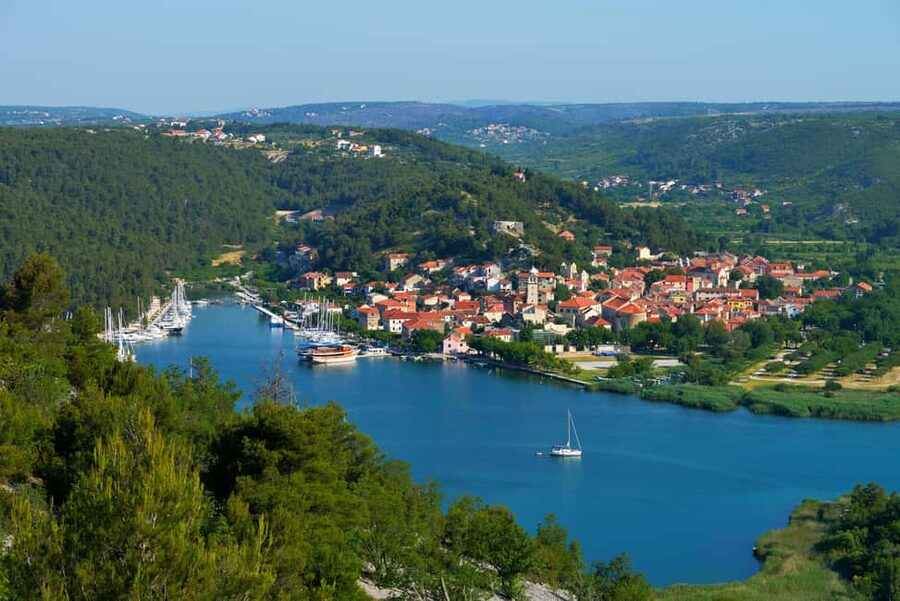
Reviewed · SIBENIK TOURS
Sibenik: Stunning views, History & Tasting – Croatia in day
The best part of this half-day outing is the change of pace. You leave Šibenik’s coast behind for old fortifications, olive trees, family farms, and broad views toward the Kornati Archipelago. Guide Neil links the scenery to Dalmatia’s long record of conflict, while the Lepur family turns olive oil into the day’s main event.
I like the small maximum group of eight, which gives the visit to the family mill a personal feel. I also like the practical oil lesson: you do not simply taste several bottles, you learn about aroma, balance, olive varieties, and polyphenols. The main consideration is timing. Five hours goes quickly, and the full lunch costs extra, so confirm what food is included when you book.
Key points to know
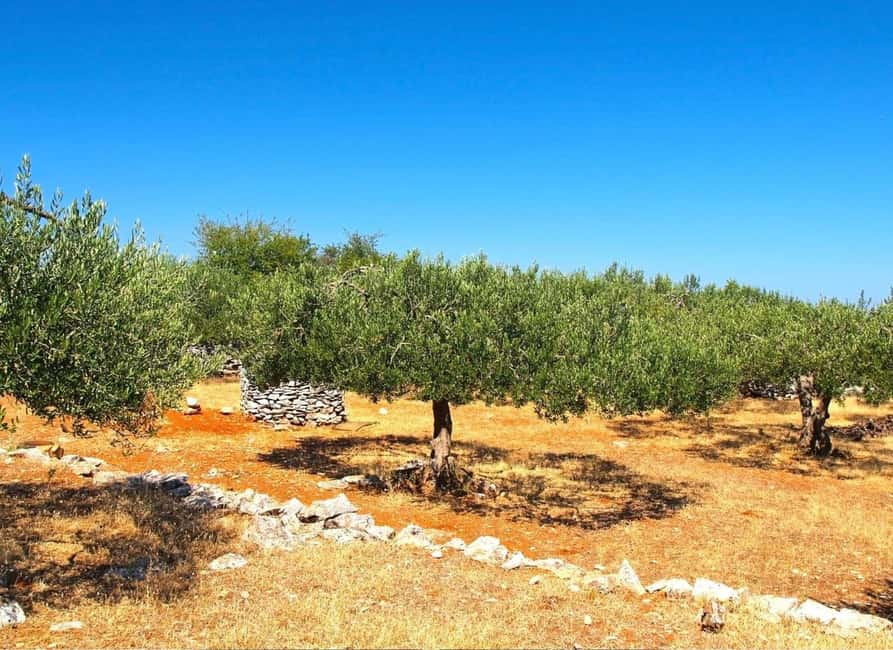
- A real countryside change from Šibenik: The route moves through inland villages, olive groves, historic sites, and high viewpoints.
- Neil leads the history portion: He explains the area’s Illyrian, Roman, medieval, and modern chapters in clear, engaging terms.
- The Lepur family mill is the heart of the visit: You walk among the trees, see modern cold-press production, and taste award-winning oils.
- Oil tasting has a useful purpose: You learn how to identify quality and understand the role of polyphenols.
- Kamenjak delivers the final view: From above Lake Vrana, you look across the Kornati Archipelago.
- Lunch is not part of the base price: Tasty bites are included, while a traditional full meal is an optional extra.
Why this half-day trip works

At $52 per person, this is priced as an accessible small-group excursion rather than a luxury food tour. The fee covers transport, a live guide, the historic stops, olive oil instruction, several oil samples, local sparkling wine, red and white wine, and tasty bites.
That package gives you more than a short tasting at a shop. You see where the olives grow, learn how the mill works, and connect the food to the area’s history. If you add the traditional lunch, the cost rises, but you also turn the tasting into a more complete meal experience.
The tour runs for about five hours, generally from noon until 5 p.m. That schedule suits you if you want to keep the morning free for Šibenik, a late breakfast, or time on the coast. It also means the tour is not designed for a full day of slow village wandering. Transfers take up part of the afternoon, so expect a well-paced introduction rather than long stays at every stop.
The vehicle is an air-conditioned minibus for groups of up to eight. A larger air-conditioned coach may be used for groups of up to 16. The smaller vehicle is the better fit for this sort of outing, especially at the olive grove, where conversation with the hosts is part of the appeal.
More food tours in Sibenik:
- Split: Krka National Park Full-Day Tour with Wine Tasting
★ 4.9 · 142 reviews - Zadar: Krka falls, olive mill, lunch, oil & wine tasting
★ 4.3 · 3 reviews - From Split: Krka Waterfalls, Food & Wine Tasting Tour
★ 5.0 · 9,326 reviews
Meeting Neil at Šibenik bus station
The listed meeting point is the central bus station in Šibenik, at Draga 14, with return to the same place. Pickups may also be arranged from Vodice, Šibenik, or Murter, with the usual pickup time listed as noon.
You should keep your phone available before departure. The operator says it will contact you by WhatsApp or message to confirm the pickup, so respond promptly. Look for the silver Opel minibus when the smaller vehicle is being used.
The tour begins with a short safety briefing, followed by a transfer inland. This opening is useful because you get a quick orientation before the road begins to leave the coastal bustle behind.
Okit Hill and the long view toward Kornati
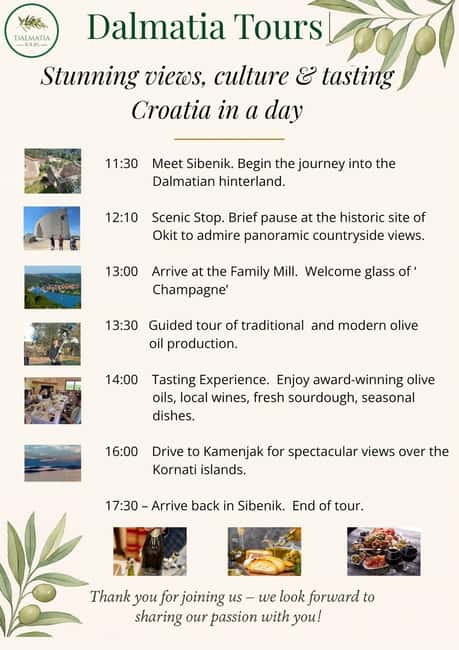
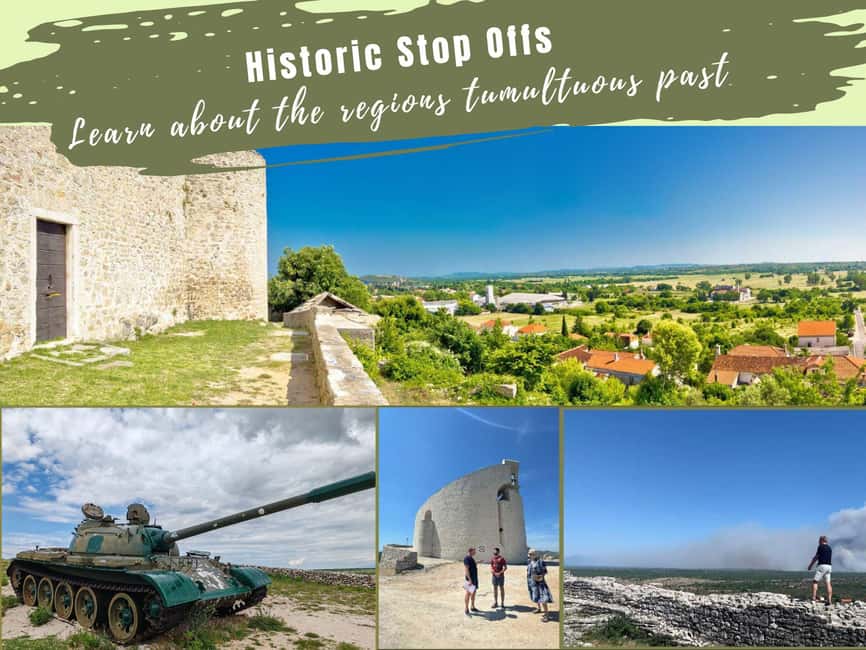
The first sightseeing stop is the Svetište Gospe od Karmela at Okit, also called Okit Hill. You have about 15 minutes here, so the stop is brief, but the view gives you an immediate sense of the region’s geography.
From the hill, you can see olive groves, vineyards, and the sea stretching toward the Kornati Islands. The view is not just a photo stop. Neil uses it to explain how the coast and inland routes shaped Dalmatia’s past.
This is where the tour’s history thread begins. You hear about Illyrian tribes, Roman conquest, medieval struggles, and more recent upheaval. The region has sat at a strategic crossing between the coast and the interior, and that location brought trade, power struggles, and repeated conflict.
You will not get a full academic lecture in 15 minutes. Instead, the stop gives you a useful framework for the rest of the afternoon. When you later see a fortress or pass through an inland village, you have a better idea why the area mattered.
Bring a phone or camera, but do not expect much time to explore Okit on foot. The stop is about the view and the introduction, not a long religious or architectural visit.
Kaštel Benković and Dalmatia’s difficult past

After another transfer, the group visits Kaštel Benković for roughly 35 minutes. This historic site gives the history section more physical substance than the opening viewpoint.
The castle sits within the story of this strategic meeting point between coast and hinterland. Here, the past feels less abstract. Neil explains the forces that shaped the region and the periods of war and political change that affected communities across Dalmatia.
I like the way this stop balances the food portion of the day. Without it, the outing could feel like a straightforward olive oil excursion. The castle reminds you that local products are tied to land, family continuity, and survival through difficult times.
The tour does not promise a long museum visit or a large collection of indoor exhibits. Your time is limited, and the value comes mainly from the guided explanation and the setting. If you want hours inside historic buildings, this will feel too short. If you want a clear, manageable introduction to the area’s past, 35 minutes is enough to keep the afternoon moving.
More history-led days in Sibenik:
- Dubrovnik Old Town History Walking Tour
★ 5.0 · 1,684 reviews - Walking Tour of Split with a ‘Magister’ of History
★ 5.0 · 1,122 reviews - Split Walking Tour with Professor of History
★ 5.0 · 926 reviews - Split: History and Heritage Walking Tour
★ 4.9 · 650 reviews
Entering the Lepur family olive grove
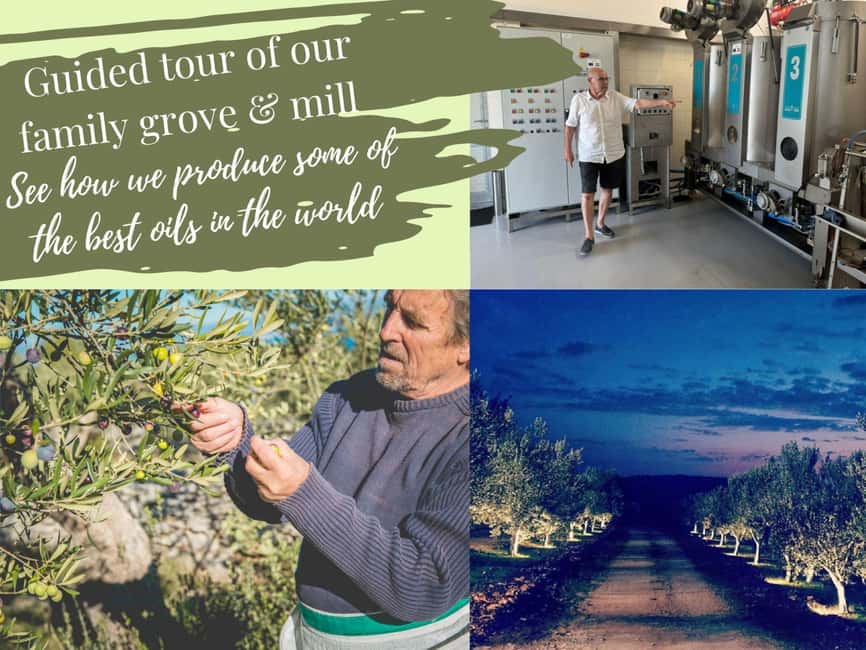
The visit to the family-owned olive grove and mill is the centerpiece. The setting is the village of Lepuri, where the pace shifts from historical sightseeing to food, farming, and conversation.
You begin with a welcome drink. The offering includes local sparkling wine, described as Dalmatia’s answer to champagne. One account of the visit also describes homemade sherry, so the exact opening drink may vary, but you can expect a regional beverage before the main tasting begins.
A guided walk through the olive trees follows. This matters because you see the source of the oil before tasting it. The guide explains how the soil, climate, olive varieties, and local practice affect the final flavor.
The family connection gives this part a different feel from a retail tasting counter. You are visiting a working farm and mill, not just a shop built for passing tour groups. The hosts are described as natural storytellers, and the day’s appeal depends heavily on that informal contact.
The one thing to keep in mind is that farm visits can be less polished than a formal attraction. That is part of the point here. The setting is personal and local, but the schedule and hosting may feel more relaxed than strictly staged.
Learning to taste olive oil properly
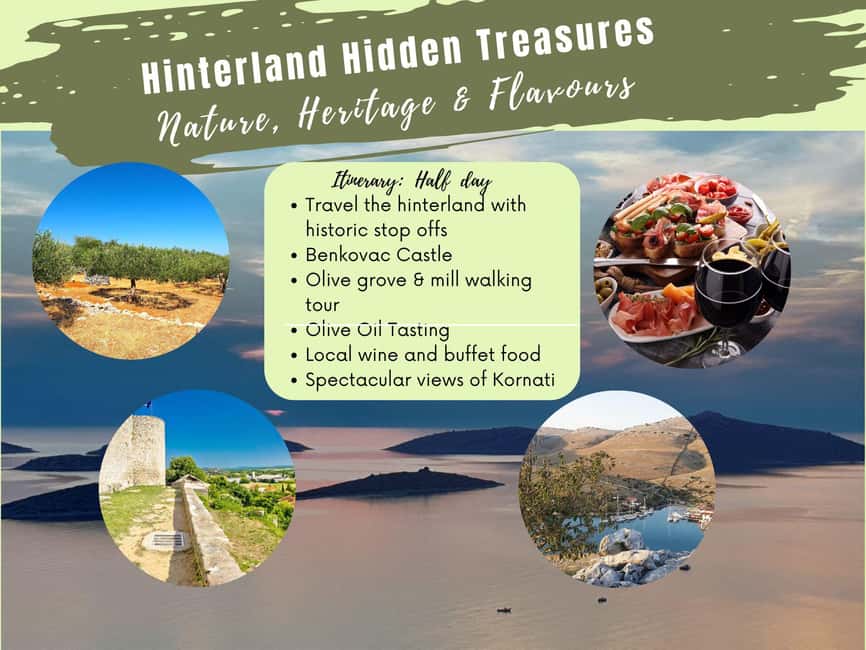
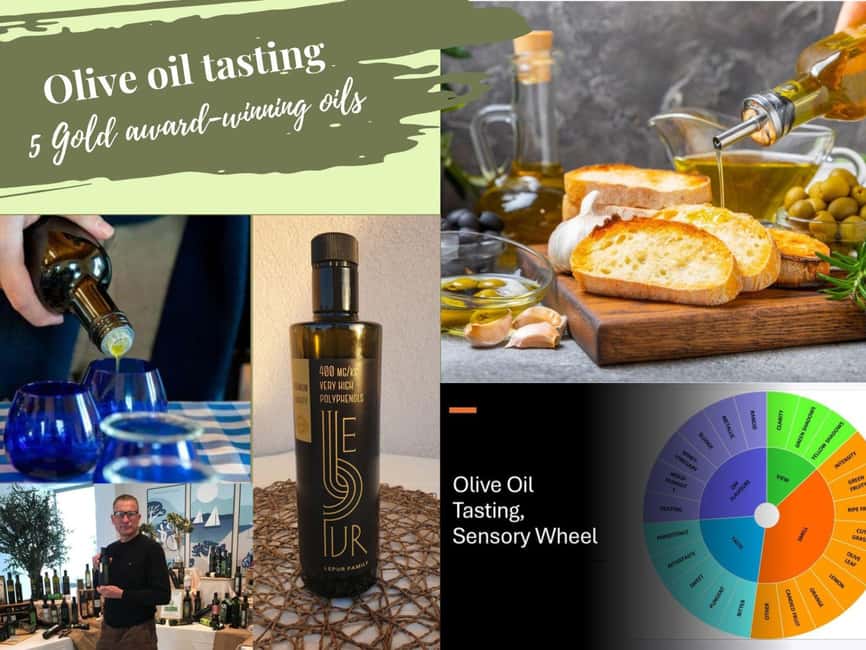
The oil lesson is more useful than simply being told which bottle to buy. You are shown how to pay attention to aroma, flavor, balance, and the signs of a genuine extra virgin olive oil.
The tasting combines award-winning oils made from different olive varieties and with different polyphenol levels. Polyphenols are natural compounds associated with the health properties of olive oil, and the guide explains why they matter without reducing the session to a sales pitch.
You learn to notice the traits that separate a fresh, well-made oil from a dull or poorly handled one. The emphasis is on practical recognition: what quality smells like, how flavor develops, and how bitterness or pepperiness can be positive signs rather than faults.
This is especially worthwhile if you cook with olive oil or plan to buy a bottle in Croatia. You can purchase oil to take home, but you are not required to do so. The lesson gives you a basis for choosing instead of relying only on a label or attractive packaging.
The tasting also adds value to the price. Many food excursions provide a sample and a sales opportunity. Here, the production walk and the explanation of polyphenols make the tasting educational as well as enjoyable.
Local wines and Dalmatian snacks
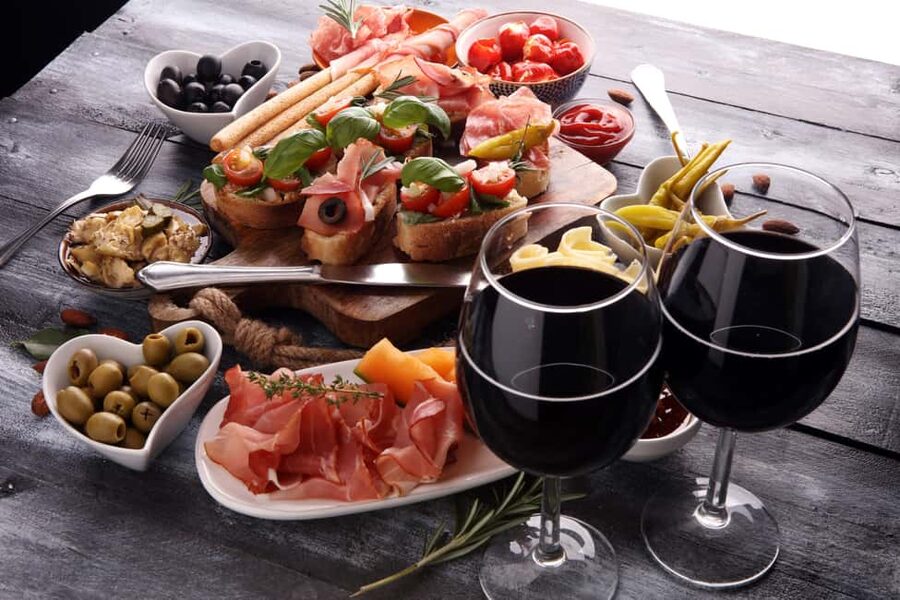
After the oil tasting, you sample local red and white wines made from native Croatian grape varieties. The wines are presented as expressions of the local soil and traditions, giving you a chance to compare them with the oils and see how the region’s food culture works as a whole.
Tasty bites are included. These snacks help keep the tasting from feeling too thin, particularly since the tour begins around noon and finishes in the late afternoon.
A full traditional Dalmatian lunch is available as an extra. The meal is described as seasonal and local, served with generous amounts of the family’s best oil and accompanied by wine. Ingredients and preparation may vary, which is normal for a meal based on what is available locally.
You should ask about the lunch when booking if it is important to you. The base experience includes tasting food, but the full meal is not included in the stated $52 price. Some visits have featured homemade food prepared and served by a neighbor, along with locally made red wine. That sounds like a memorable addition, but it should not be treated as guaranteed unless confirmed in advance.
Kamenjak Nature Park above Lake Vrana
The final major stop is Kamenjak Nature Park, high above Lake Vrana. The viewpoint looks across the Kornati Archipelago and provides the broadest panorama of the day.
This is a smart ending. After the close-up work of tasting oil and wine, you return to a wide view that connects the afternoon’s pieces: the inland farms, the coast, the islands, and the routes that made this region so contested.
The stop also gives you a moment to slow down before returning to Šibenik. The tour involves several transfers, so the final viewpoint helps the afternoon finish with space and fresh air rather than another rushed indoor visit.
The schedule lists several transfers near the end, including 30-minute and 10-minute legs. Exact order and driving times may shift with local conditions, but you should expect a road-based outing with multiple short stops, not one fixed location.
Who will get the most from this tour
I would choose this outing if you want food, history, and scenery in one compact package. It is particularly well suited to you if:
- You have only half a day available from Šibenik.
- You enjoy learning how regional food is produced.
- You prefer family-run places to large commercial attractions.
- You want a small group and an English-speaking guide.
- You like history presented through places and stories rather than long museum visits.
- You are curious about Croatian olive oil and local wine.
The tour is not suitable for children under 12, and the listed upper age limit is 95. Those restrictions may reflect the pace, vehicle arrangements, and tasting format rather than the difficulty of the individual stops.
The outing also suits people who enjoy a relaxed, conversational approach. Neil is described as a charismatic guide with a personal interest in Croatian history, olive oil production, and local life. Fiona is also connected with the hosting team. At the farm, Mr. Lepur welcomes visitors and explains the family’s work.
What to know before paying $52
The strongest value comes from the combination of transport and several different experiences. Hiring a vehicle to reach the inland sites would add cost and planning, while arranging a private olive mill visit would usually be less simple than joining this small group.
You also get a live guide in Croatian and English, and the maximum of eight participants allows more direct interaction than a standard coach excursion. If your group reaches 16 and a coach is used, the atmosphere may be less intimate, so check the expected vehicle size if that matters to you.
The price is less compelling if you want a long lunch included or prefer to spend most of the day at one farm. The itinerary covers a lot of ground in five hours. Its strength is variety, not depth at a single stop.
Free cancellation up to 24 hours before departure and reserve-now, pay-later booking make it easier to fit into a changing Croatia itinerary. Still, you should confirm the starting time, pickup location, vehicle, and lunch option before committing.
Should you book this Dalmatian countryside tour?
Book it if you want to get beyond Šibenik without giving up your entire day. The combination of Okit’s view, Kaštel Benković, the Lepur olive grove, structured oil tasting, Croatian wine, and Kamenjak creates a well-rounded introduction to inland Dalmatia.
I would make the olive mill the deciding factor. If learning how to taste oil and meeting the people behind a family product sounds appealing, this is a strong buy at $52. If you mainly want a long gourmet lunch or extensive castle sightseeing, choose an experience built around one of those activities instead.
For the best fit, reserve the lunch in advance if you want a full meal, wear comfortable shoes for the grove walk, and keep your afternoon free from other fixed plans. You will return to Šibenik with a better view of the region, a clearer idea of what quality olive oil tastes like, and perhaps a bottle for your kitchen.
FAQ
Where does the tour start?
The meeting point is the central bus station in Šibenik, listed at Draga 14. The activity ends back at the same meeting point.
What time does the tour usually run?
The stated schedule is from 12:00 to 17:00. Starting times can vary, so check availability when booking.
How long does the experience last?
The experience lasts about five hours, although the additional information gives a possible duration of four to five hours.
Is transportation included?
Yes. The tour includes transfers through the Dalmatian hinterland in an air-conditioned minibus or coach.
How large is the group?
The small-group format allows up to eight participants in an air-conditioned minibus. An air-conditioned coach may be used for groups of up to 16.
Which languages are available?
The live tour guide service is available in Croatian and English.
What places do you visit?
The route includes Okit Hill, Kaštel Benković, the family olive grove and mill in Lepuri, and Kamenjak Nature Park above Lake Vrana.
Is lunch included?
Tasty bites are included with the tastings. A full traditional Dalmatian lunch is available as an extra.
What drinks are included?
The experience includes regional sparkling wine, local red wine, and local white wine. The exact welcome drink may vary.
Can I buy olive oil during the visit?
Yes. You can purchase the award-winning olive oil to take home after the tasting.
Just added around Sibenik
- The beauty of the Middle Ages-Šibenik★ 4.7 · 7 reviews
- Šibenik : Zipline Šibenik – Čikola Canyon★ 5.0 · 3 reviews
- Sibenik: Guided Evening Walking Tour★ 4.9 · 62 reviews
- Šibenik: Medieval Night Walking Tour★ 5.0 · 19 reviews
- Šibenik walking tour in one hour!★ 5.0 · 6 reviews
- Sibenik: Full-Day Kornati National Park Boat Tour★ 5.0 · 19 reviews
- Sibenik: Guided Walking Tour★ 5.0 · 8 reviews
- RIVIERA TOUR FROM ŠIBENIK, ZLARIN, PRVIĆ AND TIJAT★ 4.6 · 14 reviews
Sibenik Tours, compared.
Vodice: Krka Waterfalls National Park Boat Tour
Read our review →
Krka National Park Full-Day Tour with Wine Tasting
Read our review →
Browse the lists this tour appears in